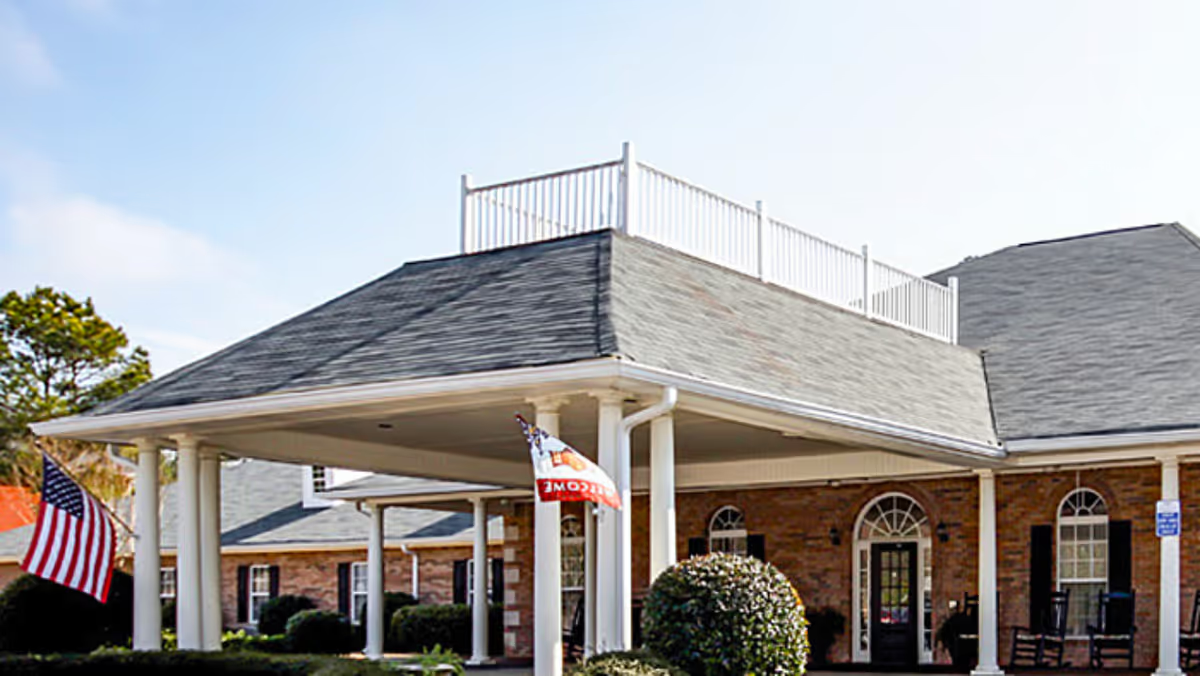
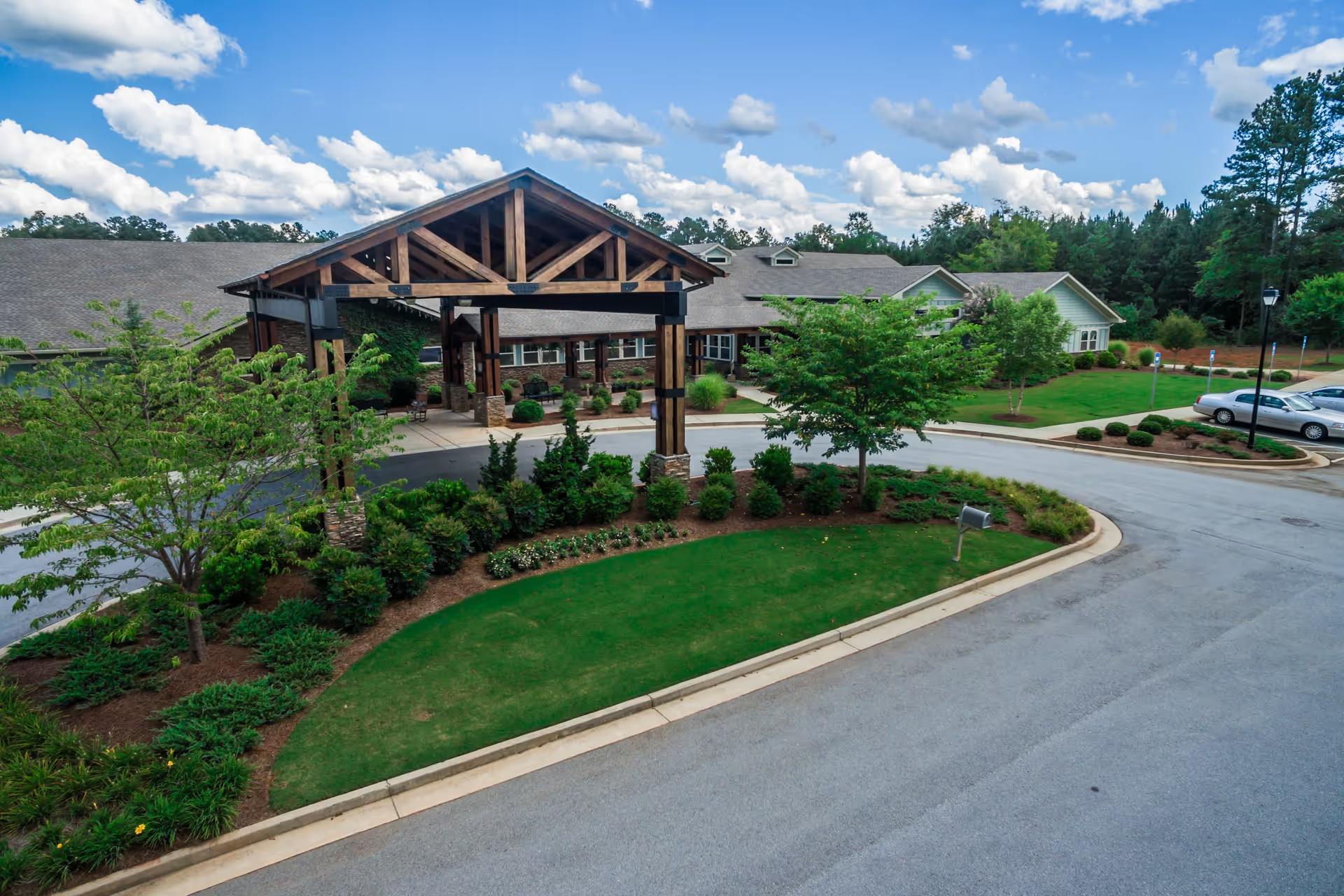
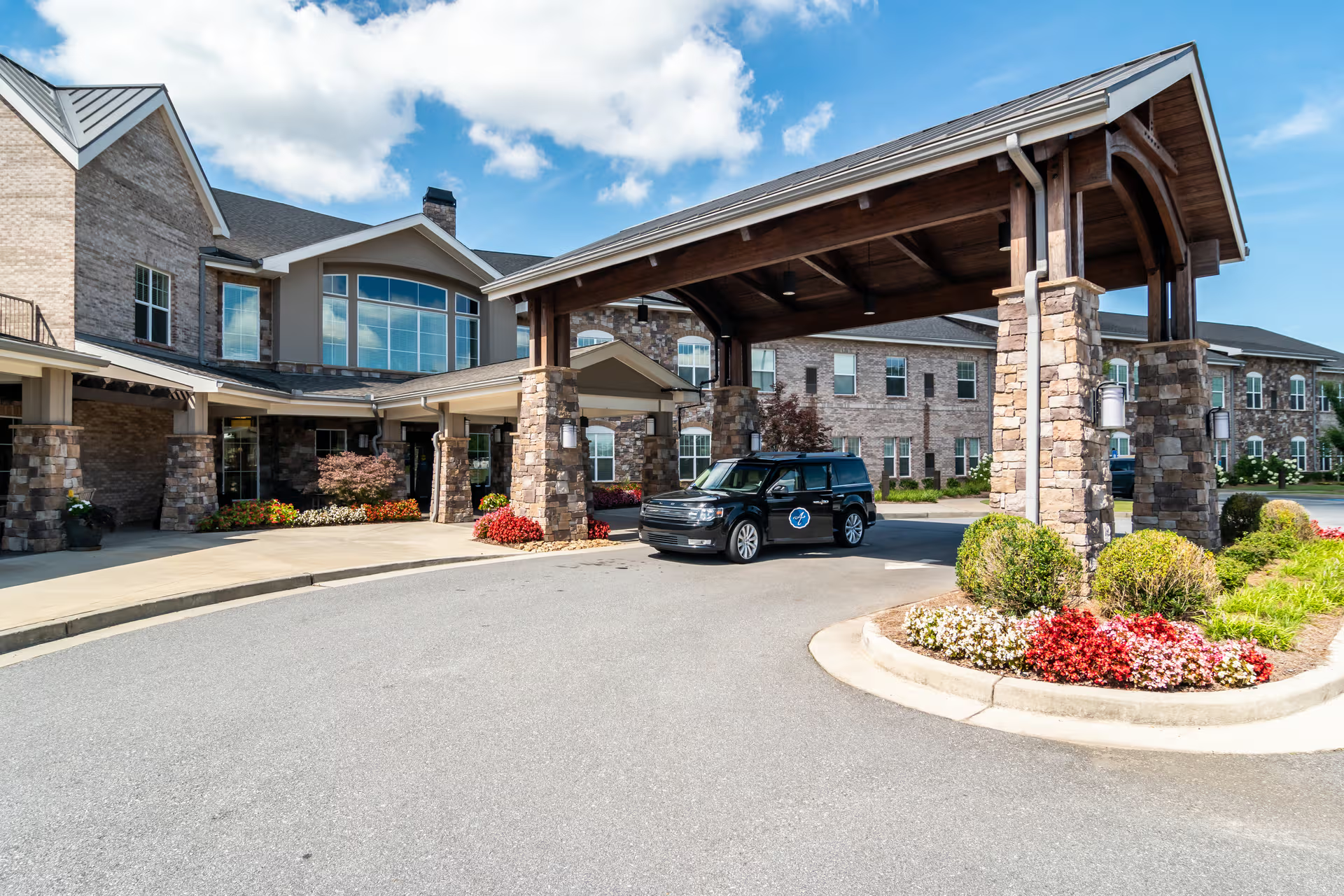
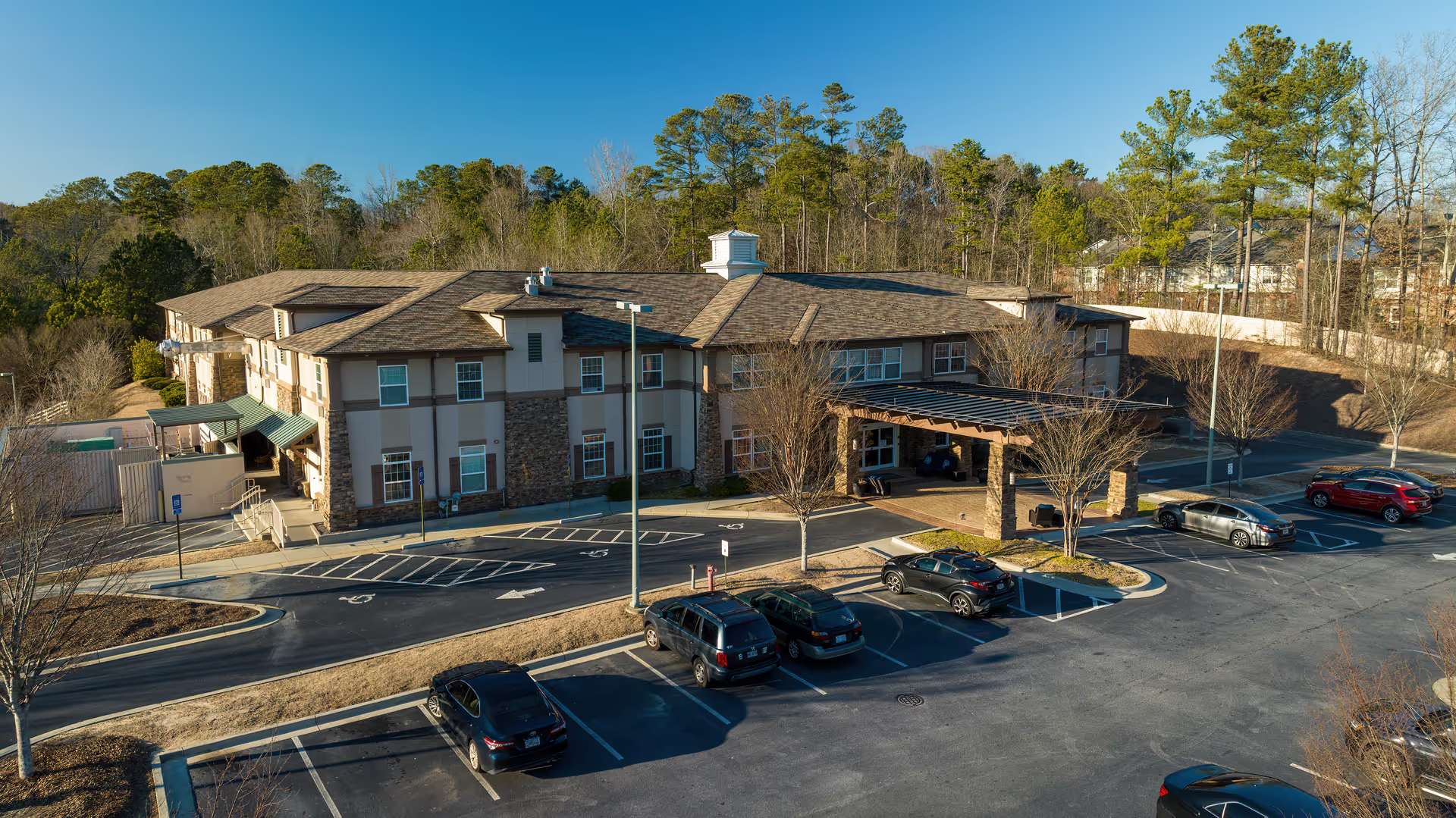
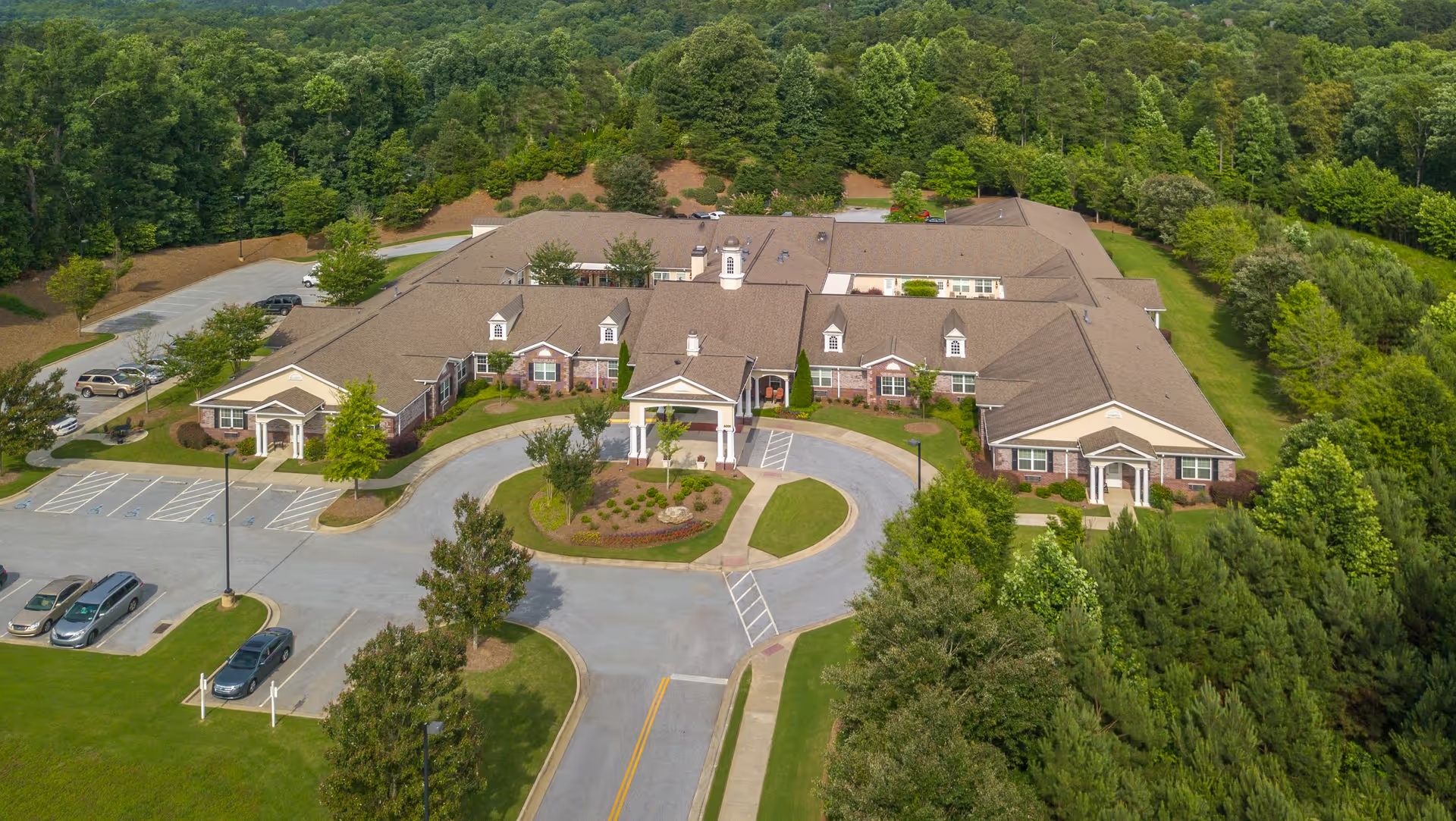
The Crossroads of Flowery Branch elicits strongly mixed impressions. Many families and residents praise the clinical rehabilitation teams and several nursing staff for producing positive therapy outcomes, improving mobility and speech, and supporting timely discharges home. Reviewers also highlight a warm social environment in parts of the building: airy dining rooms, buffet-style meal choices, active volunteers, regular activities and attractive grounds with outdoor feeders. Some administrative staff are described as responsive and communicative, and there are signs of ongoing renovation and repair in sections of the facility.
At the same time, a consistent pattern of operational weaknesses emerges. Staffing instability and turnover are recurring themes, with consequent variability in professionalism and responsiveness. Multiple accounts describe delays in attending to call lights and urgent needs, gaps in medication administration and documentation, and inconsistent infection-control practices. These operational shortfalls are compounded by pest-control concerns and sanitation and odor issues in both kitchen and resident areas. Food service reliability and meal preparation are inconsistent: reviewers cite mechanical-soft diet problems, uneven meal quality, and irregular meal timing.
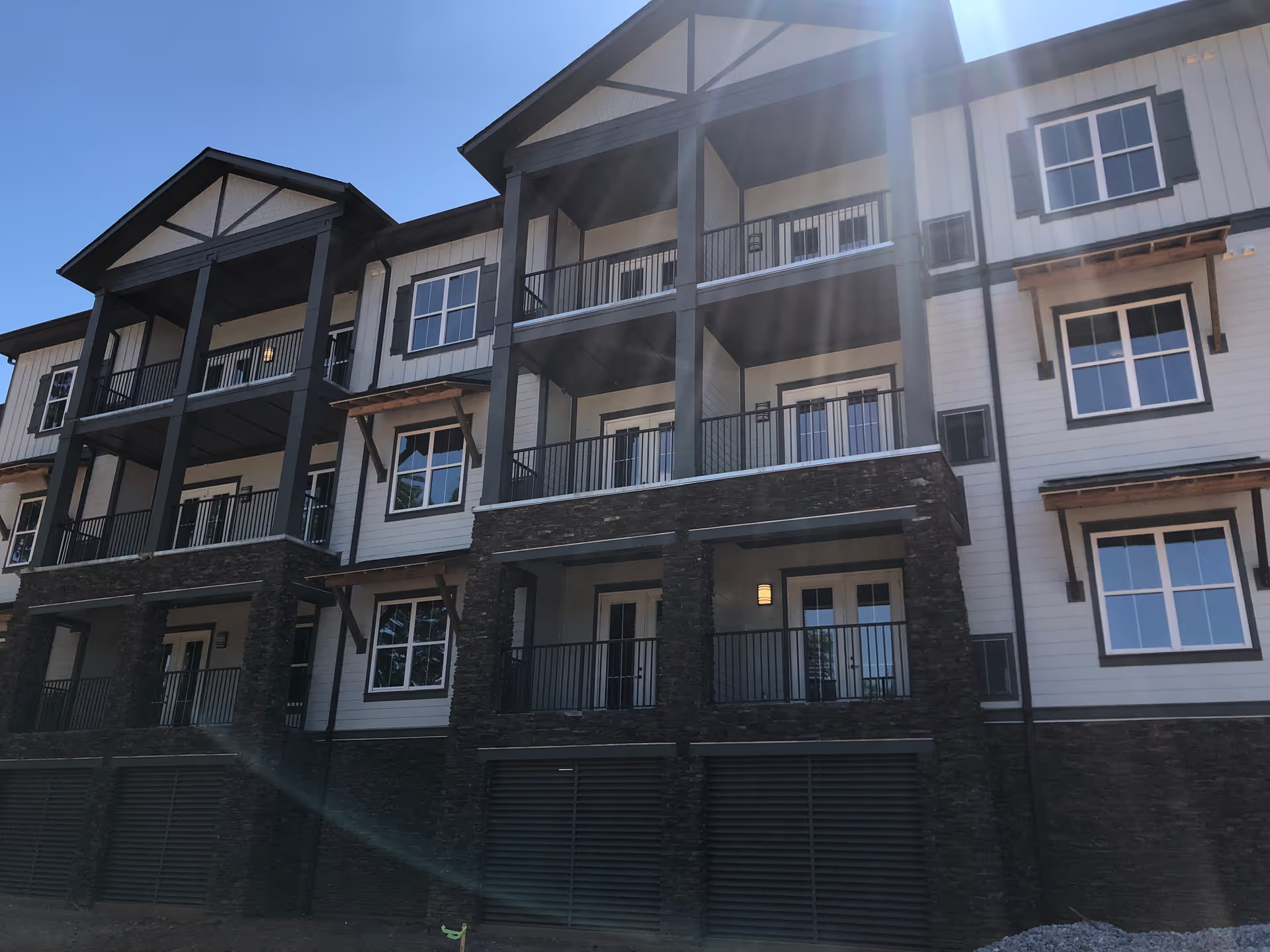
The physical plant shows a similar duality. While some rooms and common areas have been recently updated and described as clean and bright, other parts of the building exhibit deferred maintenance: roof leaks, water-damaged ceilings, mold concerns, crumbling exterior pavement, and aging or unsafe equipment and furnishings. These maintenance deficits intersect with safety concerns about equipment condition and emergency responsiveness.
Management impressions vary widely. Several reviewers note positive leadership, improved family communication, and active efforts by new ownership to address issues. Conversely, others describe poor administrative responsiveness, inconsistent phone and message handling, and leadership gaps that contribute to operational problems. There are also allegations concerning missing personal items and at least one account of legal action; such claims suggest families should seek clear documentation about personal-property and incident-handling policies.
For prospective residents and families: strengths to prioritize include the facility's therapy capabilities, engaged volunteers, and parts of the staff that demonstrate strong clinical care and family communication. Areas to investigate during a visit include staffing levels (especially night and weekend coverage), response times to call systems, medication-management protocols, pest-control and sanitation practices, the current status of repairs and water-damage remediation, and how the facility handles lost belongings and incident reporting. An in-person tour, meetings with the director of nursing and administration, and review of recent regulatory surveys and corrective-action plans are advisable to understand which aspects of the facility are being actively improved and which remain concerns.