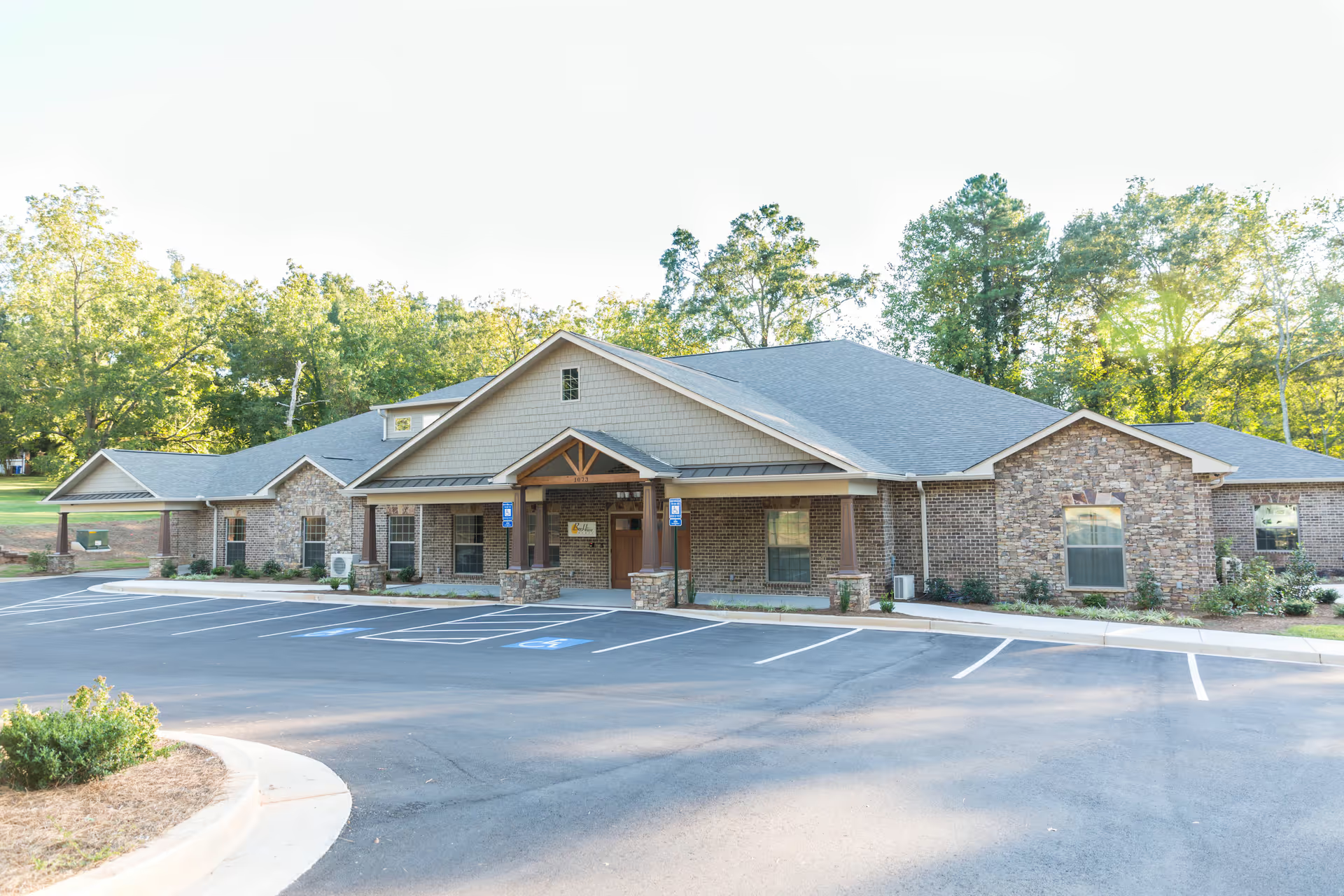
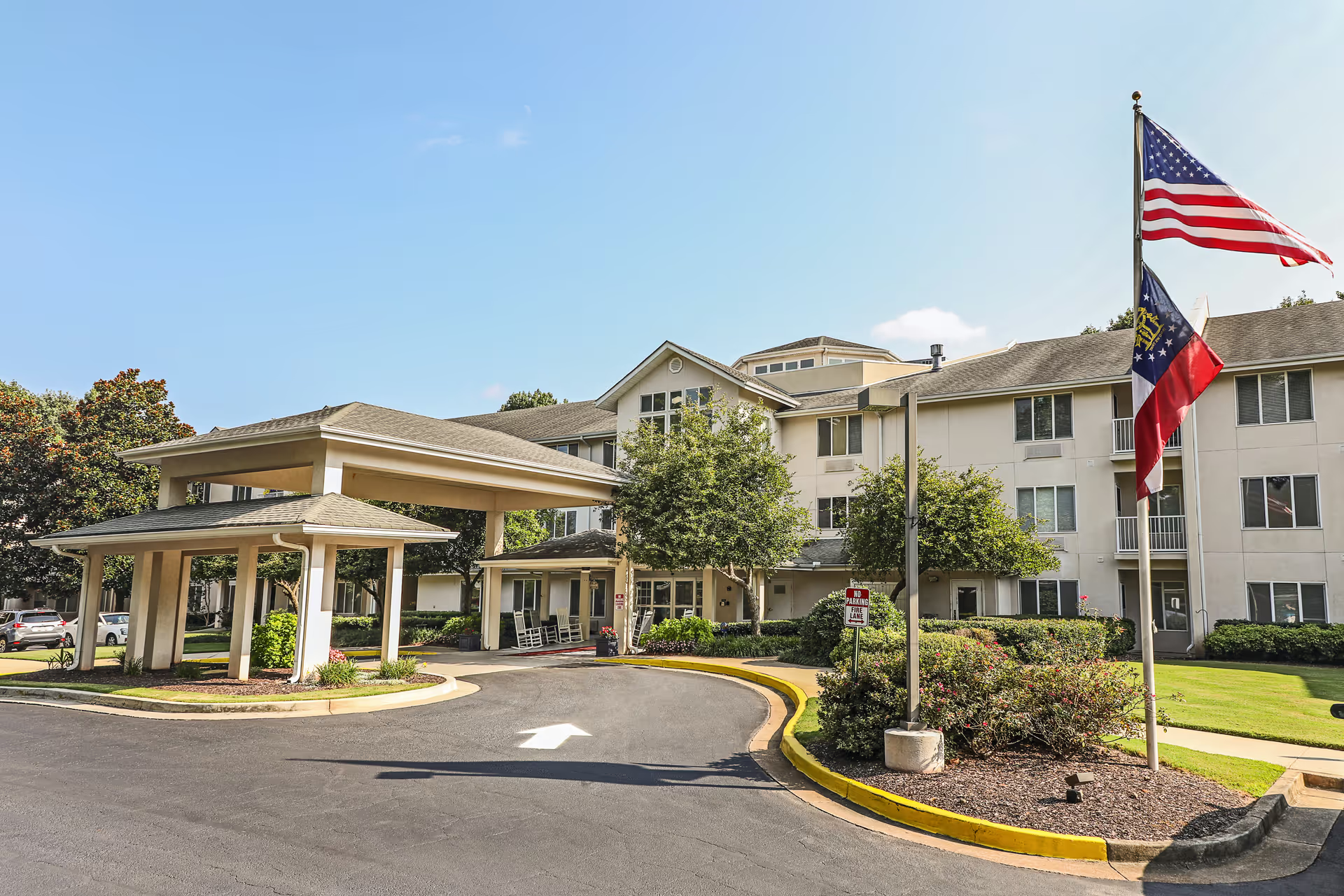
Resting Nest is described primarily as a small, home-like residential setting with a family-oriented culture and an emphasis on personalized, dementia-capable care. Reviewers frequently emphasize a warm, welcoming environment in which staff treat residents with familiarity and respect; families describe staff as attentive to individual health needs and responsive to daily requirements. The facility is staffed around the clock, which reviewers associate with timely assistance and a sense of safety.
Dining and daily living receive consistently positive remarks. The presence of an on-site owner who prepares home-cooked meals is highlighted along with dining flexibility, including both a communal dining room and in-room service. Reviewers note that meal preparation accommodates preferences and dislikes, and the environment is presented as customizable and family-style rather than institutional. Organized activities such as art classes and access to a pool are cited as meaningful engagement opportunities that contribute to residents’ quality of life.
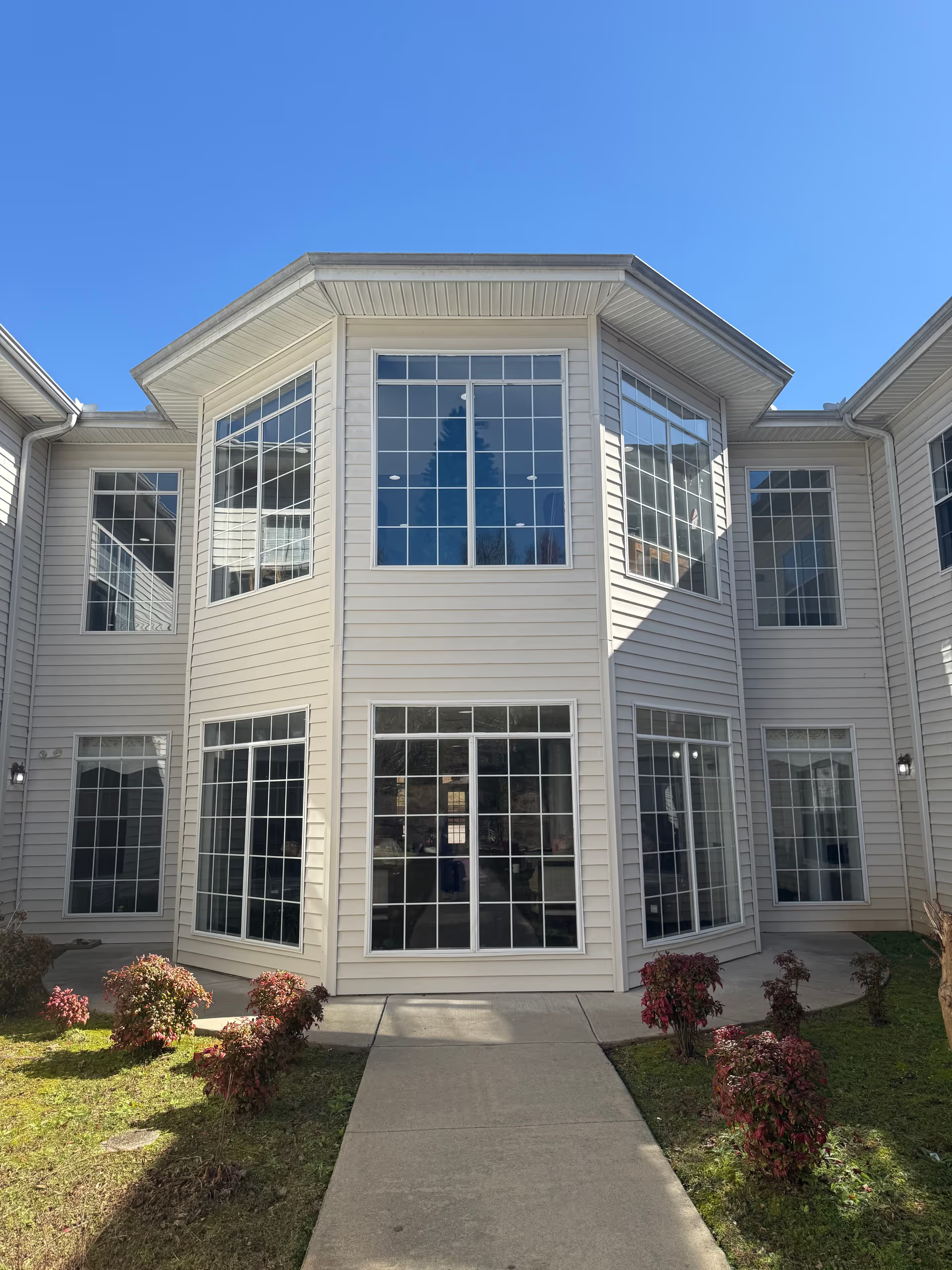
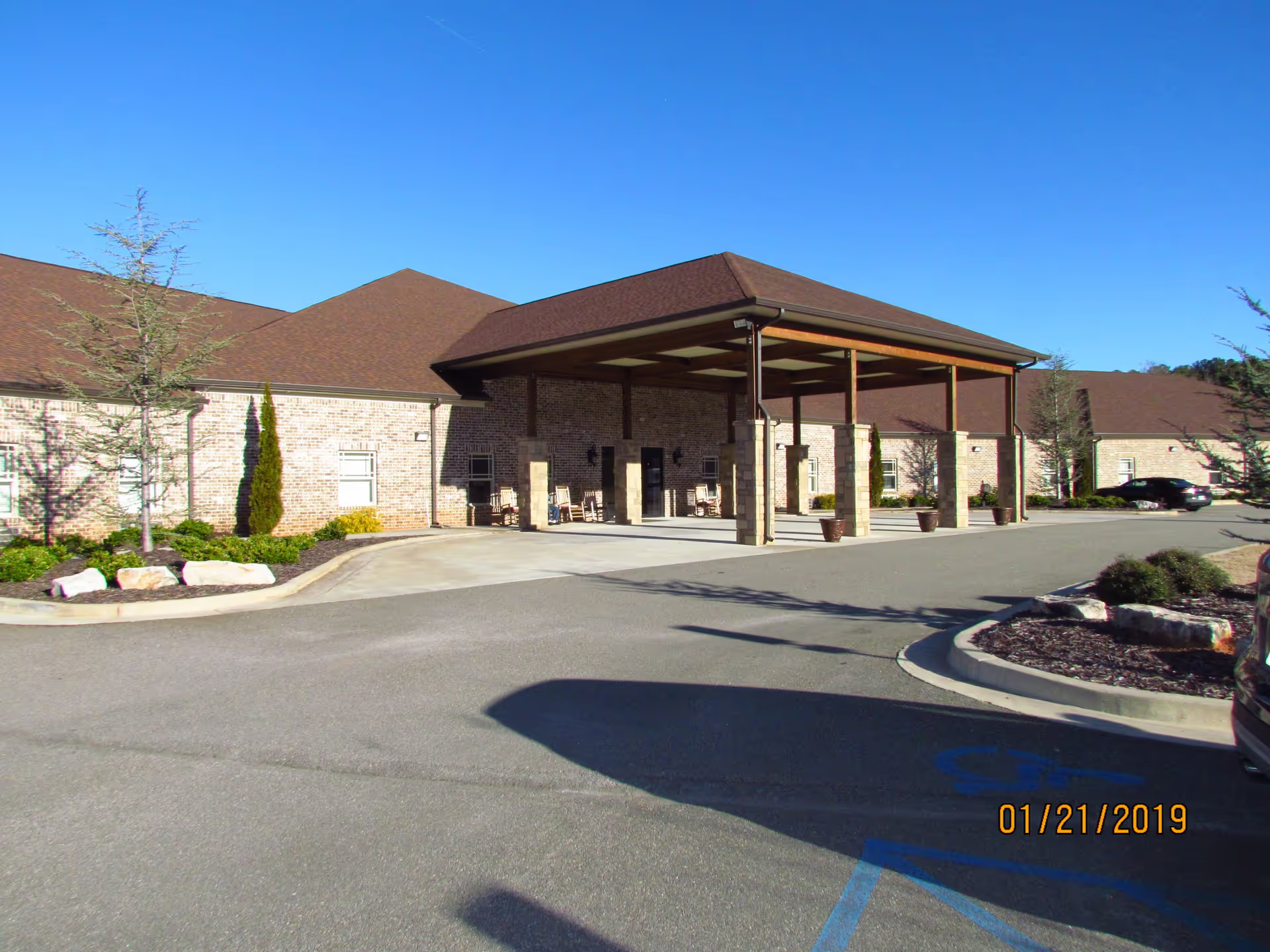
Facilities and accommodations are noted as strengths. Private rooms with en-suite bathrooms and televisions, clean and well-furnished interiors, and well-maintained grounds create a residential rather than clinical impression. Several comments reference an overall cozy, safe atmosphere and describe the location as tidy and attractively appointed.
At the same time, reviewers also raise operational concerns that merit consideration. While many accounts describe compassionate and reliable staff, there are also statements indicating inconsistent staff professionalism and communication tone. More serious claims include allegations of financial misconduct and critiques of management responsiveness; these suggest potential gaps in oversight, complaint resolution, and financial transparency. These latter issues are not the dominant theme of the reviews but are serious enough that prospective residents and families should inquire further.
Practical steps for families considering Resting Nest include asking for documentation of licensing and recent inspection results, clarification of staff training and supervision practices, details on staffing levels and on-call medical support, and a clear explanation of financial controls and billing practices. Requesting references from current families and learning the facility’s formal complaint and incident-resolution processes can also help assess how management responds to concerns. Overall, the facility presents many qualities attractive to those seeking a homelike, dementia-capable residential option, but prospective families should verify oversight and financial safeguards to address the reported concerns.