Overview The Oaks - Limestone elicits a mixed but consistent pattern in reviewer feedback. Strengths center on rehabilitation services, facility upkeep, and certain caregiving staff; weaknesses cluster around operational issues that affect daily resident safety, responsiveness, and continuity of care. Prospective residents and families should weigh the facility's strong therapy resources and clean environment against recurring staffing, communication, and clinical-management concerns.
Care and staff Physical and occupational therapy are repeatedly cited as a primary strength; reviewers singled out therapists by name and described measurable functional improvements. Many CNAs and nurses are described as compassionate and attentive, particularly during daytime hours and within the therapy program. However, staffing levels are a common operational concern. Chronic understaffing and high nurse-to-patient ratios contribute to long call-bell response times, delays in bathroom and bathing assistance, missed or delayed medication administration, and uneven nursing skill and attentiveness. Reviewers describe a wide variance in caregiver competence and tone: some staff are identified as exemplary while others are characterized as inattentive or distracted. There are also recurring notes about gaps in wound care follow-up, pain management timeliness, and occasional confusion around insulin and other medication orders.
Safety and clinical management Several reviews raise issues related to transfer safety, falls, and post-fall follow-through; these point to opportunities to strengthen transfer protocols and fall-prevention practices. Medication-administration inconsistencies and gaps in clinical documentation or discharge planning were also frequently mentioned and have resulted in care delays or additional clinical escalation in some cases. A number of reviewers described difficulties getting prompt updates from staff or being unable to reach administrative personnel by phone, which compounds family concerns during clinical events. A minority of reviews reference regulatory complaints and financial/theft allegations; these are serious individual claims that readers should consider when evaluating oversight and accountability at the facility.
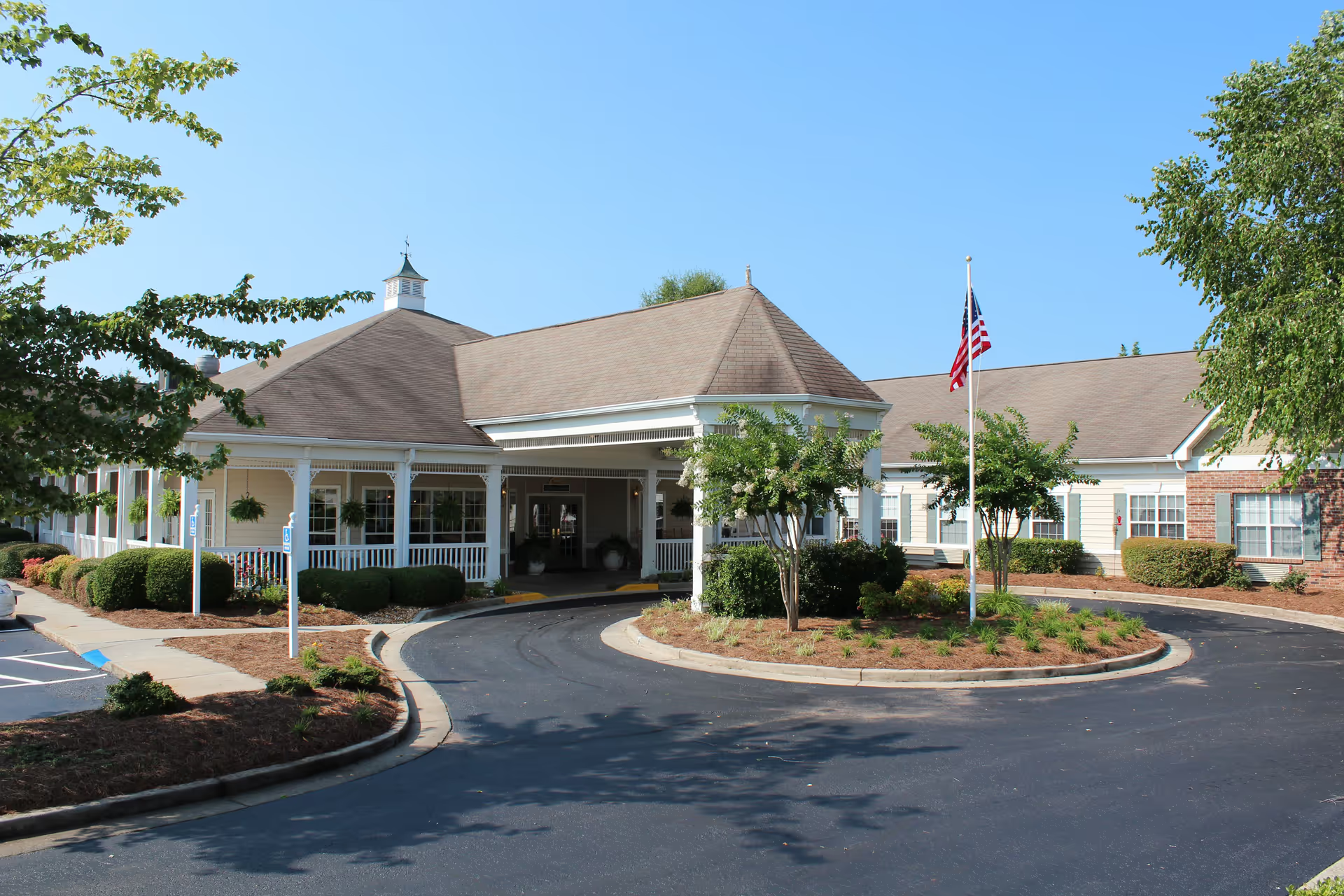
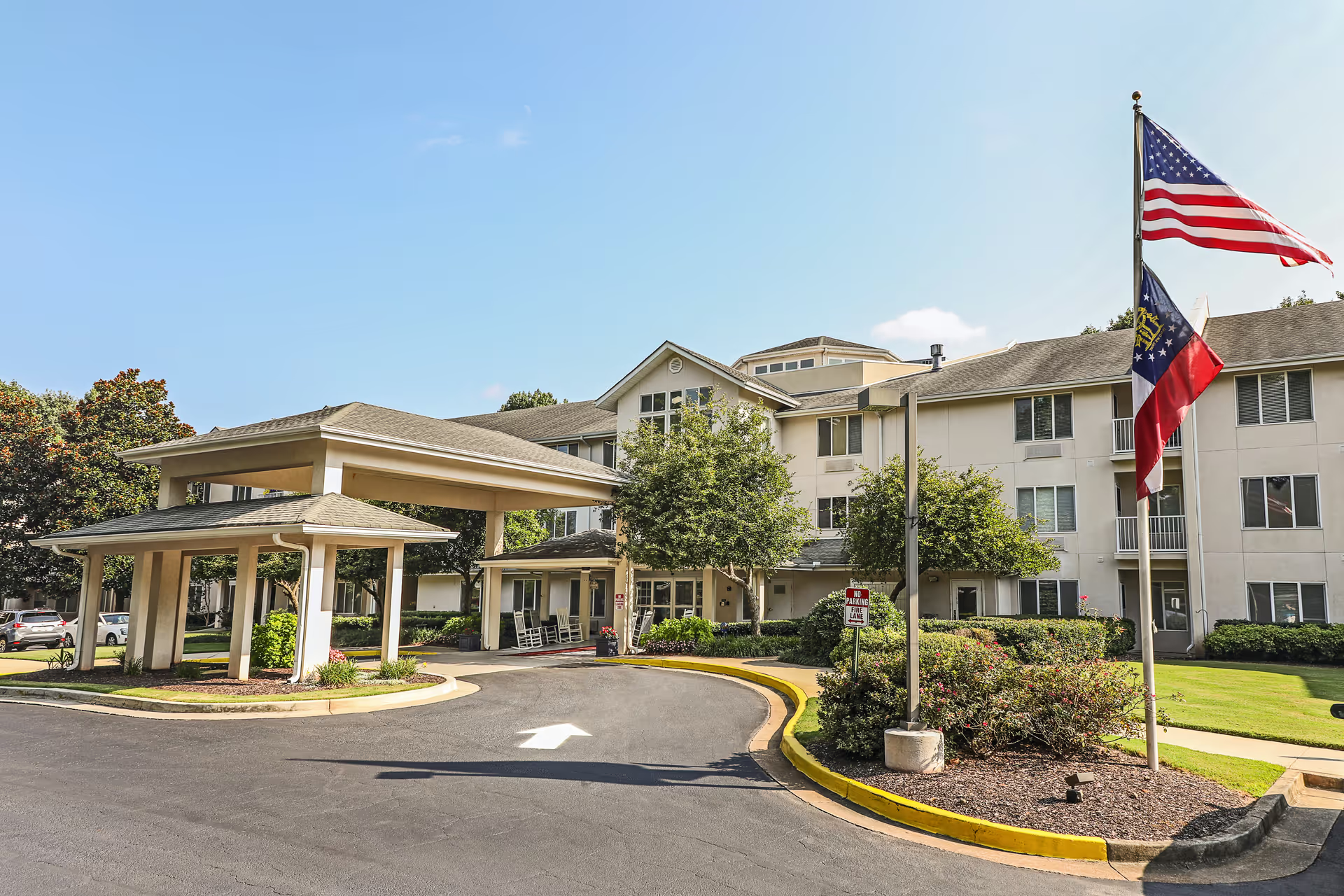
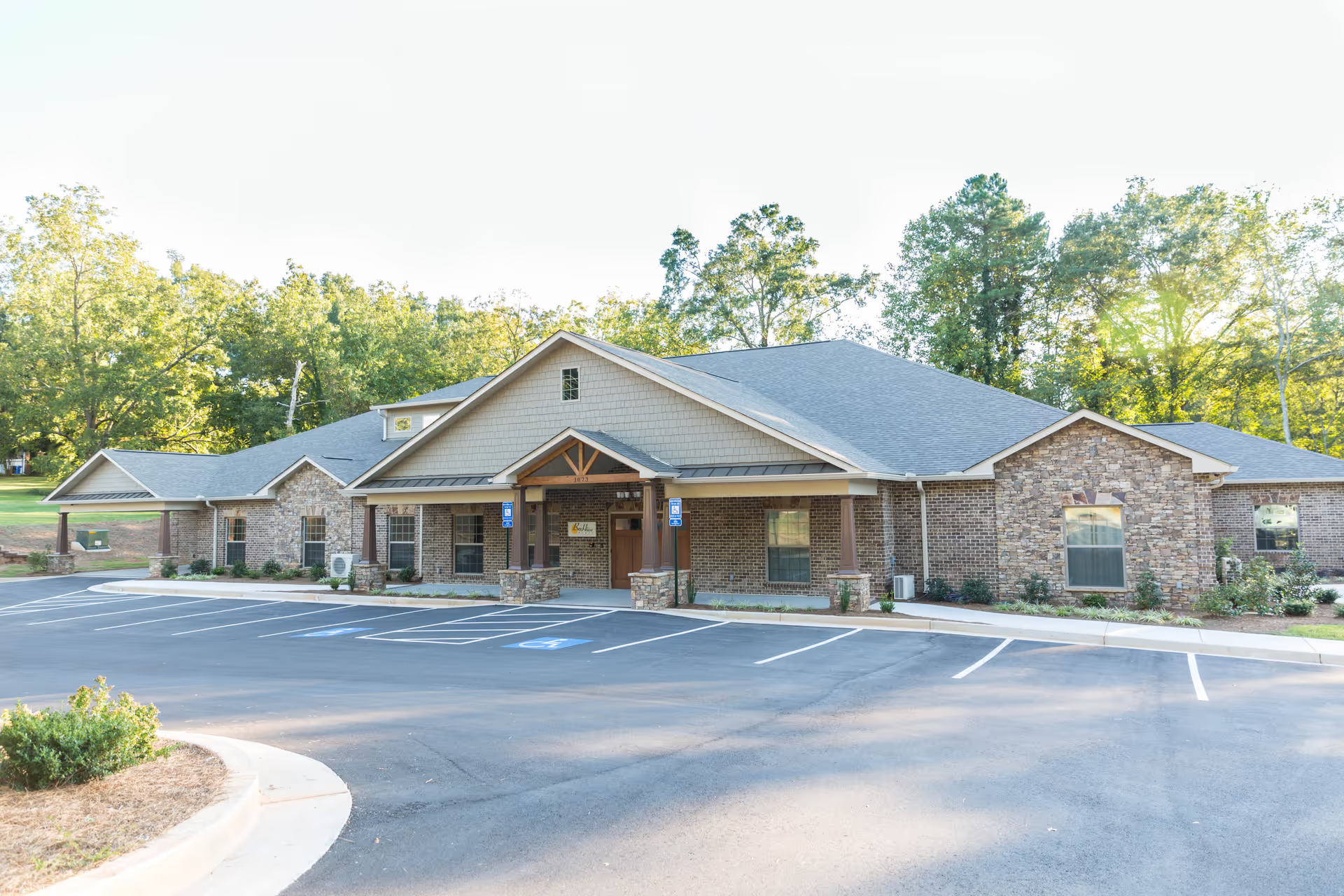
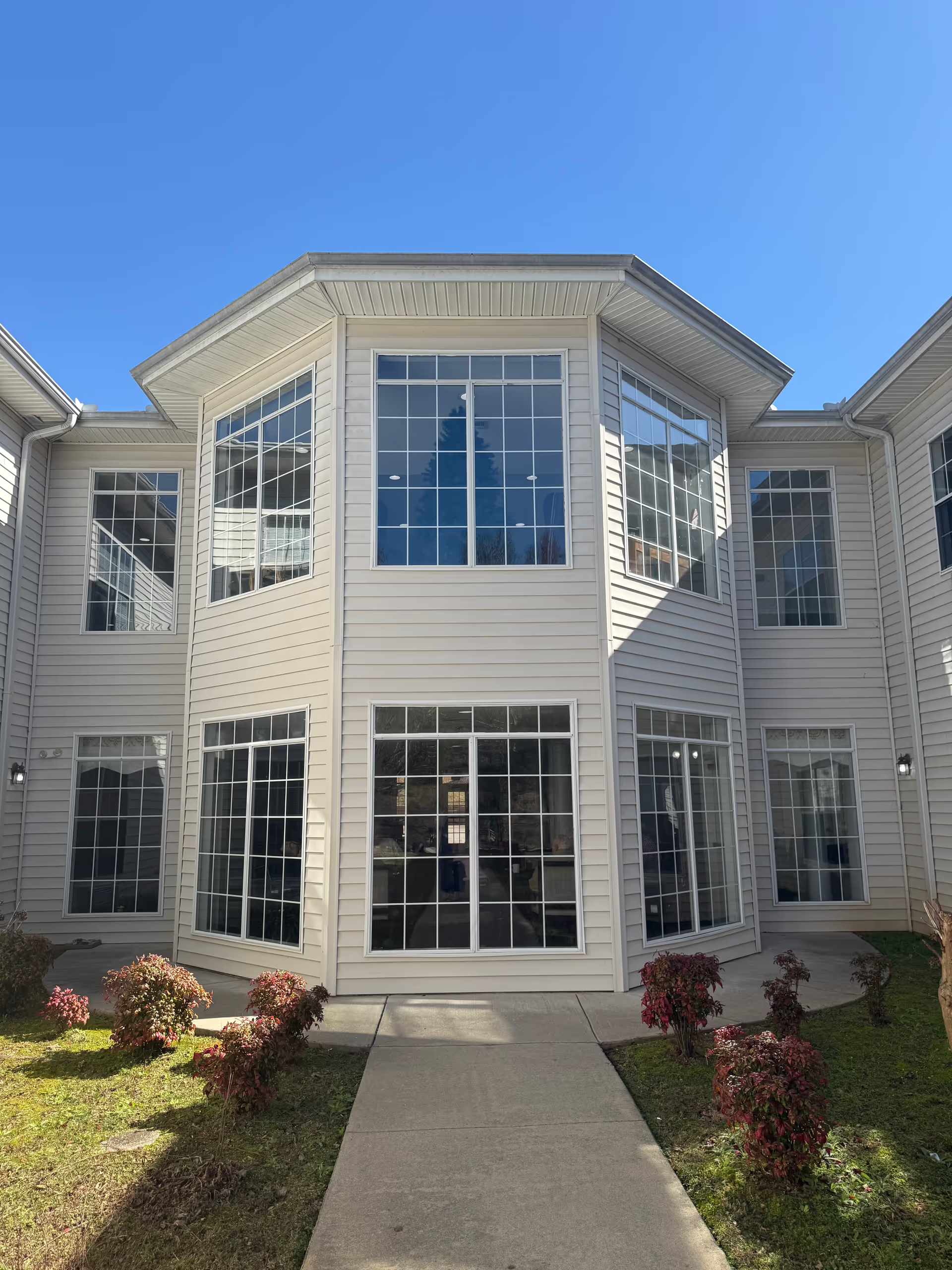
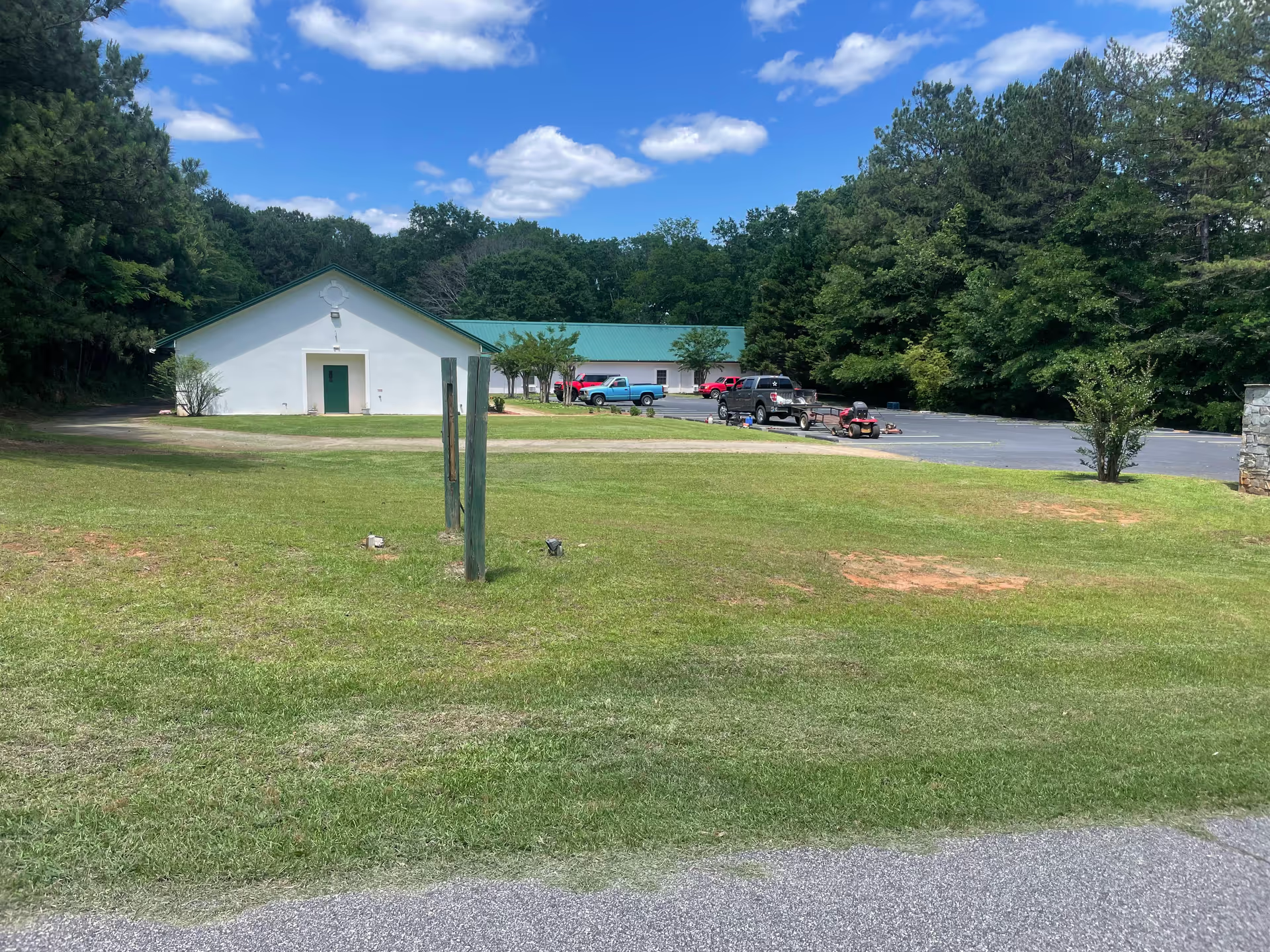
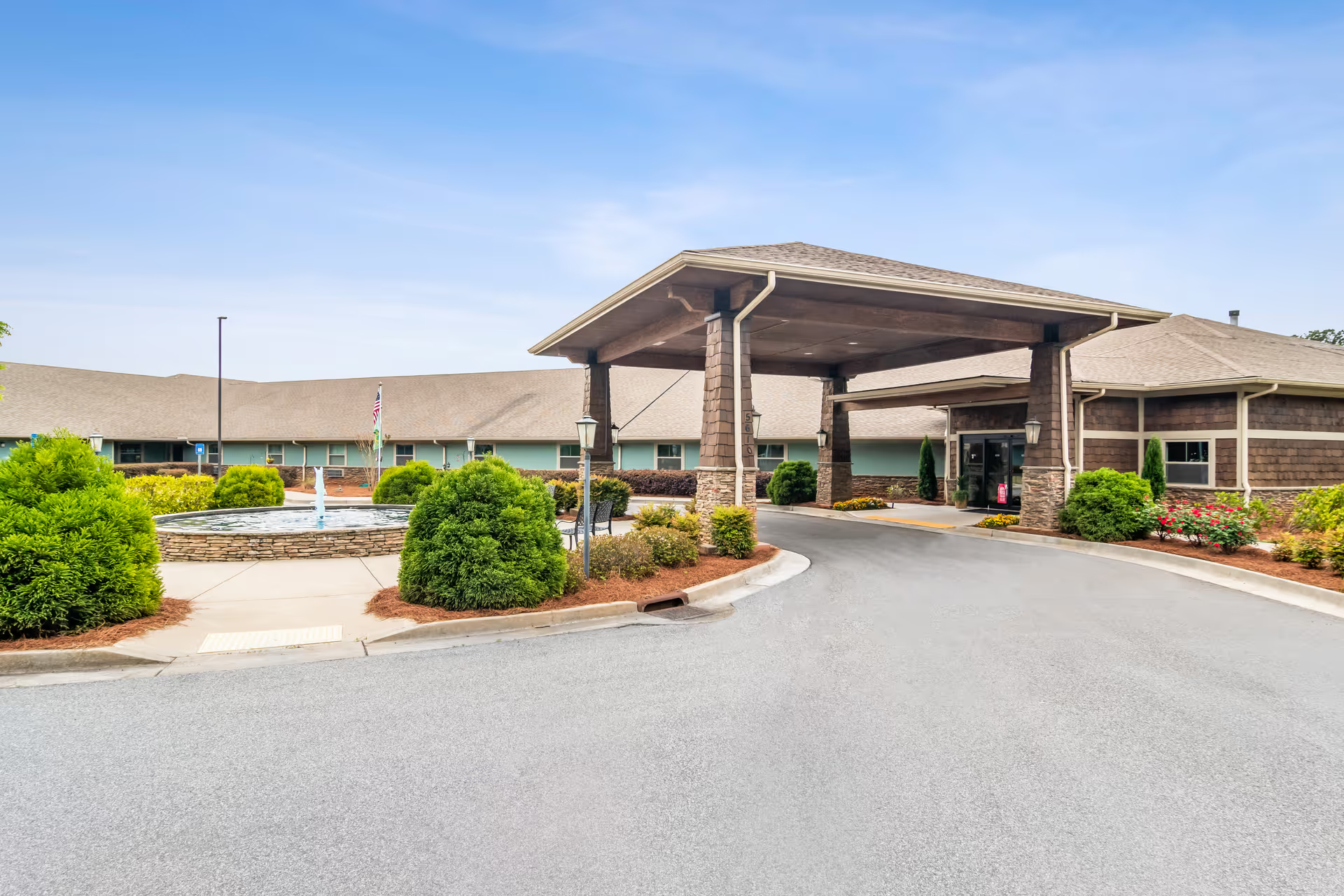
Dining, activities, and amenities The facility's physical environment receives consistent praise: interiors are described as clean and well-maintained, with pleasant courtyards and private/concierge room options available. Activity programming and recreational offerings receive positive mention, though some reviewers felt activity options could be expanded. Dining feedback is mixed to negative overall: menu variety and presentation are acceptable to some, but many described inconsistent meal temperature and texture, limited accommodation for mechanical or therapeutic diets, and intermittent service delays—issues that appear linked to kitchen staffing and service continuity.
Management, communication, and logistics Administrative coordination is a recurrent concern. Families described difficulty reaching the front desk or obtaining timely voicemail responses, inconsistent information from different staff members, and occasional errors in discharge or billing processes. Several reviewers recommended preparing contingency support (for example, private caregiving or closer follow-up) during stays because of variable overnight and weekend coverage. Maintenance and sanitation issues were raised in a subset of reviews, indicating uneven performance across units. Security and nighttime supervision were also flagged as areas for improvement by some families.
Patterns and guidance for families Overall, The Oaks - Limestone appears to be a strong option for short-term rehabilitation when intensive, skilled therapy is the primary need; the therapy team and facility environment are frequently praised. At the same time, persistent operational weaknesses—notably staffing shortages, inconsistent nursing practices, call-response delays, medication and wound-care management gaps, dining inconsistencies, and communication lapses—have created risk points for some residents. Families considering this facility should (1) confirm current staffing levels and night/weekend coverage, (2) ask about medication-safety protocols and wound-care processes, (3) verify dietary accommodations for therapeutic or mechanical diets, (4) assess handoff and discharge coordination procedures, and (5) request direct points of contact for urgent communication. These steps can help align expectations and reduce the likelihood of avoidable care gaps during a stay.