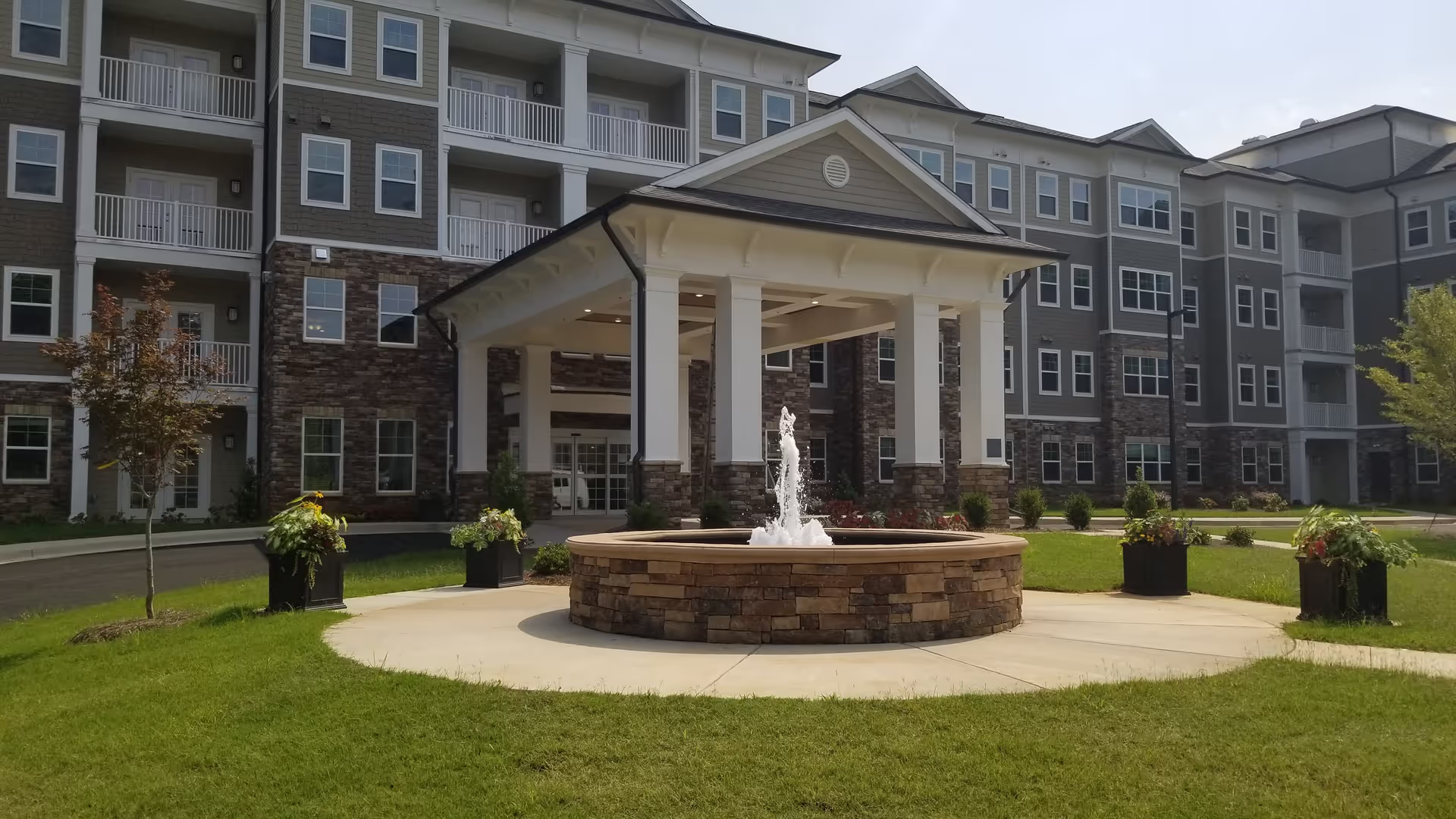
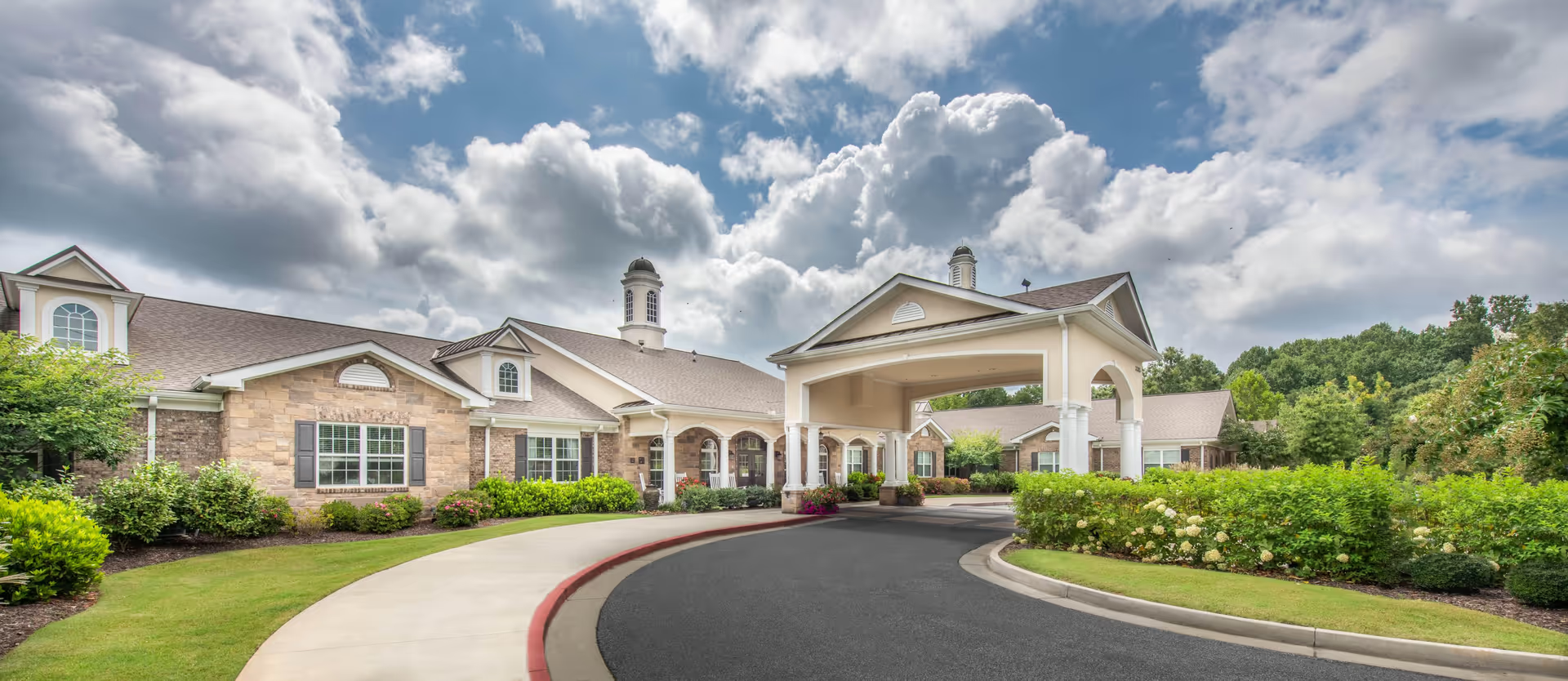
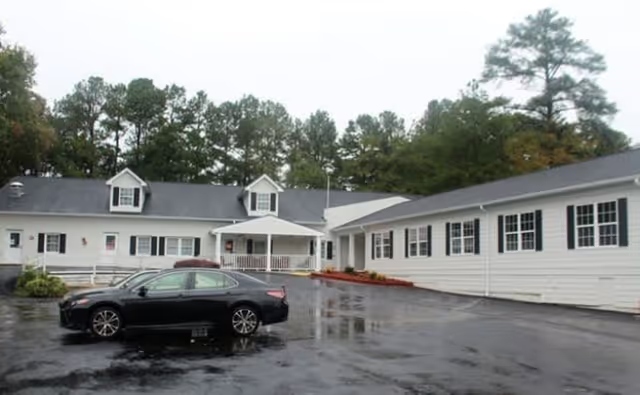
The reviews of Amelia Gardens PCH present a highly polarized picture. Many families describe a small, home-like setting with warm, attentive caregivers and accessible owners who communicate directly with families. These accounts highlight strengths such as personalized attention, continuity of caregivers, effective post-operative and wound-care, structured mealtime routines, and strong hospice/end-of-life support. Several reviewers specifically praised named caregivers for going above and beyond and described the environment as clean, bright, and family-oriented; others praised management accessibility and rapid family updates via text and phone.
At the same time, a set of operational concerns recurs across multiple reviews. Reviewers describe inconsistent staff conduct and communication tone, and some raised questions about staff training and emergency-response readiness. Several accounts imply weaknesses in mobility-assistance and transfer practices, which families saw as a safety risk for residents who require substantial help. Language and communication barriers among direct-care staff are noted as a source of misunderstanding for some families. Dining experiences range from praise for home-style, healthy meals to criticisms about limited breakfast choices and inconsistent meal variety.
Facility-related issues are mixed. While some reviews describe clean, newly renovated interiors and private rooms, others cite maintenance shortfalls (lighting, plumbing, general upkeep), sanitation and pest-control lapses, and occasional odor concerns. Activity programming and social engagement appear inconsistent: some residents participate in bingo and communal activities, while other families reported minimal observed programming and limited encouragement to socialize. Accessibility features such as ramps and wheelchair-accessible bathrooms were noted positively by families with mobility needs, though a few reviewers indicated accessibility gaps in certain rooms or bathrooms.
Management impressions are similarly divided. On-site owners and hands-on managers received positive mentions for responsiveness, flexibility, and financial accommodation in some cases. Conversely, other reviews describe opaque payment and refund practices, concerns about property safeguarding, and difficult interactions with administration. A minority of reviews include serious allegations — including claims of unexplained resident injury and financial misconduct — and reference regulatory involvement; these are significant concerns that prospective families should investigate directly with state agencies and the provider.
Given the range of experiences, prospective residents and families should prioritize an in-person tour and a focused inquiry into operational practices: staff training and emergency protocols, transfer and fall-prevention procedures, pest-control and sanitation processes, visitation policies, financial/refund terms, and how the facility documents and communicates health changes. Speaking directly with current families, observing multiple shifts if possible, and requesting documentation of staff certifications and recent regulatory findings will help clarify whether the facility’s strengths align with an individual resident’s care needs.