East Cobb Center for Nursing and Healing presents as a rehabilitation‑focused facility with a clear strength in therapy services. Reviews repeatedly highlight the quality and intensity of physical and occupational therapy, frequent therapy sessions, well‑equipped therapy gyms, and staff who are motivating and effective in achieving discharge goals. Many families credited the therapy teams with rapid functional gains and successful transitions home. Admissions, front‑desk staff, and several case managers/social workers also receive positive mention for facilitating smooth check‑ins and coordinated discharge planning.
Care and staff performance are described with notable variability. While numerous accounts praise compassionate, attentive nurses, nursing assistants, and specific clinicians, a persistent pattern of understaffing and high workloads emerges as a primary operational concern. That staffing pressure is linked in reviews to long call‑light waits, delayed assistance, and inconsistent completion of routine personal care tasks. Several accounts raise issues about clinical oversight — including medication administration, wound‑care timeliness, and management of pressure injuries and infections — which in some cases led to hospital transfers. Social work and case‑management roles are often noted as a corrective factor when present and engaged.
Dining and activities are generally strong points, though opinions on food quality are mixed. The facility runs an active recreational program (game nights, crafts, therapy‑dog visits, gardening clubs, weekly entertainment) that many residents find engaging and restorative. Meal service receives both praise (plentiful portions, accommodating dietary needs) and criticism (limited variety, heavy on carbohydrates, uneven quality), suggesting inconsistency in kitchen output or expectations.
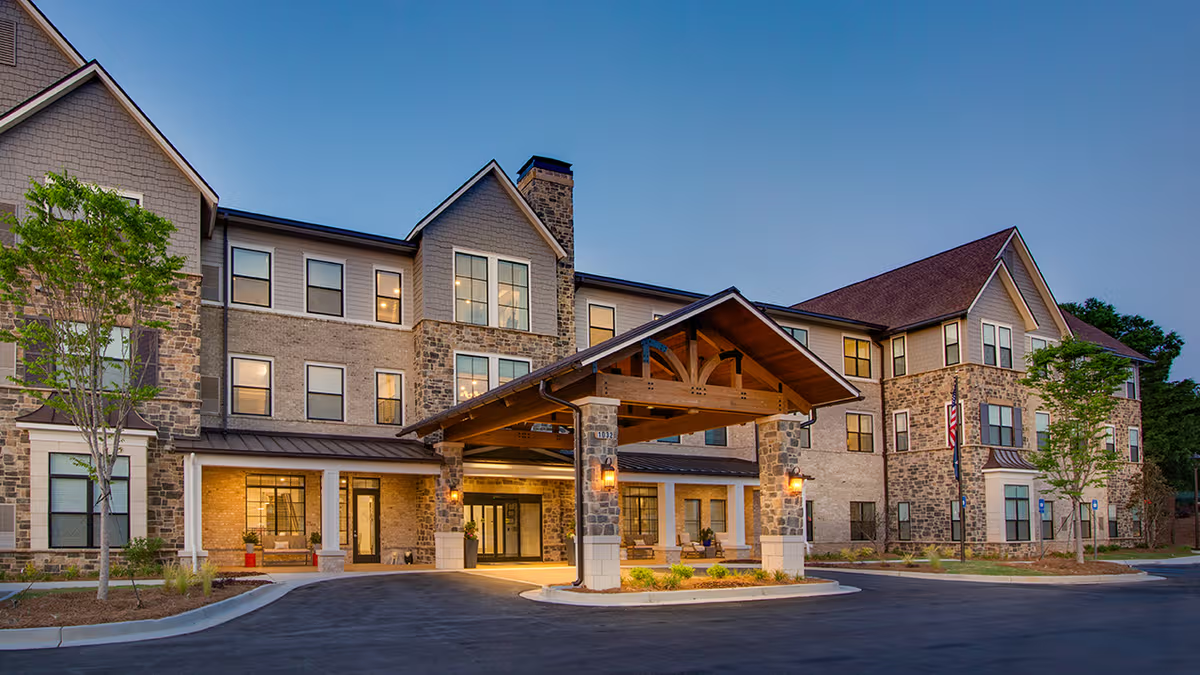
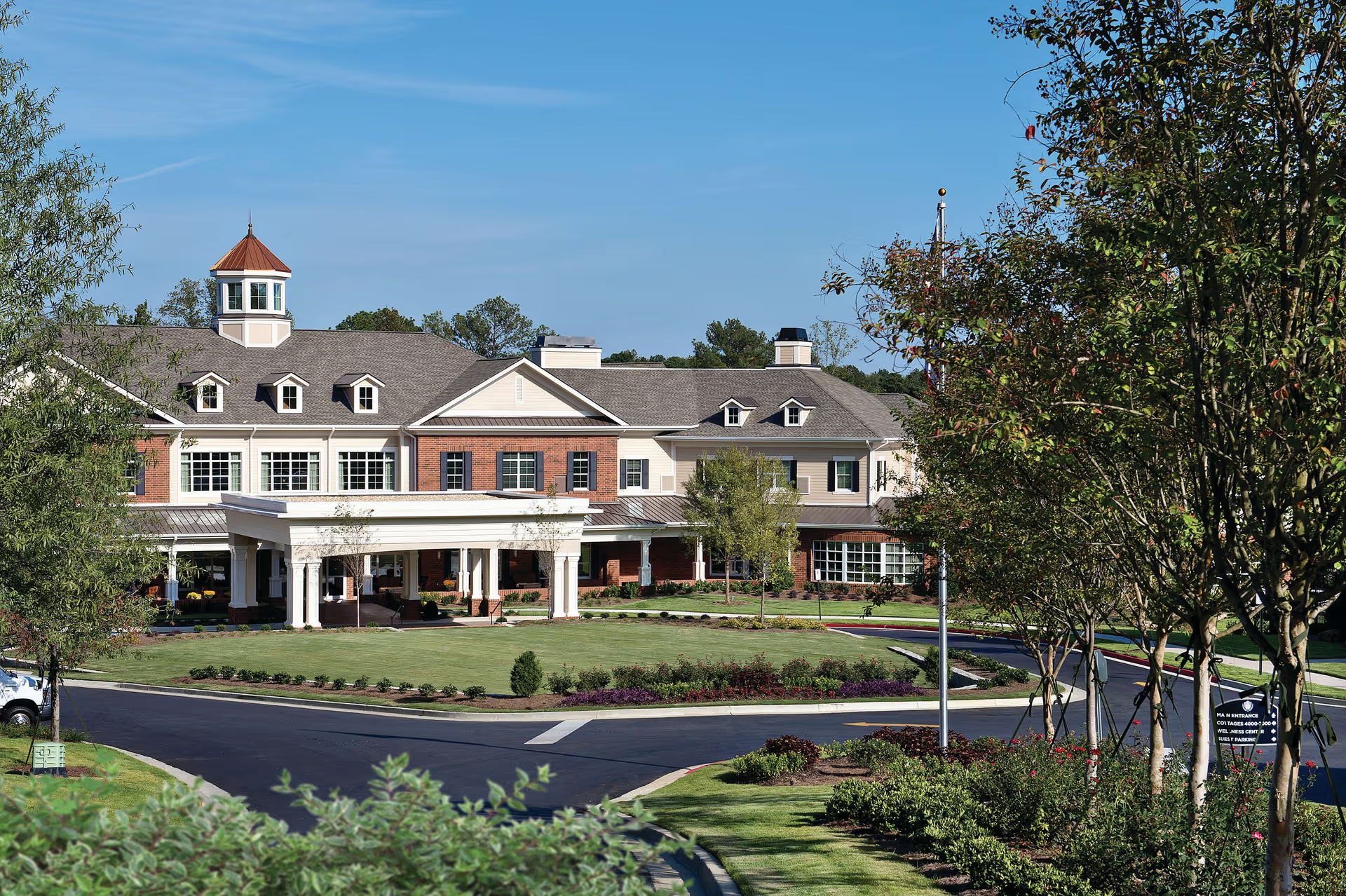
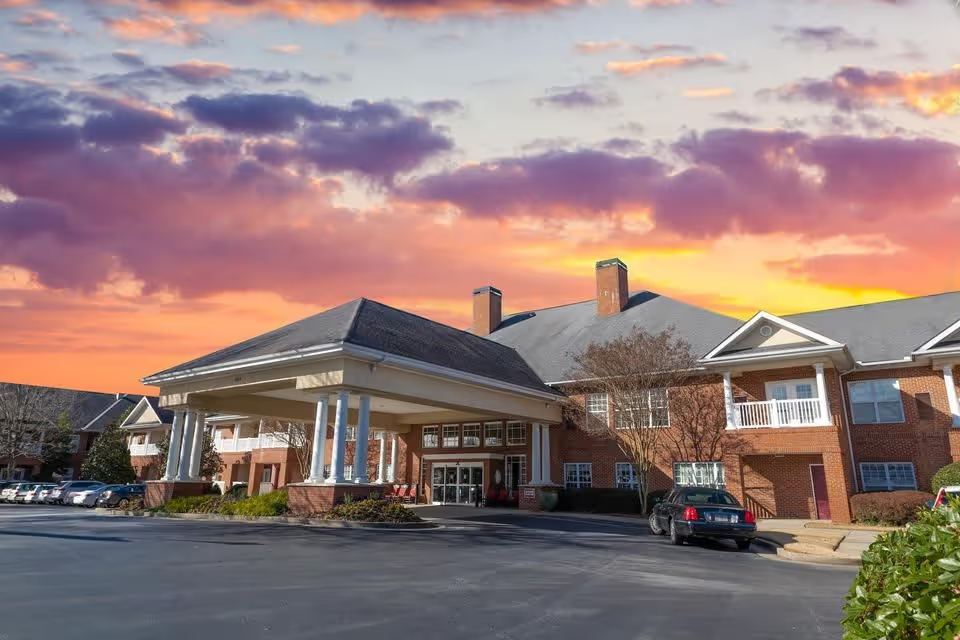
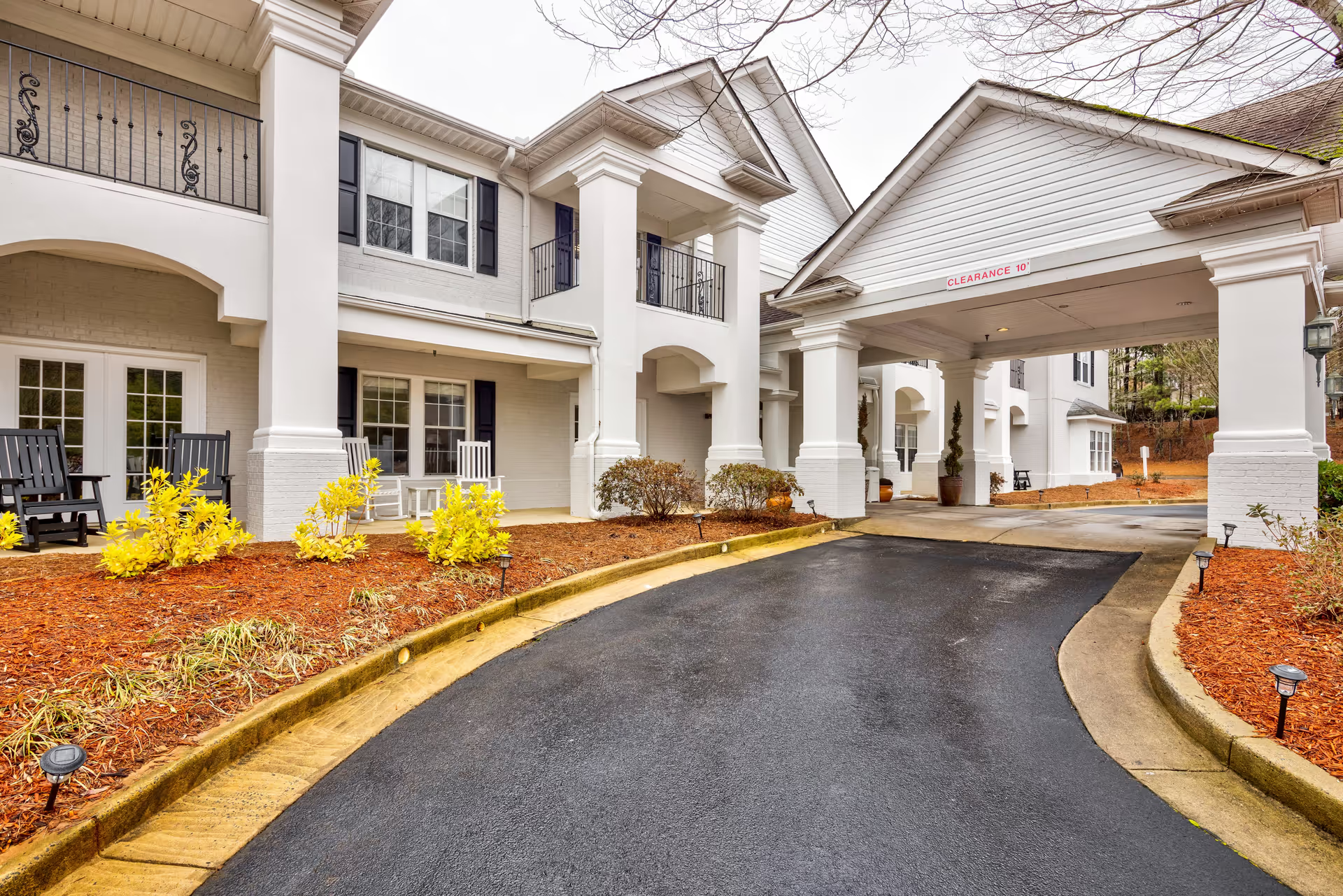
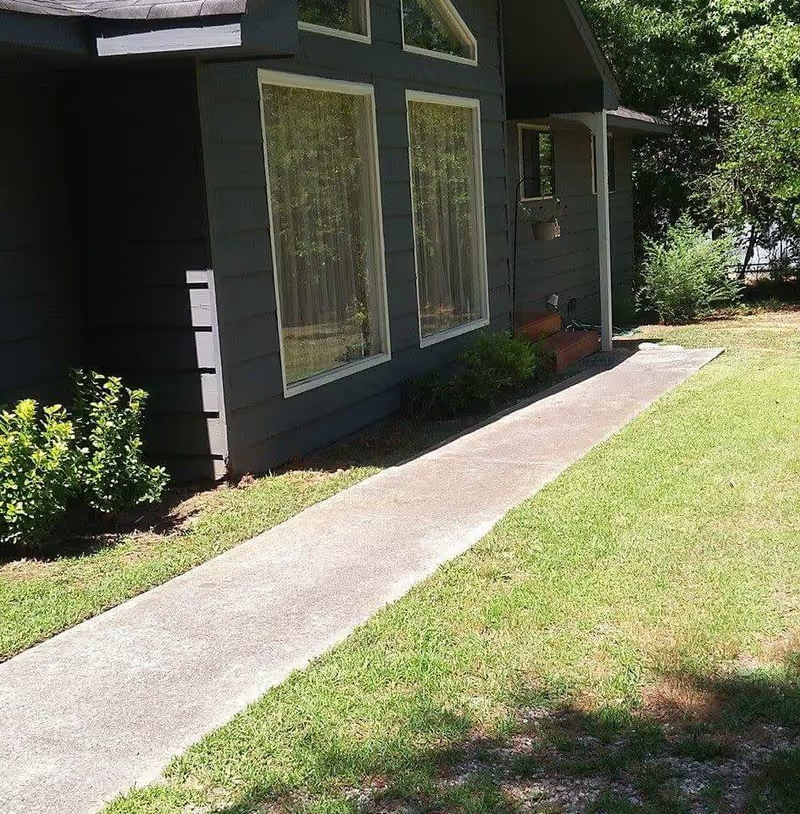
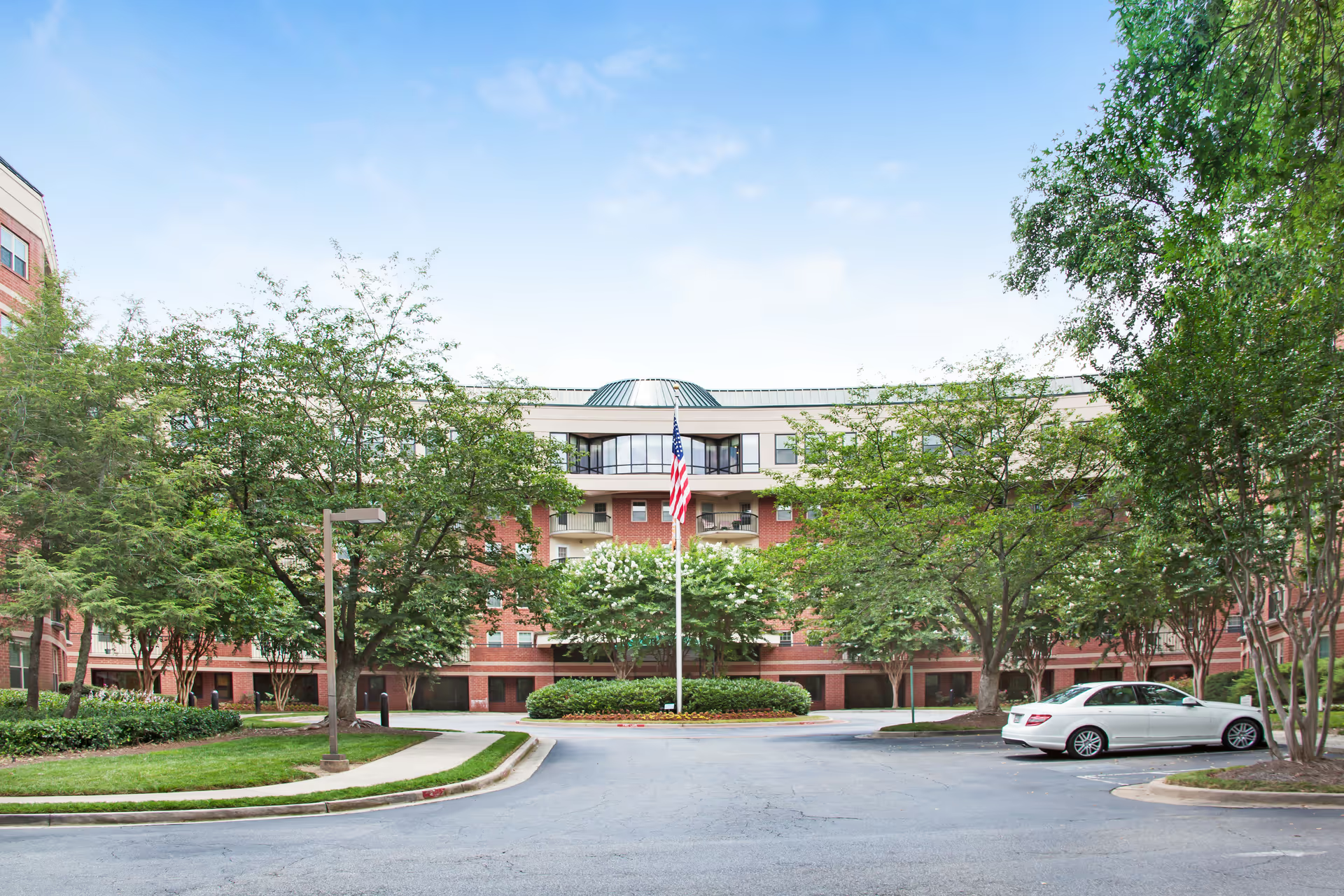
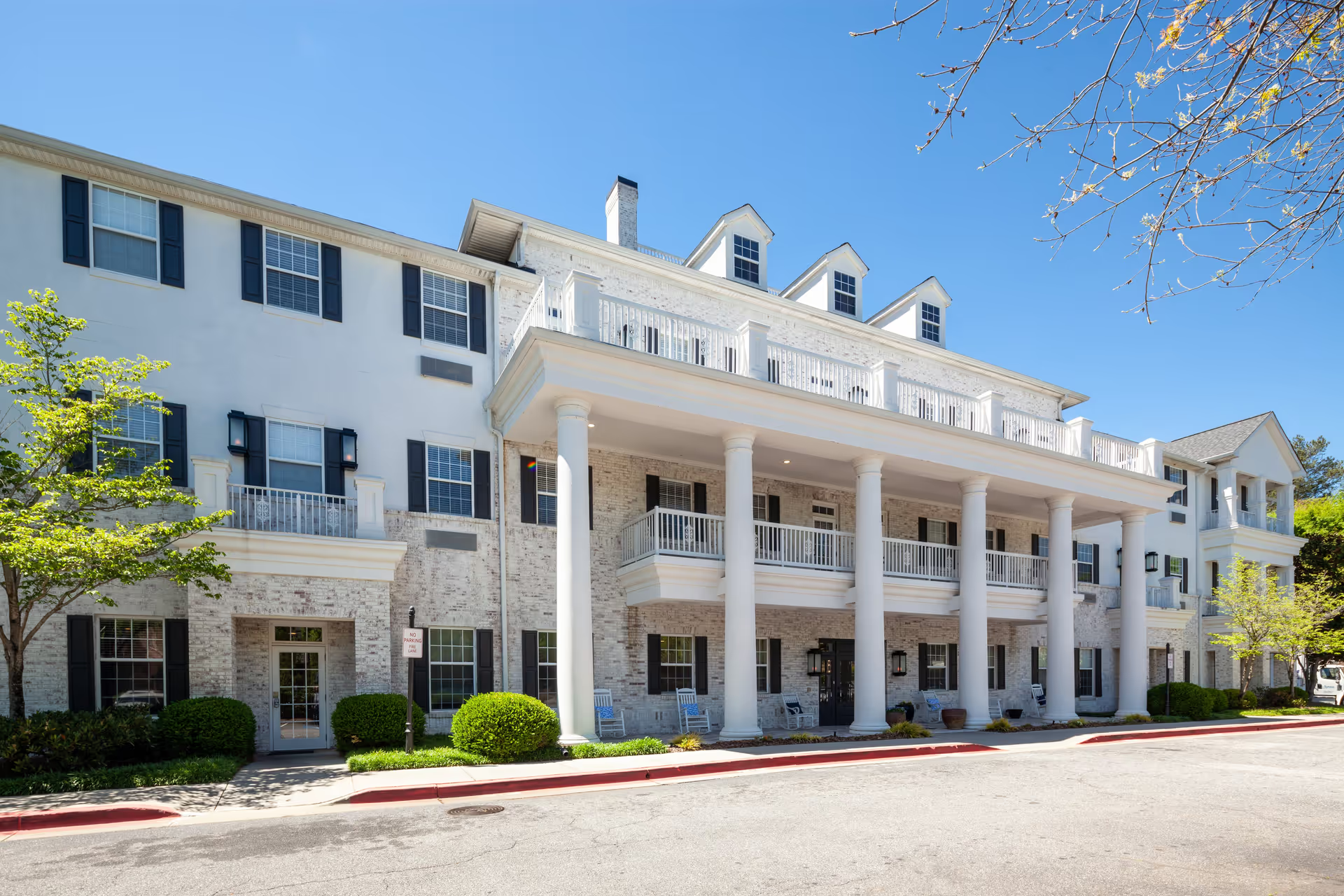
The physical plant is described as clean and well maintained in many areas, with pleasant outdoor spaces and private rooms available. At the same time, the building is repeatedly described as older and in need of cosmetic updating in places; reviewers also describe intermittent sanitation or odor concerns localized to specific units or common areas. The facility’s visitor security and check‑in technology are often cited positively.
Management and administrative performance show mixed signals. Several families praise individual leaders, discharge coordinators, and admissions personnel for clear communication and effective problem solving. However, a number of reviews describe systemic administrative problems — delays or difficulty accessing medical records, billing and insurance issues, and inconsistent discharge notifications or coordination. There are also serious, isolated allegations in reviews about documentation integrity and personnel conduct; these items are not representative of the general praise but warrant targeted follow‑up by prospective families and regulators.
Notable patterns to guide decision making: the center appears well suited for time‑limited, rehab‑oriented stays where therapy intensity is the priority and case management is actively engaged. For residents with complex long‑term medical needs or significant cognitive impairment, reviewers raised concerns about the facility’s consistent ability to provide reliable day‑to‑day nursing care. Prospective residents and family members should prioritize direct questions about current staffing ratios (including weekend coverage), wound‑care and infection‑control protocols, specific measures for pressure‑injury prevention and management, and recent administrative/records practices. A site visit during both weekday and weekend hours and direct discussion with therapy, nursing leadership, and the social‑work team will help clarify whether the facility’s strengths align with the prospective resident’s needs.