Overall impression: Reviews describe a facility with clear strengths in interpersonal care, a strong family atmosphere, and a robust activity program, but also persistent operational weaknesses that affect clinical continuity and facilities upkeep. Many families praised individual staff members, the small-community feel, cleanliness of interior spaces, and the variety of social and therapeutic programs. In contrast, a recurring set of concerns centers on staffing stability, clinical follow-through, supply and medication controls, and exterior maintenance.
Care and clinical issues: Care quality appears mixed. Numerous accounts praise attentive nurses and caregivers who provide realistic daily updates and contribute to measurable improvements (for example, improved lab values and weight stabilization). Dementia-specific supports such as music therapy, Bible study, and family support groups are noted as beneficial. However, reviews also describe gaps in clinical follow-up—missed or delayed attention to medical needs, inconsistent personal-care follow-through, and lapses in medication and supply management. Those operational weaknesses have, in at least one instance, led a family to file a complaint with state authorities. Prospective families should ask about current nursing coverage, medication administration processes, and documentation practices when evaluating the community.
Staff and management: Staff dedication is a prominent positive theme; several reviews call out individual employees and leadership who are perceived as accommodating and compassionate. At the same time, many families described significant staff turnover and periods of leadership change that corresponded with declines in consistency of care. Where a stable executive director or engaged business office staff are present, reviewers reported improvements; where management has been in flux, reviewers noted gaps and decreased confidence. Stability of leadership and staffing appears to be an important driver of resident experience at this site.
Dining and activities: Dining and programming are generally viewed favorably. Multiple reviewers mentioned three meals daily, good food, and appetizing presentation. The community offers a range of activities—bible studies, crafts, bingo, exercise classes, and music therapy—with particular value noted for dementia-focused offerings and family support groups. Activity variety is a strength for social engagement in this small community, though families who prefer larger facilities with more extensive common spaces may find options limited.
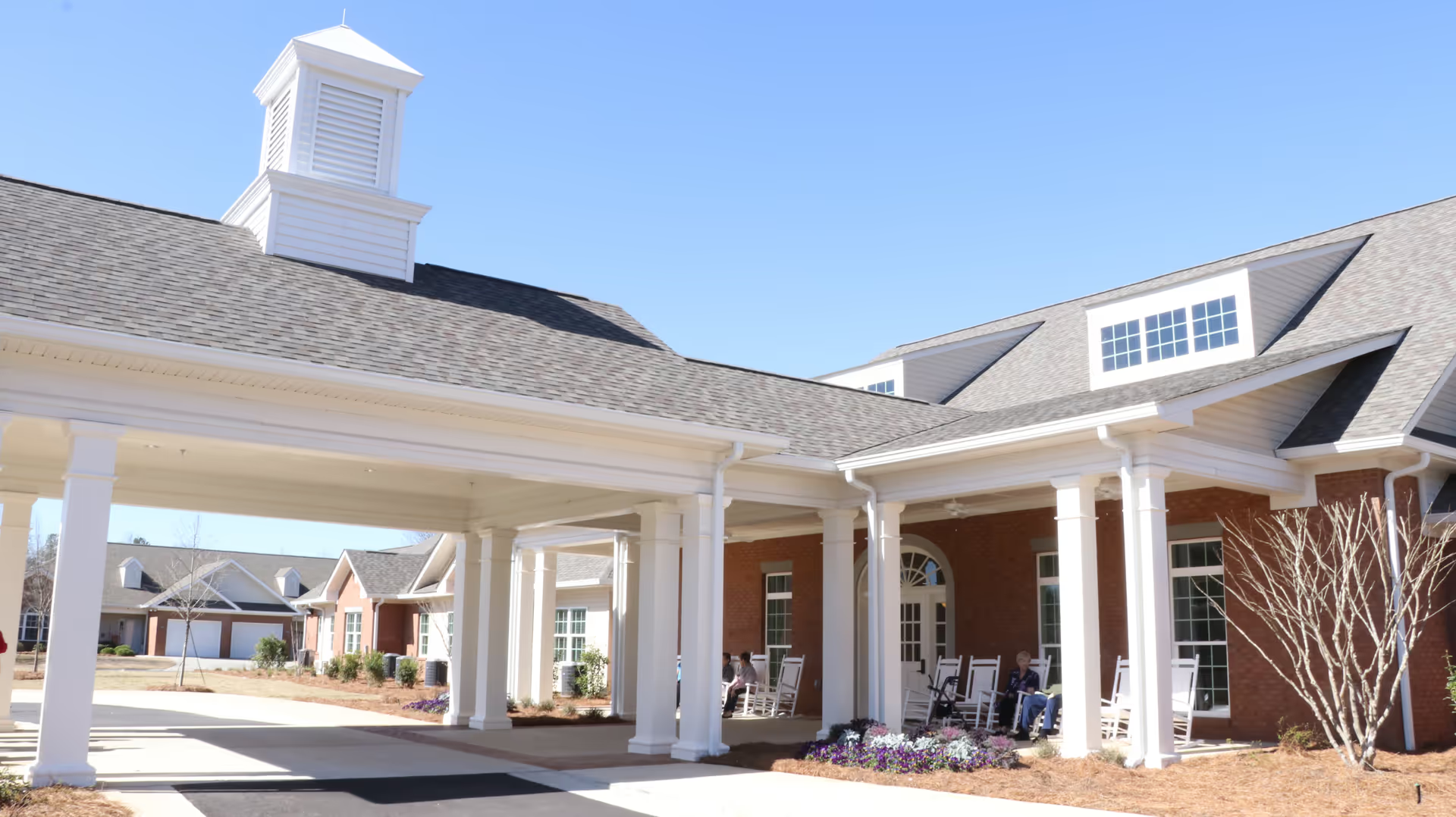
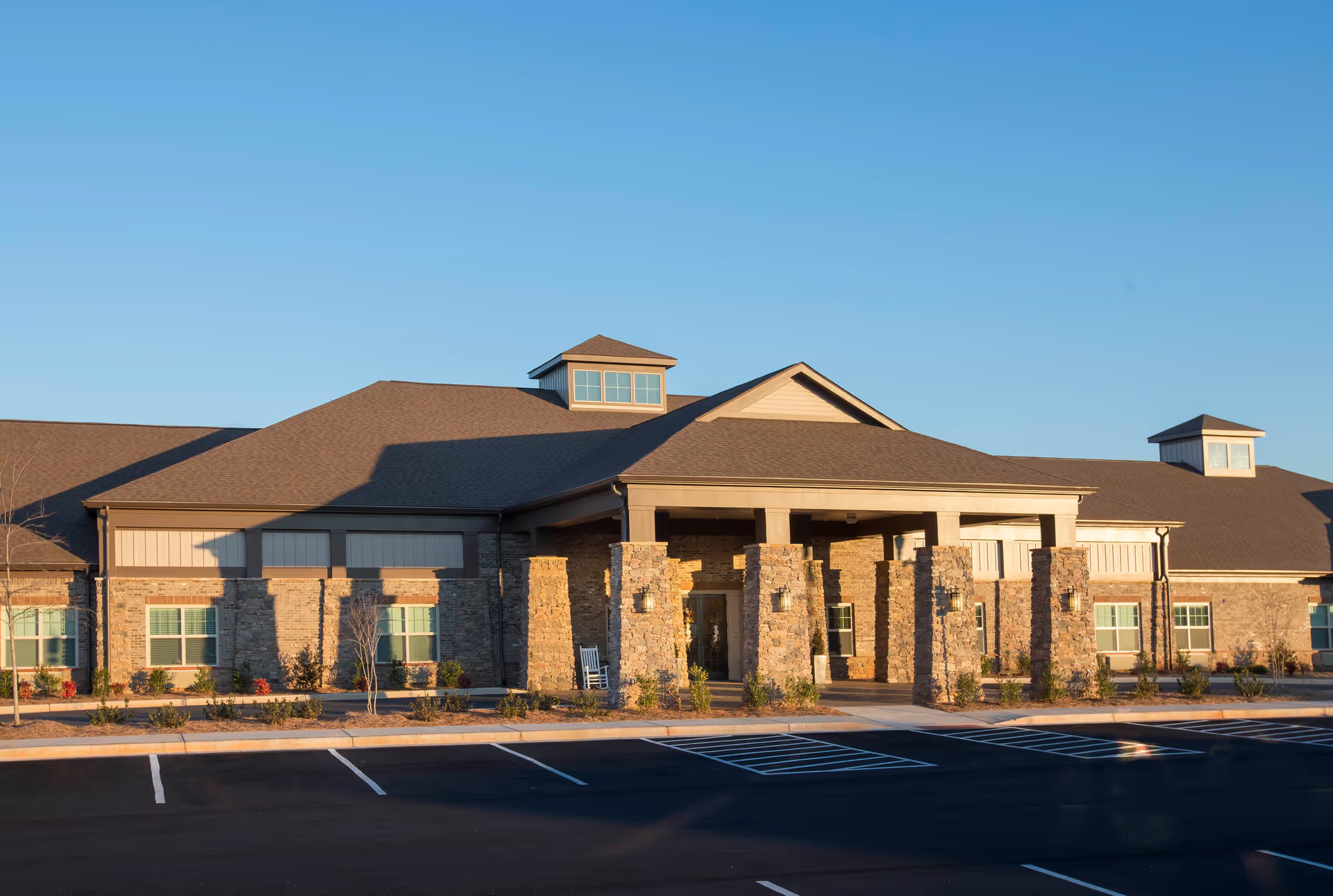
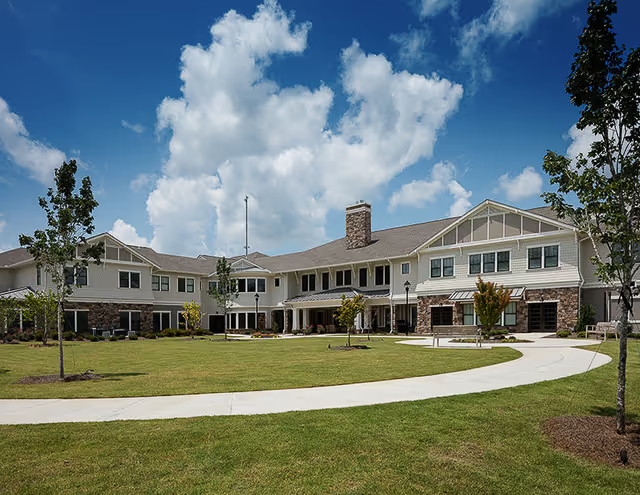
Facilities and maintenance: Interior cleanliness and unit condition receive consistent praise; one-bedroom apartments and dining areas are frequently described as clean and well-kept. At the same time, reviewers identified deficits in exterior maintenance and groundskeeping (gutters and outdoor upkeep) and noted that the facility has limited common-area space and smaller rooms with older décor. There are also reports of slow response times for equipment retrieval and occasional issues obtaining supplies. Prospective residents should inspect both interior and exterior conditions and ask about the maintenance schedule and preventive upkeep plans.
Notable patterns and advice for families: The overall picture is polarized—many families describe an excellent, caring environment where residents thrive socially and emotionally, while others experienced operational failures that affected clinical care and safety devices. Because this community is relatively small, staffing and leadership changes appear to have an outsized impact on resident experience. When evaluating Savannah Court of Milledgeville, visitors should tour in person, ask about current staffing ratios and tenure, review medication- and supply-management protocols, inquire about emergency-response times and life-safety device management, and request recent inspection or complaint history. Where strong leadership and stable staff are present, reviewers report a warm, family-oriented community with good meals and meaningful activities; where those elements are lacking, families reported meaningful gaps in care and responsiveness.