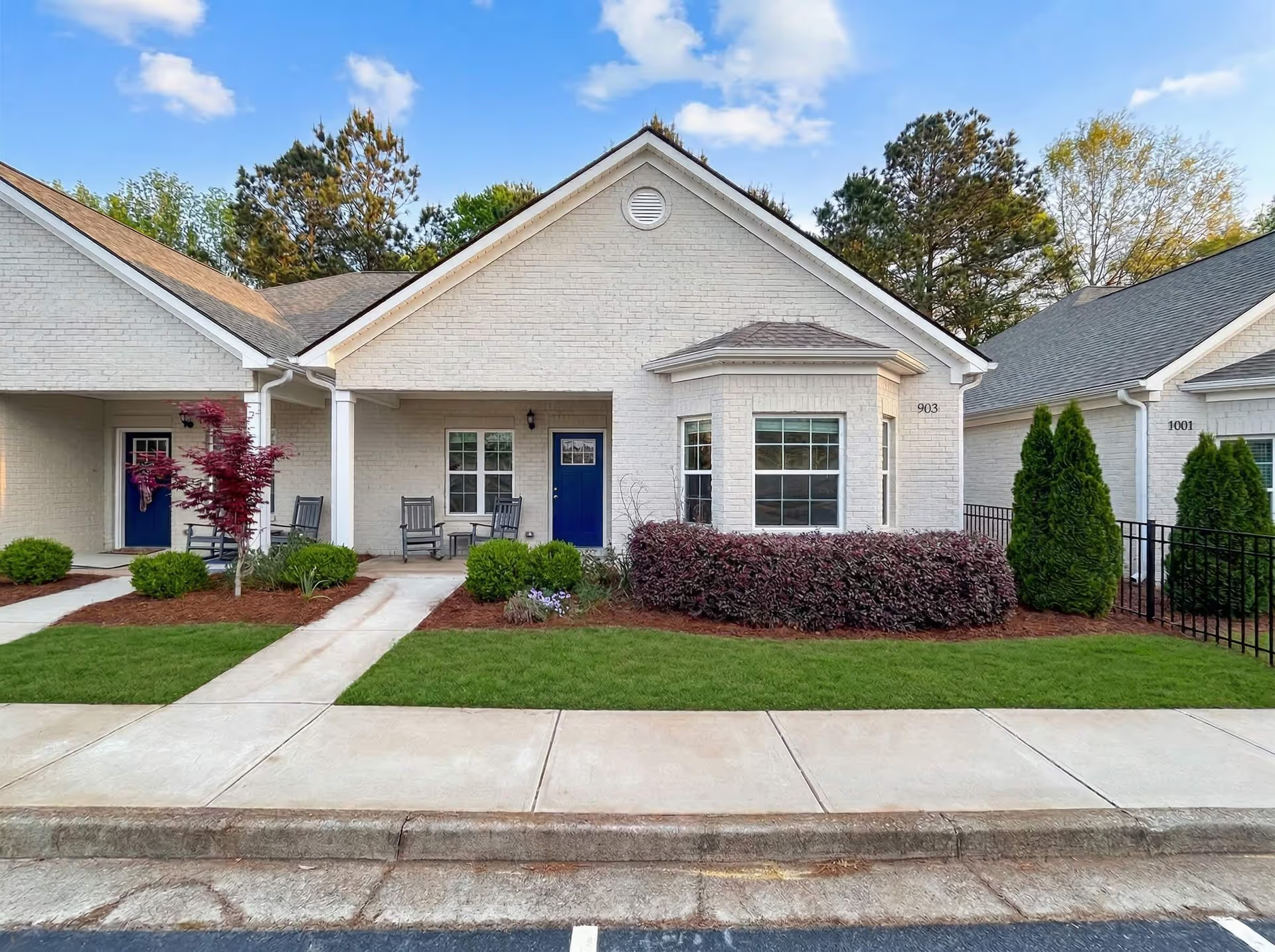
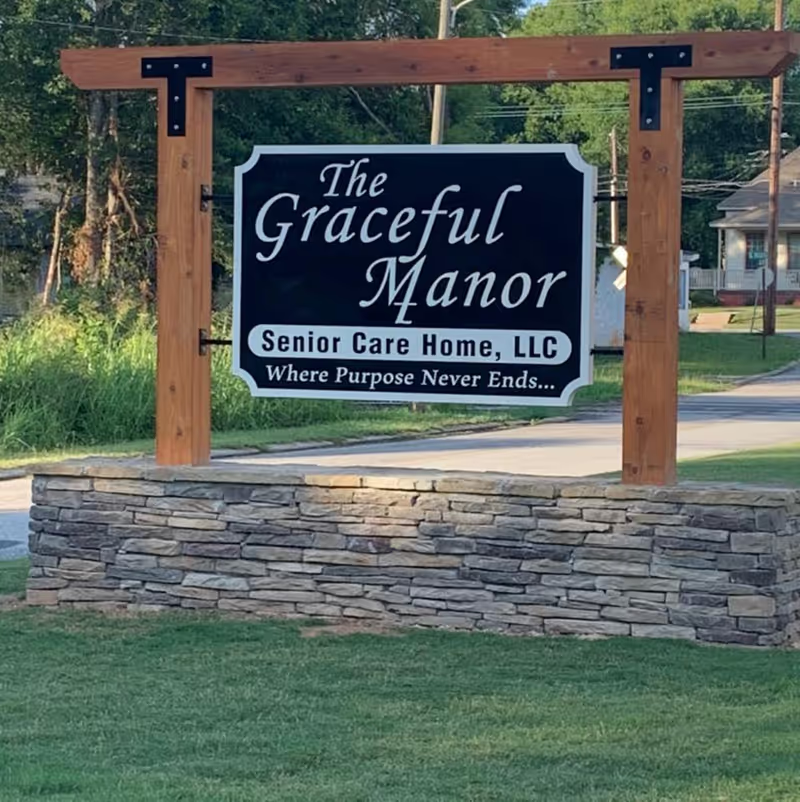
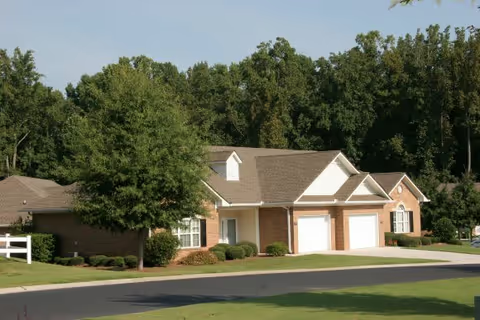
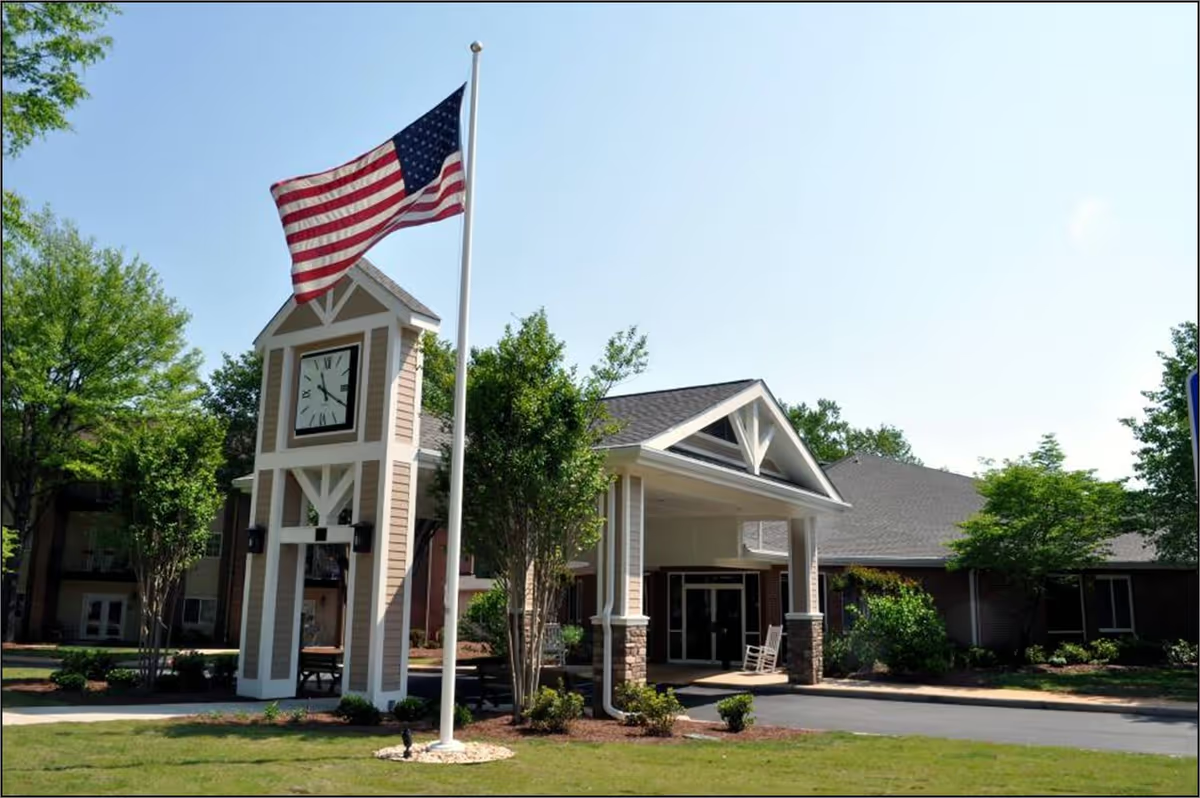
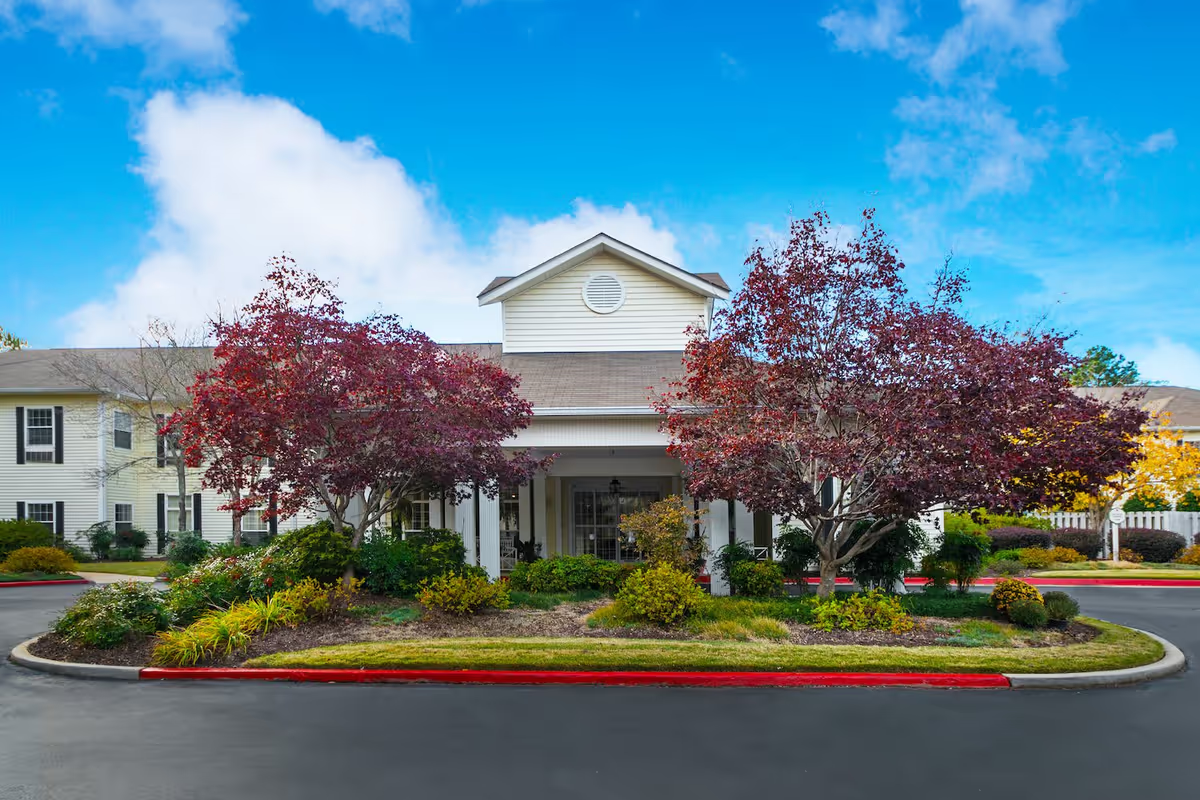
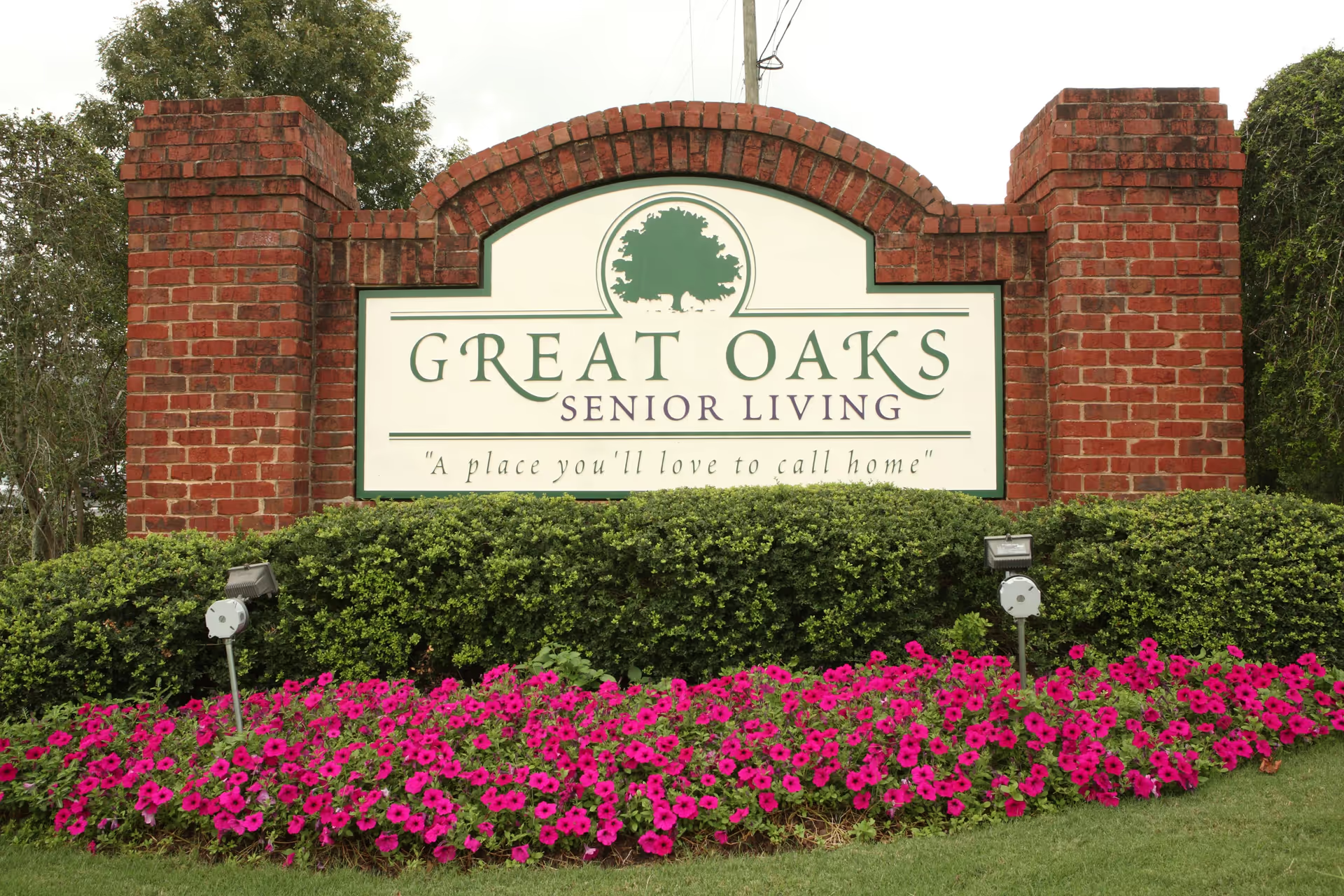
The reviews describe a facility with a mix of positive front-line caregiving and significant operational challenges. Direct-care staff are frequently described as caring and attentive; multiple commentators highlight positive staff–resident interactions and note that the facility can be a good place for staff to gain experience. At the same time, reviewers raise concerns about consistency of clinical leadership and supervision, with comments indicating role clarity issues between licensed nurses and medication technicians.
Care-quality themes are mixed. Praise centers on compassionate direct-care workers and individualized attention from certain employees. Concerns focus on gaps in clinical oversight, responsiveness to emerging clinical needs, and the facility’s ability to place or transition residents whose acuity may require a higher level of care (nursing-home or hospice services). There are also specific, serious allegations regarding bed-placement decisions tied to end-of-life situations; these warrant direct inquiry and, if applicable, review of documentation and facility policies.
Dining and daily services receive critical mention. Several reviewers characterize the food as inadequate for restricted diets and inconsistent with therapeutic dietary needs. Activities are not discussed in detail in the summaries provided; reviewers emphasize operational and care concerns more than programming. Prospective families should ask about menu planning, diet accommodations, and opportunities for resident engagement during a tour.
Facility and maintenance issues include delayed repairs (notably HVAC problems) and sanitation concerns in some areas. Administrative responsiveness is a recurring theme: reviewers cite slow callbacks from administrators, delays in addressing maintenance requests, and perceptions that administrative priorities may be financially driven rather than care driven. Staffing and human-resources matters are also highlighted — low pay, limited benefits, and perceived unfair treatment of employees are linked to staffing instability and potential turnover, which can affect continuity of care.
Management-related commentary is mixed. Some reviewers report new leadership that is actively focusing on restoring resident-centered care and striving to improve the community. Others perceive the administration as unresponsive or insufficiently engaged with family concerns. Given this divergence, it is reasonable for prospective residents and families to ask about recent leadership changes, staff retention rates, turnover among licensed nurses, and any quality-improvement initiatives currently underway.
Overall, the pattern from these summaries suggests a facility with strong direct-care personnel but notable operational weaknesses in clinical oversight, administrative responsiveness, facility maintenance, dietary services, and workforce stability. Families considering this community should conduct an on-site assessment: observe staff–resident interactions, review current nursing staffing and supervision models, inspect cleanliness and maintenance responsiveness, sample menus for dietary accommodations, and request recent inspection reports and documentation on changes enacted by new management.