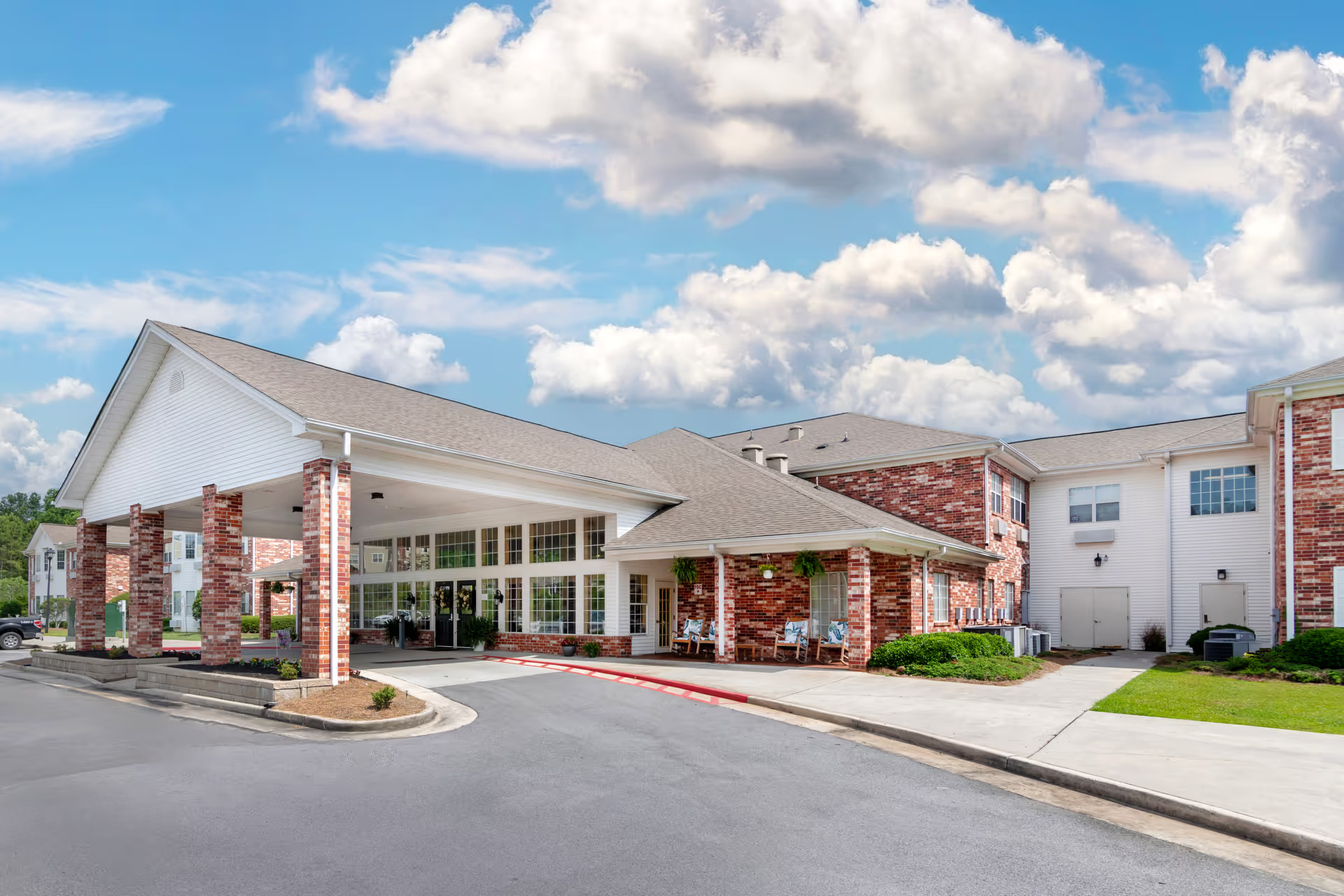
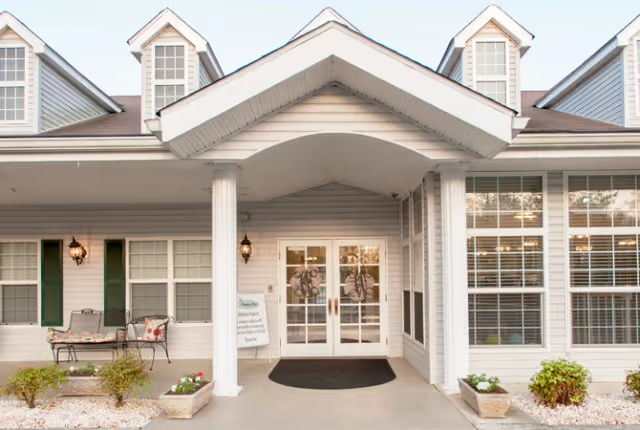
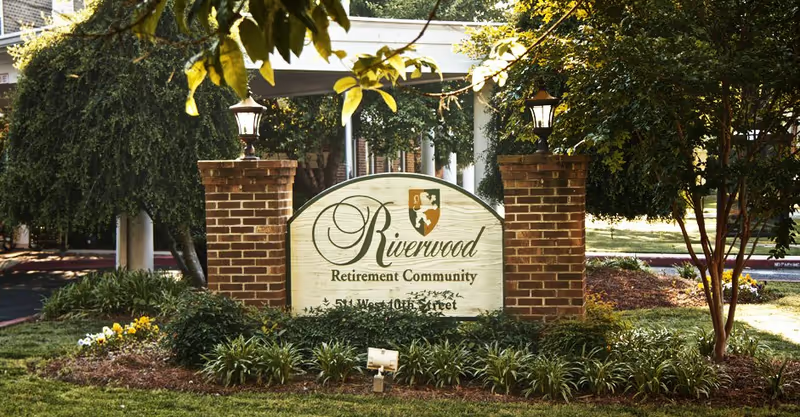
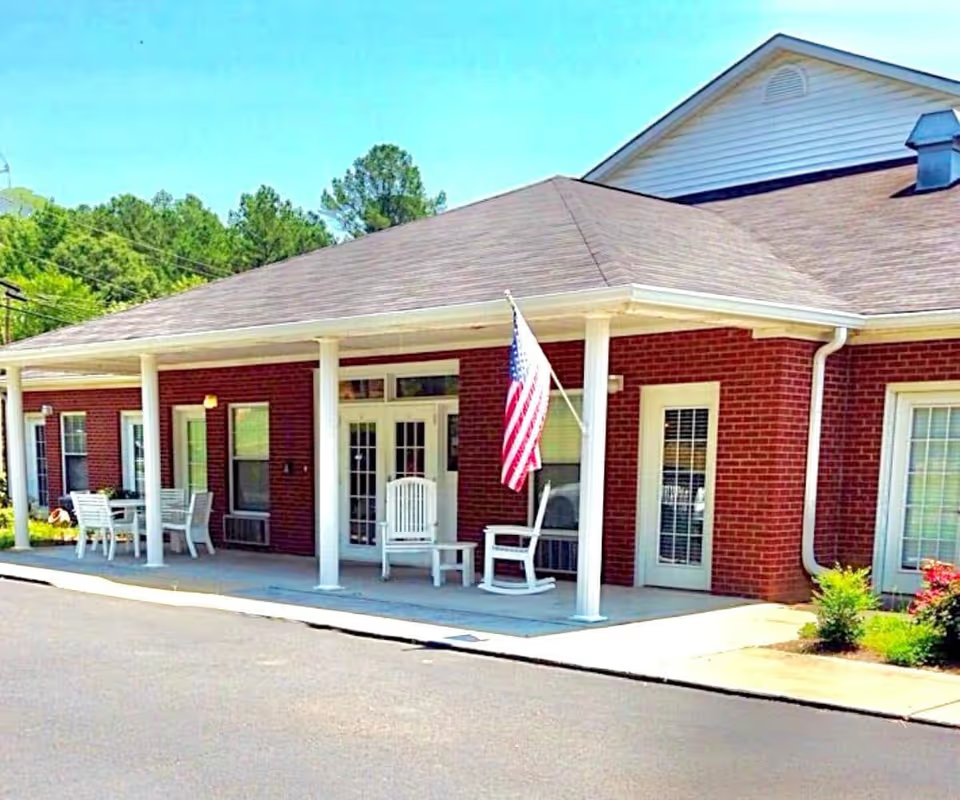
Reviews present a mixed picture of Harborview Rome with clear strengths in direct caregiving and community life alongside recurring operational concerns. Many reviewers praised individual caregivers — nurses, CNAs, and support staff — for compassion, familiarity with residents, and responsiveness. Families frequently described a welcoming, family-like atmosphere, engaging activities and events, and comfortable resident rooms that contribute to a meaningful quality of life for long-term residents. Rehabilitation services including physical and occupational therapy and wound-care resources were noted as available and useful by several families.
At the same time, a pattern of facility-level weaknesses appears across multiple accounts. Staffing variability, especially on night shifts, and limited supervision have been linked to delays in routine care tasks and concerns about responsiveness. Several reviewers highlighted issues with medication handling and controlled-substance protocols, which suggests room for improvement in pharmaceutical controls and nursing oversight. There are also repeated sanitation and pest-control concerns alongside descriptions of deferred maintenance (aging heating, bed and window issues), indicating the physical plant and environmental services need closer management attention.
Safety and clinical process issues were also raised. Reviews included concerns about fall-prevention practices, bed security, wound and skin-care continuity, and missed rounds or medication errors — all of which point to opportunities to strengthen care protocols and monitoring. Dining and meal handling were described inconsistently: some families praised food and service, while others noted mishandled meals and variable quality. Rehabilitation outcomes were reported as strong in some stays and poor in others, suggesting inconsistency in therapy coordination or expectations around the rehab pathway.
Communication and management practices show similarly mixed impressions. Several families described accessible, responsive leadership and timely resolution of minor problems, while others reported weak incident escalation, limited follow-up from administration, and strained communication during critical events, including end-of-life transitions. A small but significant subset of reviews raised serious concerns such as alleged staff misconduct, property mishandling, privacy/workplace-safety issues, and outcomes that prompted transfers; these items warrant further investigation by prospective families and by oversight entities.
Recommendation: Prospective residents and families should weigh the facility's demonstrated strengths in compassionate direct care, community life, and available therapy services against the documented operational weaknesses. When considering placement, ask for current staffing ratios (including night coverage), medication-management and controlled-substance policies, pest-control and housekeeping logs, maintenance plans for facility systems, fall-prevention protocols, and examples of how the facility escalates and communicates clinical incidents to families. Visiting at different times of day, speaking directly with nurses and administrators, and requesting recent quality audits will help identify whether the facility’s operational issues have been addressed or remain active concerns.