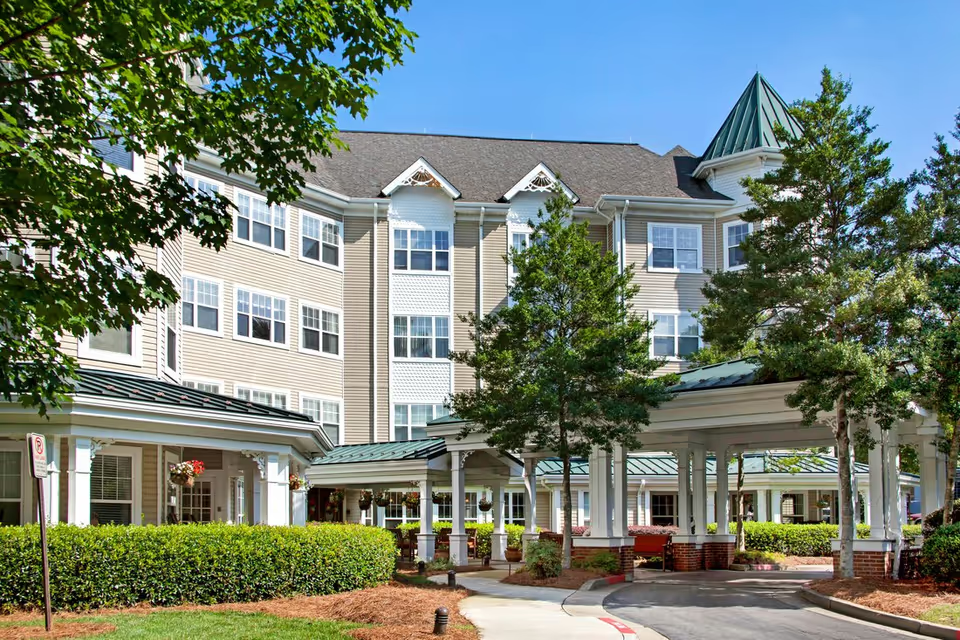
Reviews of Sunrise at Huntcliff Summit II are strongly mixed, with a clear split between families who describe a very positive, hotel-like community and others who raise operational concerns that materially affected care. Many reviewers praise the staff’s warmth, attentiveness and clinical responsiveness: families cited nurses and nurse practitioners who corrected medication issues, on-call physicians who completed thorough evaluations, and caregivers who engaged residents in activities and daily routines. The community’s amenities—renovated apartments, chef-led dining, abundant activities (including memory-care programming, dog visits, gardening and regular group events), clean common areas and well-maintained grounds—are frequently highlighted as strengths that contribute to residents’ quality of life.
At the same time, recurring operational themes emerge that prospective families should evaluate carefully. Staffing was the most common concern: reviewers described inconsistent coverage, slow responses to call buttons, thin weekend and overnight staffing, high turnover, and uneven supervision across shifts. These workforce issues are linked to other operational gaps, including lapses in housekeeping and laundry processes, delays in room transfers, and variability in follow-through on family instructions. Several accounts describe tense staff dynamics and signs of burnout, which may affect day-to-day reliability even where individual caregivers are highly committed.
Dining and clinical care show both strengths and variability. The dining program has vocal supporters—fresh meals, a chef, and expanded menu options—yet other families reported declining meal quality or digestibility for some residents. Clinically, the facility demonstrated the ability to intervene effectively at times (medication corrections and proactive clinical assessments), but reviewers also noted inconsistent care coordination for hospice and after-hours physician coverage, plus billing practices for in-house medical visits that families found confusing.
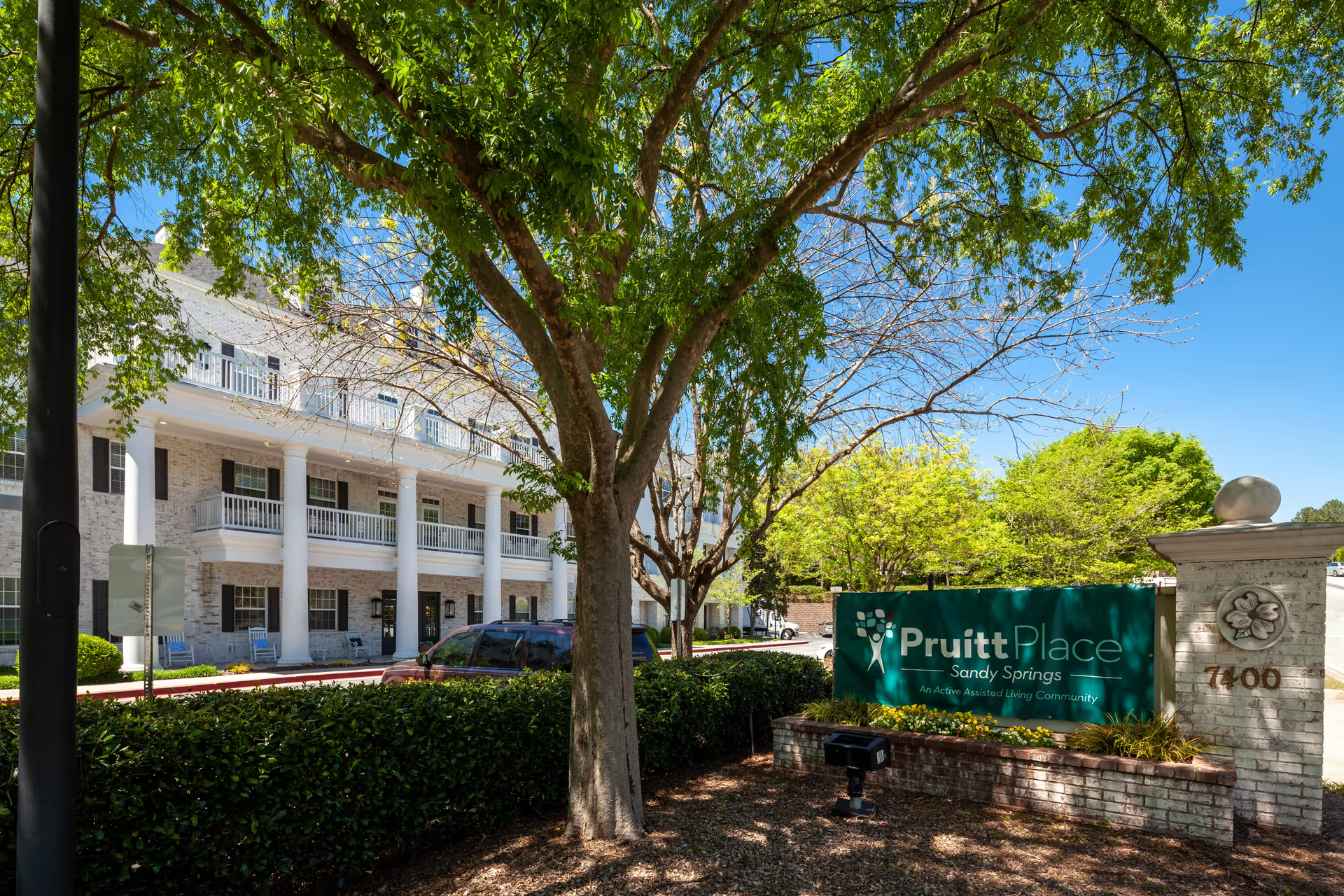
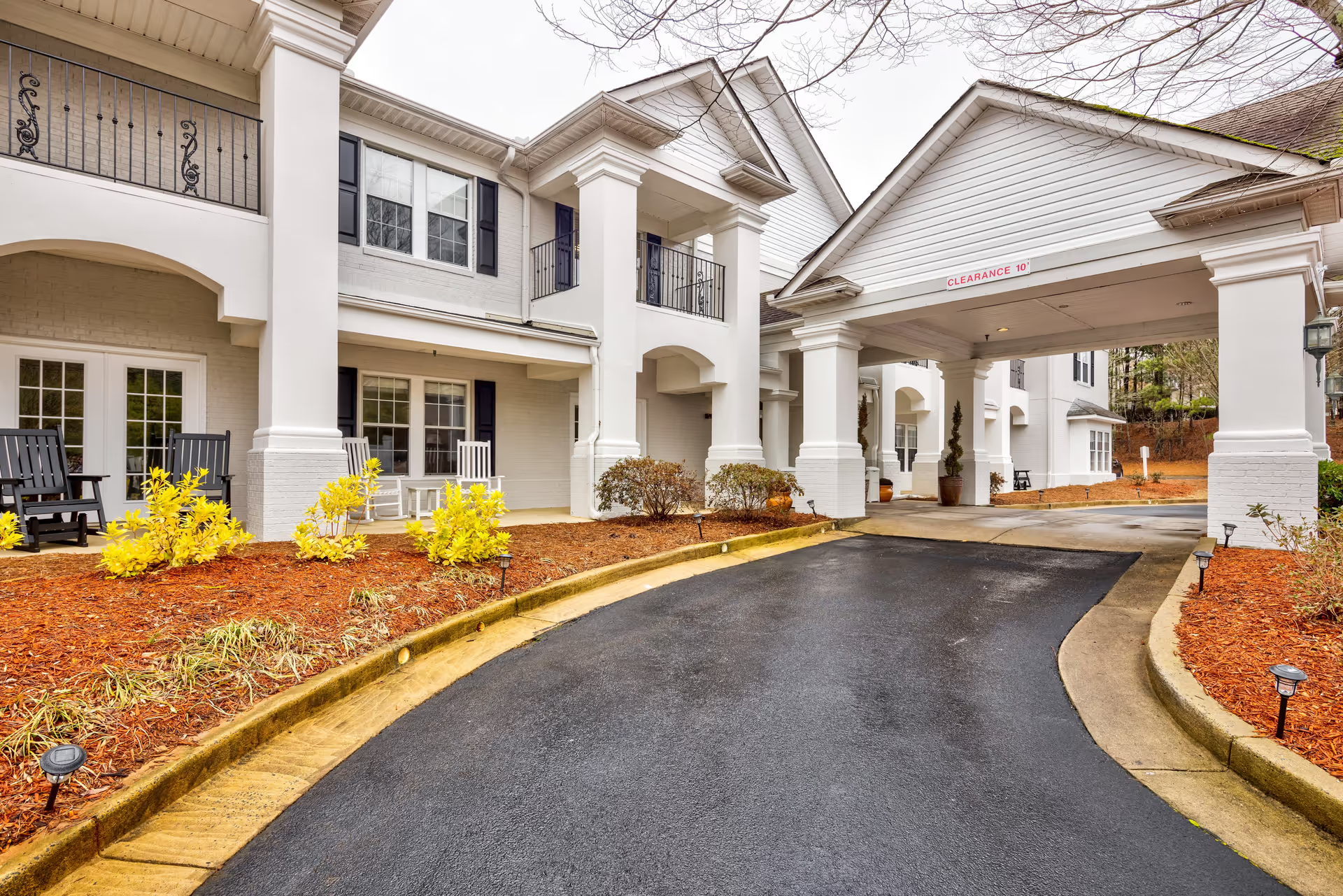
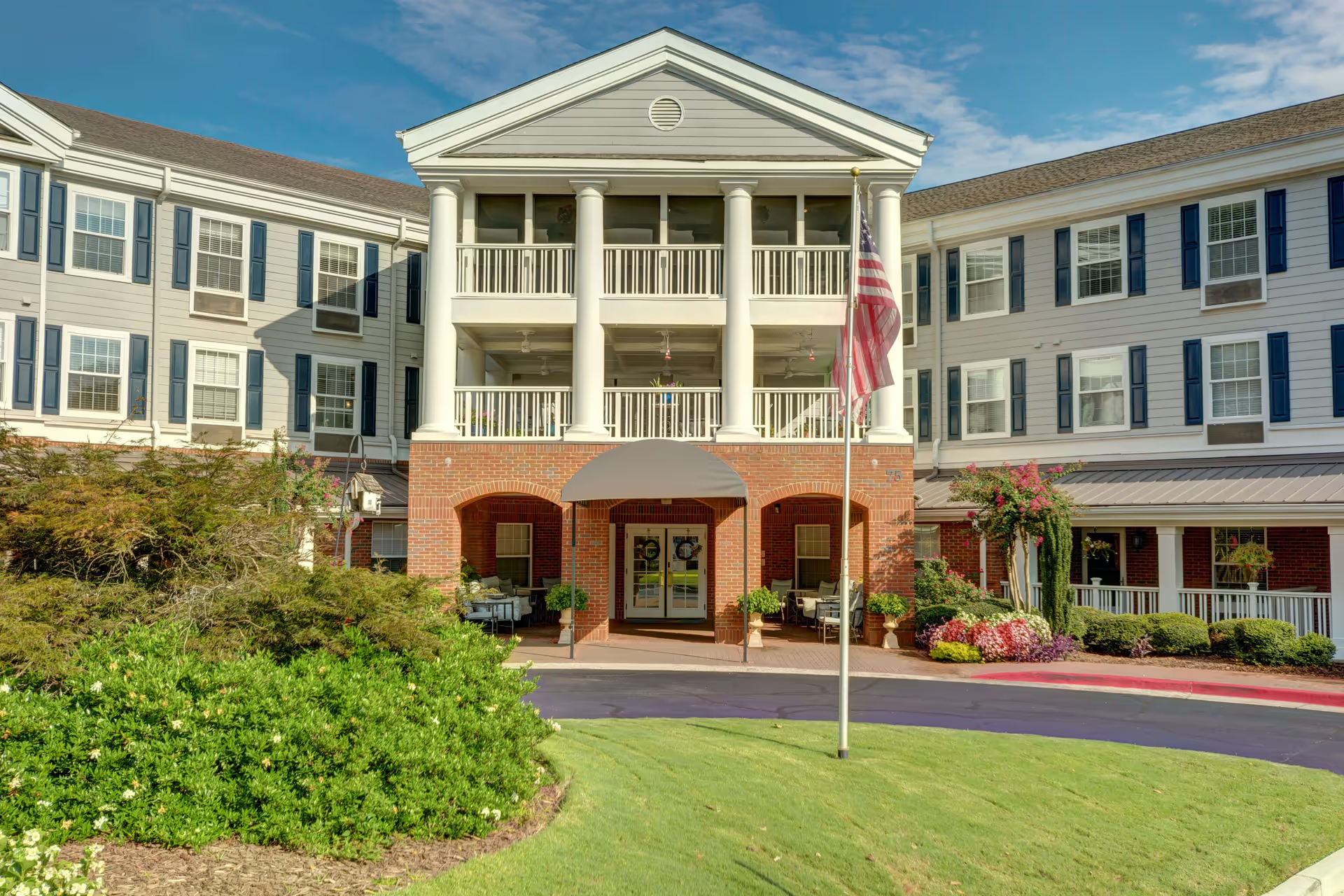
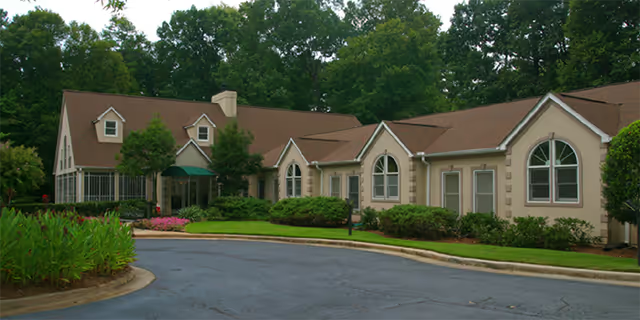
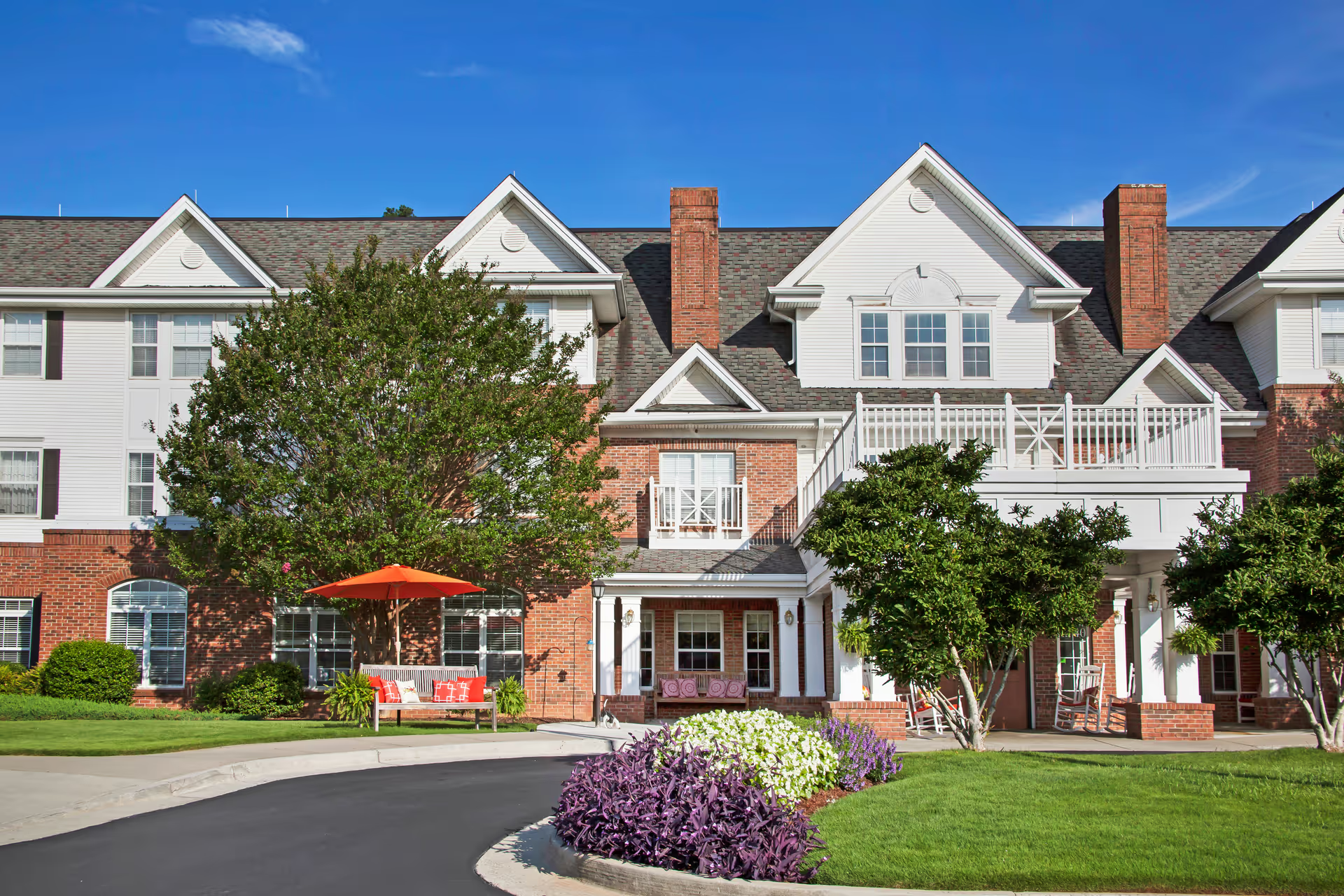
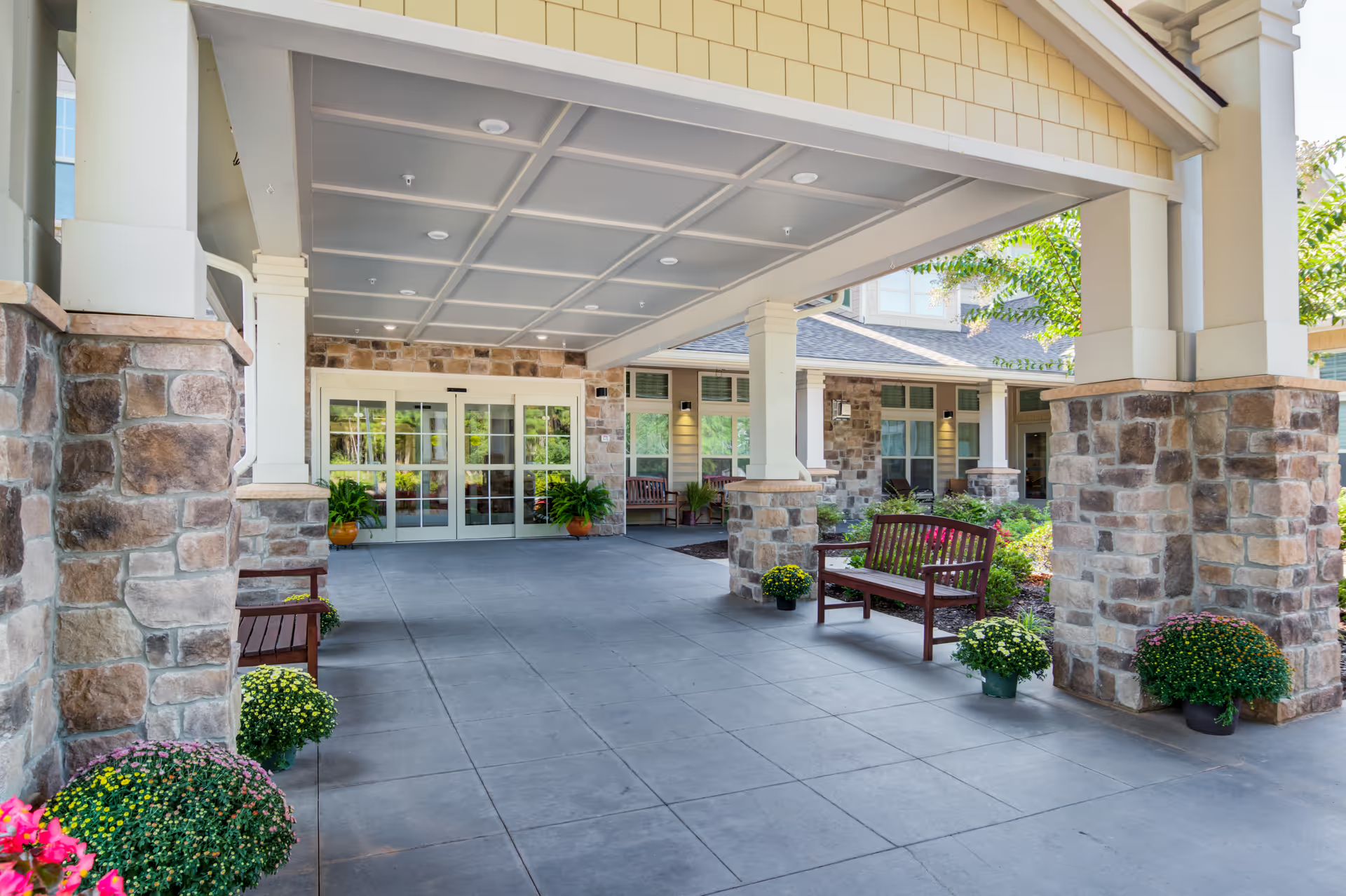
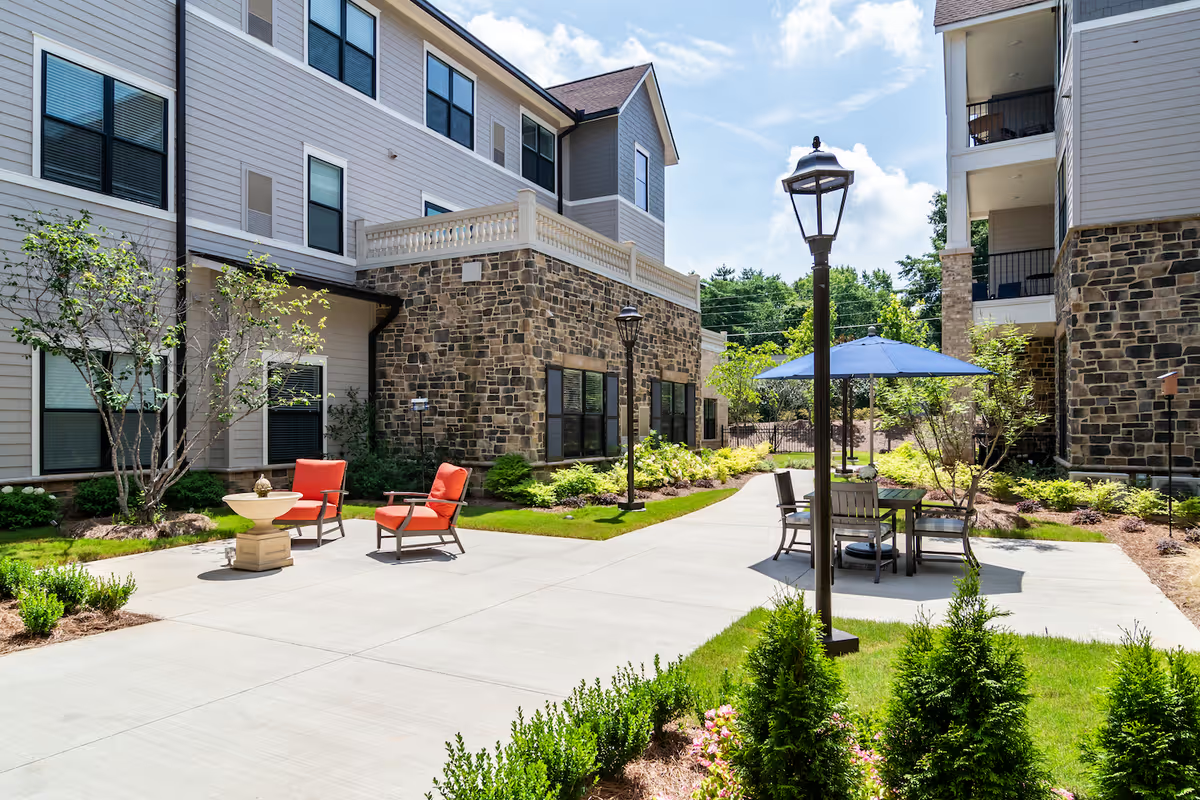
Facility condition and management are similarly polarized. The community’s exterior, common areas and many renovated units receive consistent praise, as do aspects like wide hallways and outdoor spaces. However, other reviewers point to aging infrastructure, deferred maintenance issues (air-conditioning problems, ceiling stains, mold concerns), and housekeeping shortcomings in some units. Admissions and tour encounters are often described as welcoming and professional, yet several families experienced a decline in responsiveness from leadership after move-in, with concerns about limited administrative availability outside business hours and inconsistent communication or follow-up.
Safety and trust issues appear in a subset of reviews: allegations of missing personal items and billing disputes were raised and should be treated as significant to investigate during a tour. Overall, experiences range from “exemplary, family-like care” to “operational failures that affected resident wellbeing.”
Recommendations for prospective families: schedule multiple visits at different times of day (including evenings and weekends), ask for current staffing ratios and turnover data, clarify after-hours clinical and administrative coverage, request written laundry/housekeeping and billing policies, inquire about recent maintenance and citation history, and speak with families of current residents—particularly those in the level of care you require. These targeted questions will help determine whether the community’s notable strengths align with reliable day-to-day operations for your loved one.