Overall impression: Ashbrook presents a mixed but informative profile for prospective residents and families. The facility is frequently described as modern, clean, and spacious with several communal amenities and active programming that contribute to a home-like environment. At the same time, a sustained pattern of administrative instability and financial changes has generated significant concern among families, particularly around affordability, communication, and property upkeep.
Care and staff: Care quality is a clear strength in many accounts. Caregivers and nursing staff are often characterized as compassionate, respectful, and attentive; staff are frequently described as knowing residents by name, providing personalized attention, and involving families through photos and updates. Memory-care programming is described as individualized and emotionally supportive. However, these positives are tempered by reports of staffing turnover and use of temporary agency personnel; where staffing is inconsistent, reviewers express concerns about continuity of care and training.
Dining and housekeeping: Descriptions of dining are mixed. Several families praise varied menus, tasty meals, and accommodating dietary needs, while others cite variable food quality and kitchen staffing problems that led to dissatisfaction. Housekeeping is generally described as adequate in common areas, but some units—particularly older cottages—are said to experience uneven housekeeping and sanitation, occasional odor concerns, and limited in-room cleaning schedules.
Activities and social life: The activities program receives frequent positive mention: an engaged activities director, a full calendar (games, fitness, bingo, outings), and opportunities for socialization that help residents form friendships. That said, reviewers also note intermittent lapses in programming or periods with less engagement when key activity staff are absent.
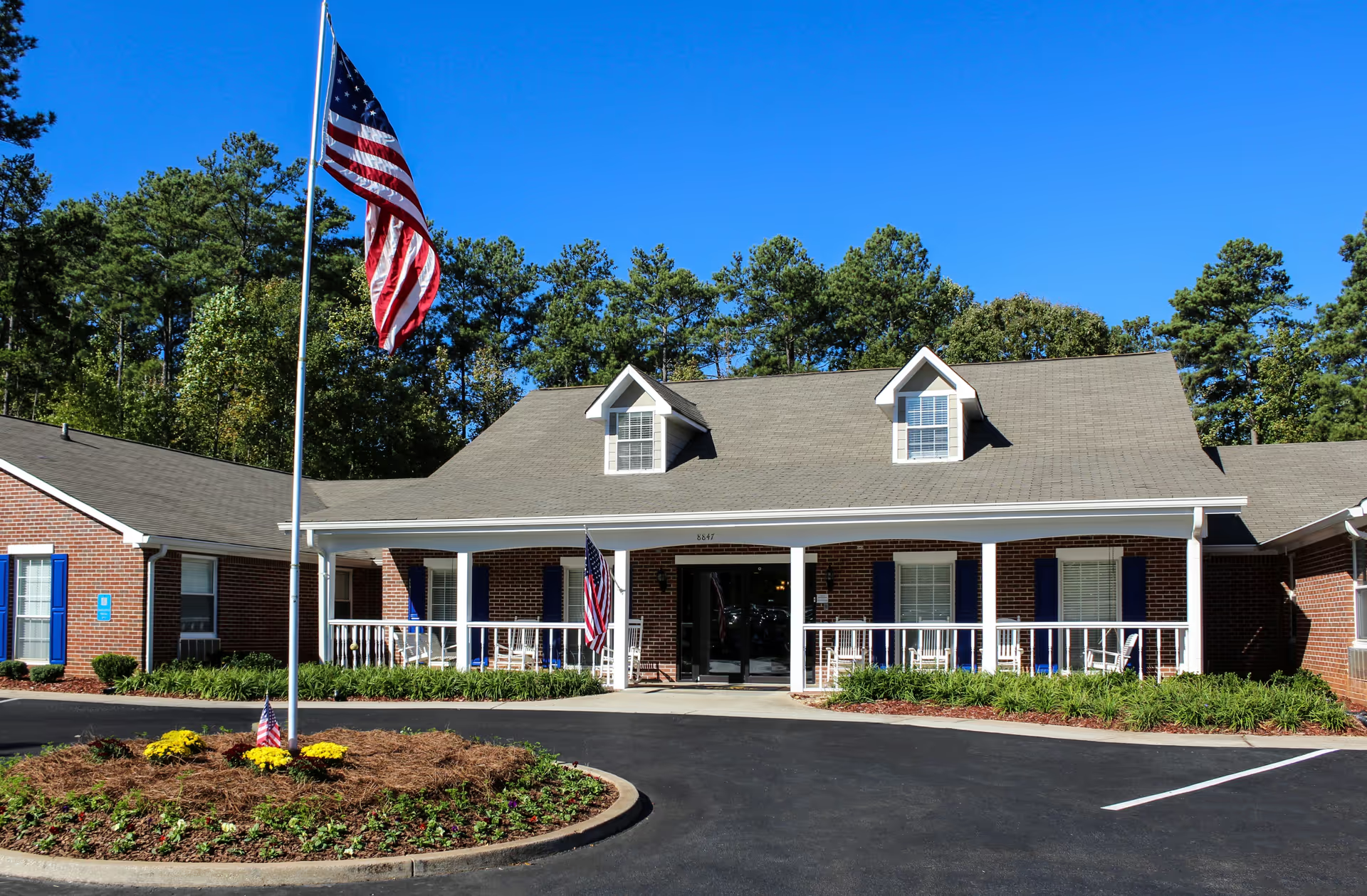
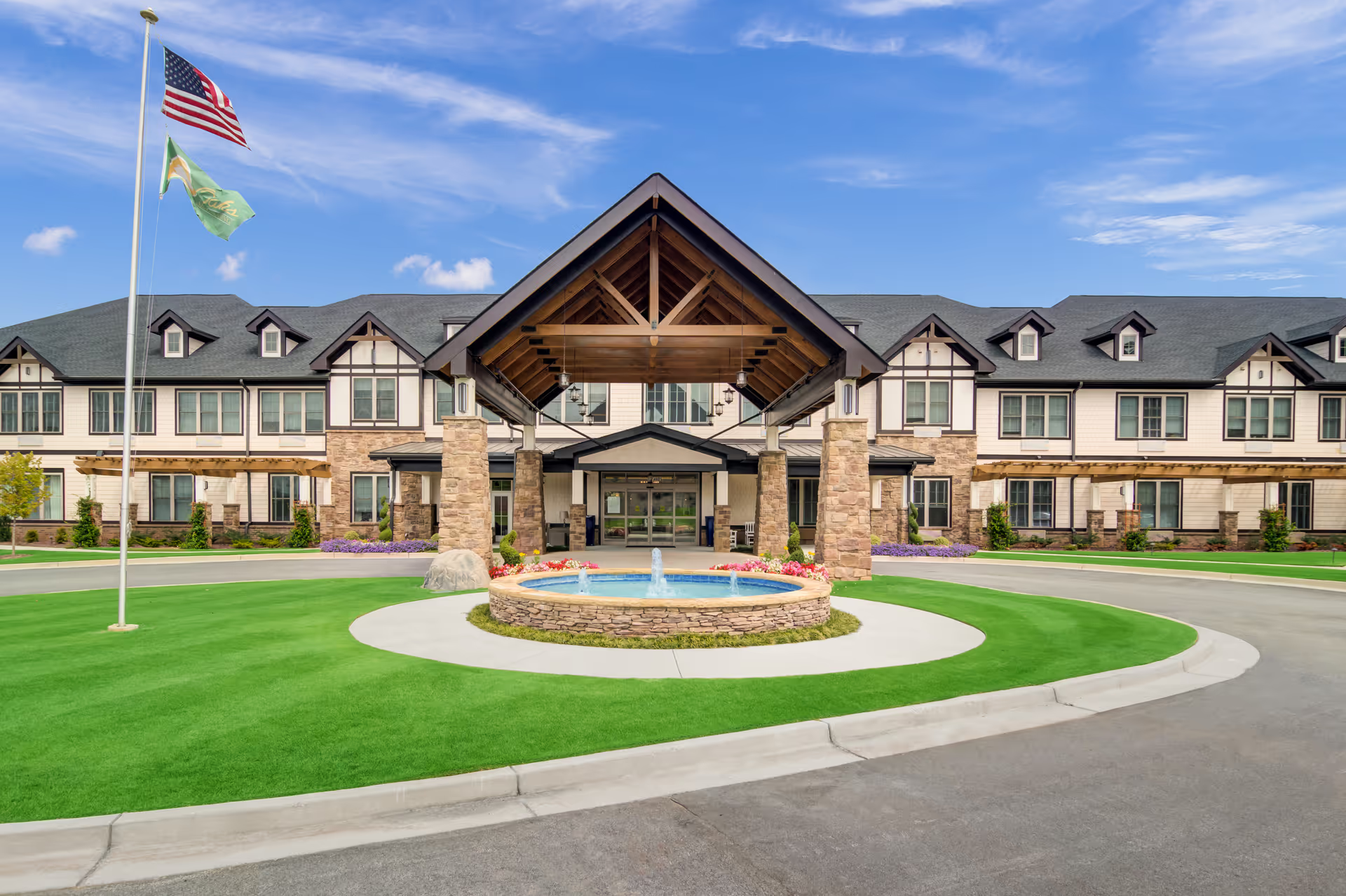
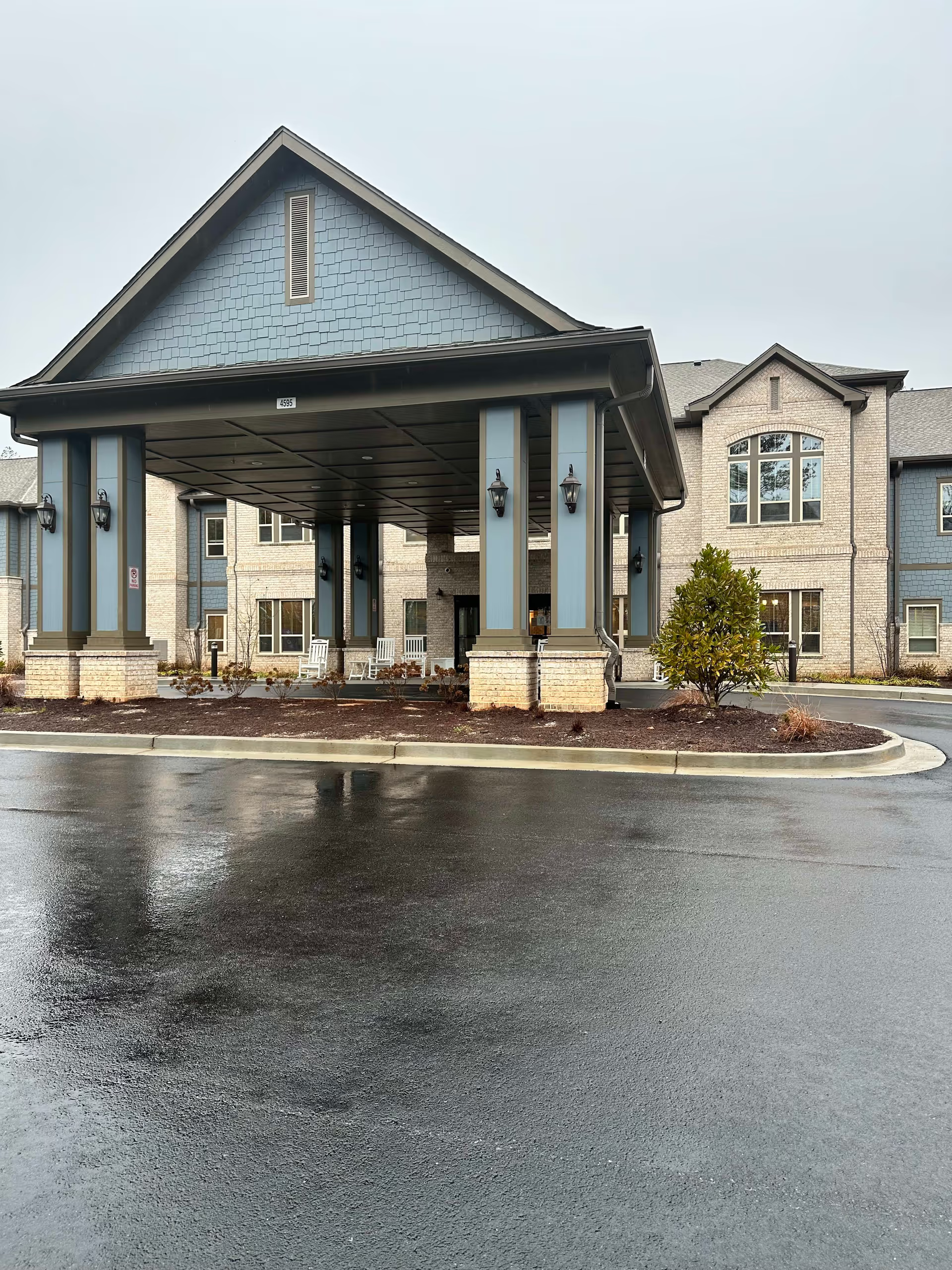
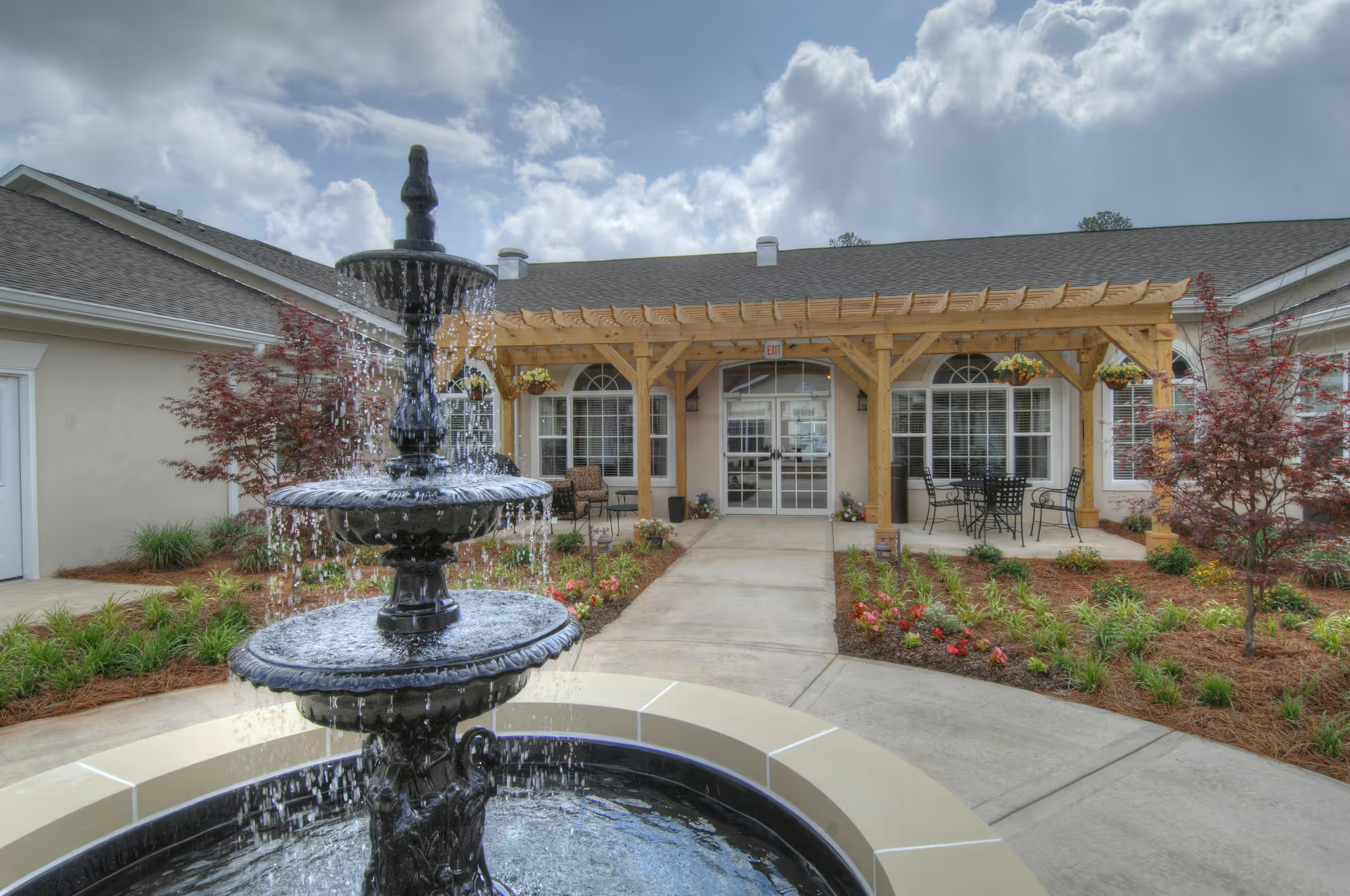
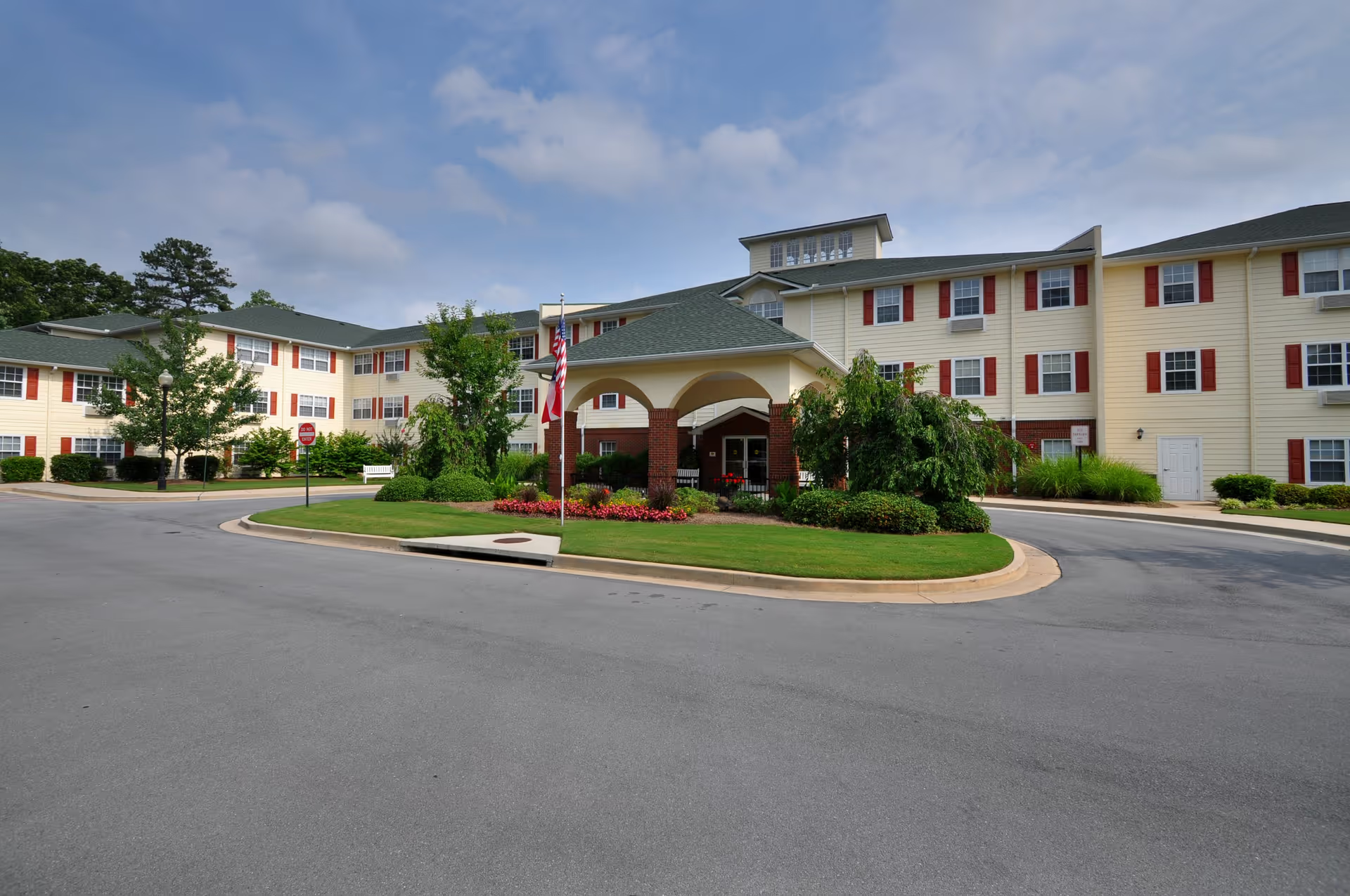
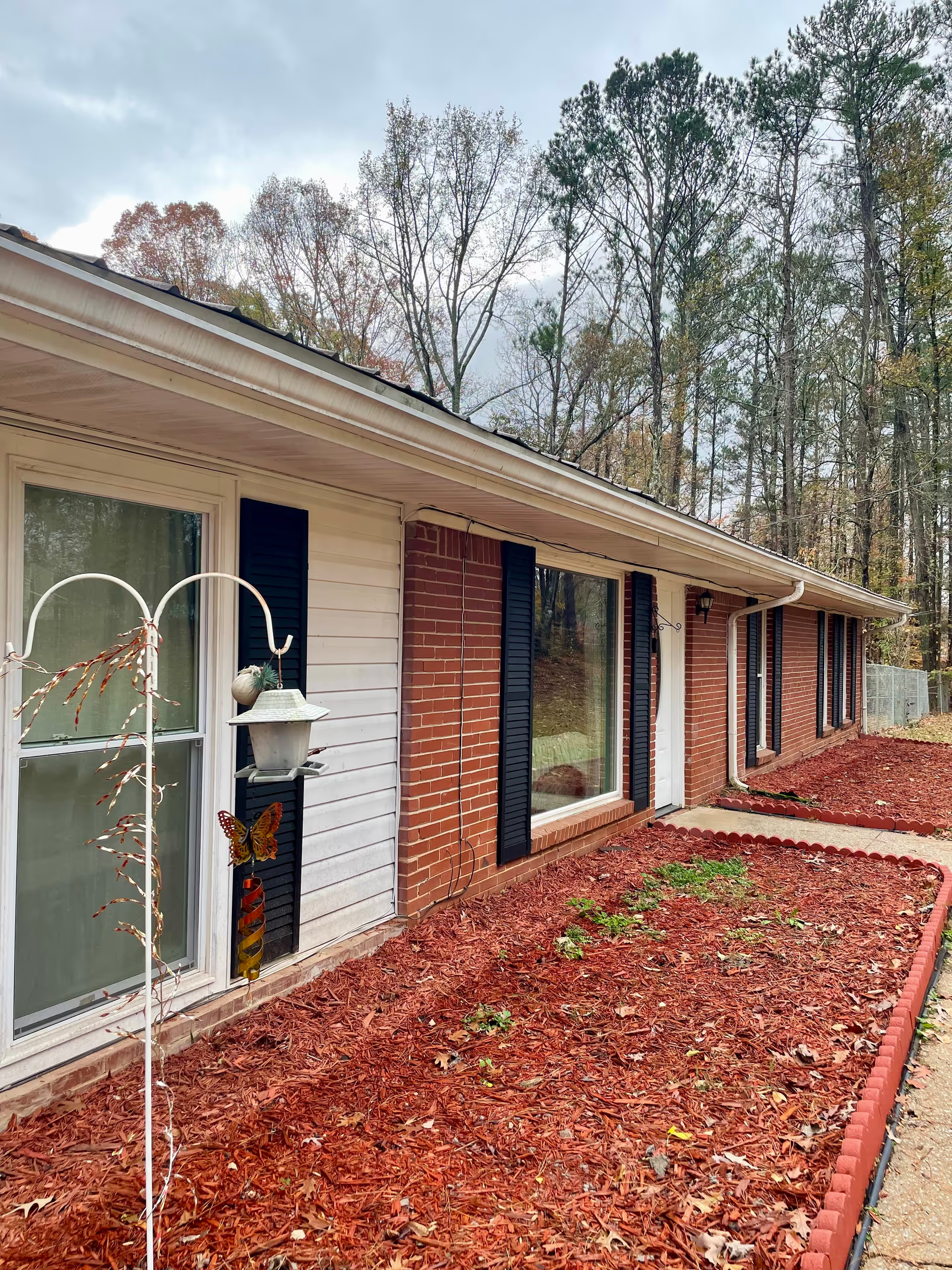
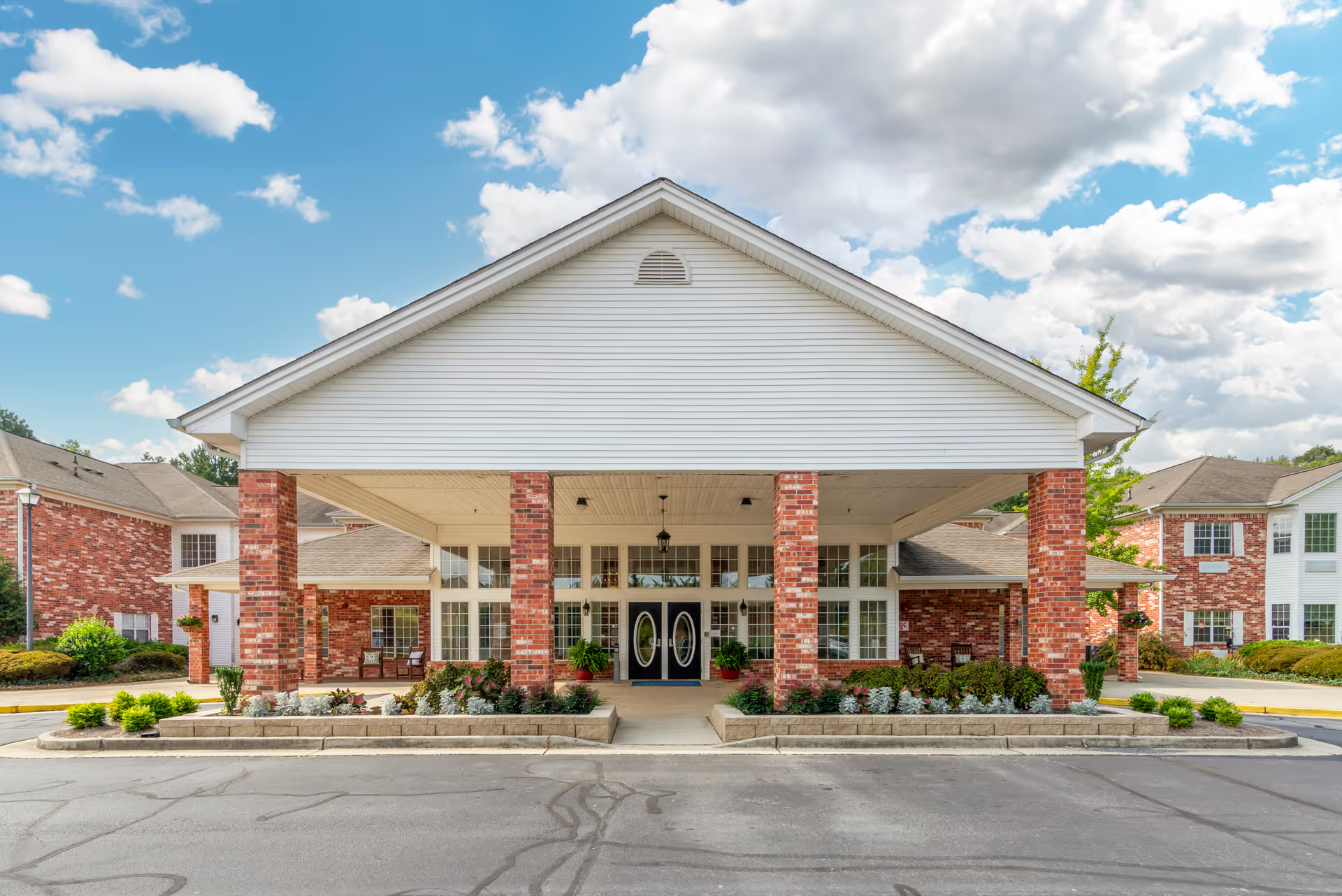
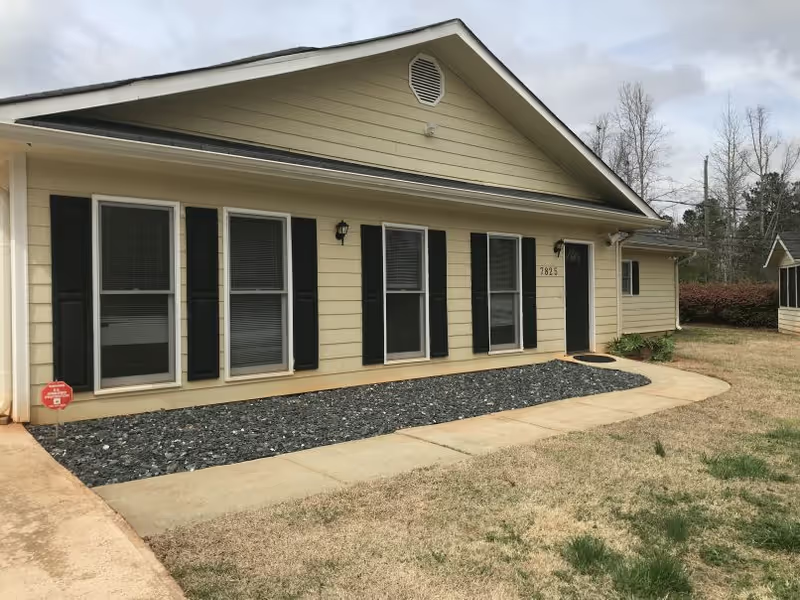
Facilities and amenities: The central building is often described as clean, updated, and well maintained, with generous common space, private bathrooms in memory units, a salon, library, and dining areas. Apartment layouts are described as roomy, and grounds are quiet and pleasant. Concerns cluster around the cottage units: some cottages are distant from the main building, and several older cottages show deferred maintenance, deteriorating porches, and localized pest-control or odor concerns.
Management, transparency, and finance: The most recurrent operational issues concern management stability and financial practices. Reviewers note multiple management/ownership changes, abrupt and substantial rent increases (including short notices), and high or unclear fees, which have led to moves-out and anxiety among residents on fixed incomes. Families report limited responsiveness from administration on billing, repairs, and policy explanations. Conversely, some accounts highlight periods of strong, hands-on leadership that improved communication and care quality; these contrasts suggest outcomes are sensitive to current leadership.
Patterns and considerations: The overall pattern is one of a facility with solid caregiving, robust social programming, and attractive shared spaces, but with operational vulnerabilities tied to management turnover, fiscal decisions, and inconsistent maintenance/staffing. Prospective residents and families should verify the current management structure, request written policies on rent-increase procedures and notice periods, ask for recent examples of maintenance response times, clarify housekeeping and meal-service schedules, and confirm whether cottages are near central services. Visiting at different times of day and speaking with current families can help assess consistency of care and programming under present leadership.