Care quality at Edgewood Castle Hills is characterized by a clear split between positive day-to-day resident experience and operational weaknesses that affect clinical reliability. Many families describe the daily caregivers as compassionate, attentive, and effective at creating a homey atmosphere; several reviews highlight staff members who quickly established rapport with residents and coordinated hospice or higher-acuity needs when necessary. At the same time, a pattern of clinical-process concerns appears in multiple accounts — most notably medication-management weaknesses, variable nursing competency, and limited med-tech training — which some families say led to dosing errors, missed administrations, or inconsistent oversight.
Staffing and leadership present a mixed picture. Reviewers frequently praised frontline workers for friendliness and resident-focused care, as well as a hardworking activities team that provides bingo, concerts, outings, arts and crafts, and exercise classes. However, chronic understaffing, high staff turnover, and frequent changes in leadership are recurrent themes. Those operational patterns are associated with long call-button response times, insufficient night coverage, uneven reception/front-desk availability, and uneven follow-through on small assistance tasks. Families and prospective residents should expect variability in day-to-day responsiveness depending on shift coverage and staff continuity.
Dining receives similarly mixed evaluations. Many reviewers commended the dining room environment and specific meals, and several residents enjoy the food overall. Conversely, others describe repetitive menus, limited therapeutic-diet options (notably diabetic-diet limitations), and an institutional or sauce-heavy preparation style that some residents find unappealing. Seating policies and long mealtime sitting for residents with limited mobility were also raised as operational issues to review with management.
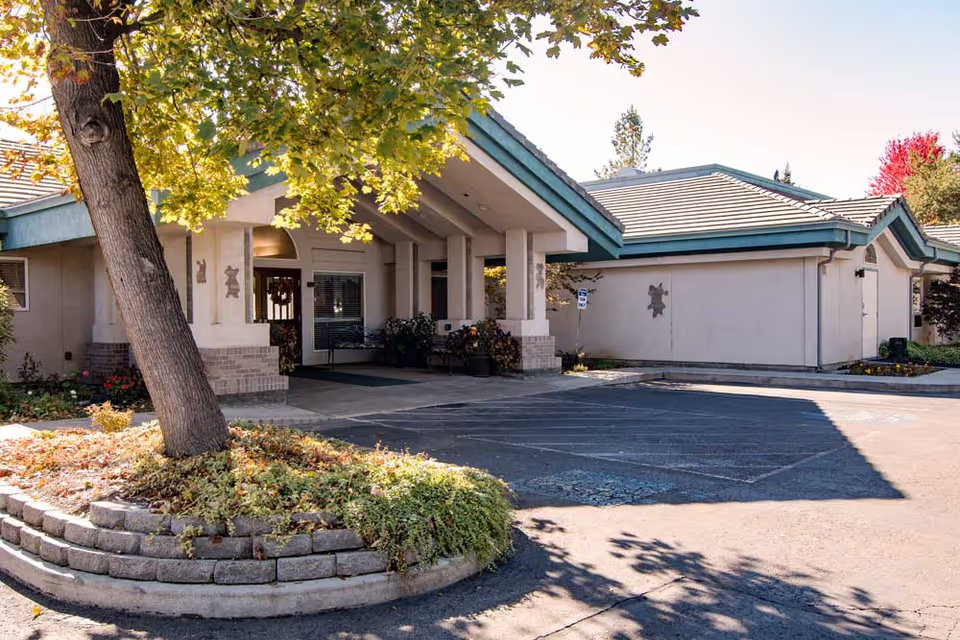
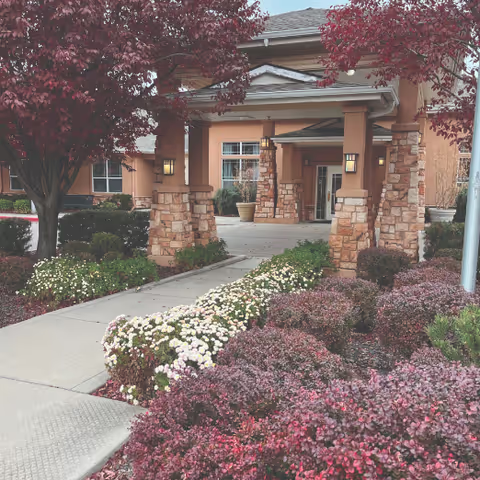
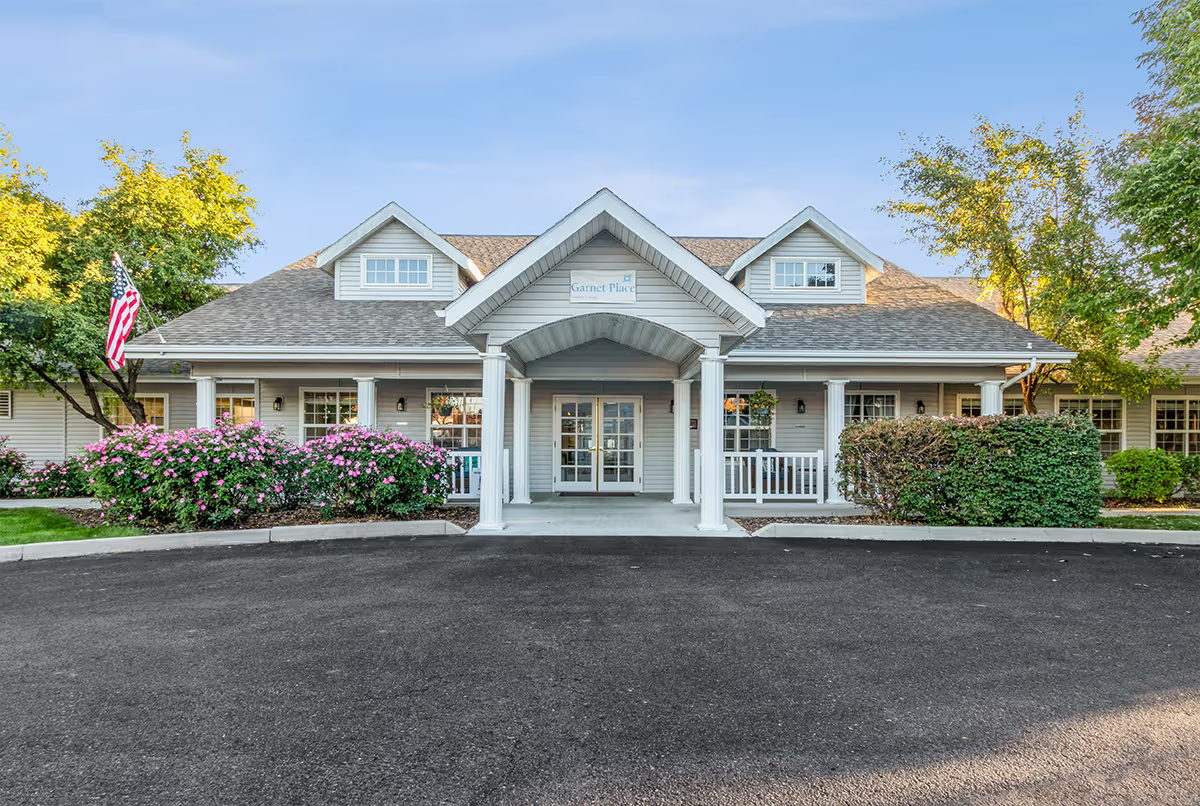
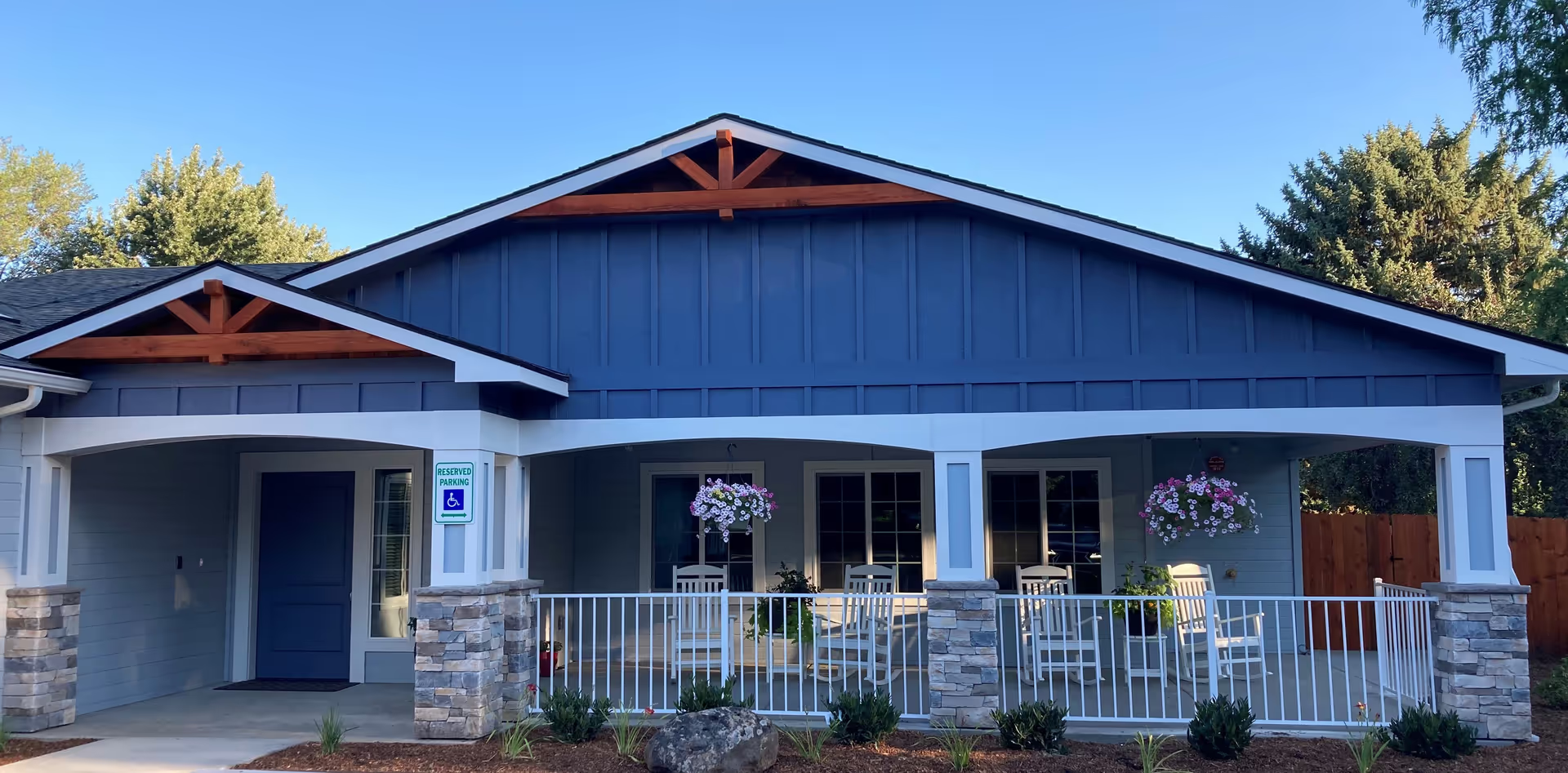
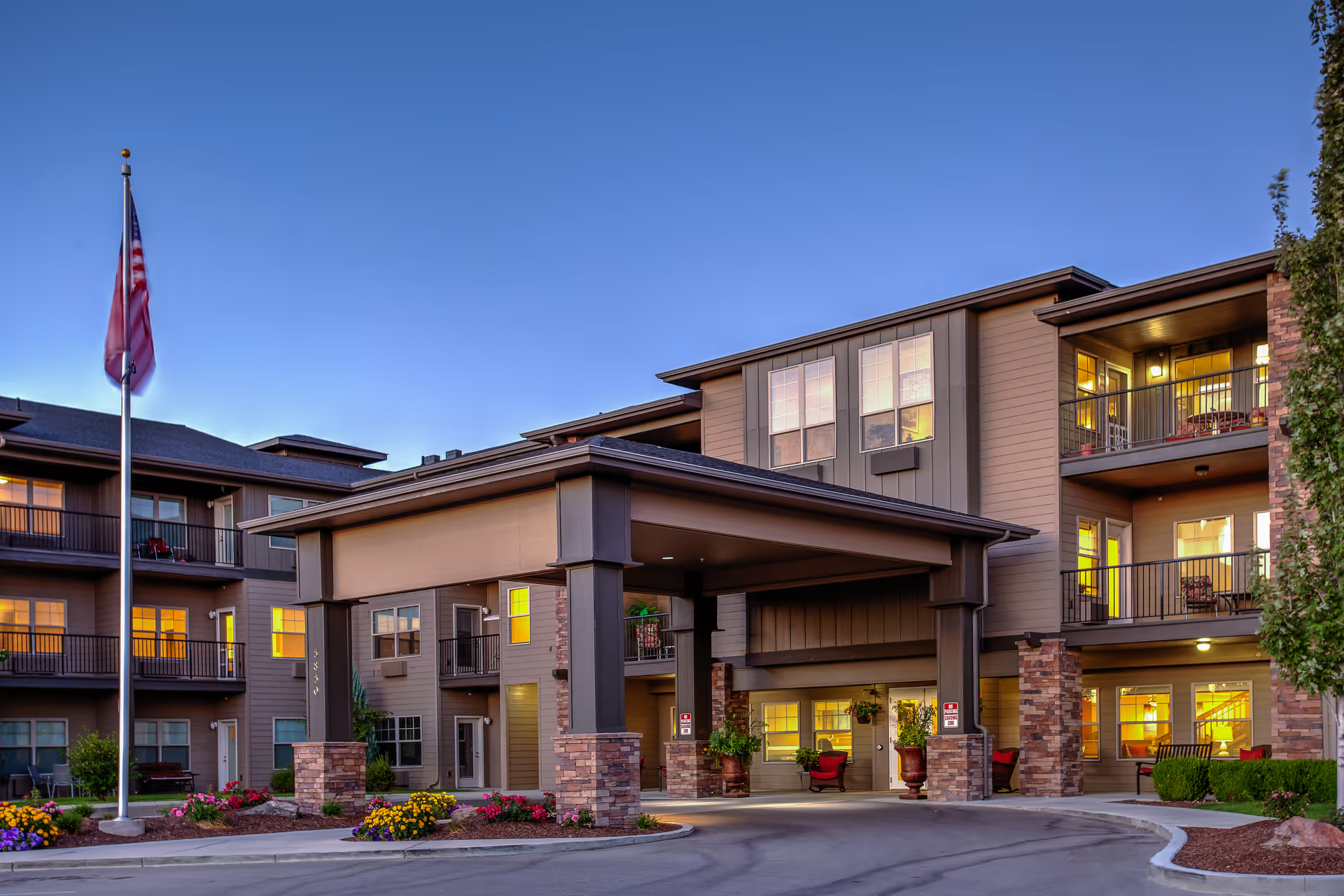
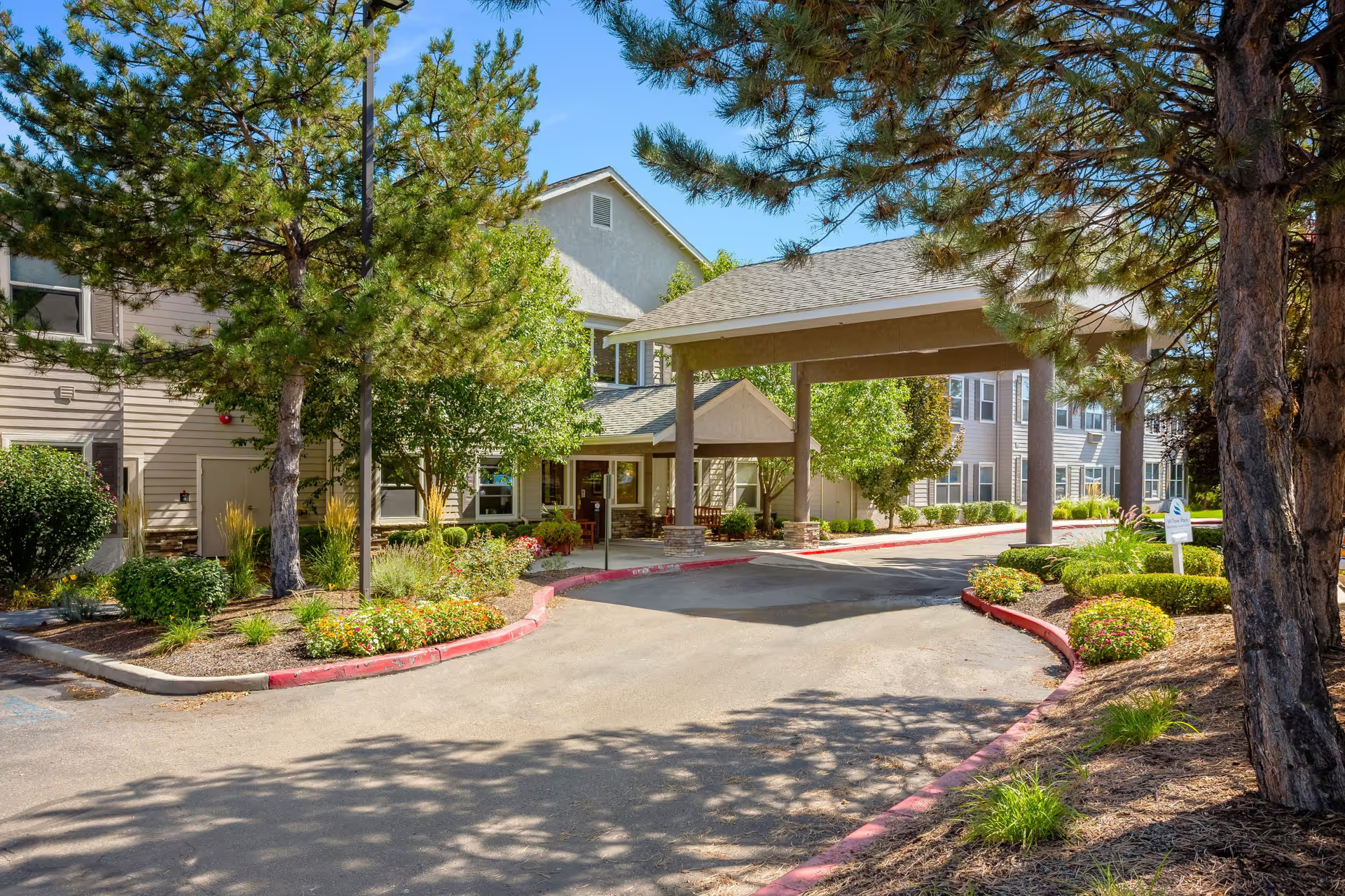
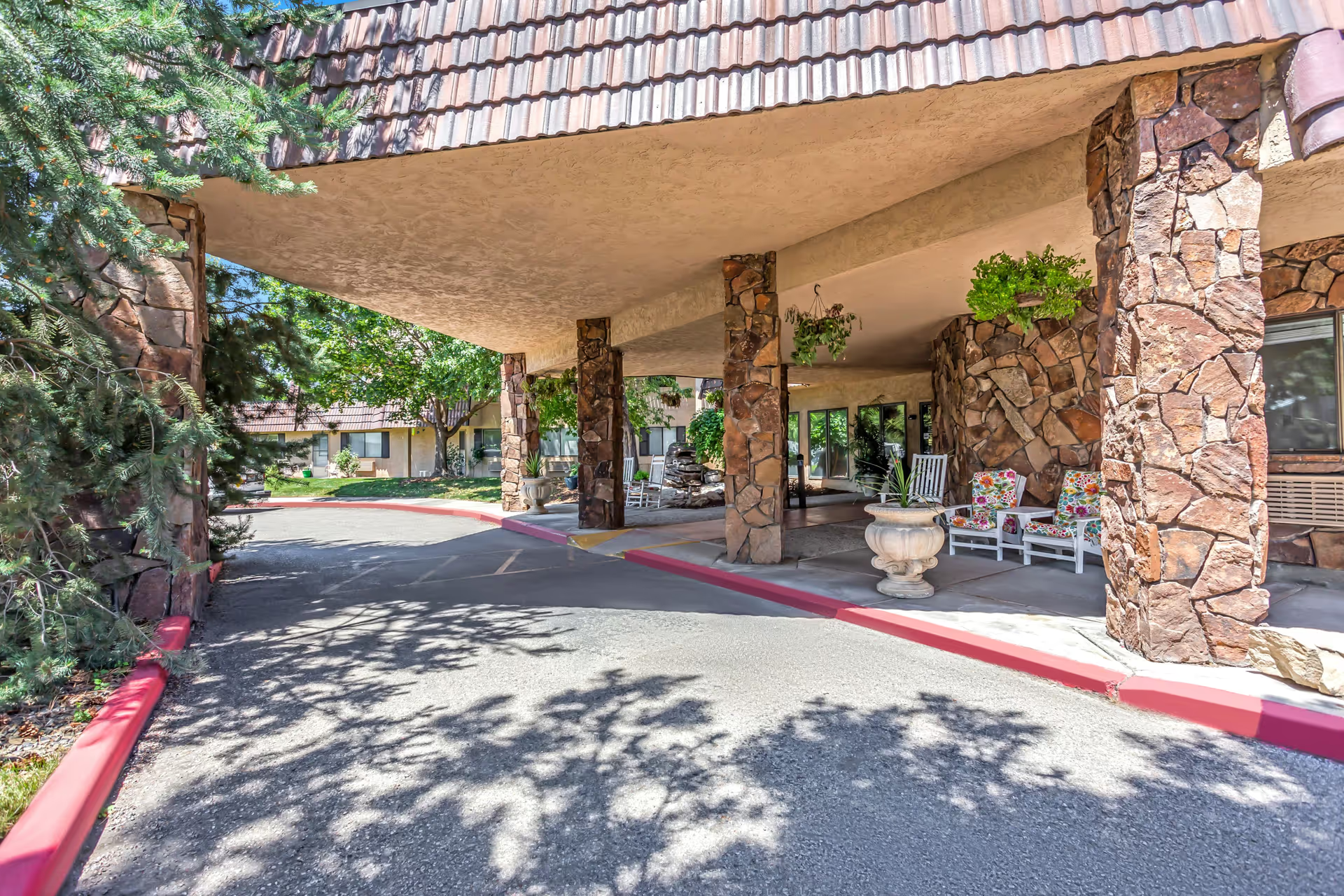
The activity program and physical environment are strengths for social engagement and quality of life. The facility offers a range of activities, transportation to stores and restaurants, on-site wellness classes, and pleasant common spaces (dining area, courtyards, patio, fish tank/fireplace). Rooms and studios are often described as clean and comfortable; grounds and building upkeep are commonly viewed positively. The building is older and described as more “homey” than high-end — that fit will appeal to some families and not to others. There are also intermittent sanitation or housekeeping lapses reported by a minority of families; overall cleanliness tends to be rated positively but with occasional exceptions.
Management, billing, and communication are recurring areas of concern. Reviewers describe unclear rate increases, unexplained service charges, occasional unfriendly or unresponsive management interactions, and challenges getting timely callback or problem resolution. Some families perceive a profit-focused operating stance and cite cutbacks that affect supplies or services. The absence of a dedicated memory-care unit was noted by those seeking specialized dementia services; while the environment can be dementia-friendly in parts, families of residents with higher memory-care needs should assess whether a facility with a separate memory unit or enhanced tracking is more appropriate.
Overall, Edgewood Castle Hills appears to offer a social, affordable, and well-located residential option with many strengths in daily caregiving, activities, and ambience. However, persistent operational issues — especially around staffing stability, medication processes, clinical oversight, dining consistency, and management transparency — introduce variability in care quality. Prospective residents and families should tour the facility, ask specific questions about medication administration protocols, staffing ratios (including night shifts), therapeutic-diet accommodations, billing practices, and contingency plans for clinical escalation before making a placement decision.