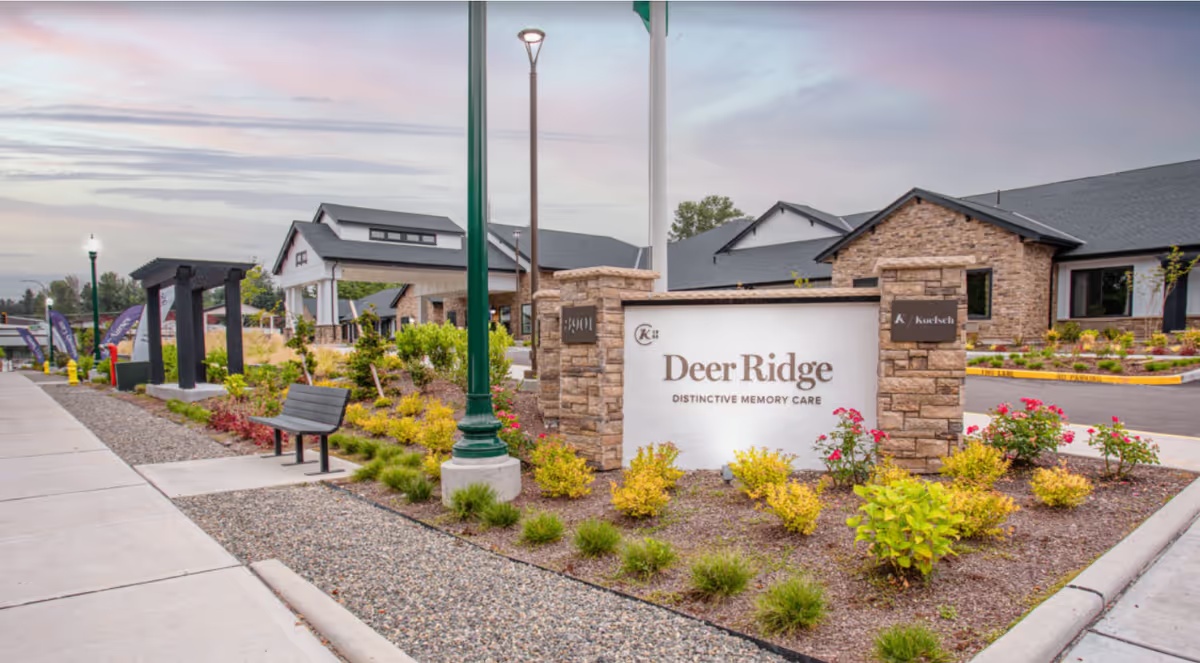
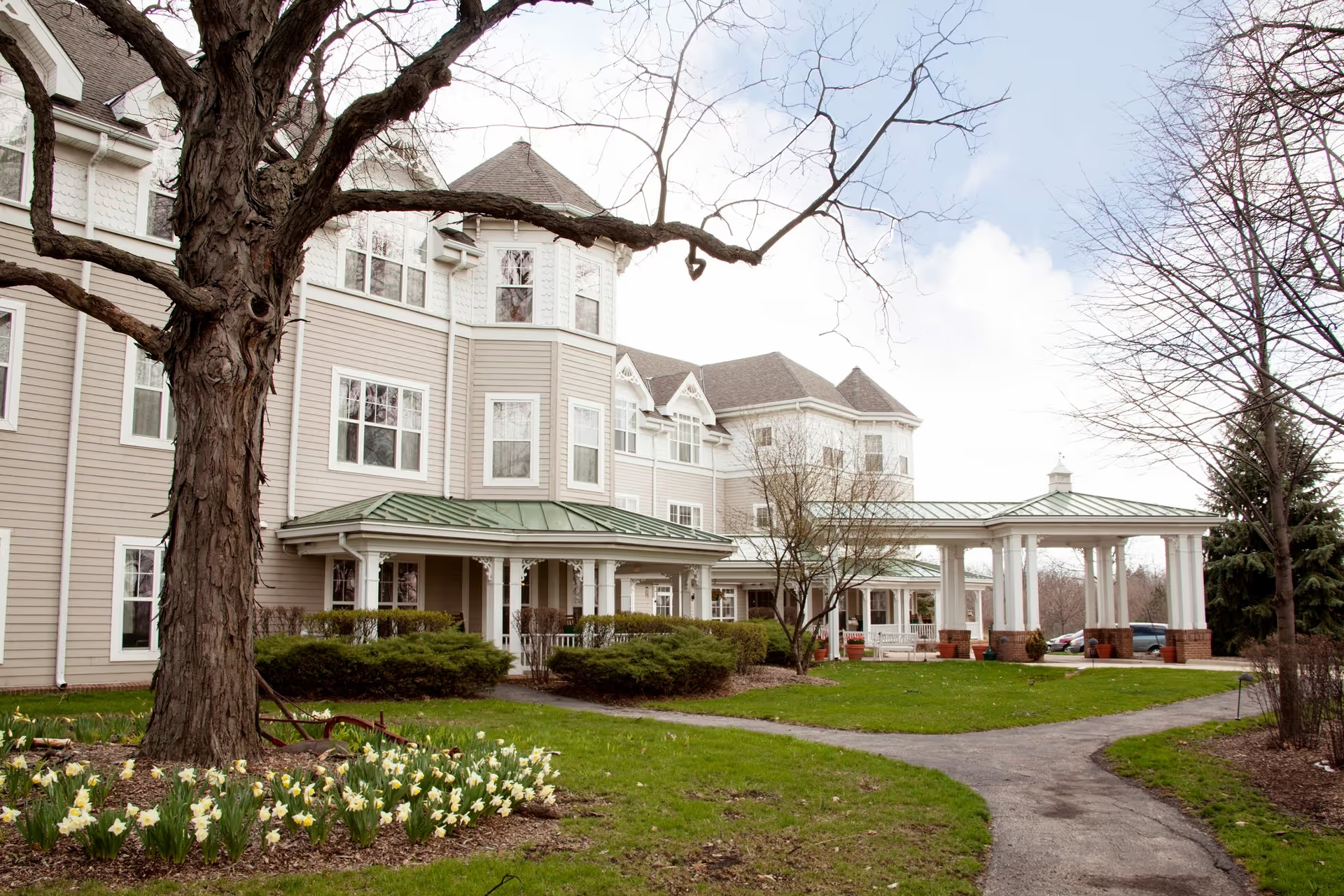
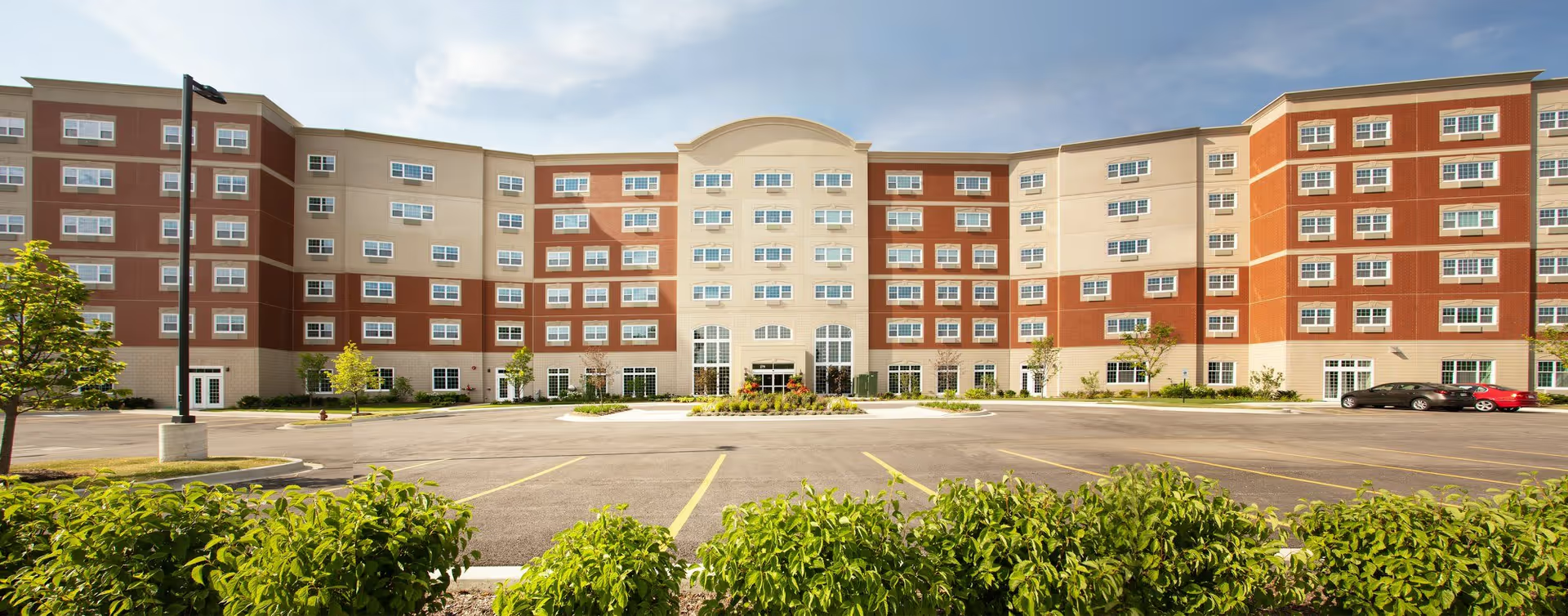
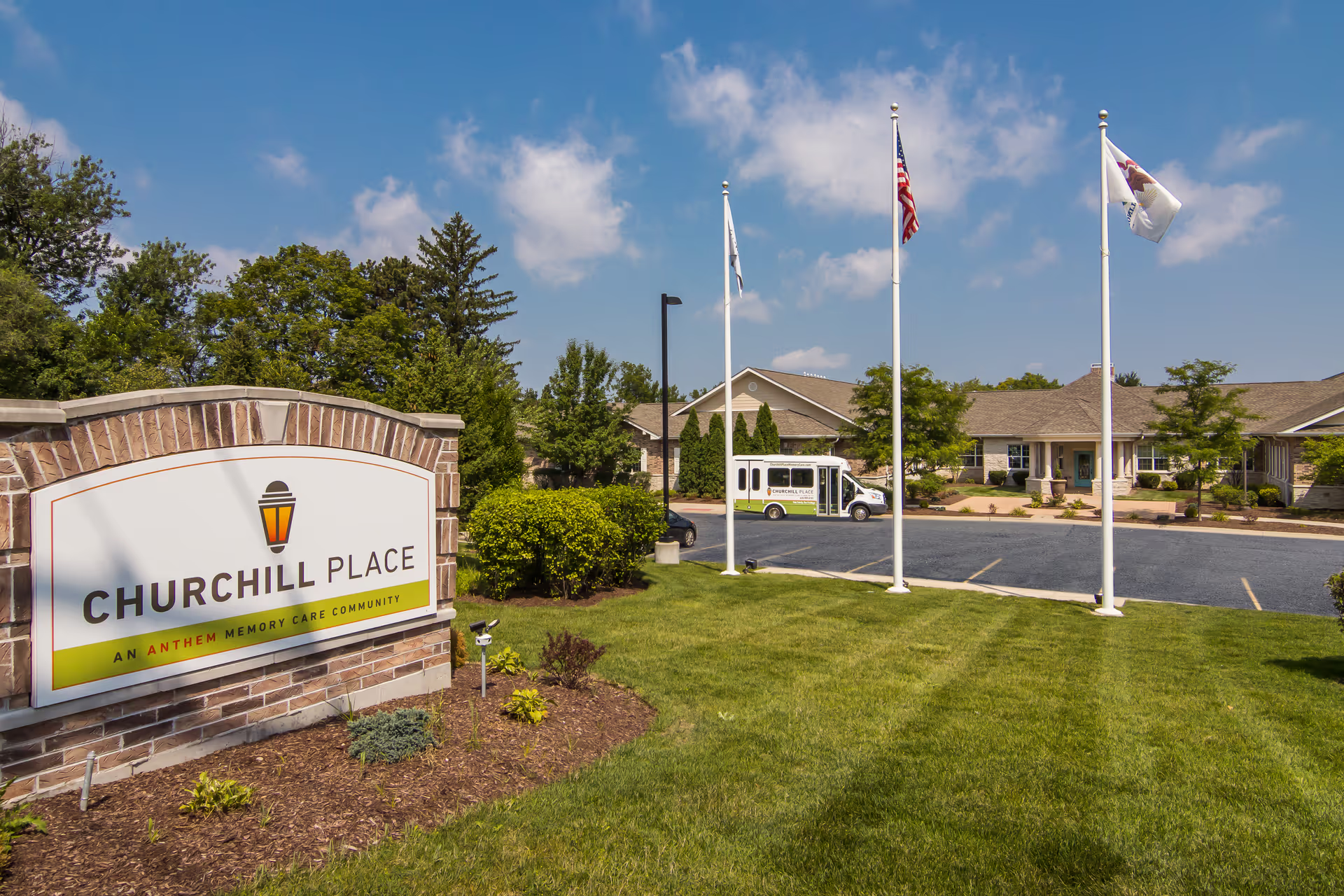
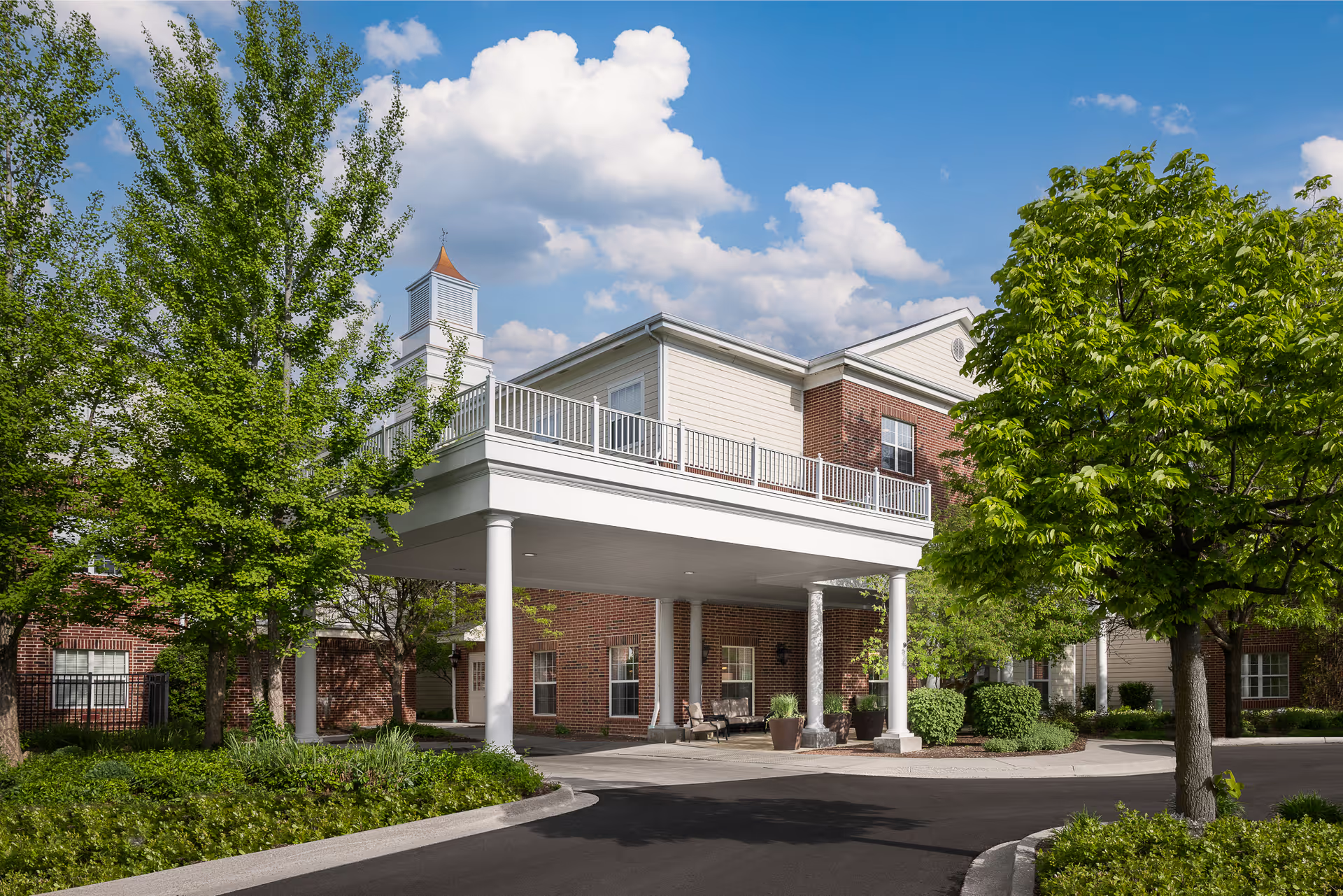
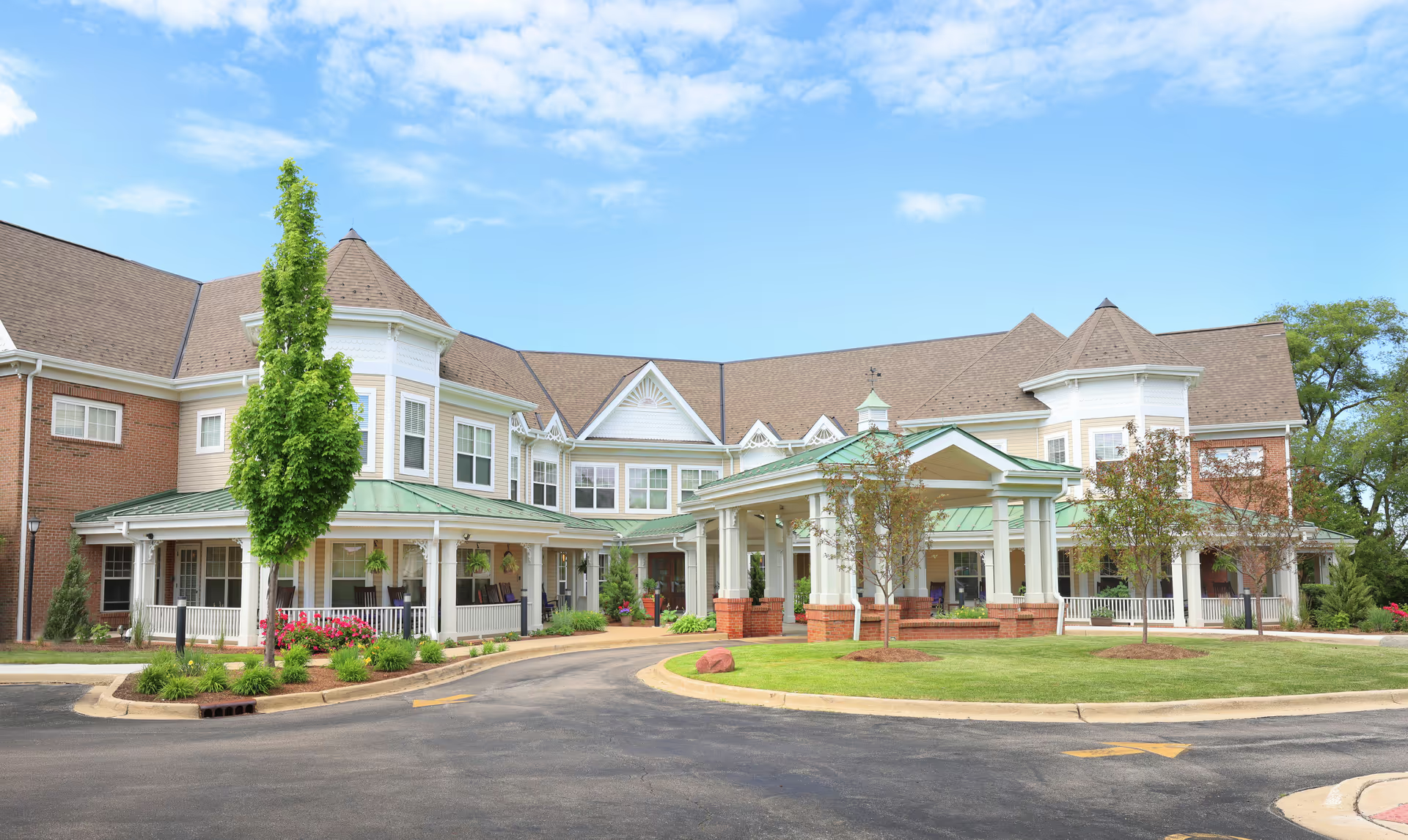
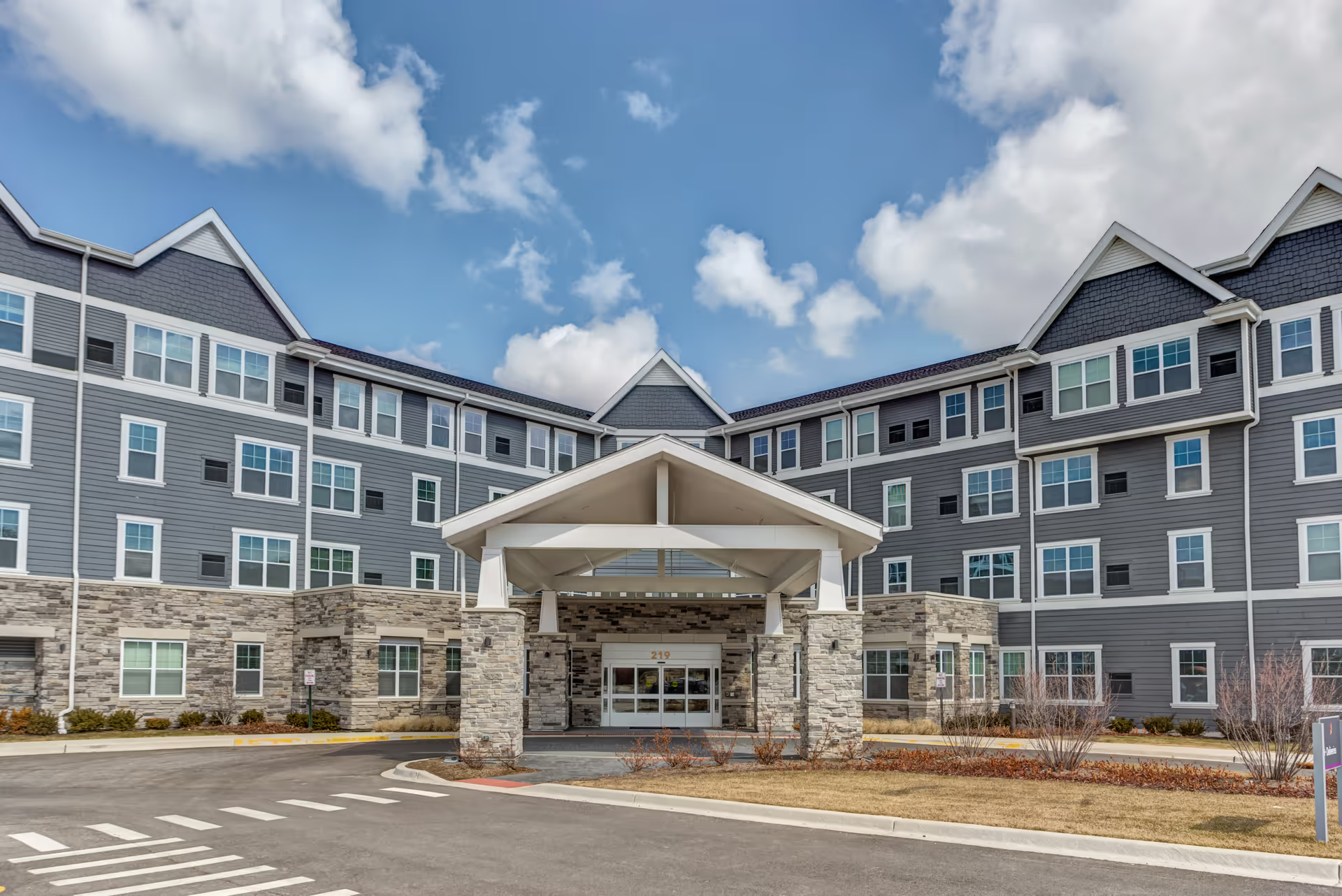
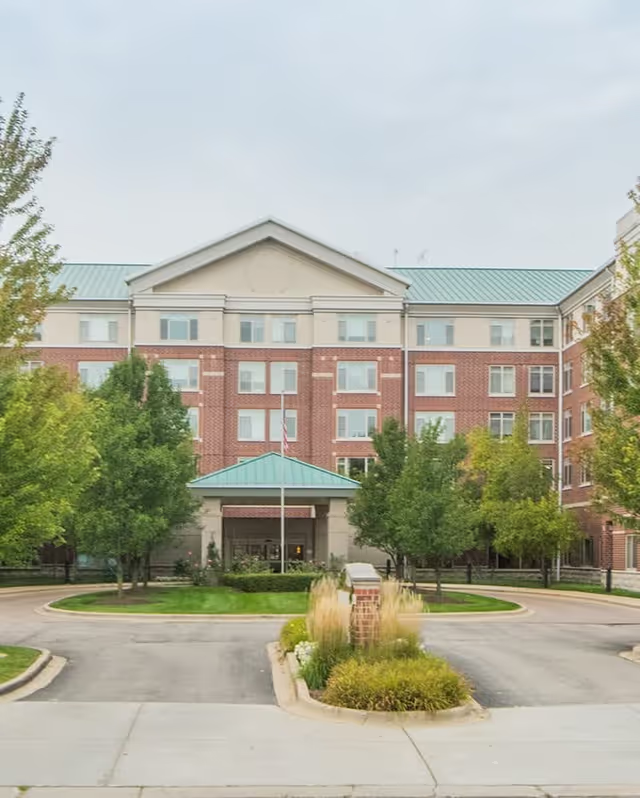
Clarendale of Addison is frequently described as a new, well‑appointed senior community with extensive amenities and an active social program. Many families and residents praise the facility's hotel‑like appearance, cleanliness, and breadth of on‑site offerings (exercise rooms, salon, bar/restaurant spaces, theater and outdoor patios). Move‑in coordination and transition support are commonly cited as strengths; multiple accounts describe personalized assistance, rapid orientation, and staff who learn resident preferences. The community supports 24/7 safety monitoring and in‑suite safety features, and several accounts highlight on‑site rehabilitation and nursing support as helpful resources.
Staff quality is a central strength in a large number of comments: reviewers frequently note compassionate, attentive caregivers, helpful concierge/administrative staff, and specific employees who provided exceptional service. Memory‑care programming also receives positive mention for structured, creative engagement and individualized activities. That said, staffing variability appears to affect daily experience: many positive reports coexist with accounts of understaffing, slower response times on some shifts, and differences in service depending on which staff are on duty. Clinical responsiveness and personal‑care follow‑through are described as excellent by some families and insufficient by others; a subset of families reported delays in attending to clinical or personal needs and consequential declines in resident status.
Dining and activities are prominent drivers of resident satisfaction, but they are also a source of mixed feedback. Numerous residents describe varied, restaurant‑style menus, rotating offerings, generous portions and special events (happy hours, themed bars, live music). Conversely, recurring criticisms include meal‑service reliability problems (cold or incorrectly prepared items, long lines, running out of popular options), packaging and delivery issues during pandemic operations, and periods when food quality declined. Activities programming is generally broad and frequent—exercise classes, arts, outings and social events are repeatedly listed as strengths—although some reviewers cite poorly attended or inconsistently executed events.
Facility operations and management generate polarized impressions. Several families commend visible, communicative leadership and proactive pandemic measures (visitor screening, weekly testing, door‑to‑door activities during restrictions). Others raise concerns about leadership tone, inconsistent enforcement of infection‑control measures, and transparency. There are also specific allegations regarding sales and billing practices; prospective residents should treat contracts and fee disclosures as an area for careful review. Maintenance and unit issues are mixed: while many praise timely maintenance and well‑kept grounds, other accounts note thermostat or plumbing problems, limited storage in certain floor plans, or intermittent laundry and sanitation process lapses.
Patterns across comments suggest that individual experience may hinge on current staffing levels, which manager is on duty, and which specific unit or floor plan is selected. For prospective residents and families, useful questions to pursue during a visit include current staffing ratios, the facility's meal‑service continuity plan, memory‑care staffing and programming specifics, laundry and housekeeping workflows, policies on infection control and visitor access, and clear written explanations of fee structures and contract cancellation/billing policies. Overall, Clarendale of Addison offers many features that families value—new facilities, active programming, and caring staff—balanced by operational areas that merit direct inquiry and verification before committing.