Whitehall of Deerfield presents a mixed but instructive profile for prospective residents and families. Its most consistent strength is rehabilitation: reviewers repeatedly praise a robust PT/OT program, named therapists, frequent therapy sessions, and measurable recovery outcomes (improved mobility, wound healing, and return-home success). The facility also offers a broad range of clinical services — wound care, speech and respiratory therapy, and on-call medical coverage — which supports medically complex patients during skilled stays.
Staff performance is a prominent driver of experiences. Many accounts describe compassionate, skilled nurses, CNAs, and therapy staff who provide attentive, personalized care and clear communication; this often correlates with good rehab outcomes and family reassurance. However, staff performance is uneven across shifts and units. Reports point to inconsistent night coverage, variable communication tone, and episodes of poor responsiveness. These operational inconsistencies have been linked in some cases to delayed care tasks, medication or treatment lapses, and safety events. Family advocacy is frequently cited as important to achieving consistent follow-through.
Dining, activities, and amenities are notable positives in many reviews. The facility is repeatedly described as having attractive features — an ice cream parlor, beauty/barber services, movie and game areas, and a pleasant outdoor patio — that contribute to quality-of-life. Meal quality assessments vary: some families praise the variety and dietitian oversight, while others experienced unsatisfactory meals or inconsistent dietary accommodations and reimbursement handling. Activities staff and social-work communication receive praise when they provide proactive updates and engagement.
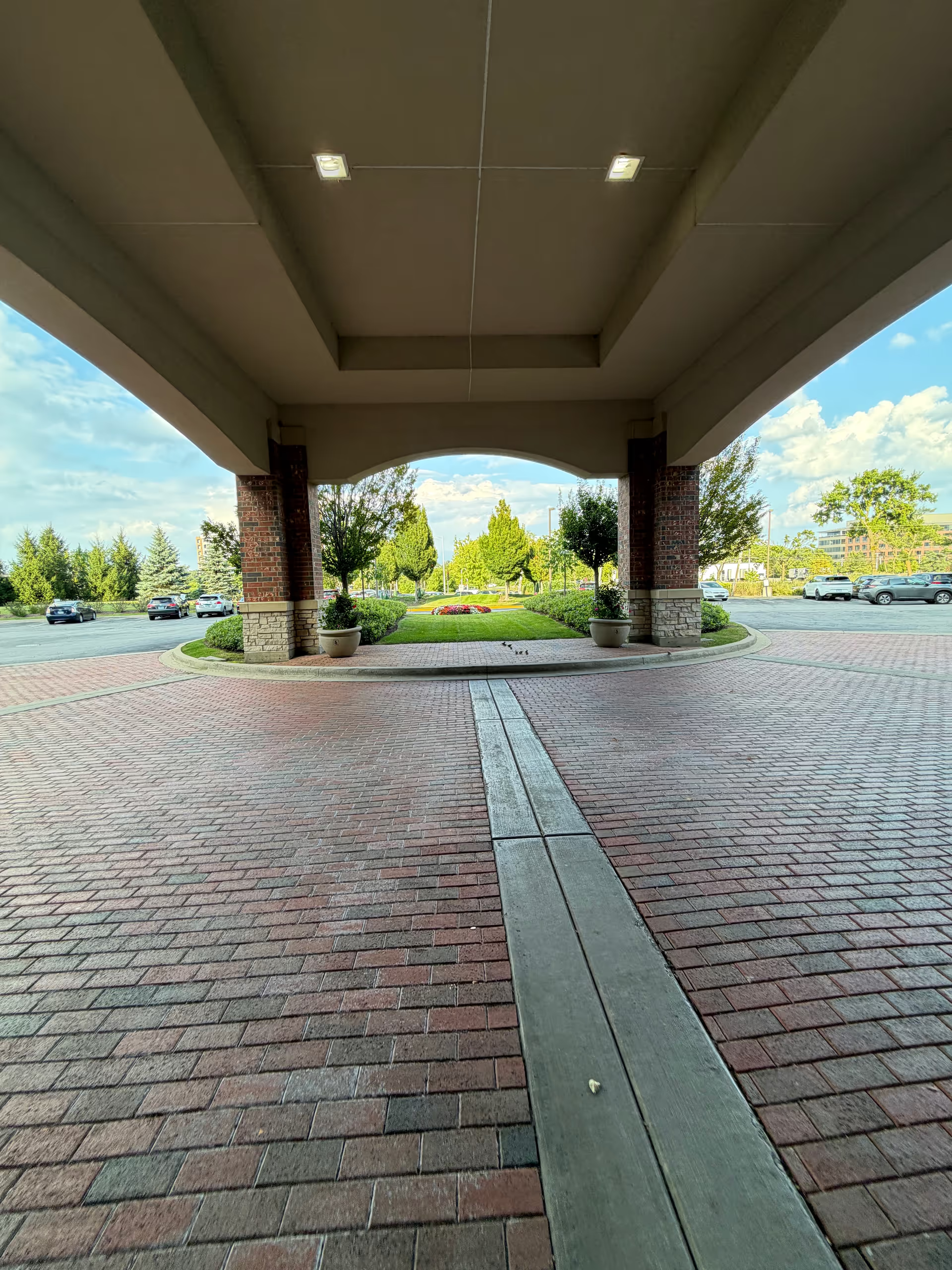
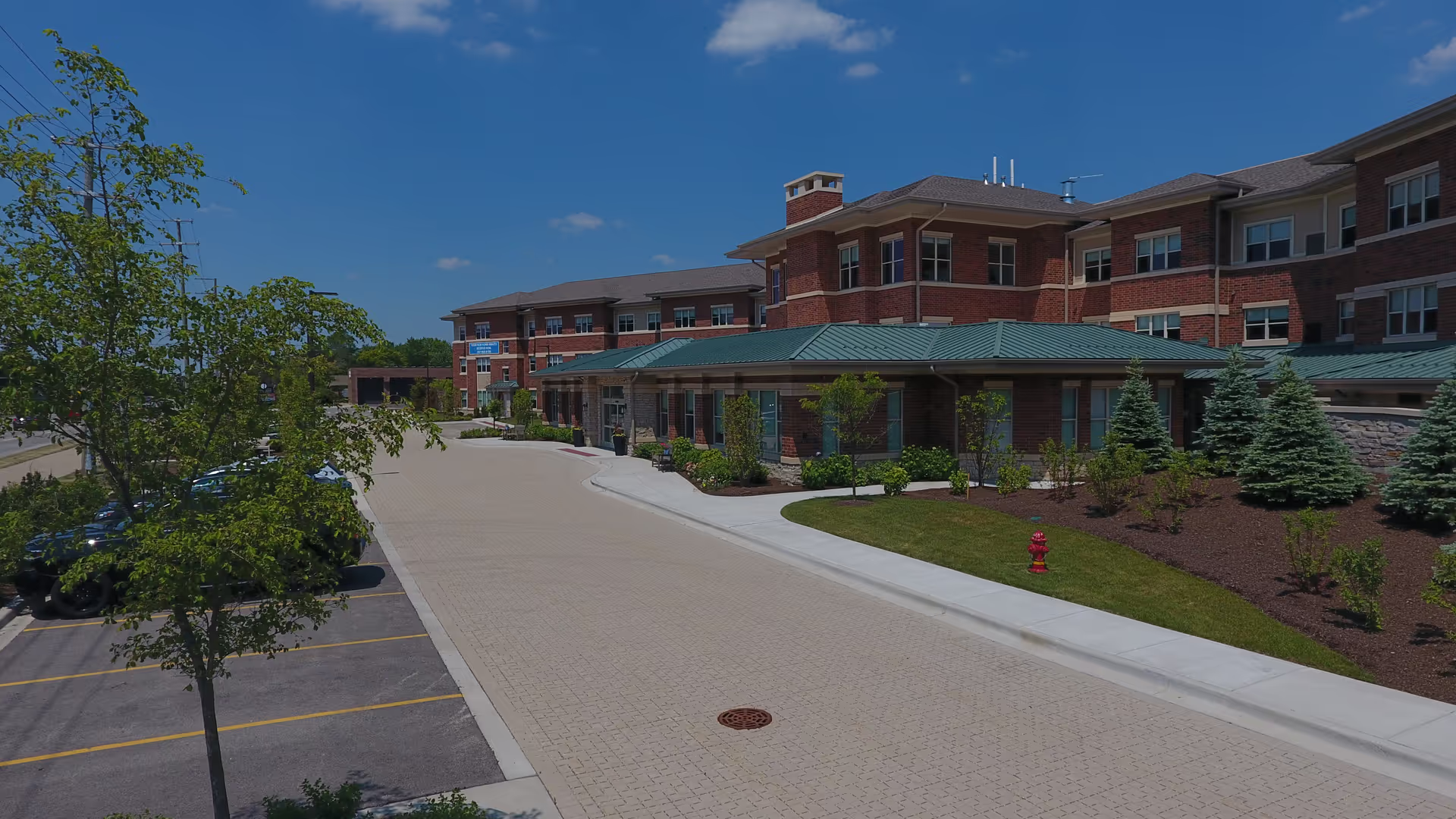
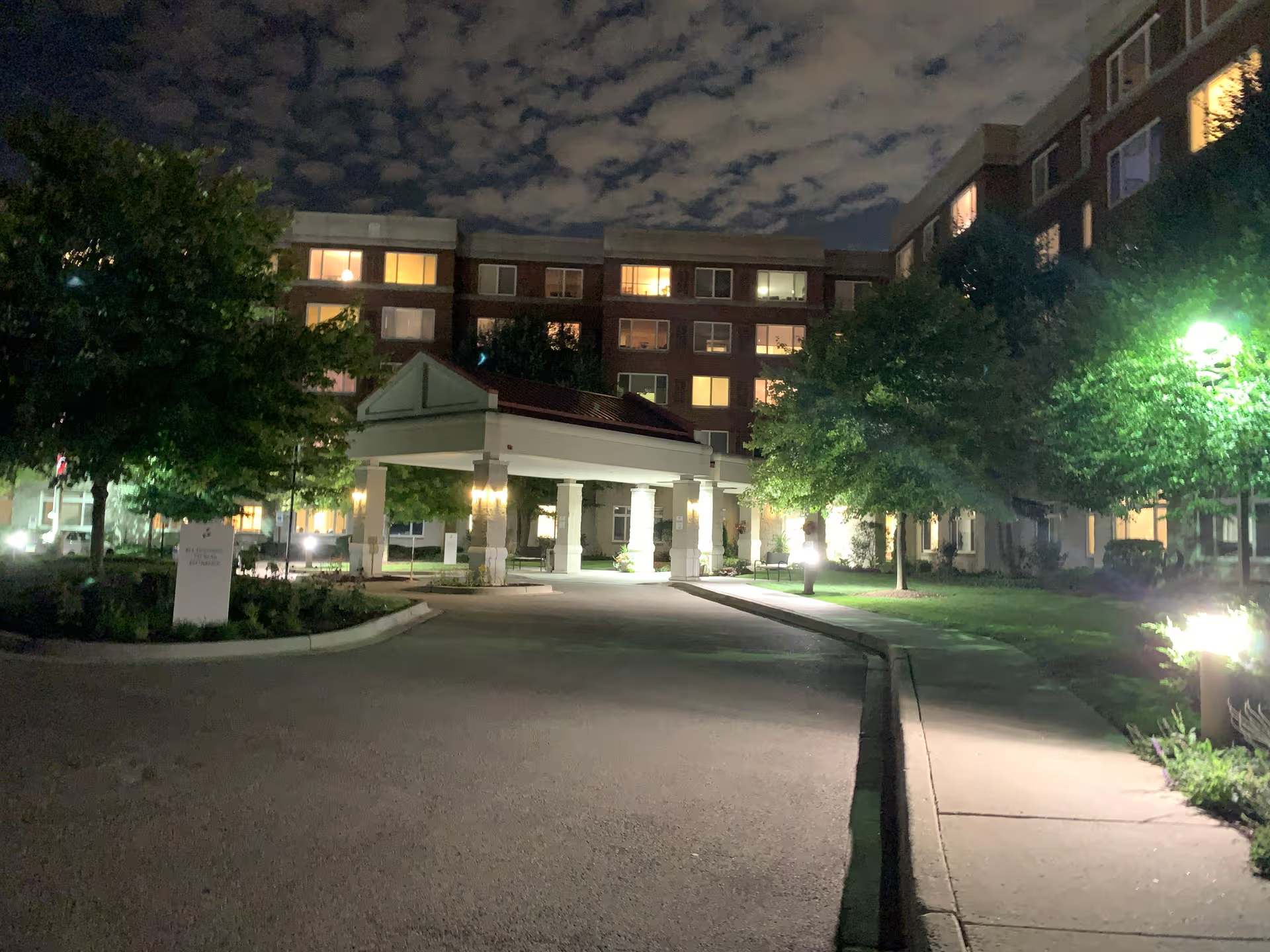
Facility condition and operations show a split between renovated and older areas. Several reviewers compliment newer units (especially joint-replacement rehab wings) and describe clean, well-maintained communal areas. At the same time, recurring comments call out dated décor, maintenance issues, temperature control problems, occasional water or utility interruptions, and sanitation or pest-control concerns in specific areas. Documentation and administrative processes — including billing errors, insurance/authorization confusion, and discharge coordination failures such as missing medication lists — emerge as systemic operational weaknesses that can materially affect transitions of care.
Taken together, the pattern suggests Whitehall of Deerfield is a rehab-capable center with high-performing therapy and clinical teams in many cases, supported by amenities that enhance resident experience. But there are consistent operational vulnerabilities: uneven staffing coverage, administrative and billing inconsistencies, environmental/maintenance issues in older units, and occasional lapses in medication/documentation practices. Prospective families should weigh the strong therapy and clinical offerings against these operational risks. When evaluating the facility, consider touring the specific unit you would use (day and evening), asking about night staffing ratios and recent turnover, reviewing medication-reconciliation and discharge procedures, confirming pest-control and maintenance plans, and clarifying billing and insurance processes to reduce the chance of unexpected problems.