Overall impression: Feedback for Westmont Manor Health and Rehab Center is highly mixed, with a clear pattern of strong rehabilitative services and individual caregivers contrasted against recurring operational weaknesses. Many families praise therapy results and cite dedicated nurses, CNAs, and an attentive admissions team; however, multiple operational gaps—particularly around staffing, medication processes, hygiene, and communication—are consistently raised.
Care and clinical oversight: The facility’s physical and occupational therapy programs are a clear strength, with several reviewers noting measurable functional gains and effective therapy leadership. At the same time, reviews identify irregularities in medication administration and clinical monitoring, including missed or delayed doses and insufficient escalation in some situations. A few reviewers described severe clinical-safety concerns that prompted hospitalization or escalation; while these appear to be less common than therapy praise, they are significant and recommend verification with current quality metrics before admission.
Staffing and staff conduct: Caregiver attributes are described unevenly. Many accounts commend compassionate, attentive nurses and CNAs and name individual staff positively. Conversely, chronic understaffing, high turnover, and extensive use of agency/temporary personnel are recurrent themes. These staffing patterns are linked to slow response times to call lights, limited assistance overnight and on weekends, and inconsistent personal-care delivery. Reviews also reference concerns about staff communication style and responsiveness to family questions.
Dining and activities: Meal service appears inconsistent. Several reviews describe limited or irregular menus, meals delivered from an external vendor and reheated on-site, and occasions when food temperature or nutritional balance was suboptimal. There are also comments about limited activities programming in some stays, though memory-care availability is a noted service offering.
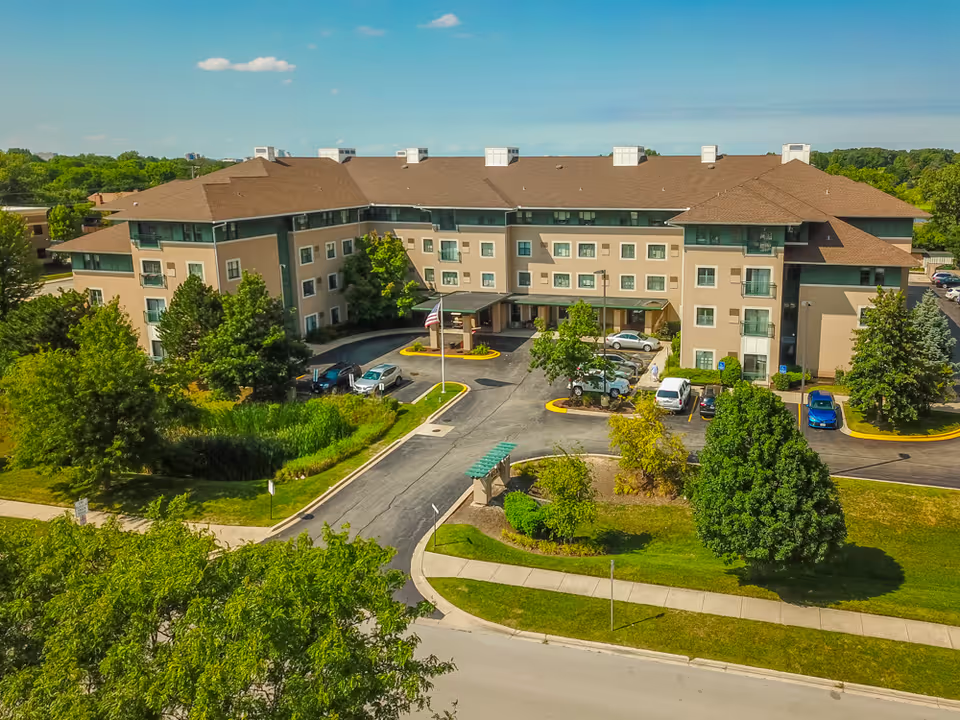
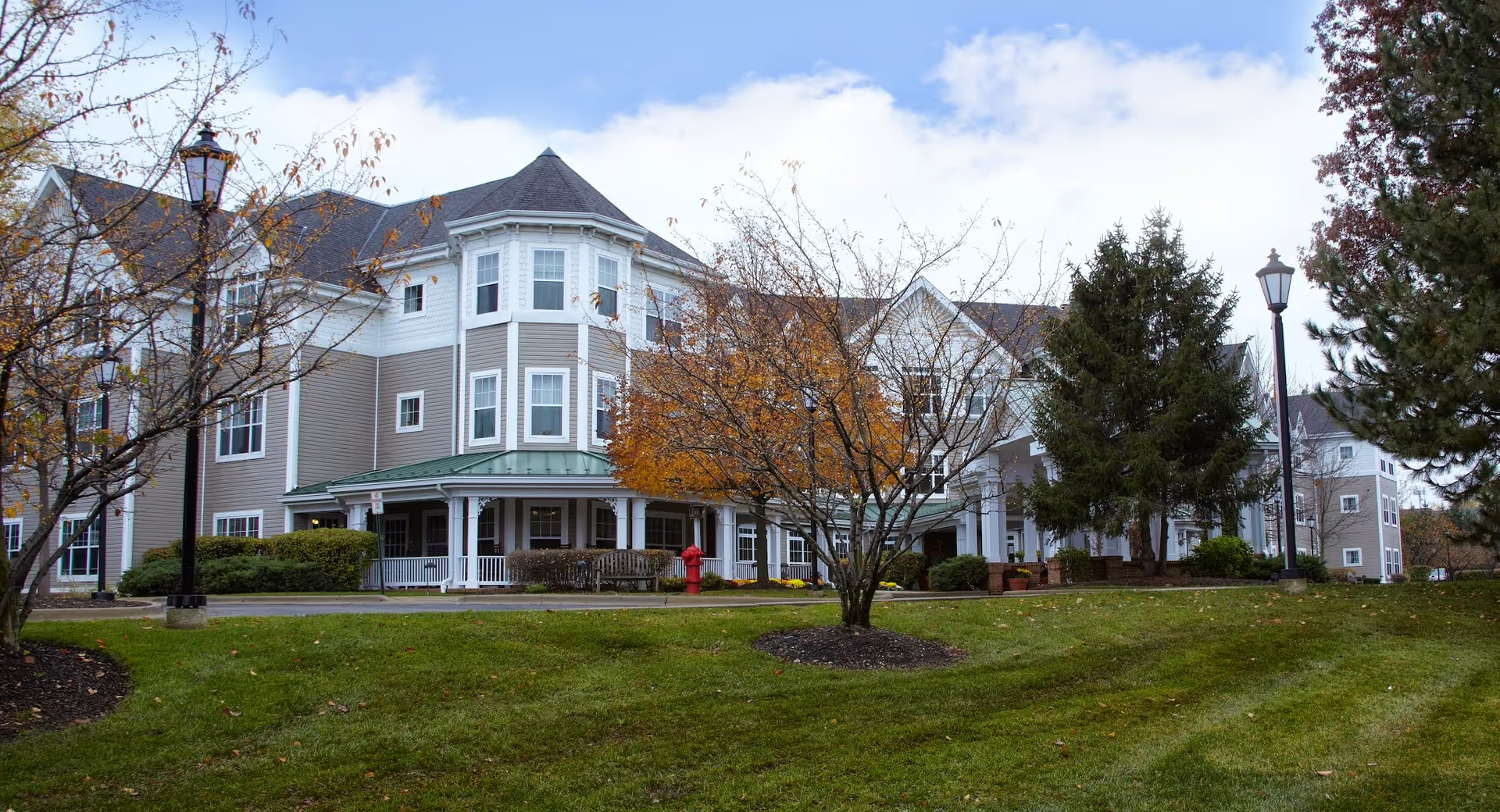
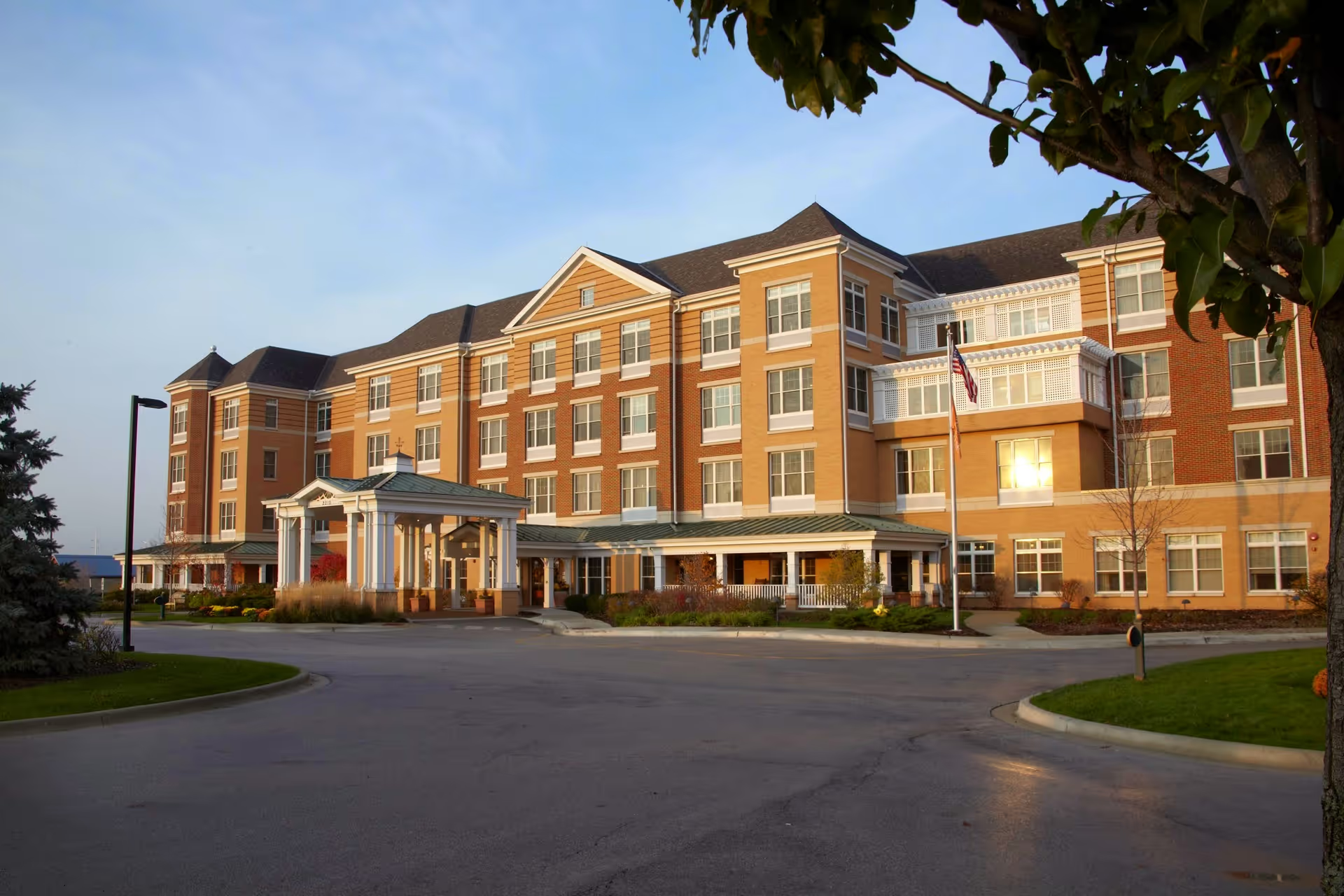
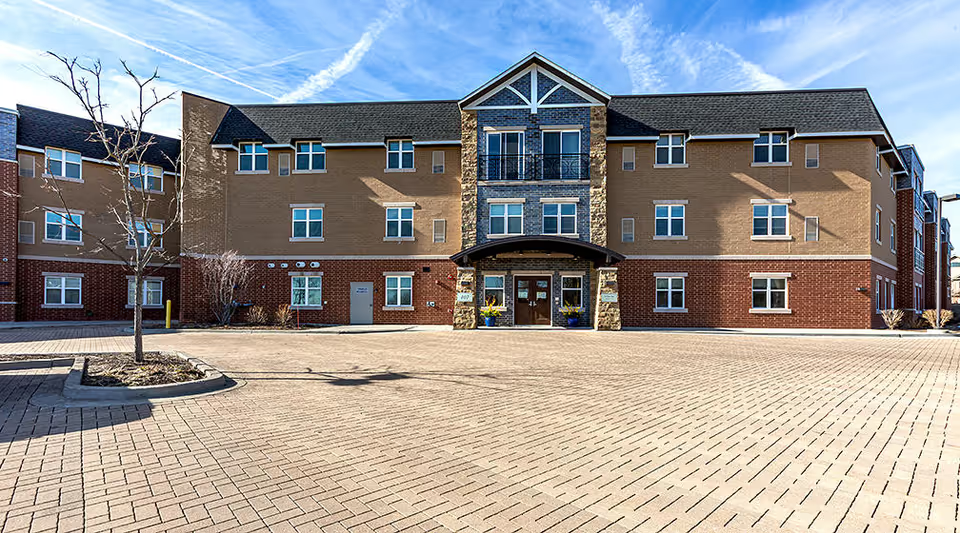
Facilities and hygiene: The physical plant is characterized as older by many reviewers. Positive notes include areas that are clean and odor-free and the presence of amenities such as in-house dialysis. However, others describe variable cleanliness and sanitation in resident rooms and common areas, concerns about timely bathing and incontinence care, and small, sparsely furnished rooms. Pet visitation and a generally welcoming dining environment are mentioned as positives in some accounts.
Management and communication: Administrative performance is described variably. Some reviewers praise individual administrators and front-desk staff for clear communication and supportive discharge planning; others report poor responsiveness from social services, unanswered phone lines, unreturned calls, and unmet promises about equipment or care plans. These mixed accounts suggest variability in leadership responsiveness over time or between units.
Notable patterns for prospective families: The most consistent positive is the strength of the therapy program and the impact of particular staff members. The most consistent concerns are staffing reliability, medication and clinical-monitoring processes, infection-control and catheter-care practices, meal-service consistency, and communication with families. Because experiences appear to vary widely, prospective residents and families should: (1) tour the unit and observe staffing levels at different times of day, (2) ask for current staffing ratios and medication-administration protocols, (3) inquire about meal sourcing and sample menus, (4) review recent inspection and quality reports, and (5) request specific contacts in social services and nursing to understand how communication and care coordination are handled.
In summary, Westmont Manor shows strengths in rehabilitation and has many individual staff members who receive high praise. These positives coexist with operational and clinical-safety concerns that warrant careful, current verification prior to placement. Evaluating the facility’s most recent staffing data, quality metrics, and inspection results will help determine whether the care environment aligns with a prospective resident’s needs.