The reviews portray a facility with a clearly polarized profile: many families and visitors praise the staff and administration for compassionate, family-focused care, while other comments identify recurring operational weaknesses. Strengths consistently mentioned include staff warmth and attentiveness, strong communication from administration, a personable admissions team, and dementia-capable programming with regular activities, exercises and crafts. Several accounts highlight restaurant-style dining, respectful service, a large dining room and other pleasant common-area features (including a well-maintained aquarium), and the availability of private rooms with en-suite bathrooms for some residents. Physical therapy and rehabilitation services are also noted as available.
At the same time, a number of reviews describe facility-level weaknesses that merit careful consideration. Cleanliness and odor concerns in some areas, deferred maintenance (roof and furniture problems, peeling walls), and small shared rooms were raised repeatedly. Clinical-process issues are a clear pattern: families described inconsistent bathing, repositioning, and incontinence-care practices, variability in hydration and nutrition management, and concerns about medication-administration processes. These operational gaps contribute to an uneven experience where resident care and oversight can vary depending on staffing and shift.
Management and communication are strengths in many accounts—several relatives praised proactive updates and responsiveness—but other reviewers described instances of slow or inconsistent follow-up and an unresponsive director in specific situations. There are also concerns about isolation and transfer protocols and a few serious adverse outcomes that prompted questions about clinical decision-making and transparency; prospective families should ask direct questions about the facility's isolation, transfer, and end-of-life procedures during tours.
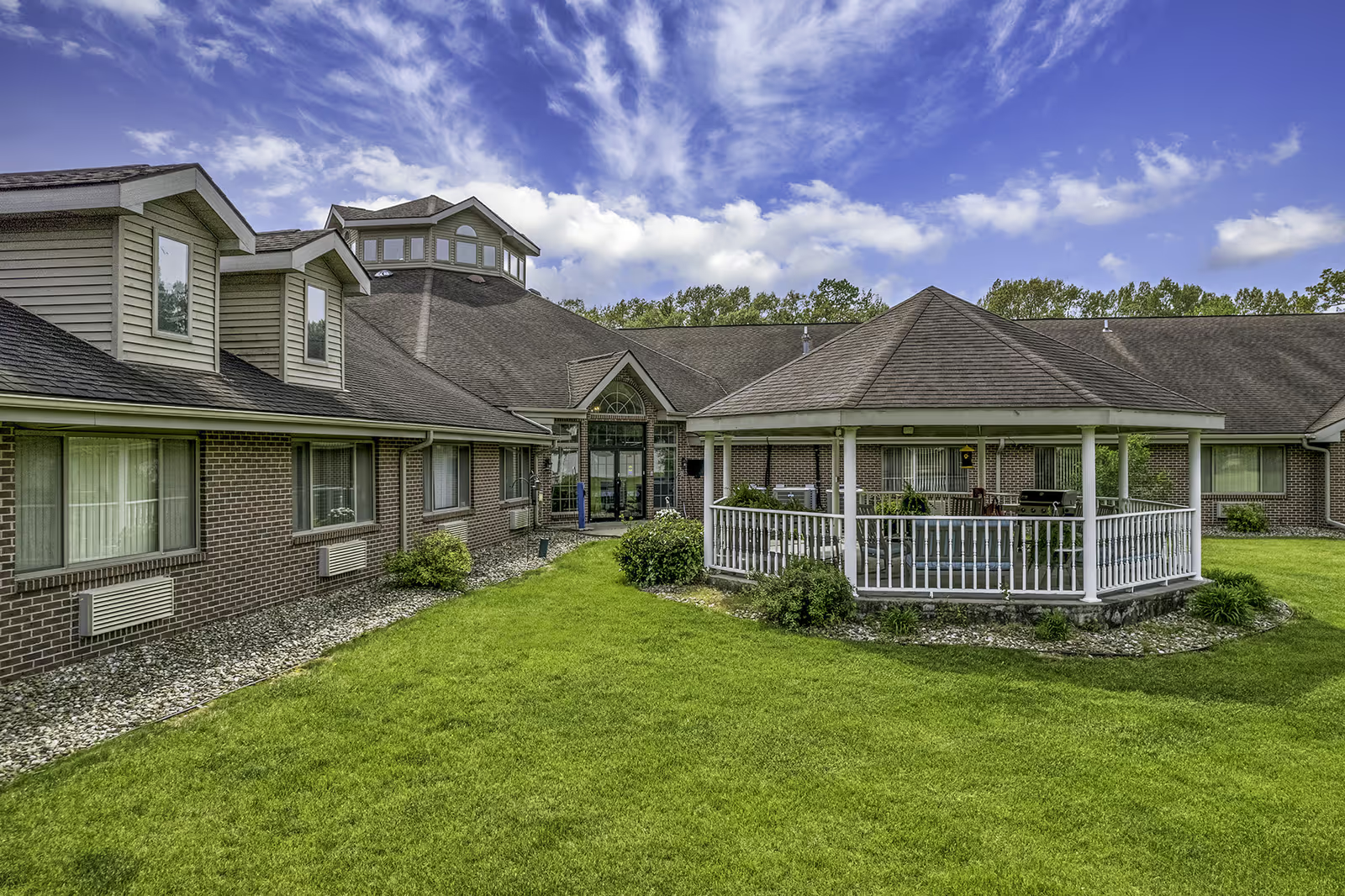
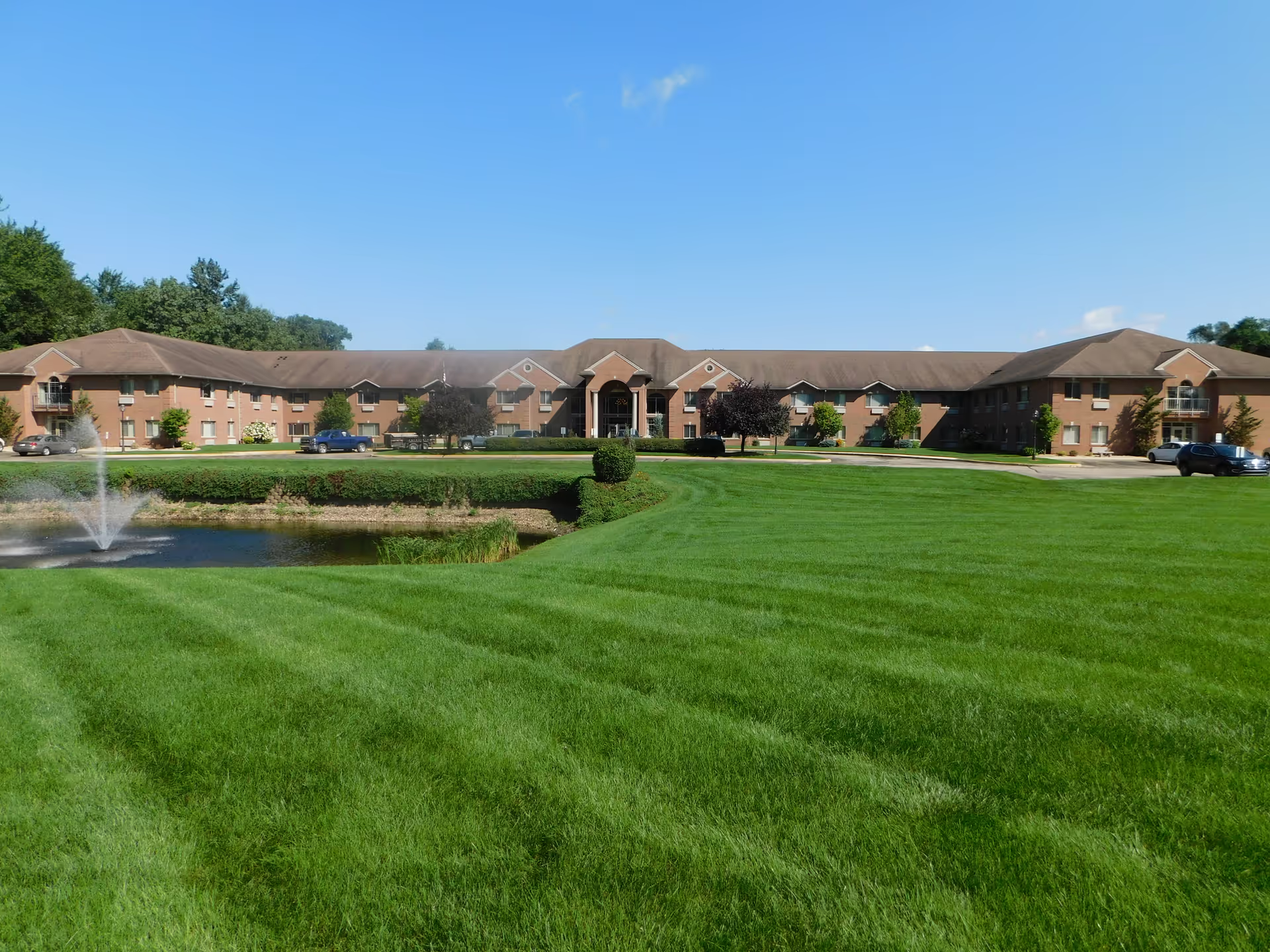
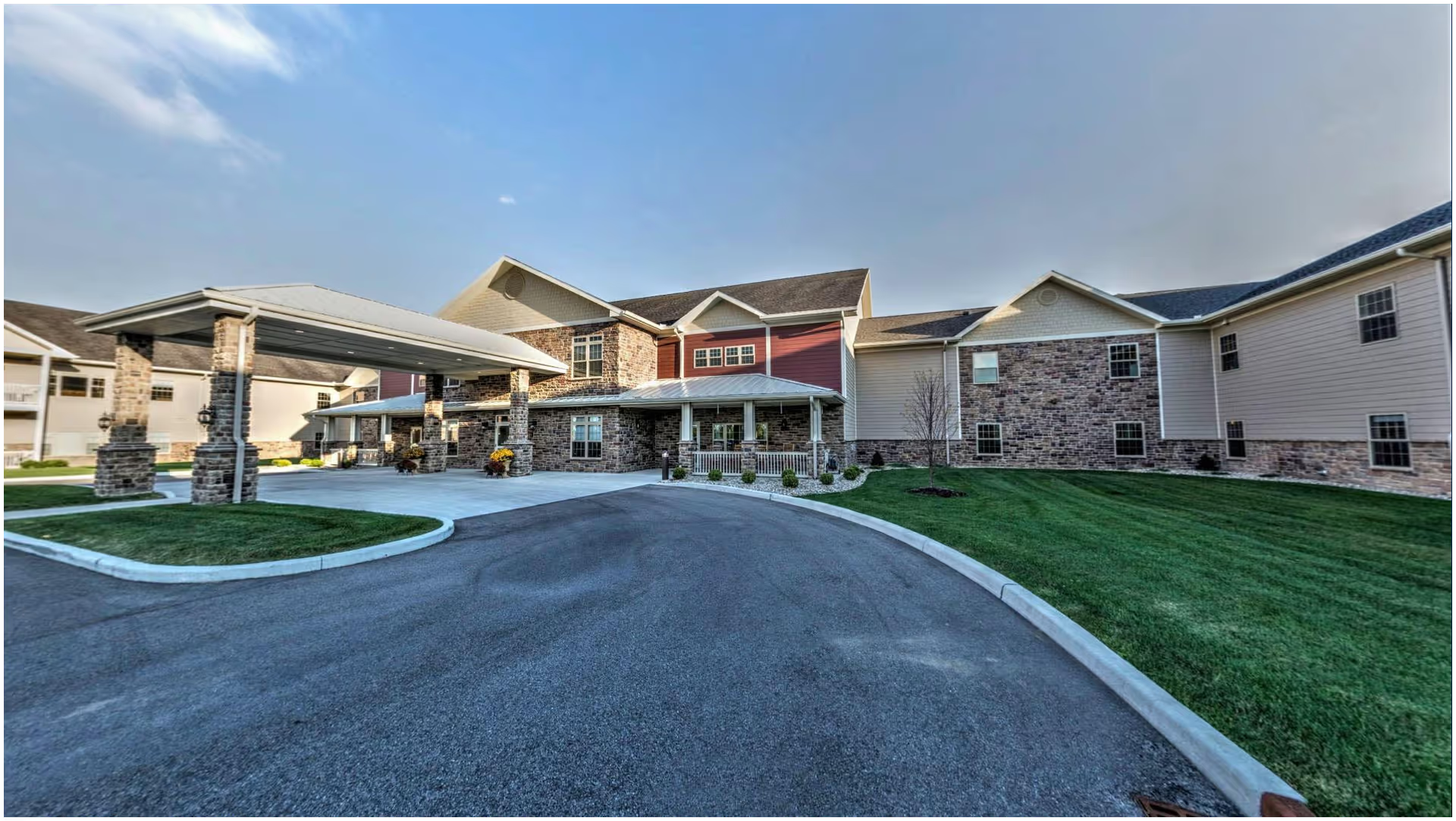
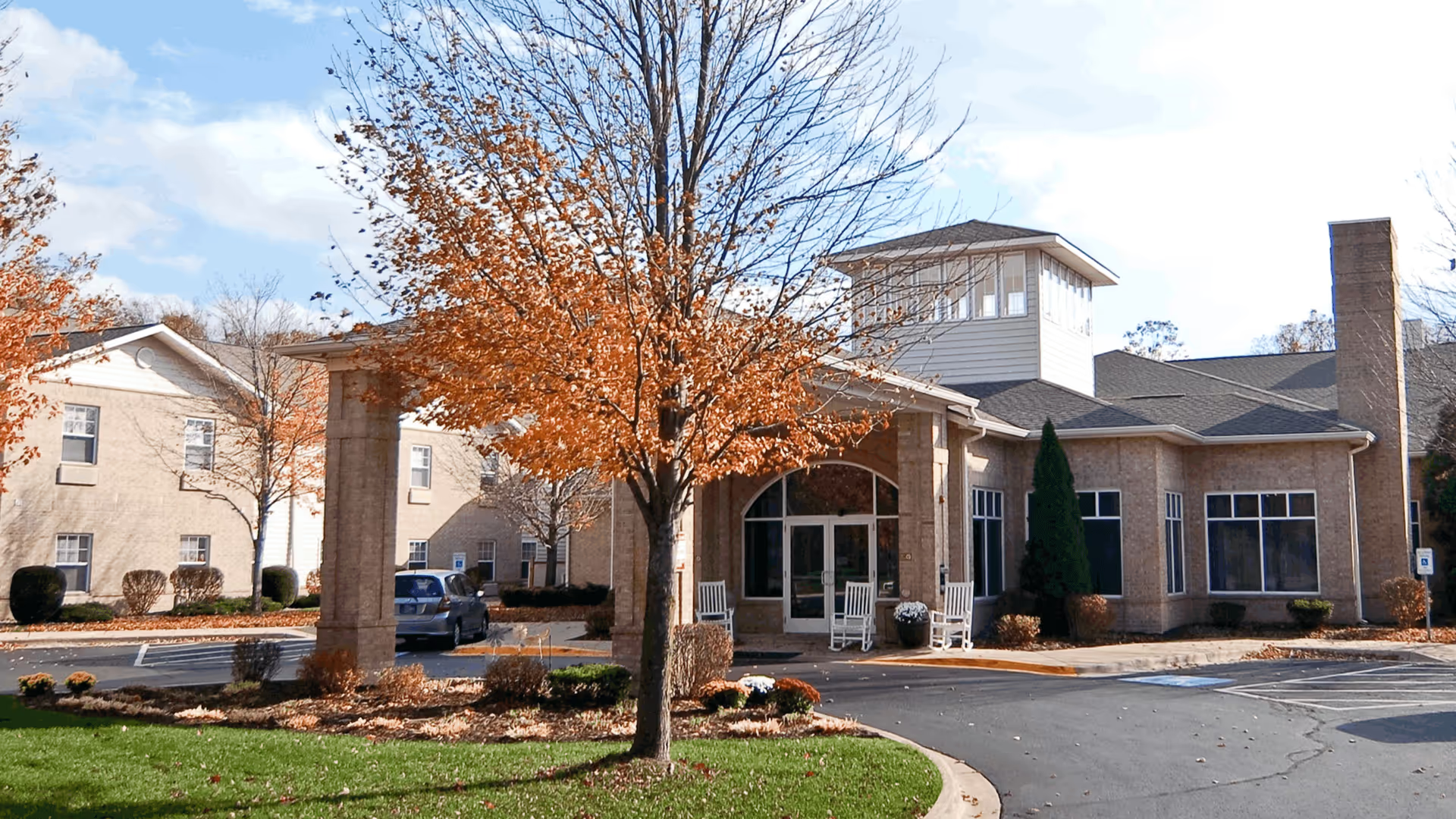
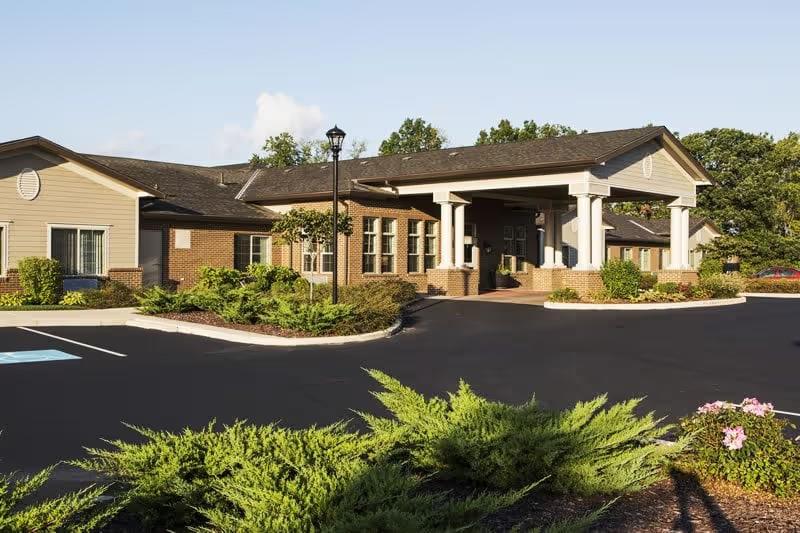
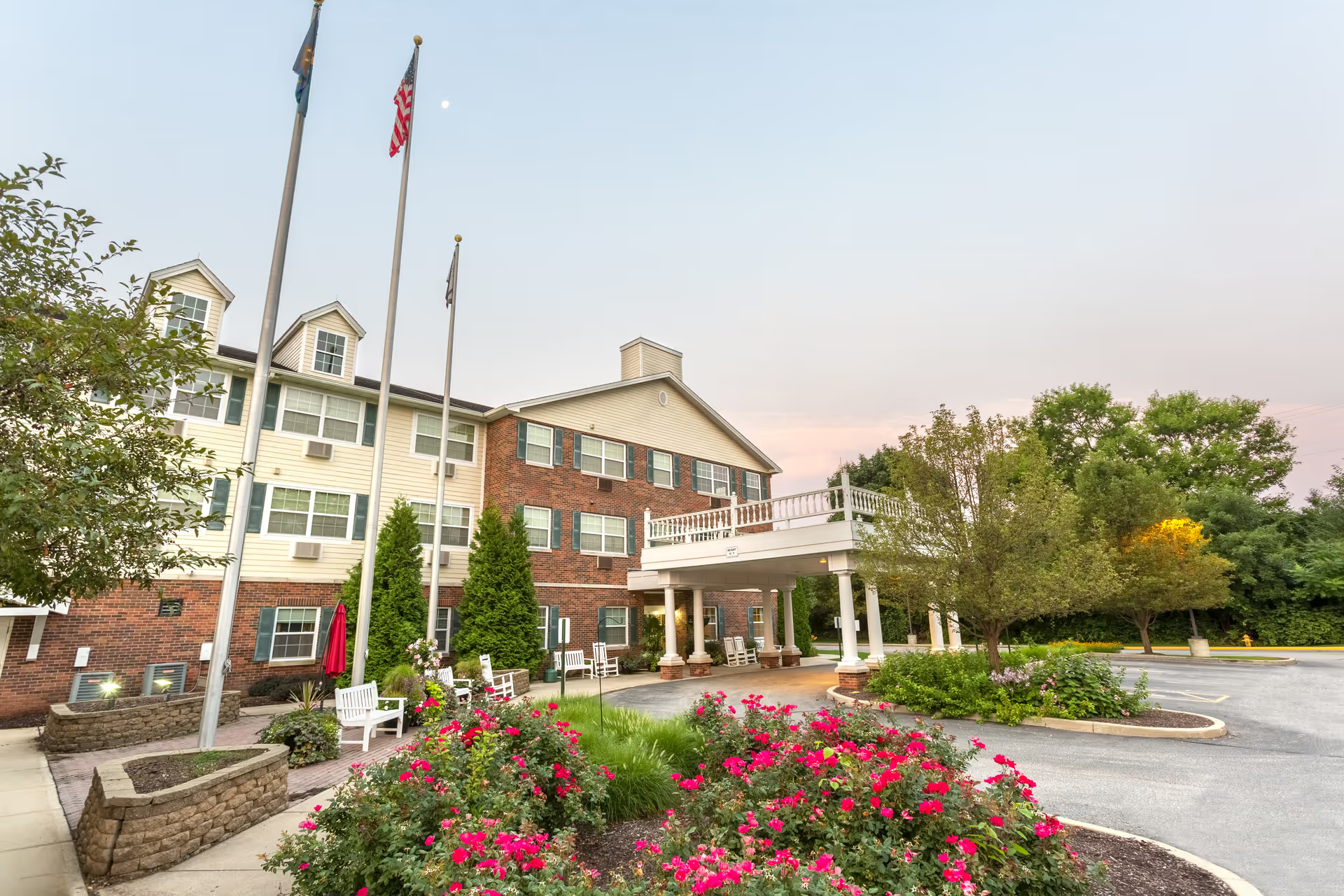
Overall, Elkhart Meadows appears to deliver strong, person-centered care when staffing and leadership engagement are consistent, with particularly notable strengths in dining, activities, and memory-care programming. Prospective residents and families should weigh those positives against operational issues related to building upkeep, sanitation in some areas, and variability in clinical processes. Recommended due diligence actions include an in-person tour to verify current facility condition and photos, direct questions about staffing ratios and medication/feeding protocols, review of skin-care and repositioning procedures, and conversations with administration about how they address maintenance and serious clinical incidents.