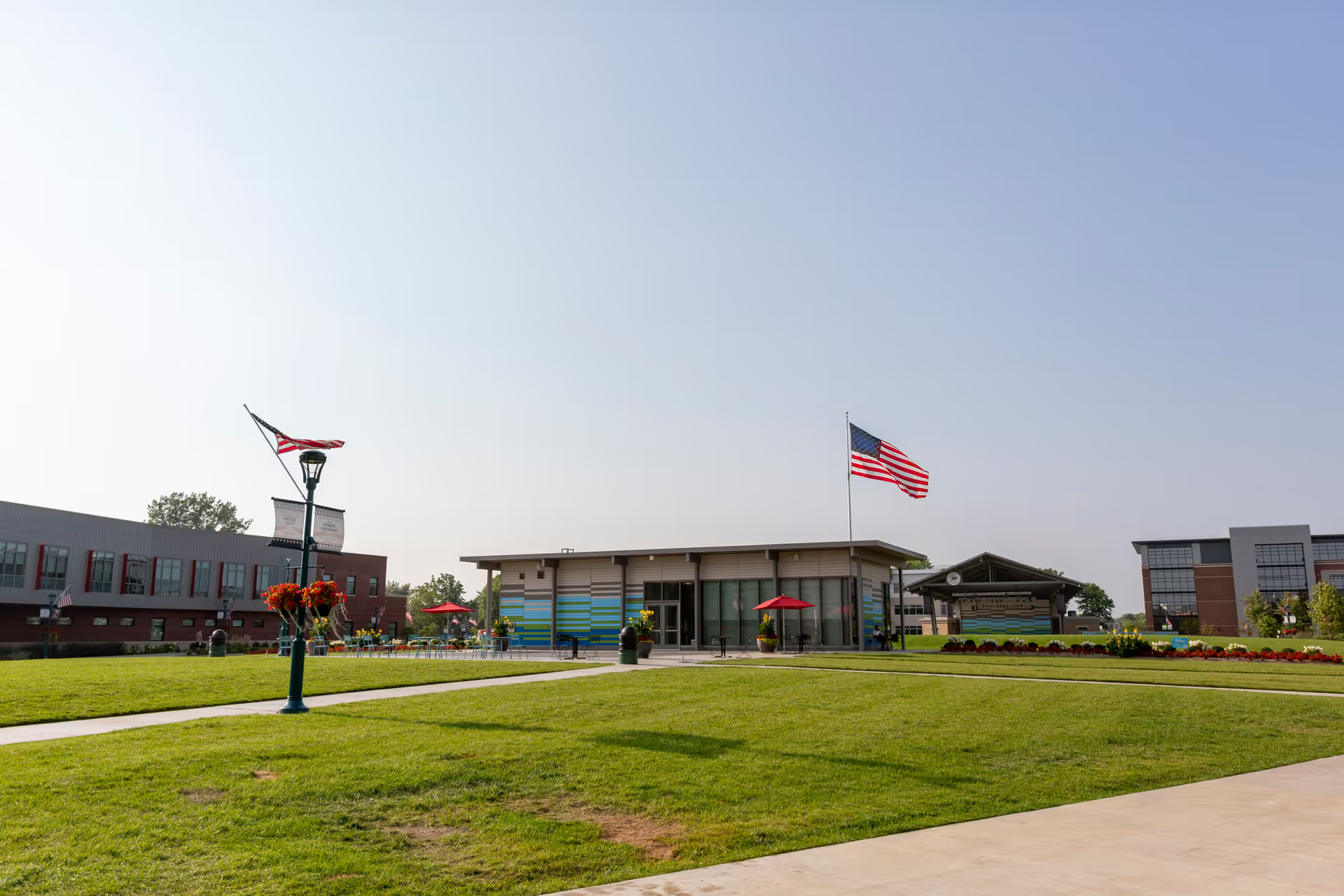
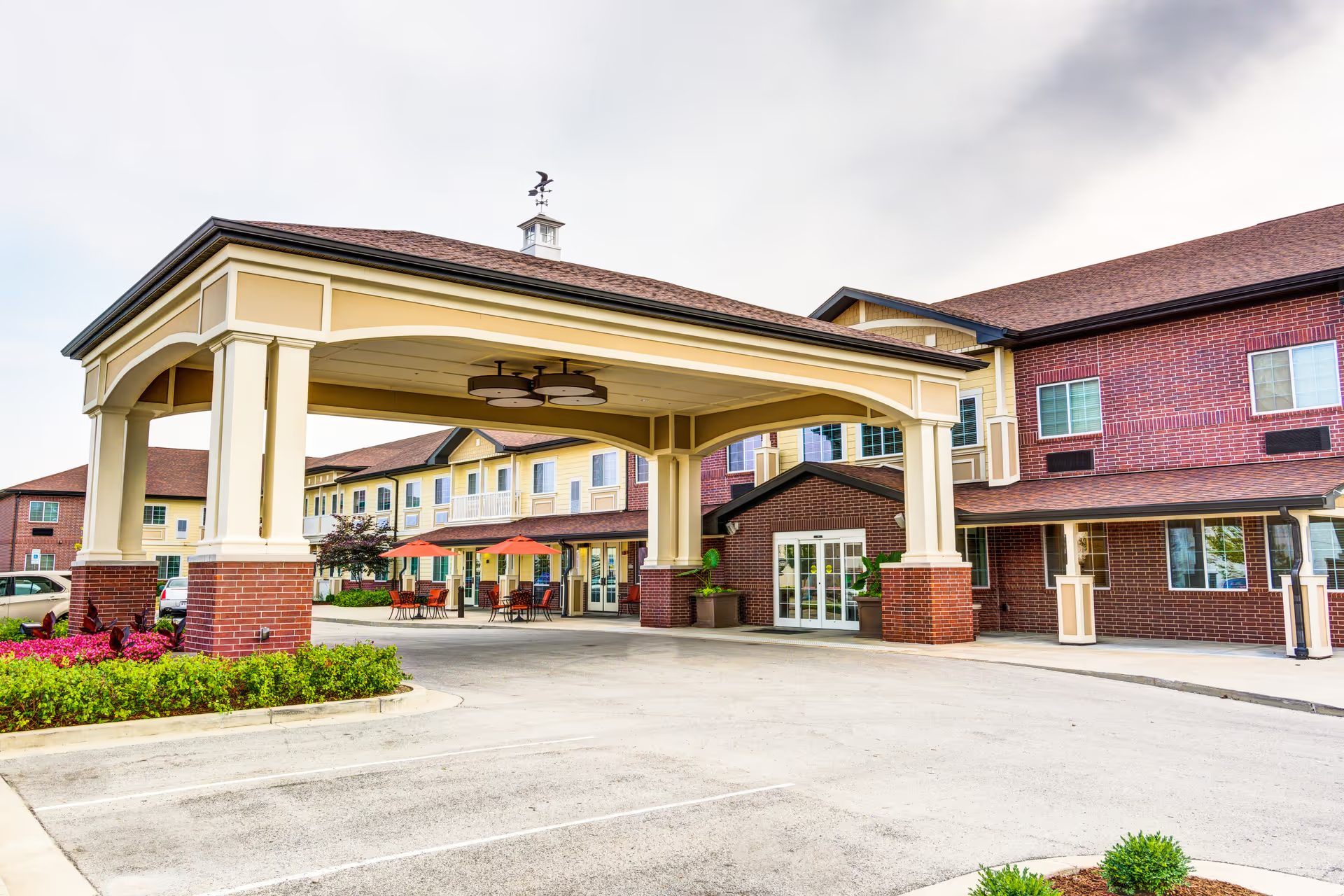
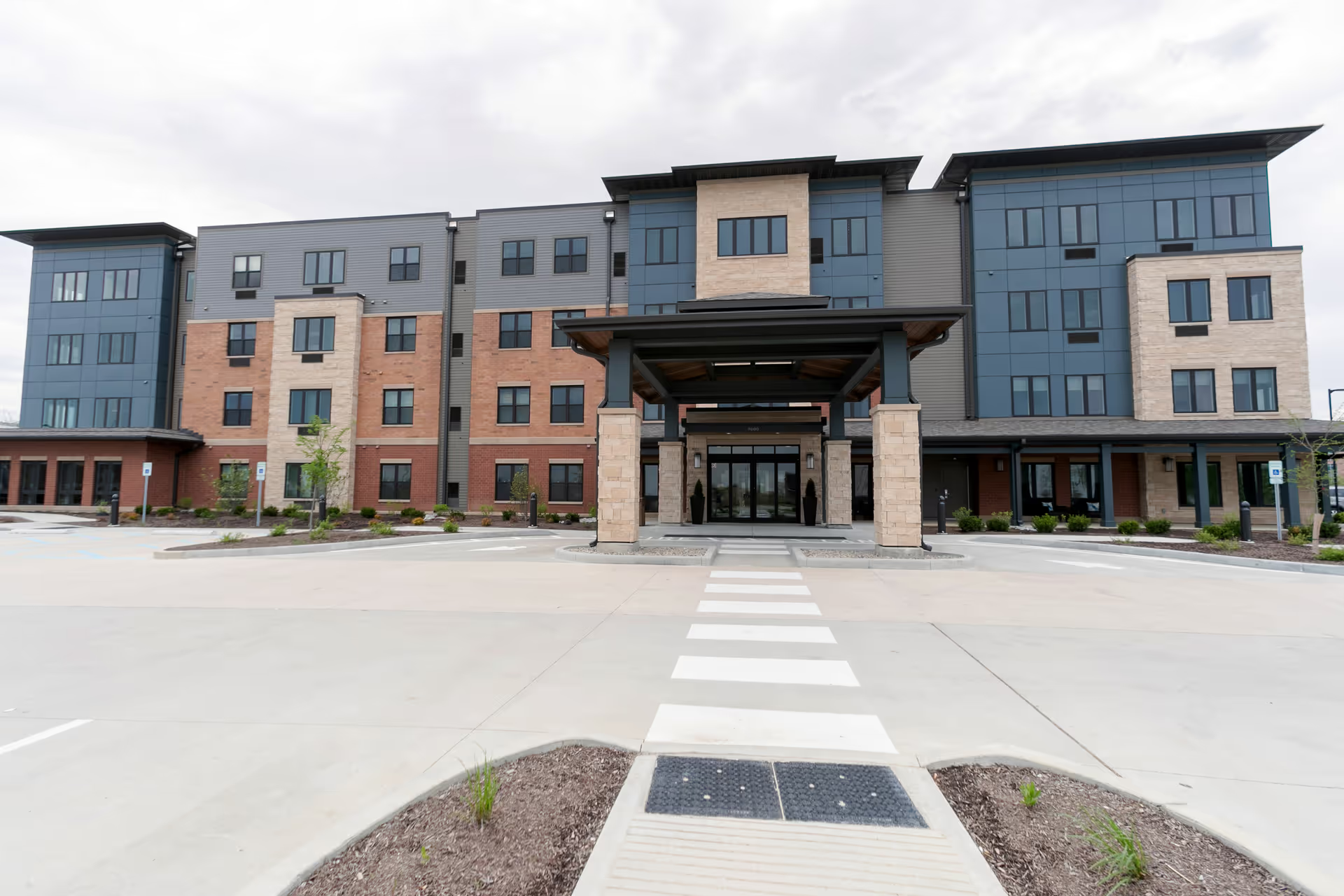
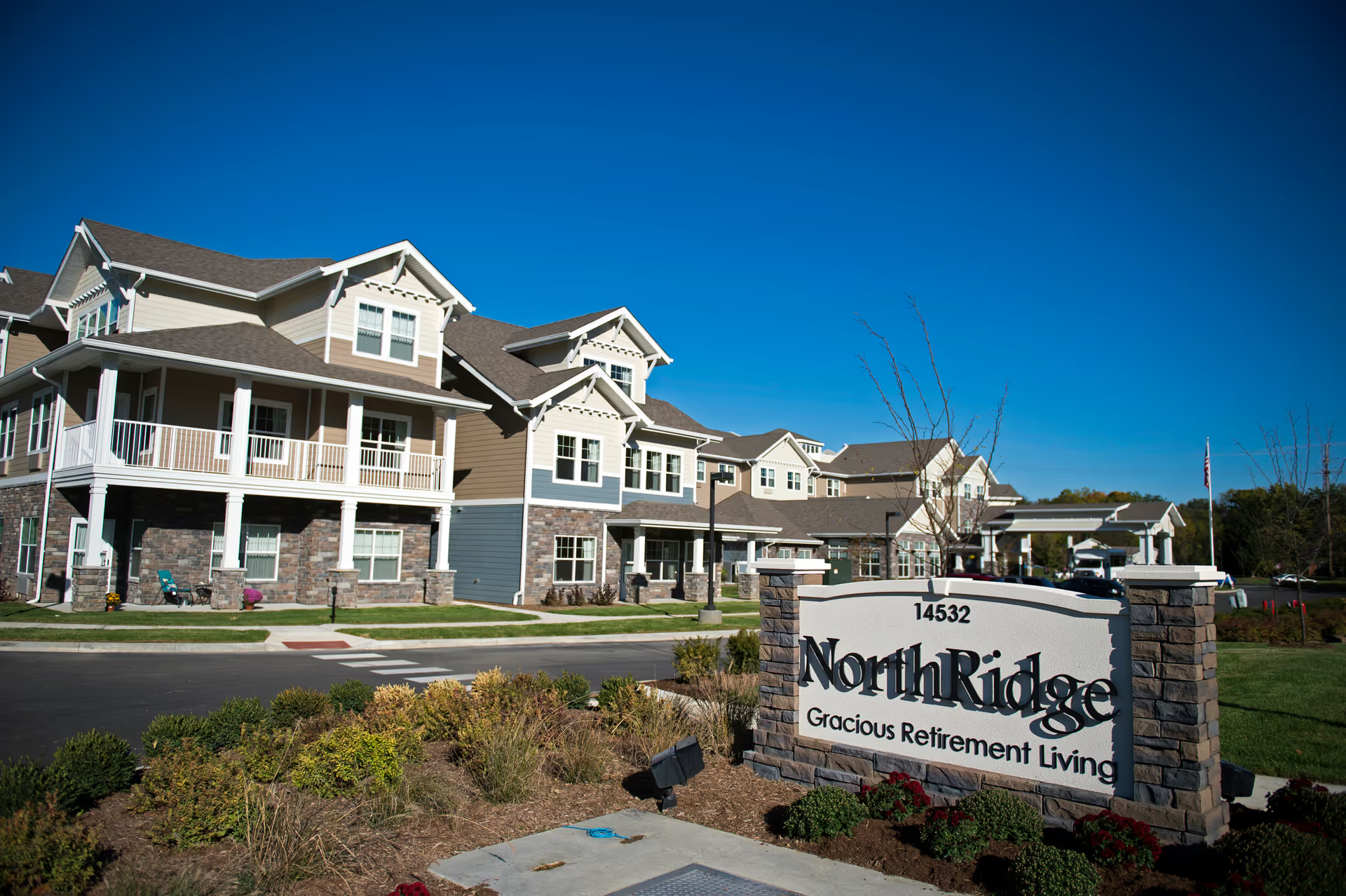
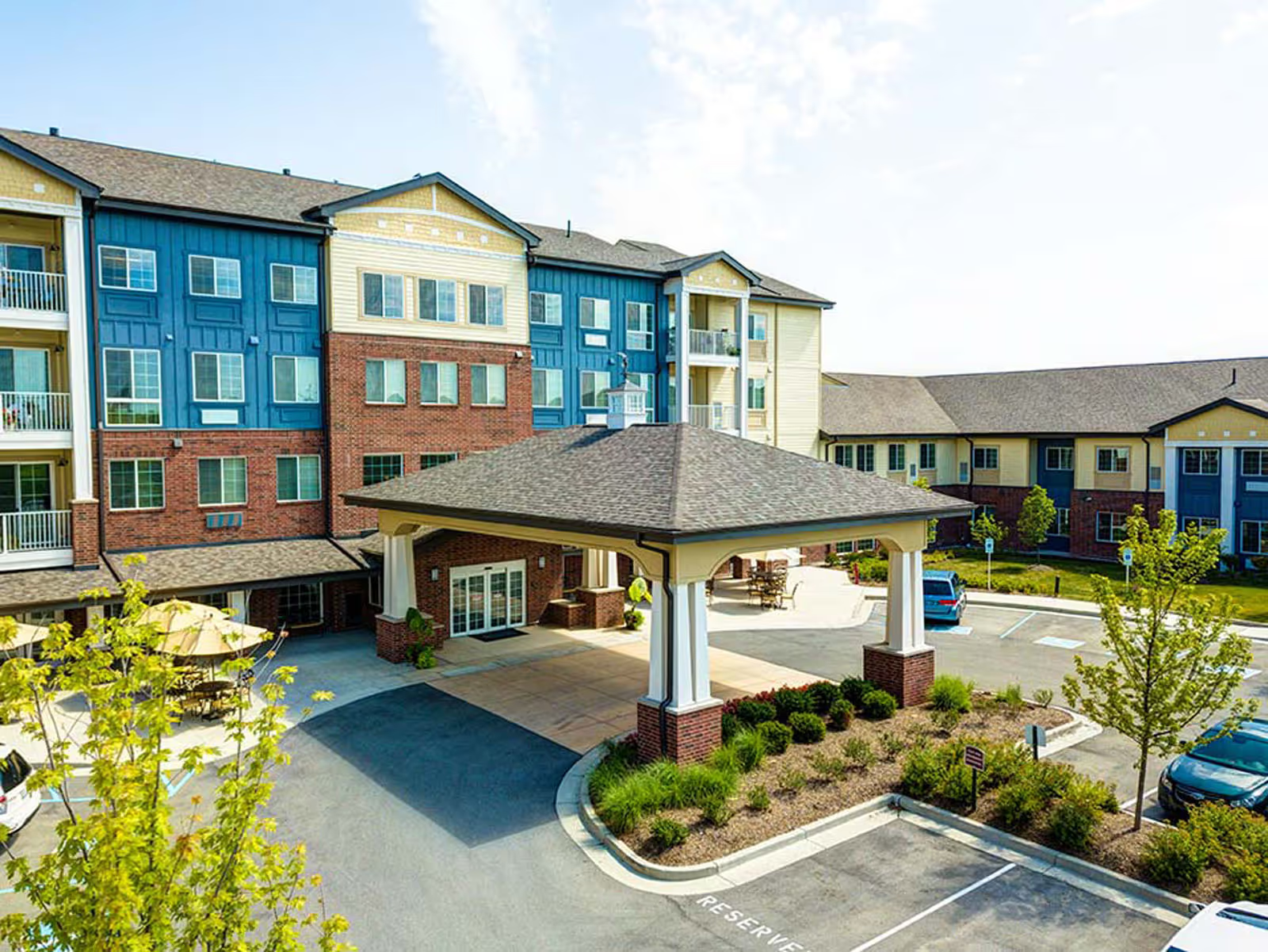
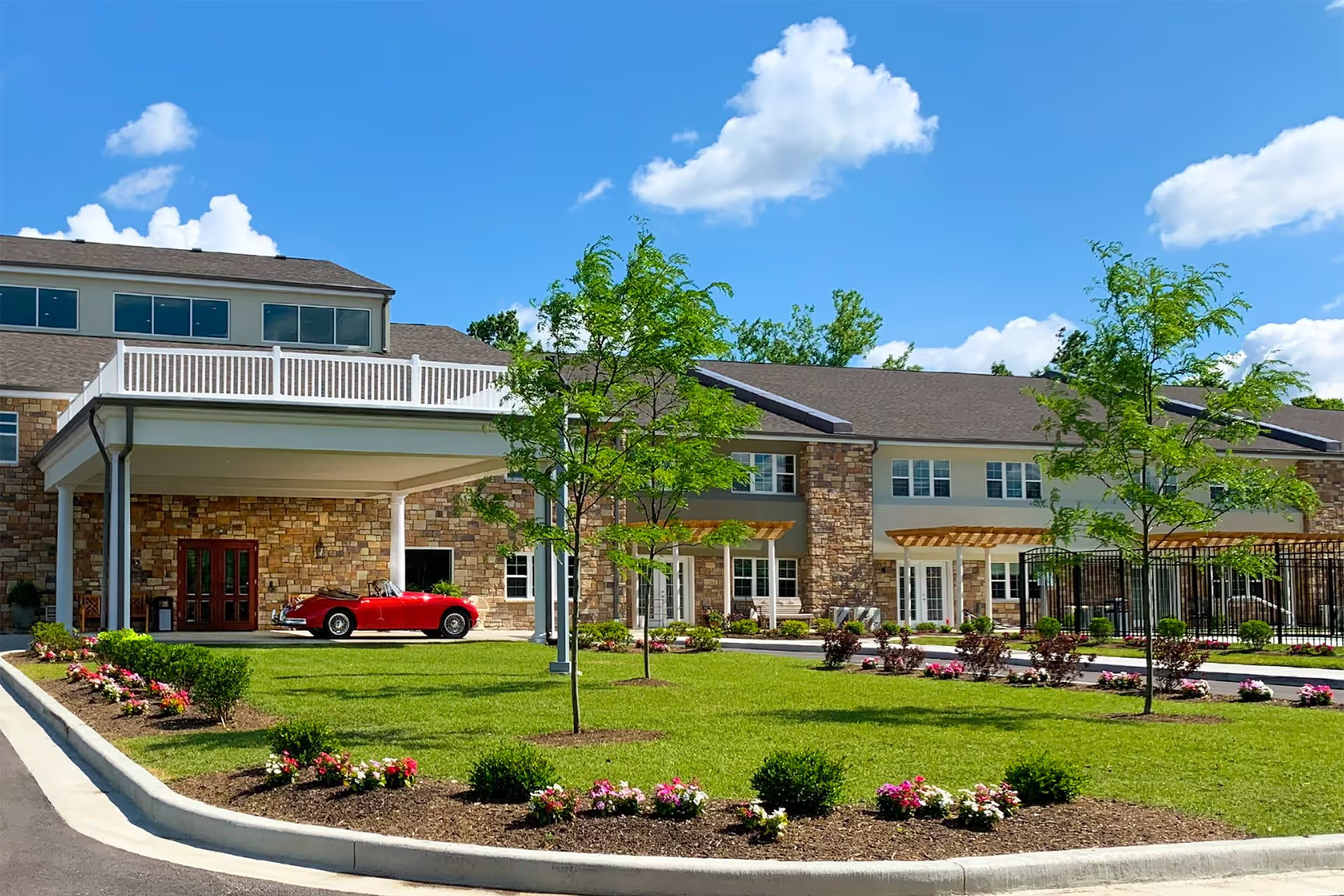
Hamilton Trace elicits strongly polarized impressions. Many families and residents describe a well-appointed campus with clean apartments, robust independent-living amenities, an active activities calendar, and a therapy department that can deliver meaningful rehabilitation. The community is frequently praised for a welcoming atmosphere, an engaged activities team, onsite services such as a salon and transportation, and an on-site chef who provides varied menus. Admissions and social-services staff are often cited as helpful and communicative, and maintenance response for room or equipment requests is commonly described as prompt.
Clinical-care experiences are mixed and appear to depend heavily on staffing and shift. A substantial number of accounts highlight skilled, patient-focused therapists and compassionate nurses and aides who facilitate recovery and independence. Conversely, several families describe operational gaps: slow call-light responses, inconsistent toileting and bathing schedules, variability in therapy time and intensity, and concerns about wound-care and pressure-injury management. Medication administration and timely pain-control have also been raised as intermittent issues, along with isolated equipment failures that affected transfers or mobility aids.
Dining and activities are among the facility's strengths, with frequent references to varied menus, large portions, and many resident-focused programs (exercise classes, games, outings, and social events). At the same time, meal-service coordination is an area of recurrent concern: wrong orders, cold meals, missing condiments, and staffing gaps in the kitchen have been reported. The independent-living portion of the community receives consistent positive feedback for layout, cleanliness, and apartment features; some comments contrast that with a more clinical feel or cleanliness and odor concerns in specific clinical wings.
Management and operational oversight show points of strength and weakness. Families name specific staff who are responsive and compassionate, but they also describe periods of high turnover, reduced weekend and night coverage, delayed responses from leadership, and weaknesses in documentation and follow-through after care meetings. Infection-control practices and PPE adherence were singled out in some accounts as inconsistent, and there are isolated but serious allegations concerning admissions pressure and property handling that families should verify directly with leadership and regulators.
For prospective residents and families: Hamilton Trace offers many tangible advantages—therapy resources, amenities, dining, and active programming. However, decision-making should include verification of current staffing levels (day/night/weekend), observation of call-light responsiveness and dining service during a visit, review of the facility’s infection-control and medication-administration protocols, and a clear discussion about care-plan documentation, wound-care procedures, and transfer policies. Asking for recent inspection or quality metrics and for names of on-shift clinical leads can help clarify whether the aspects highlighted positively in many accounts are consistently present for a particular unit or stay.