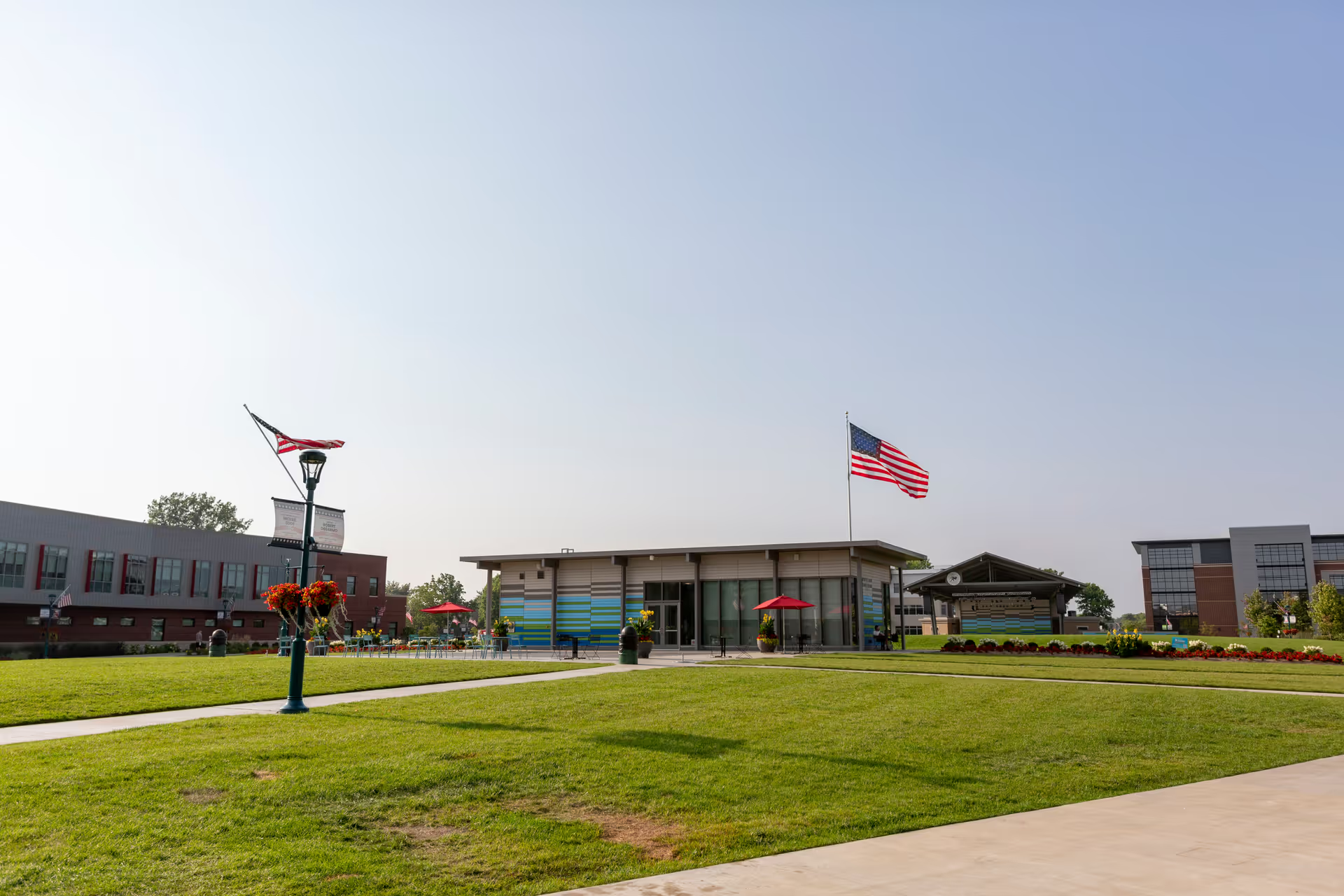
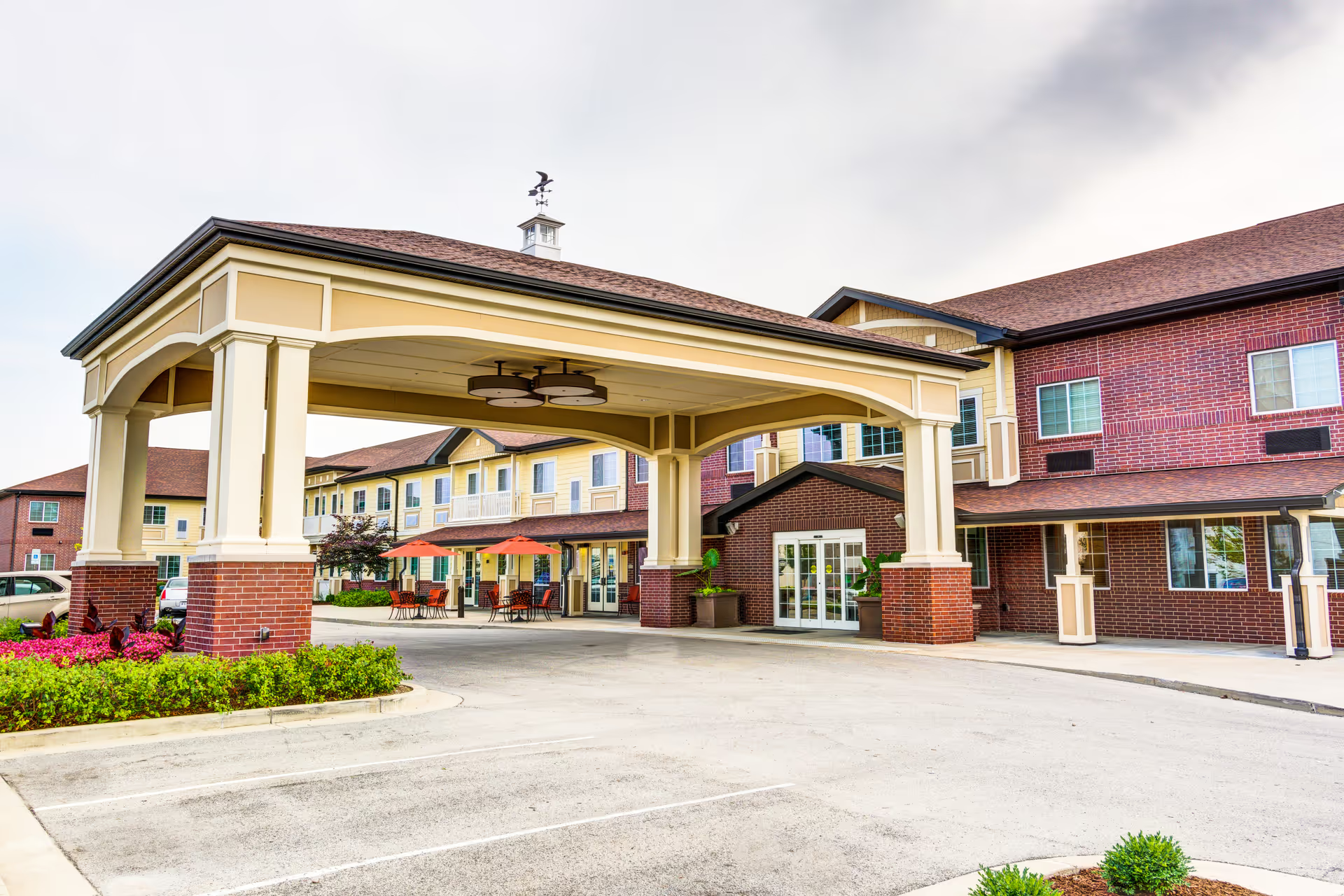
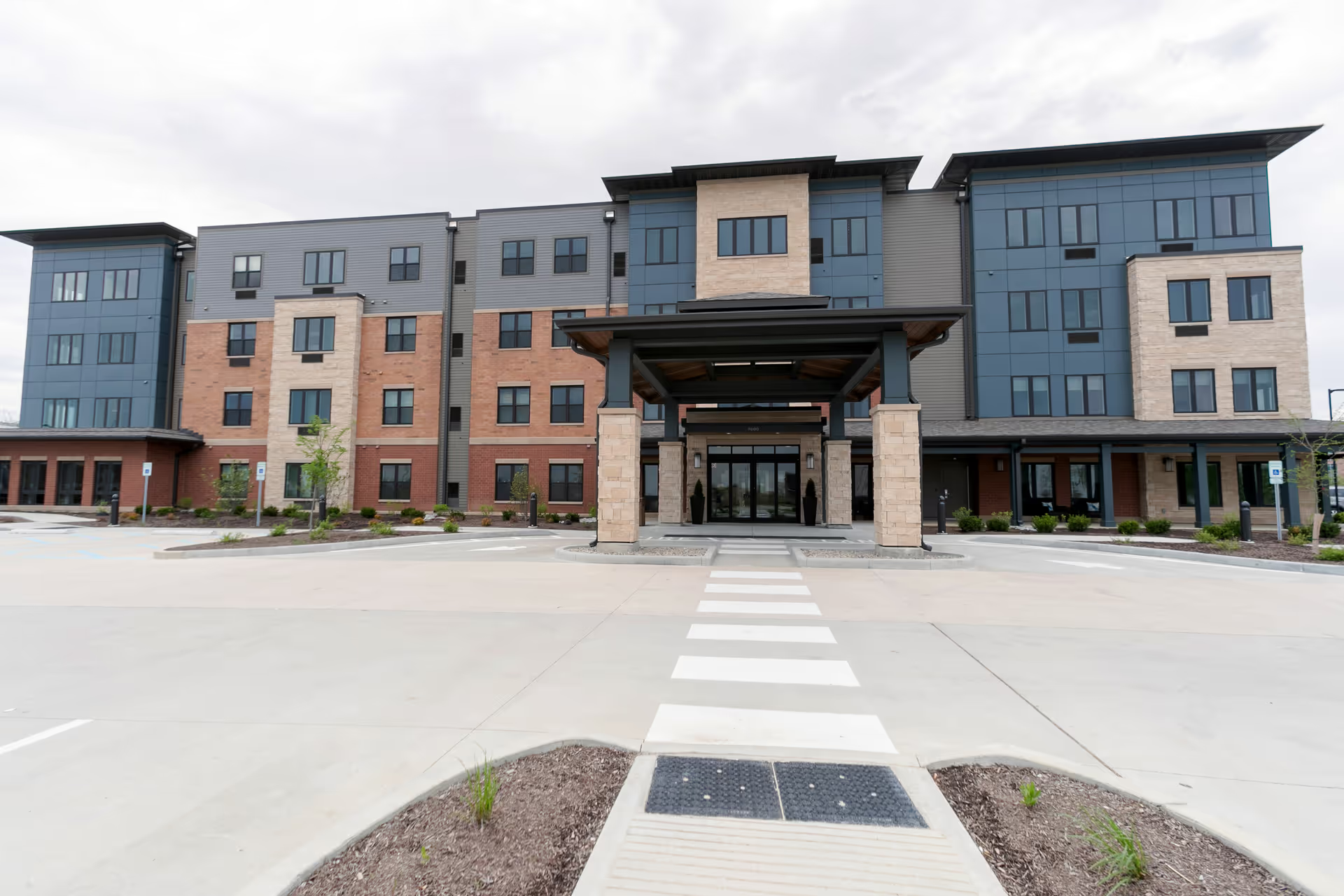
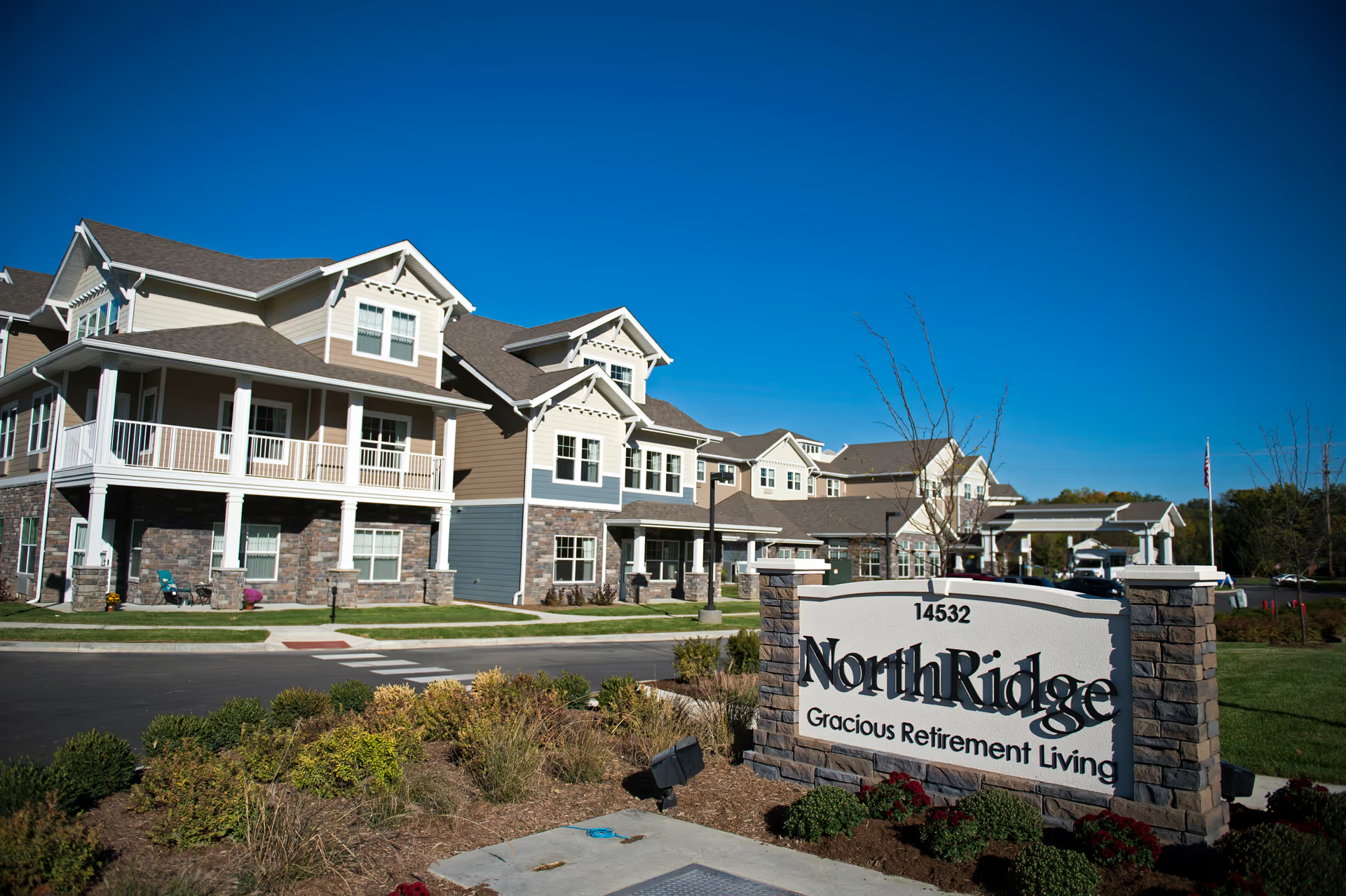
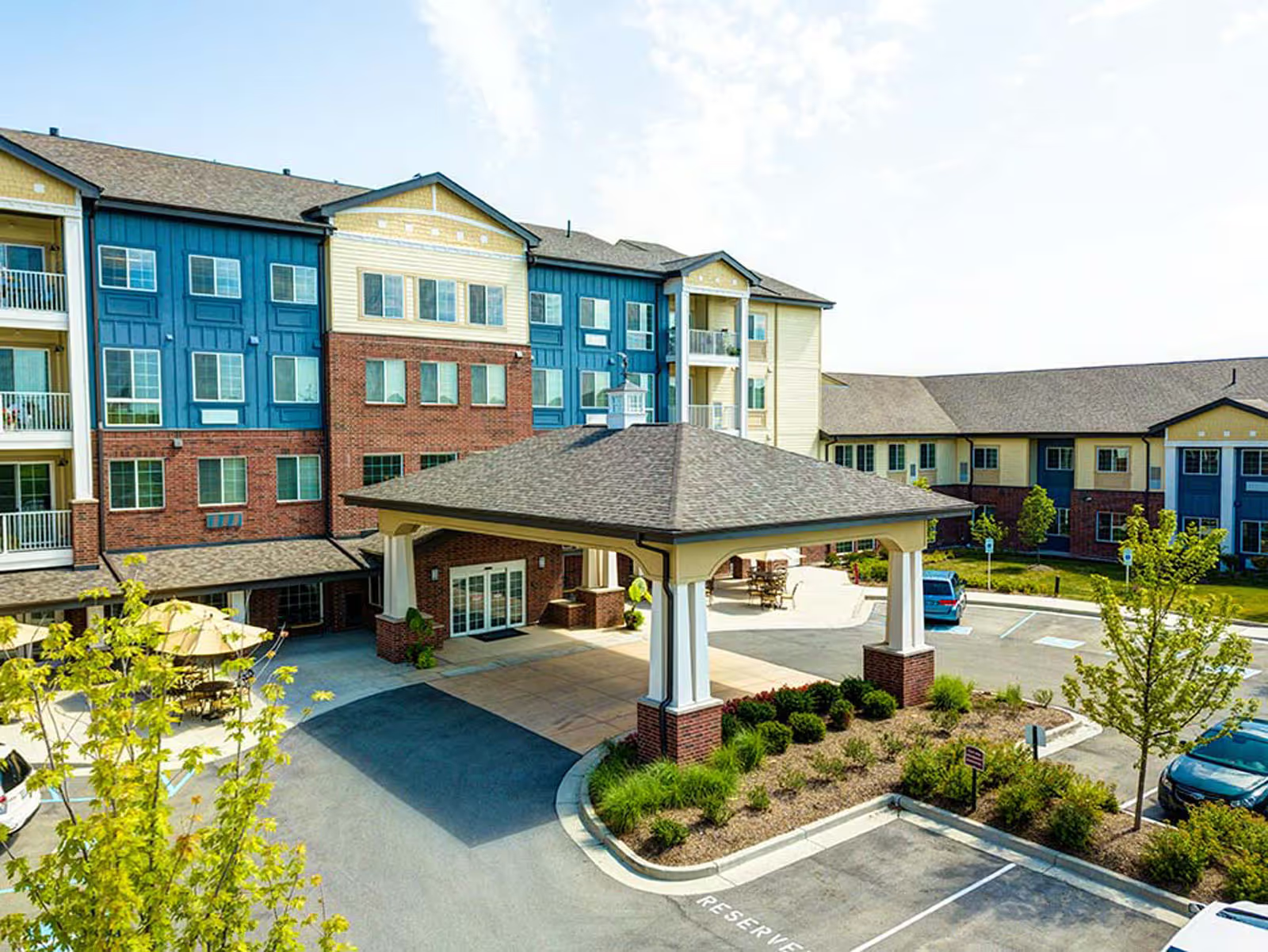
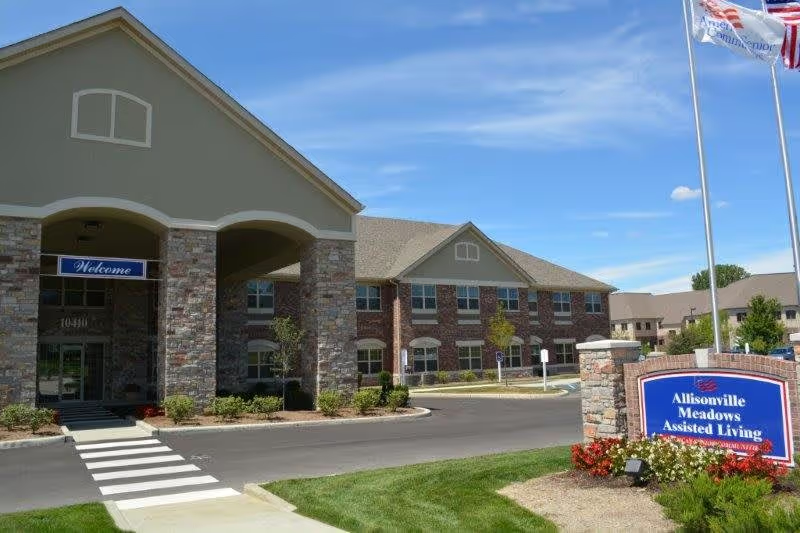
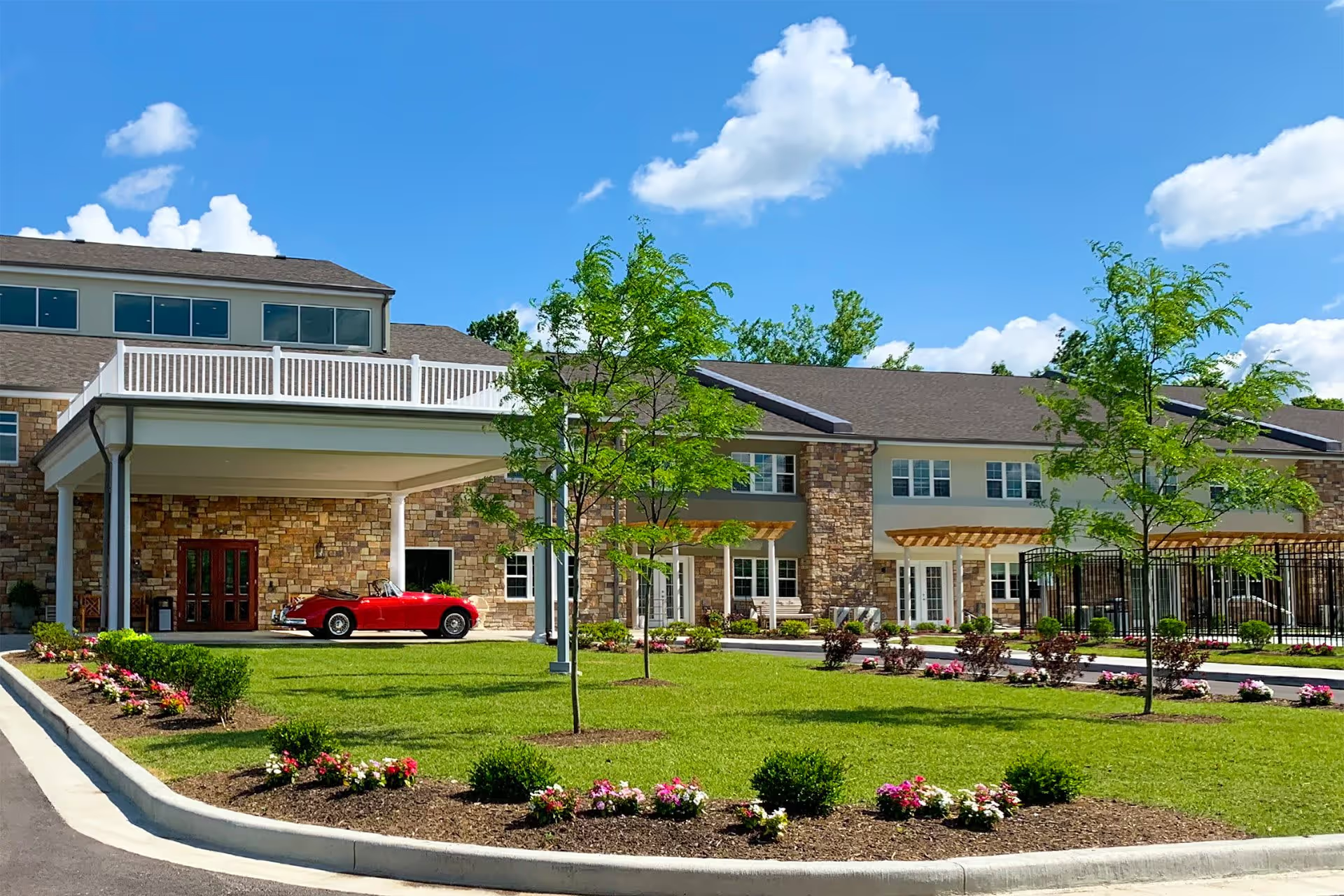
Overall impression: The Reserve at Hamilton Trace presents as a well-appointed, recently built community with strong emphasis on hospitality and lifestyle. Many accounts describe a clean, modern environment, attractive grounds, and well-finished resident rooms and cottages. The community’s strengths center on dining, activities, aesthetic upkeep, and a service-oriented culture led by engaged management.
Care and clinical oversight: Clinical feedback is mixed. Several families praised nursing leadership and described smooth care transitions and attentive clinical questioning during move-in. At the same time, there are substantive concerns about dementia-specific care and resident engagement for people living with cognitive impairment. These concerns relate to staff training in dementia approaches, consistent engagement with residents who need more supervision, and the facility’s ability to prevent or de-escalate agitation without escalation. Prospective residents and families with dementia-care needs should request detailed information about dementia training, staff-to-resident ratios on higher-needs units, and protocols for monitoring and responding to behavioral changes.
Staff and management: Staff are frequently characterized as warm, helpful, and welcoming; many families highlighted strong move-in support and a culture of service driven by an active director. That said, there are recurring operational concerns: intermittent staffing shortages, occasional gaps in housekeeping coverage, and examples of uneven responsiveness. Communication between departments (nursing, activities, dining, and administration) was identified as an area for improvement. Management responsiveness appears generally positive but not uniform; tour impressions tend to be favorable, while a minority of families experienced slower follow-up on specific issues.
Dining: Dining is a standout feature for many reviewers. The dining program is described as chef-driven, restaurant-style, and flexible — with table service, daily specials, made-to-order options, and a variety of menu choices. Complimentary touches and meal-plan structures for apartment residents are noted as positives. A smaller set of experiences cite inconsistent food quality and slower service at times; prospective residents should inquire about peak service times, portions, and sample menus during a visit.
Activities and social life: The activity program is robust and diverse, including arts and painting classes, bingo, outings to restaurants, live entertainment, and frequent events both on- and off-site. The activity director receives specific praise. A contrasting pattern indicates that resident participation and program availability can vary; space constraints in common areas and periodic pauses to programming were mentioned, which can affect social engagement for some residents.
Facilities and availability: The physical plant is generally described as new, clean, and well-maintained. Room sizes vary — cottages are often noted as well-laid-out and roomy, while some apartments felt smaller than expected. Outdoor and safe-walk areas are present, but a few reviews asked for more secure outdoor options. Availability is an operational limitation; waitlists and limited assisted-living openings were commonly referenced, and some families found location or unit size inconvenient relative to their needs.
Costs and policy notes: Pricing perceptions vary. Some reviewers view the community as good value; others find it expensive with annual increases (commonly referenced in the context of 4–5% raises). Waitlist position and the facility’s access policies are areas families should clarify. Prospective residents should request a clear fee schedule, details on annual increases, and explanation of waitlist practices.
Notable patterns and recommendation: The Reserve at Hamilton Trace is frequently recommended for those prioritizing high-quality dining, active programming, modern facilities, and a welcoming staff culture. However, consistent themes to investigate further are dementia-specific care capability, staffing consistency (including housekeeping), inter-department communication, and current availability/waitlist position. For families of residents with cognitive impairment or higher clinical needs, a targeted tour focusing on memory-care protocols, staff training, and supervision practices is advisable. For independent or active seniors seeking strong lifestyle and dining options, the community appears to be a strong contender.