Overall impression: The reviews present a mixed picture. Many families and short-stay residents describe positive clinical outcomes, warm personal attention, and a lively activity program; others raise substantive operational and safety concerns. Strengths are consistent around therapy/rehab effectiveness, engaging programming, and a generally bright, well-maintained campus. Weaknesses center on staffing reliability, clinical-process consistency, and communication/coordination failures.
Care quality and clinical oversight: The facility demonstrates capability in short-term rehabilitation and certain skilled-nursing tasks (for example, wound care and therapy-driven recovery). At the same time, a pattern of clinical-process weaknesses emerges in several reviews: medication delays or missed doses, breakdowns in pharmacy coordination, lapses in vital-sign checks and documentation, and inconsistent catheter and wound management. A number of reviewers described events that they perceived as causing avoidable clinical escalation; these accounts underscore the need to verify current clinical protocols, medication-administration safeguards, and monitoring practices during an in-person assessment.
Staffing and staff conduct: Many narratives praise individual aides, therapists, and nurses as compassionate, knowledgeable, and resident-focused. Several reviewers named staff who stood out positively. However, there are also recurrent comments about understaffing, multi-hall coverage by single nurses, slow call-button responses, and instances of unprofessional communication tone. These divergent accounts suggest variability in staff performance that may correlate with shift, unit, or census levels. Prospective families should ask about typical staffing ratios, night/weekend coverage, and staff turnover.
Dining and daily living: Feedback on meals and daily living services is mixed. Some residents appreciated the food and dining support; others described inconsistent meal quality and soggy items. Similarly, housekeeping and sanitation are generally praised for public areas, but several reviews raise concerns about cleanliness and odor issues in some rooms or units and inconsistent linen/room-prep practices. Clarify meal-service schedules, menu variability, and cleaning protocols when evaluating the facility.
Activities and memory care: Activity offerings and memory-care programming are among the facility's stronger areas in many accounts. Reviewers frequently mention an active schedule, an engaged activities director, published calendars in rooms, and programming that supports social and cognitive engagement. The memory-care environment is sometimes described as homelike and recently renovated, though a subset of reviewers perceived changes as a downgrade; confirm specifics of the memory-care unit and how transitions are managed.
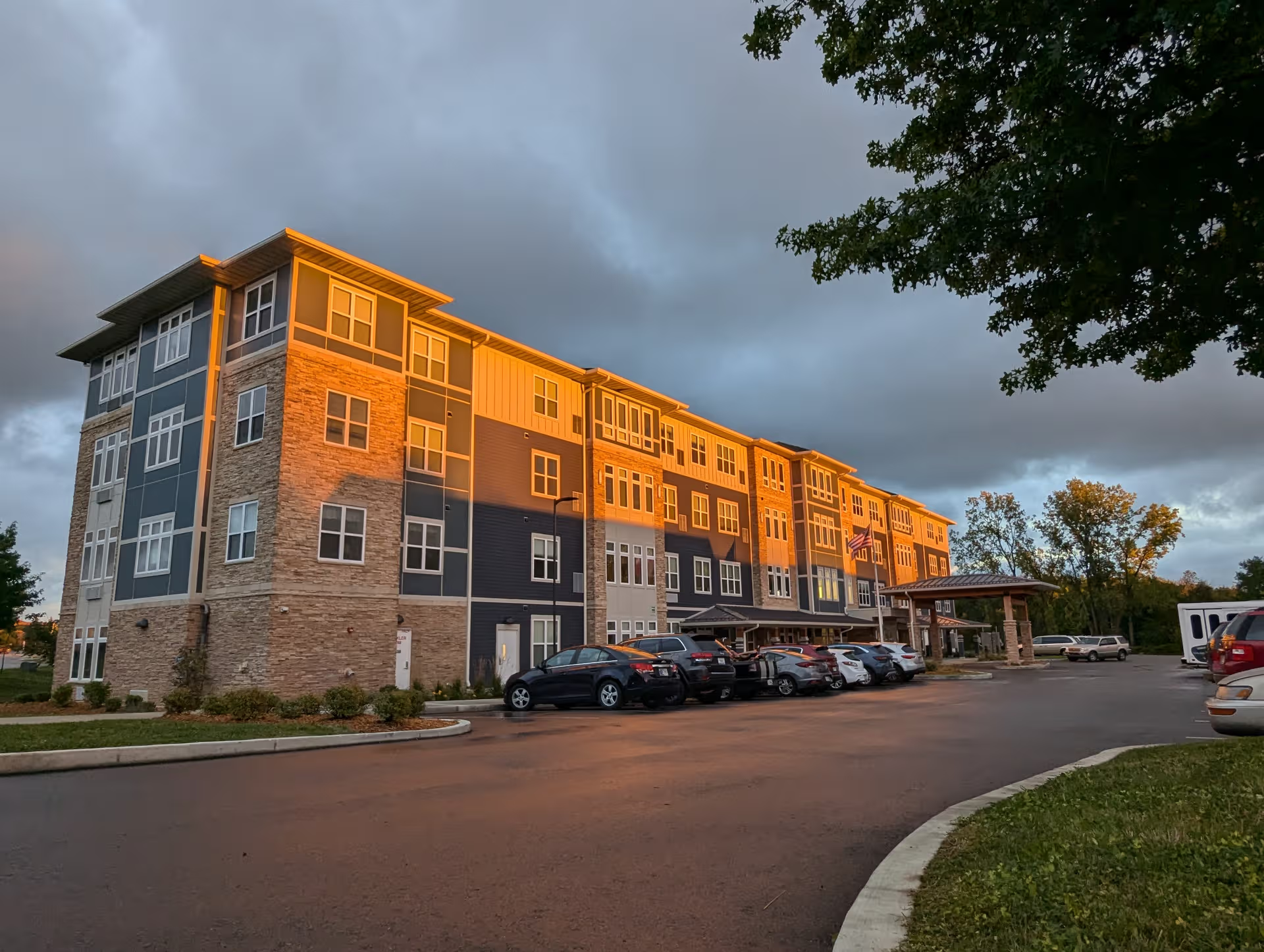
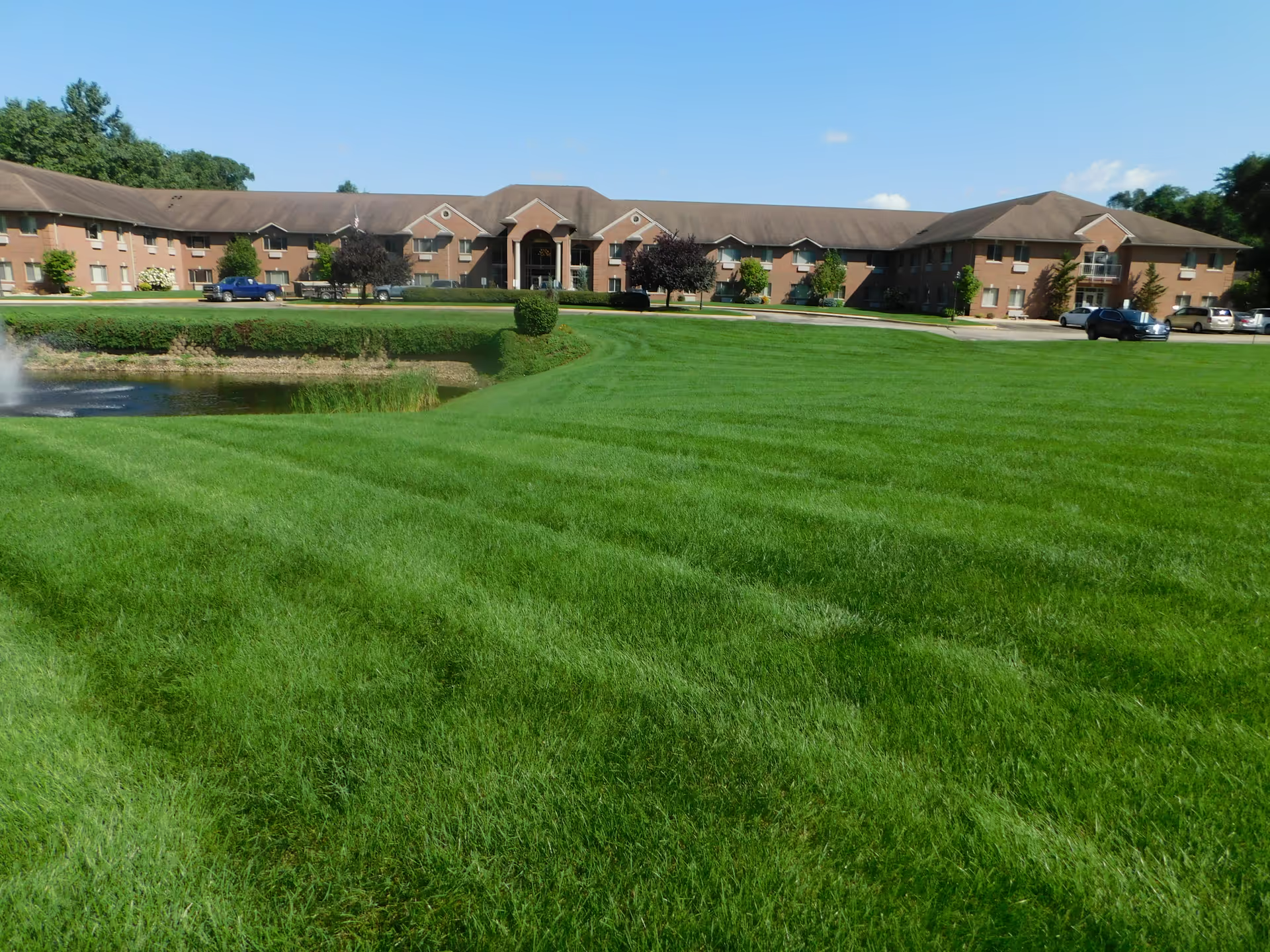
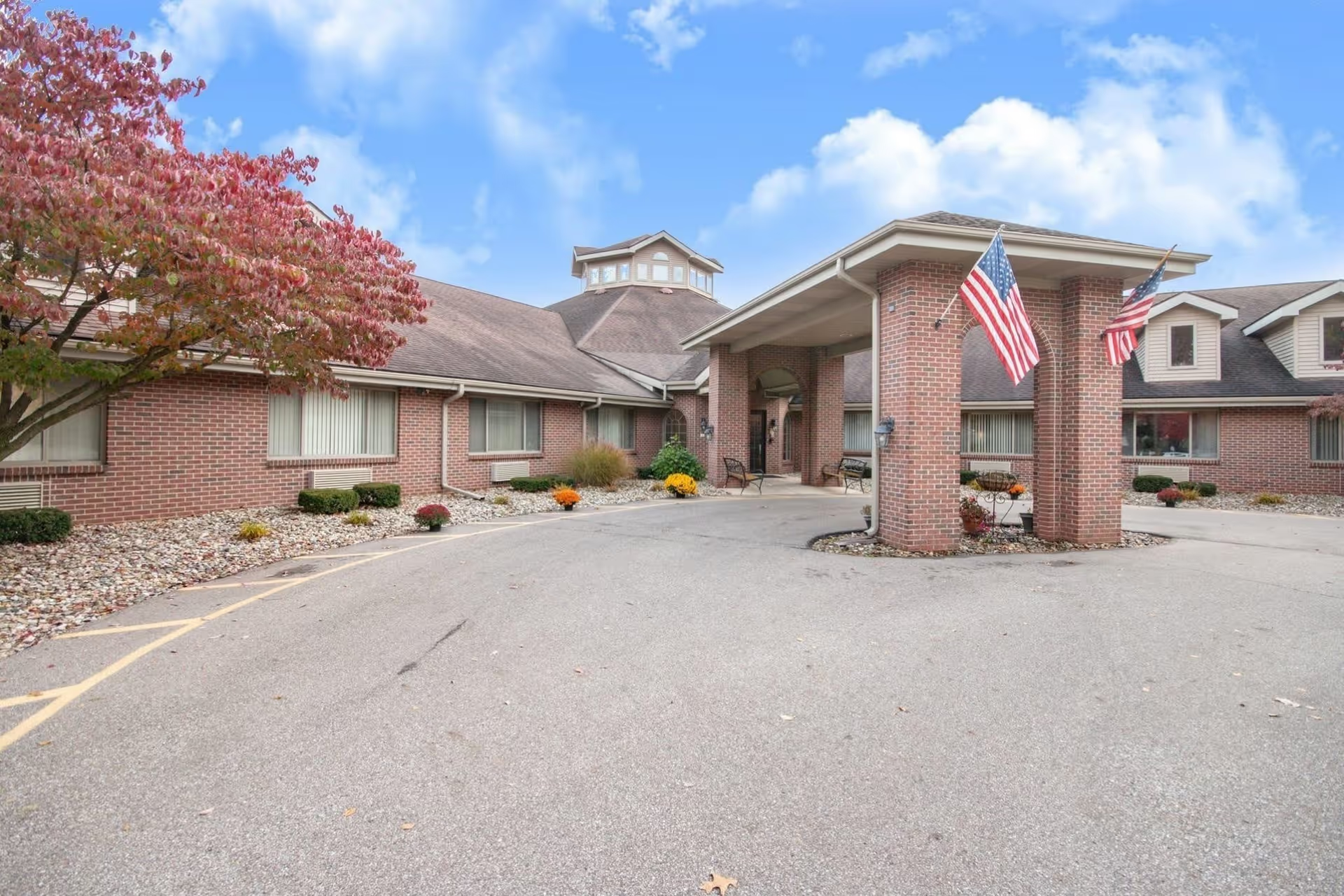
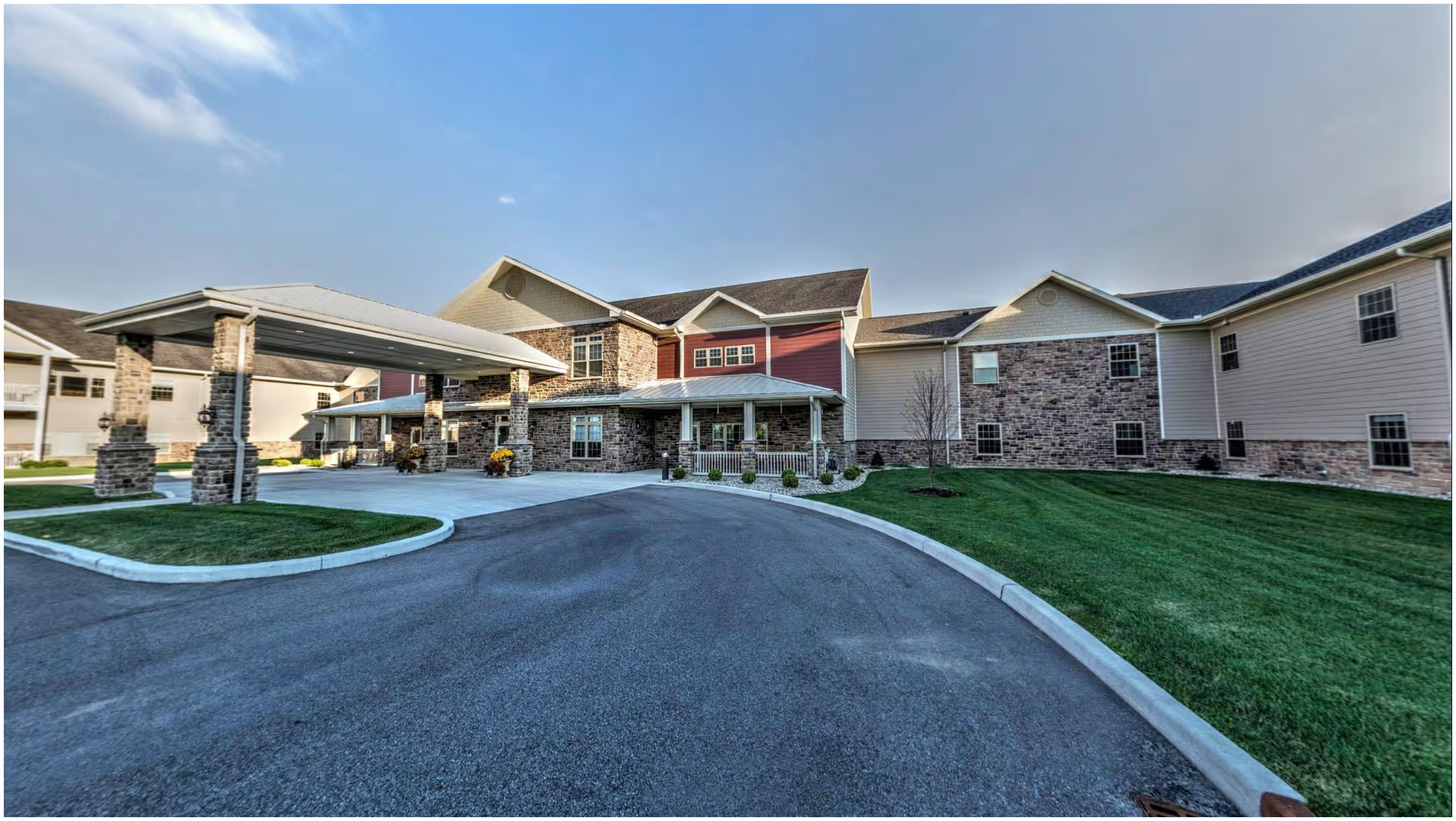
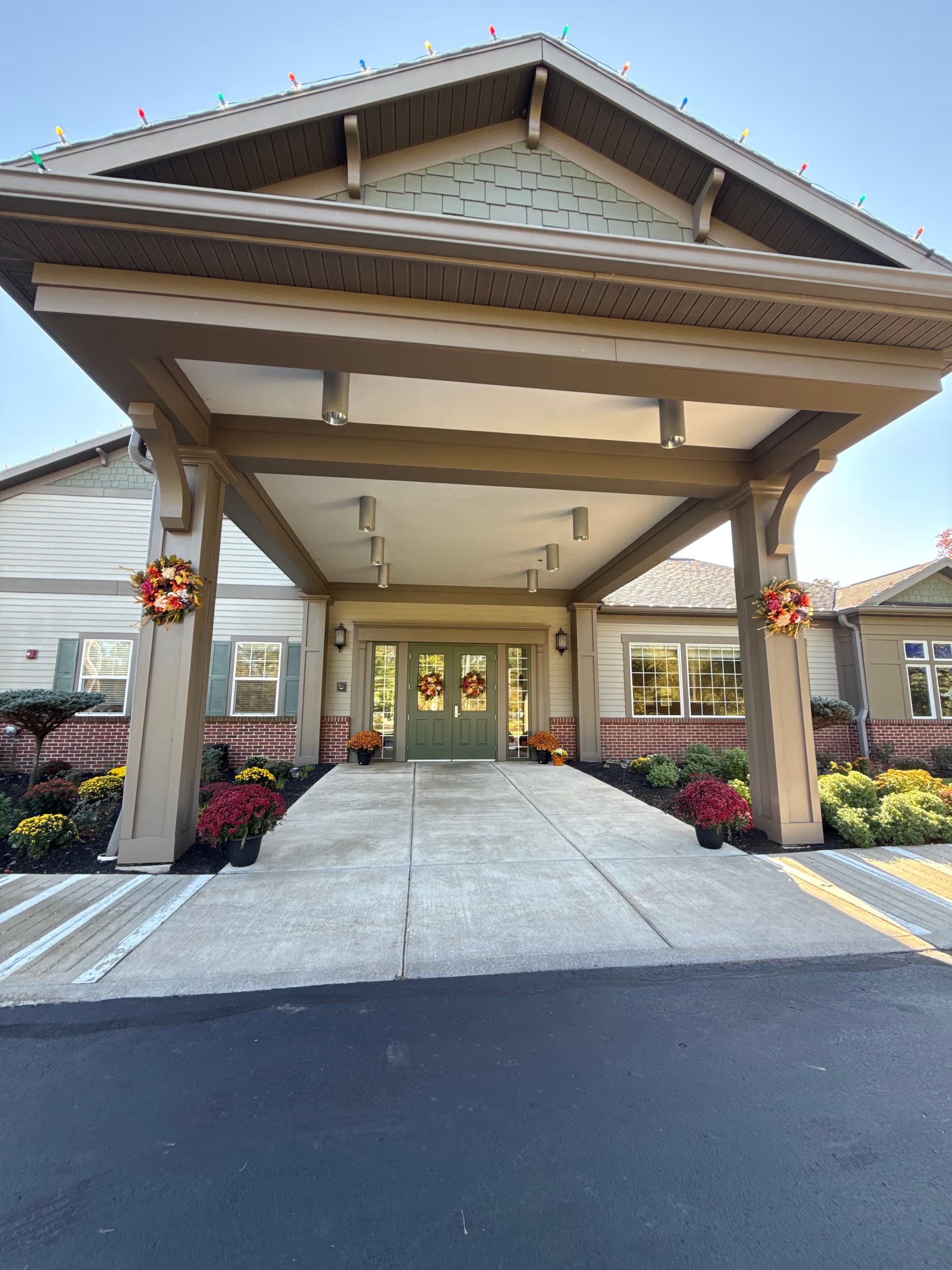
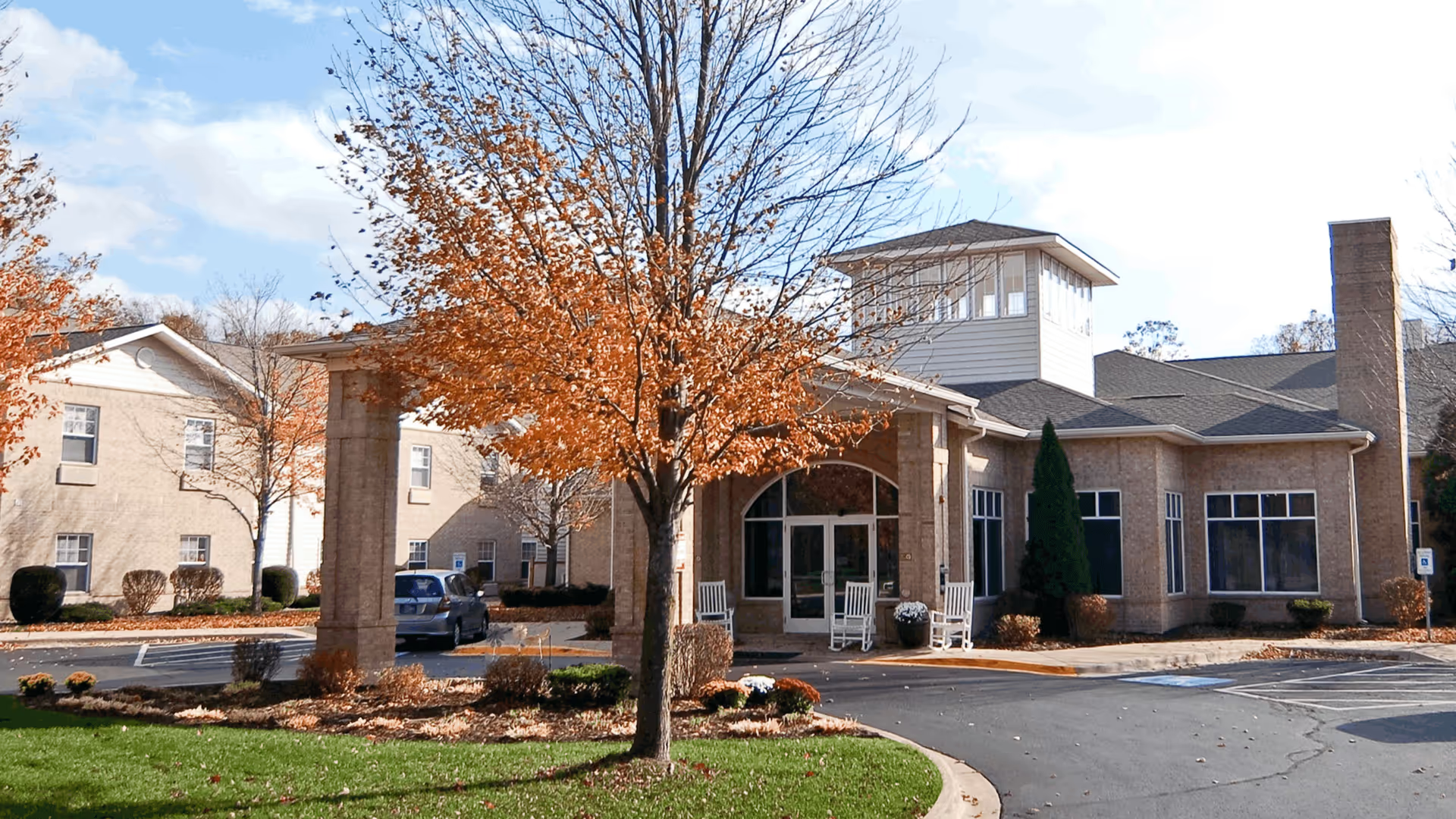
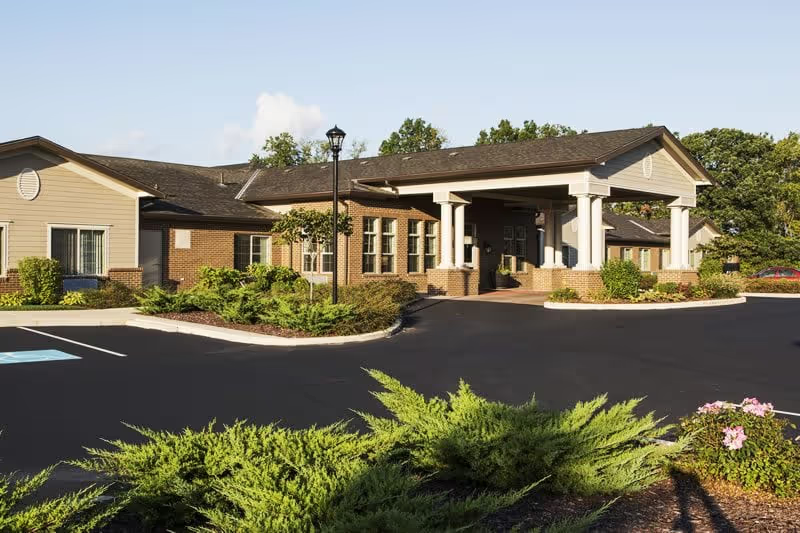
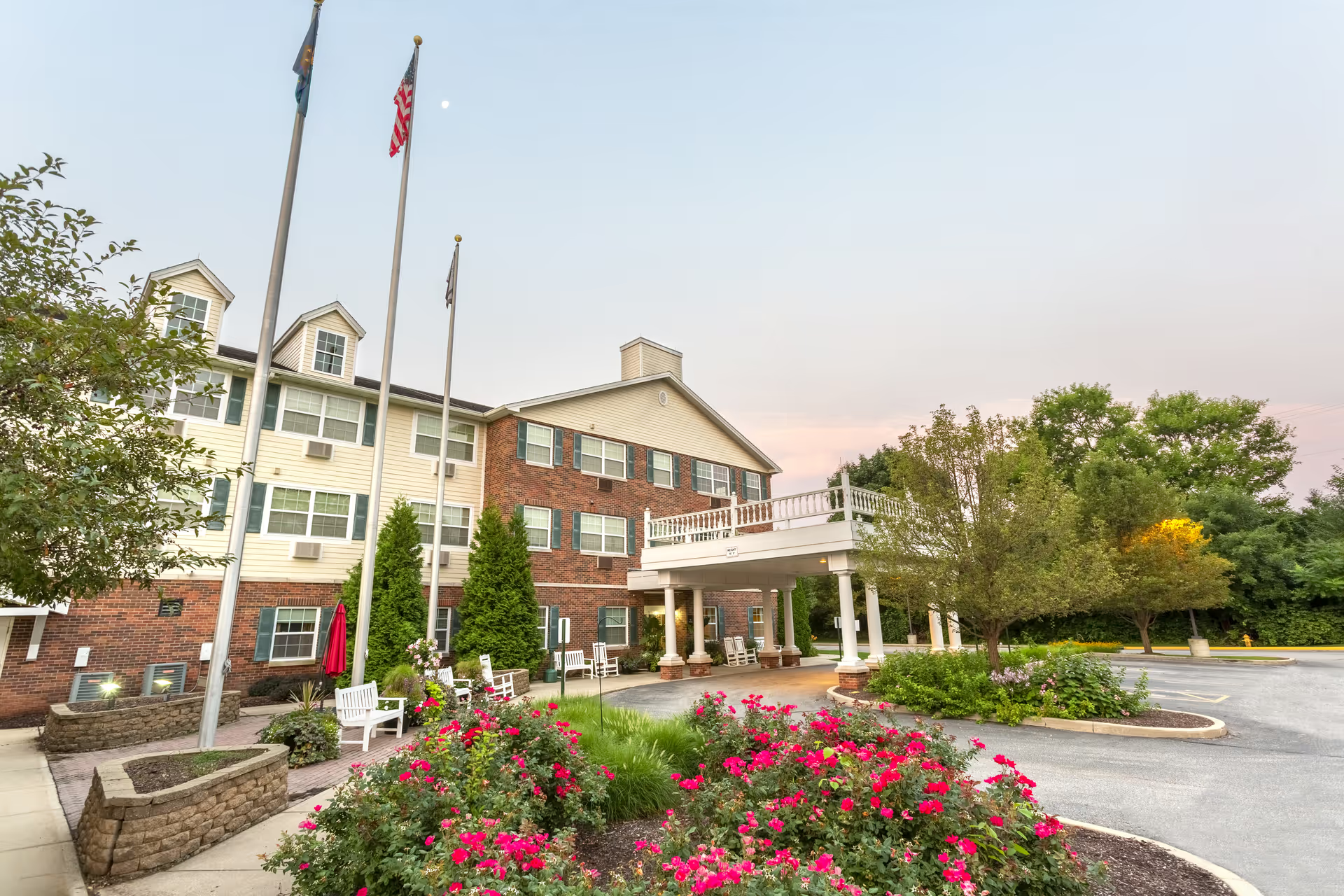
Facilities, admissions, and transitions: The physical campus, landscaping, and some renovated memory-care rooms receive positive comments. Conversely, discharge and post-acute transition coordination appear inconsistent — examples include missed home-service referrals, delayed notifications to payers, and transfer scheduling issues. Families should review the facility's discharge-planning procedures, pharmacy transition workflows, and how external home-care referrals are managed.
Management, communication, and compliance concerns: Several reviews convey improvements under new leadership and positive experiences with social services and care planning. However, recurring themes include communication gaps (callbacks not returned, unclear follow-up), limited incident escalation, and at least a few serious consumer concerns about billing and financial practices — including allegations that warrant direct inquiry. When touring, ask management for documentation on incident reporting, billing policies, state inspection results, and how complaints are investigated and resolved.
Notable patterns and recommendations: The aggregate of reviews indicates a bifurcated pattern: successful rehabilitations and strong interpersonal care in many cases, and operational lapses with potential safety implications in others. Prospective residents and families should (1) schedule visits at different times to assess staffing and call-response, (2) review medication and pharmacy handoff procedures, (3) ask for sample activity calendars and memory-care staffing models, (4) request recent inspection reports and complaint-resolution summaries, and (5) clarify financial and billing policies in writing. These steps can help discern whether the facility's strengths align with an individual resident's clinical and psychosocial needs.