Overall impression: Mississippi Valley Healthcare & Rehabilitation Center receives consistent praise for clinical care, rehabilitation outcomes, and a collegial staff culture. Many accounts emphasize a compassionate, family-like nursing team, well-educated clinical personnel, and a medical leadership that invests in staff training. The facility’s restorative and respiratory services, including tracheostomy-care training, are cited as strengths that support measurable functional progress and successful transitions back home.
Care and clinical programs: Reviewers describe attentive nursing and therapy teams who focus on individualized care plans. Rehabilitation and restorative programs are highlighted for motivating residents and improving mobility; several accounts describe measurable walking progress and discharge to community settings. Respiratory support capabilities are noted positively, with family members citing thorough training for caregivers on specialized needs. Privacy, dignity, and responsiveness to clinical concerns are commonly mentioned as priorities in daily care.
Staff and culture: The facility’s staff culture is frequently characterized as collaborative and supportive, with staff treating each other like family and interacting positively with residents. Administration is described as responsive by many families, addressing questions and following up on concerns. At the same time, there is variability in staff conduct: some reviewers describe unhelpful or unresponsive interactions and occasional rudeness, indicating inconsistency in communication tone and professionalism across shifts or individuals.
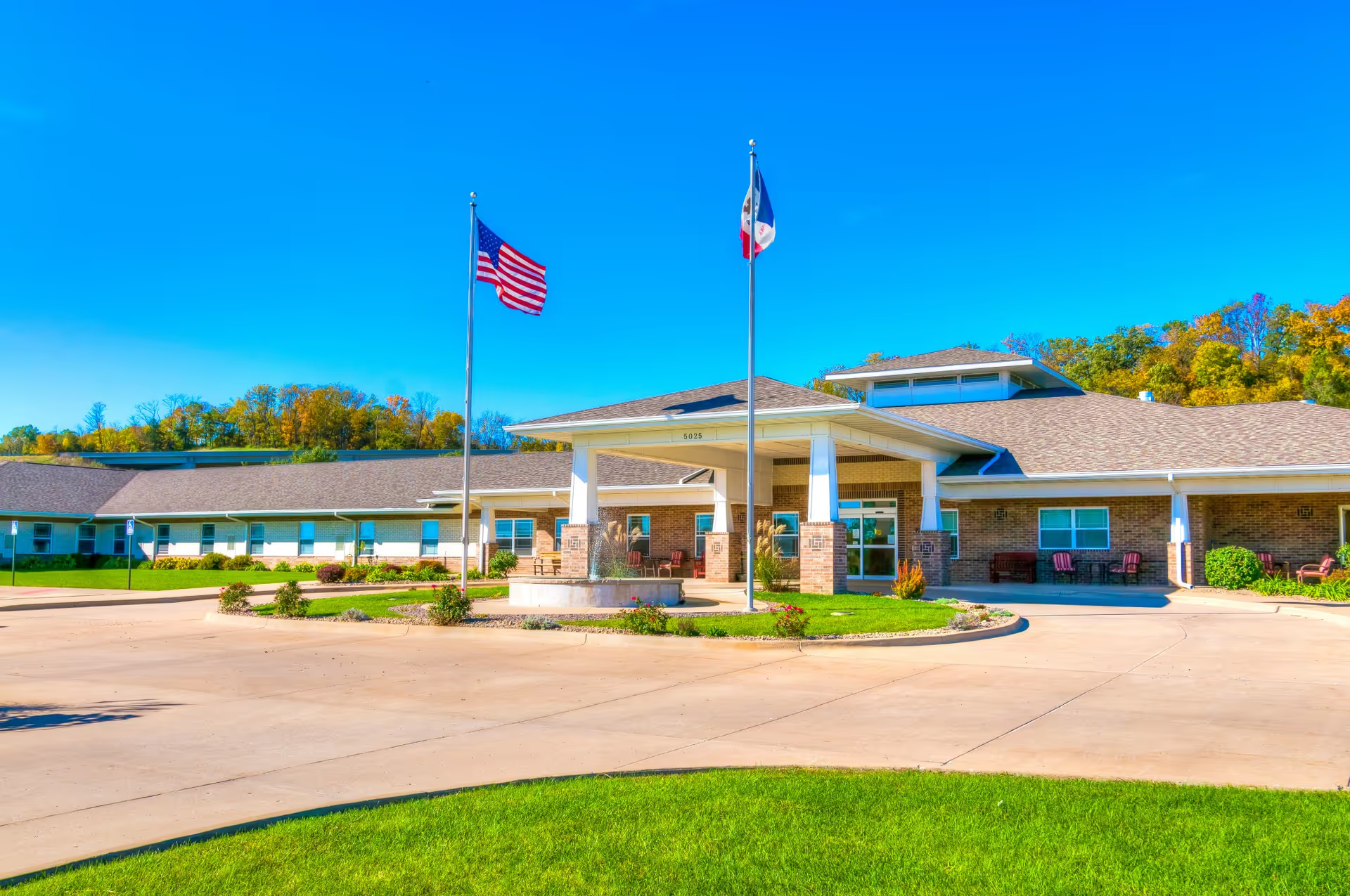
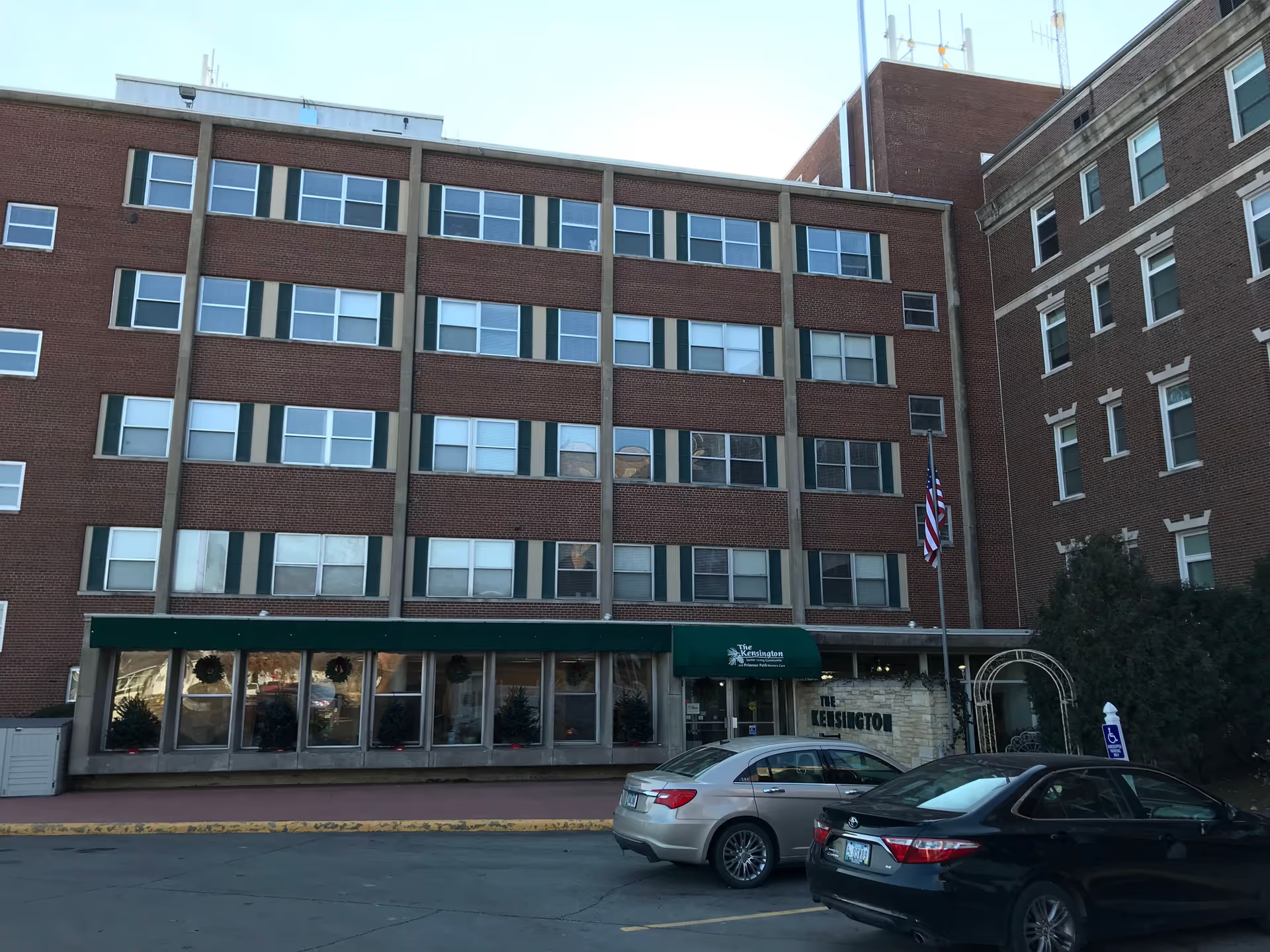
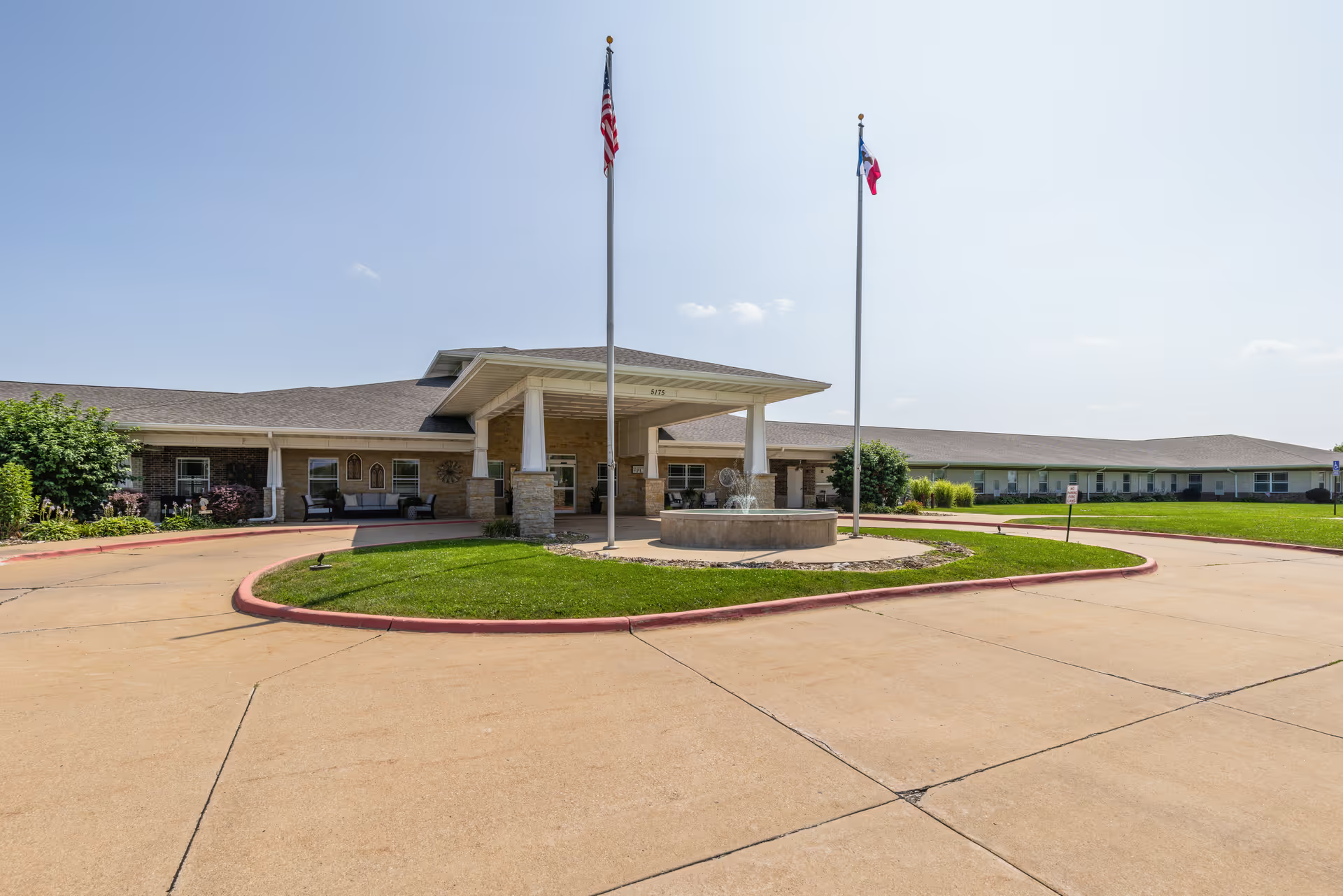
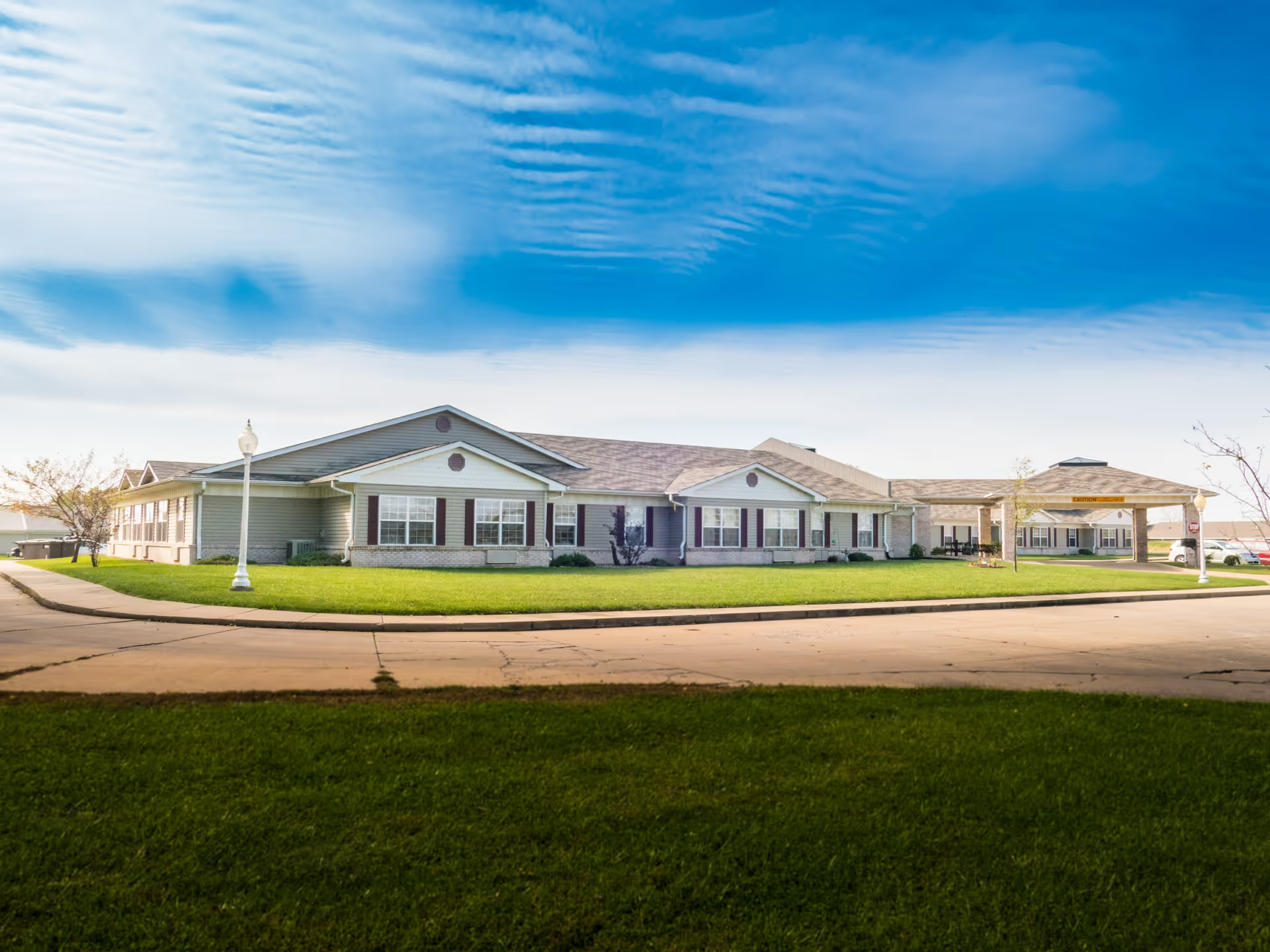
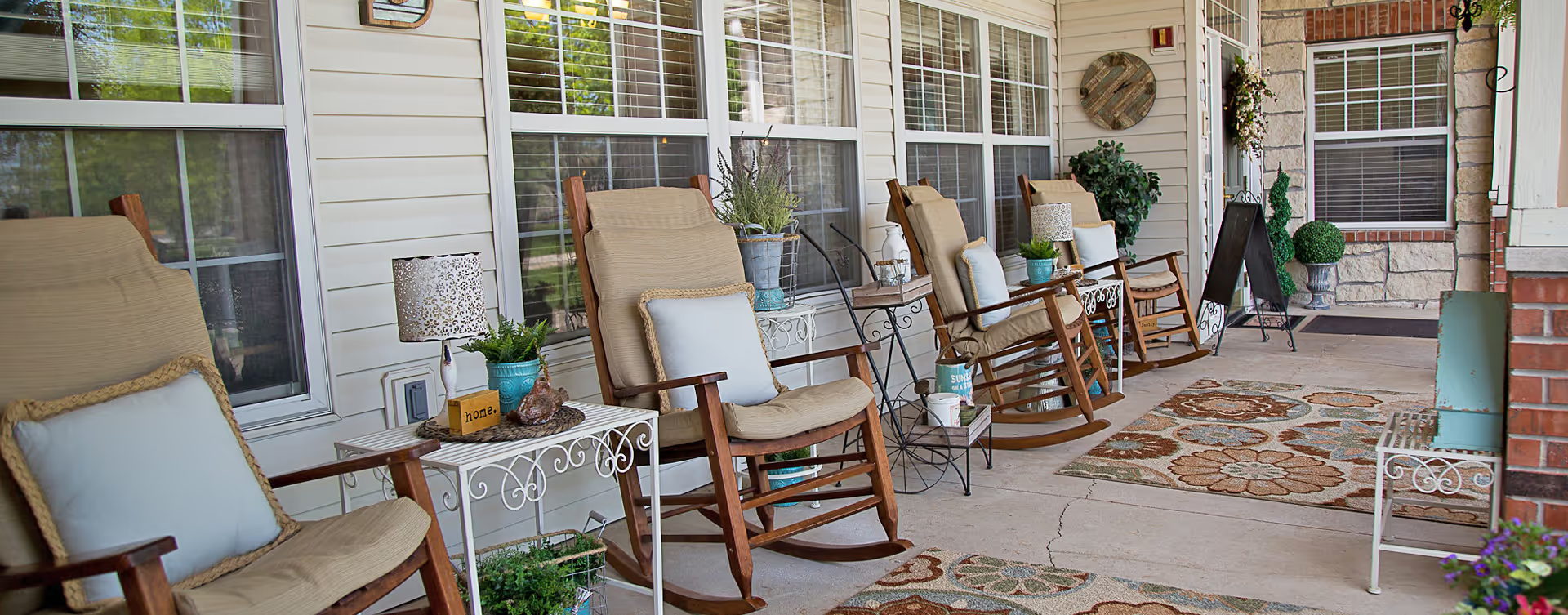
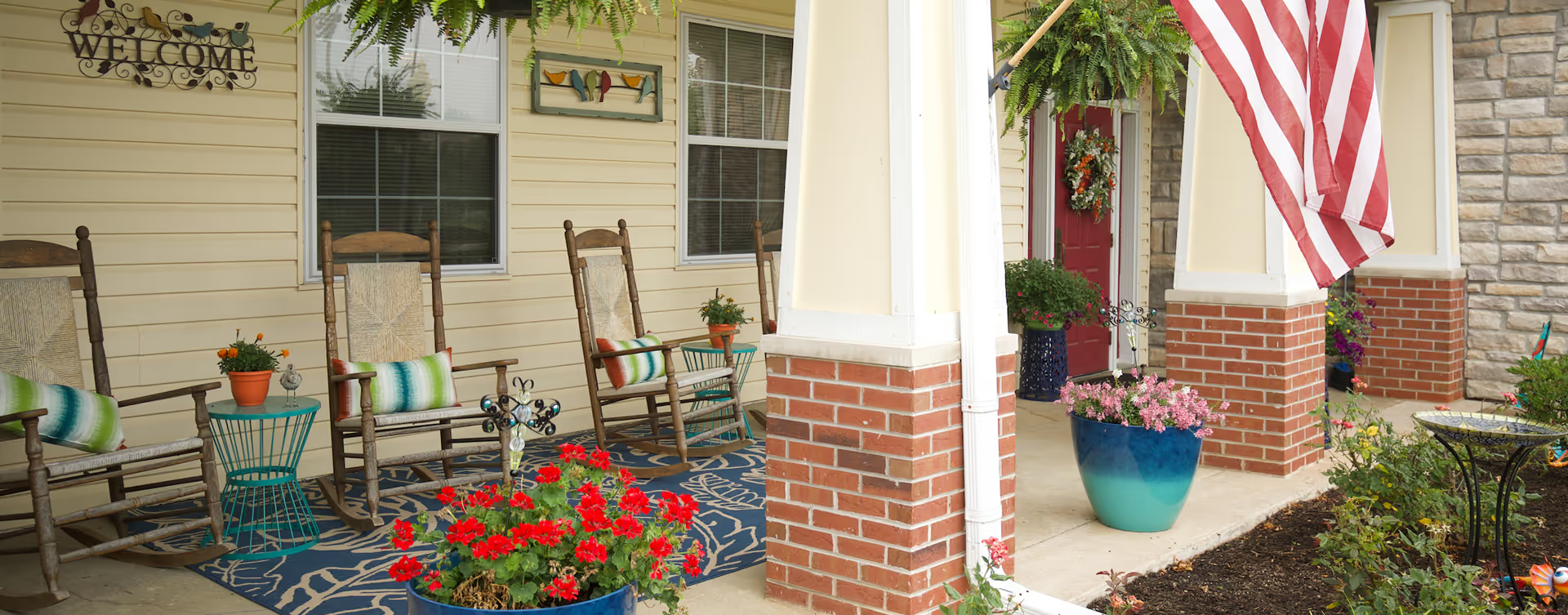
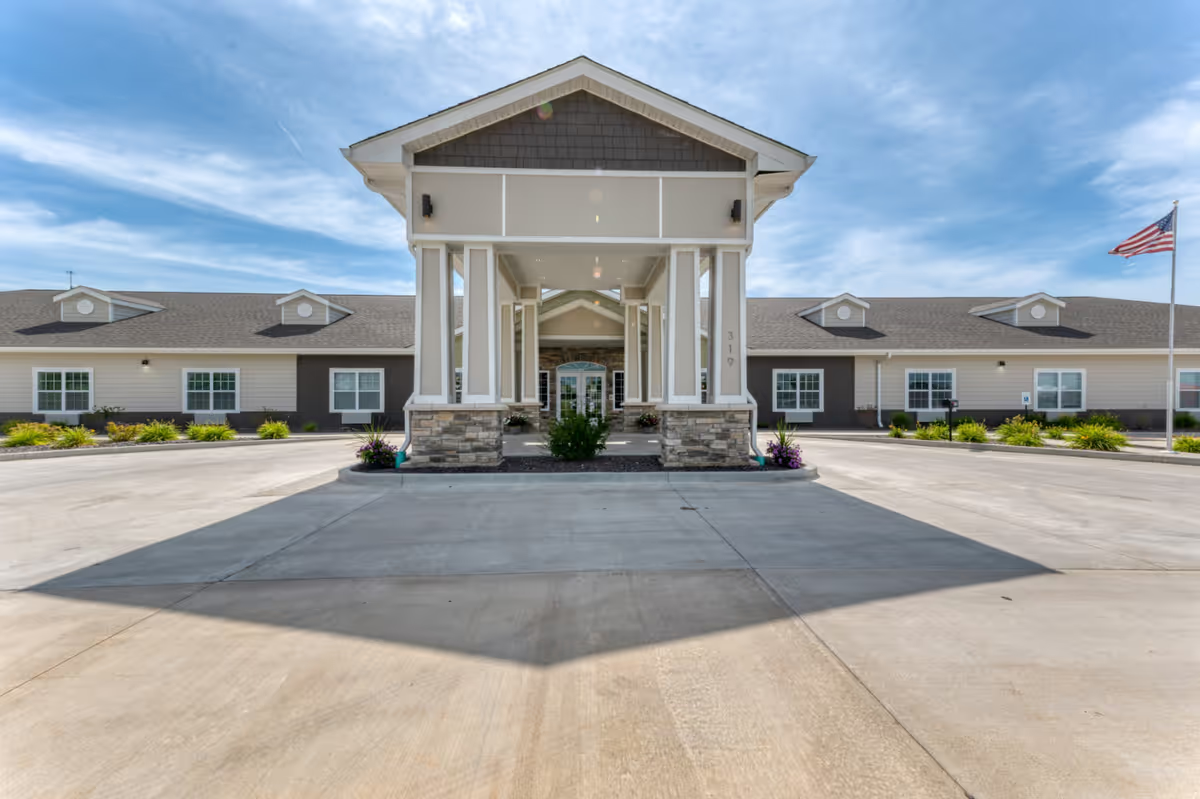
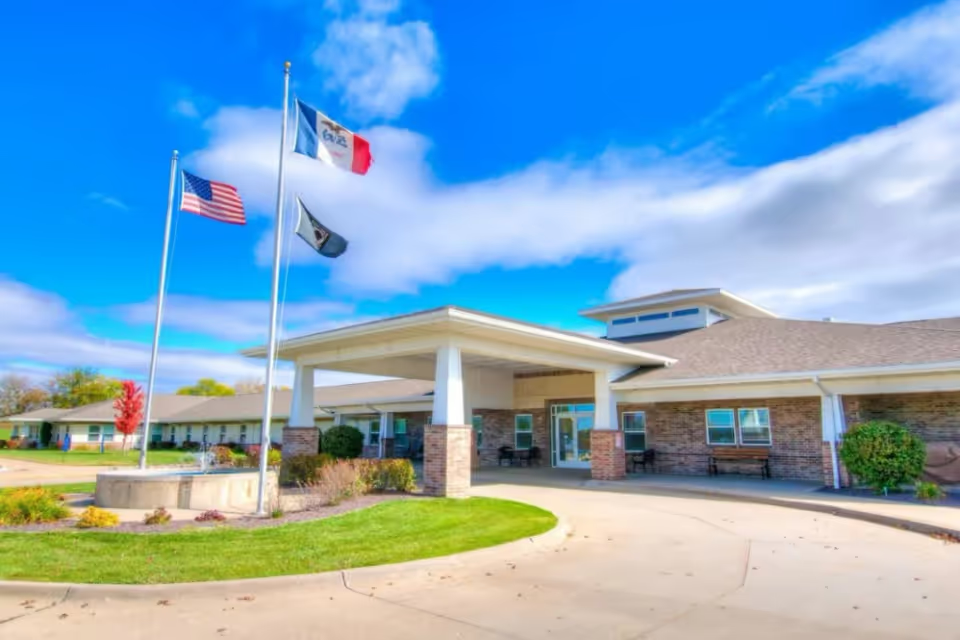
Facilities, dining, and activities: The physical environment is described as clean and inviting. There is limited direct feedback about dining and organized activities in the available comments; no consistent pattern about food quality or program variety emerges from the summaries provided. Prospective families may want to request current menus and an activity schedule during a tour for up-to-date information.
Management and operations: Administrative responsiveness is a mixed but generally positive theme—several families report that leadership listens and acts on concerns. However, some reviews describe administrative gaps, specifically around assistance with eligibility, benefits, or qualification processes. An isolated incident involving the loss of personal property that involved external authorities was raised by a reviewer; this points to a need for clearer property-security procedures and communication about how belongings are protected and tracked.
Notable patterns and recommendations: Strengths center on clinical competence, rehabilitation outcomes, and a supportive staff culture. Areas to clarify during a visit include property-security protocols, how the facility ensures consistent responsiveness across shifts, and what administrative support is provided for benefits and qualification paperwork. Asking for examples of recent therapy outcomes, a copy of property-protection policies, and speaking with the facility’s admissions or social-work staff about administrative processes will help families assess fit and operational consistency.