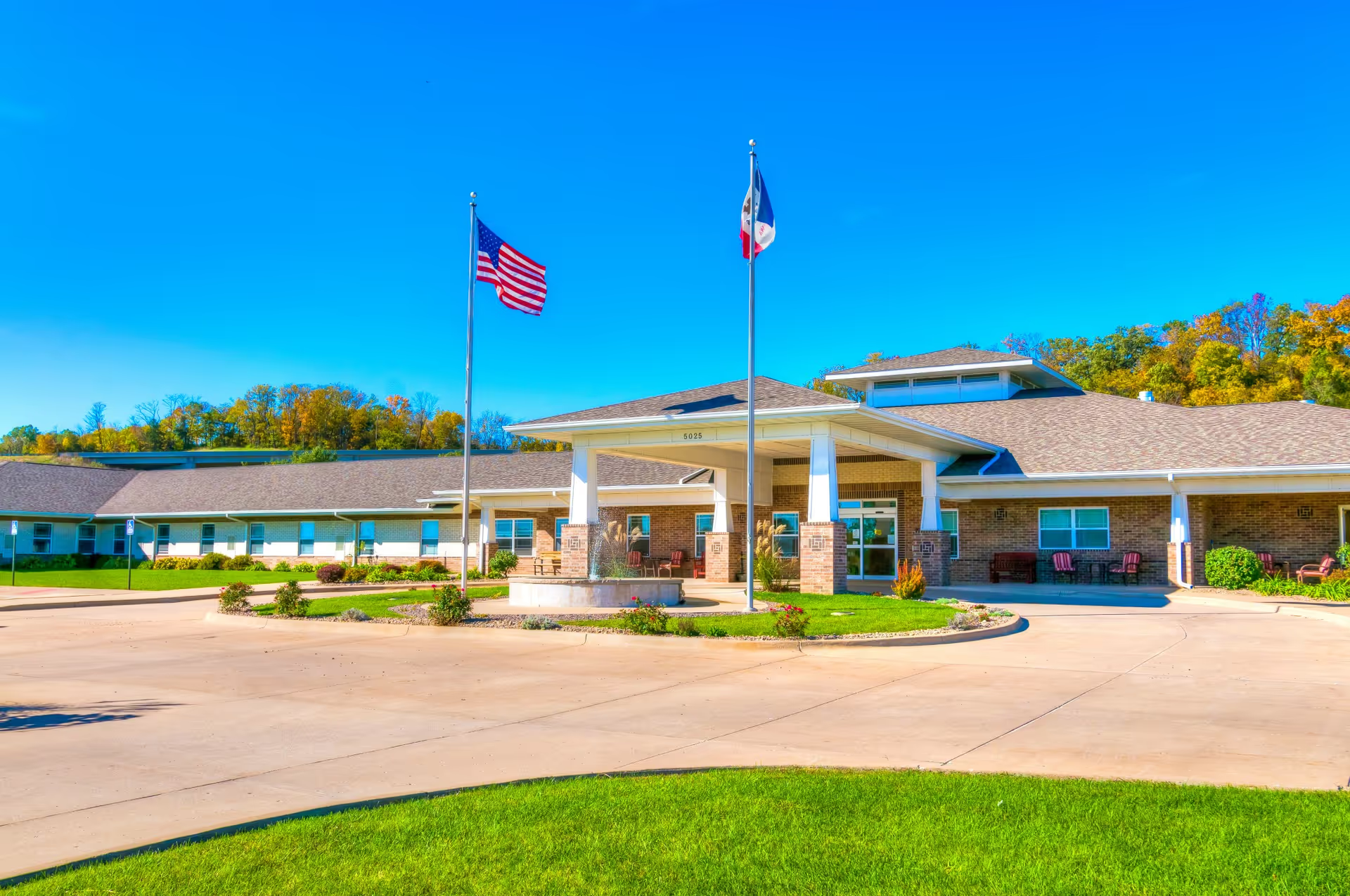
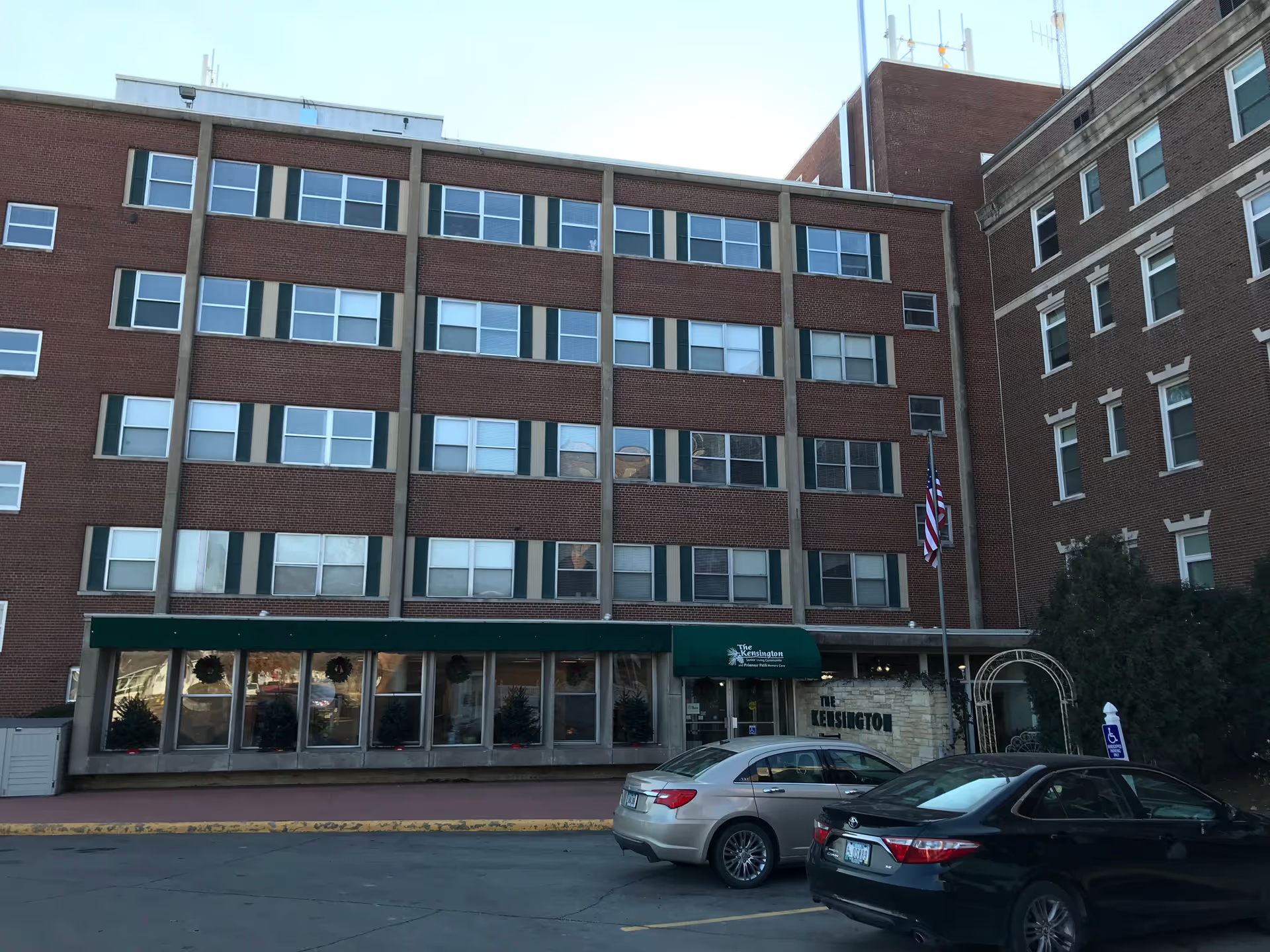
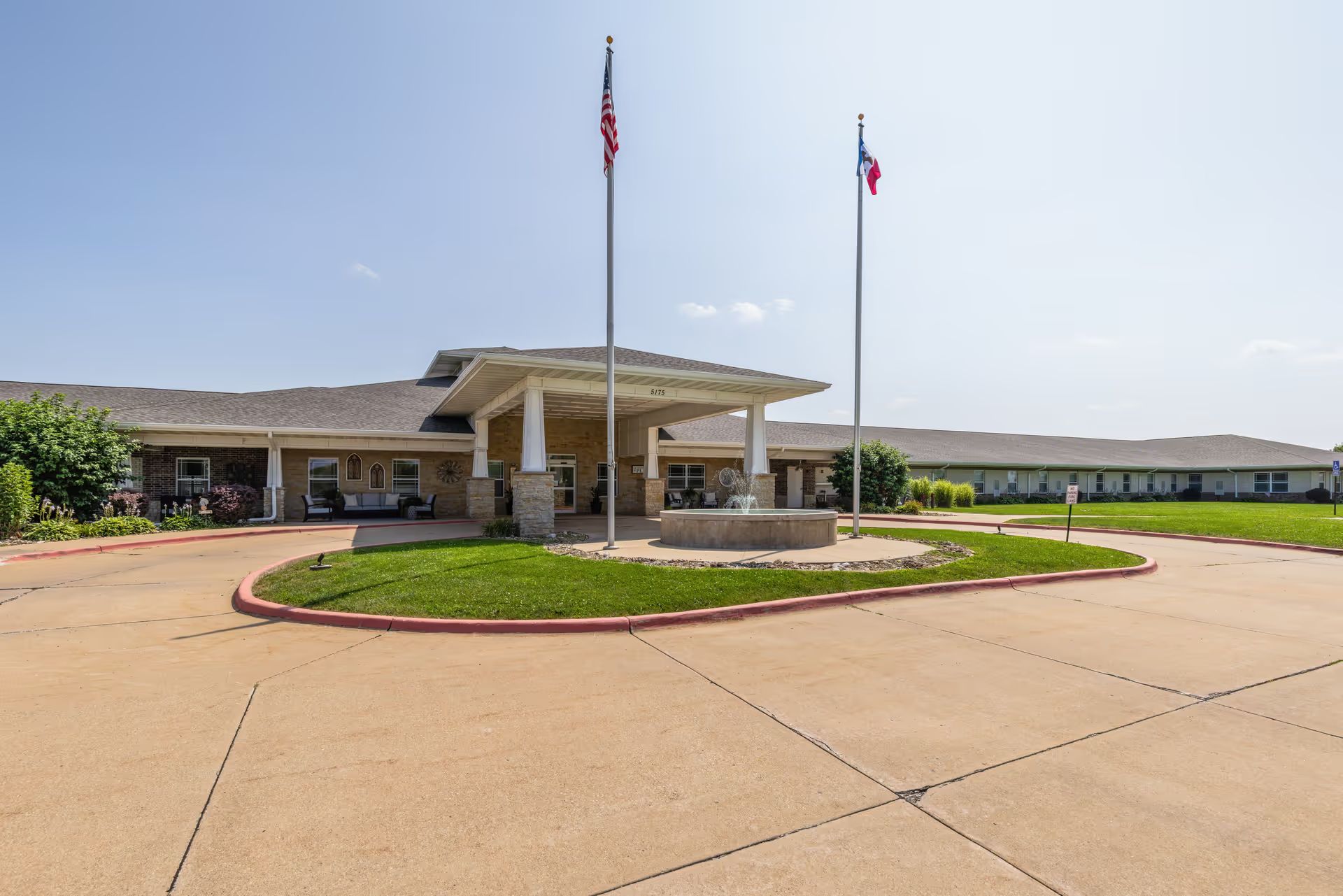
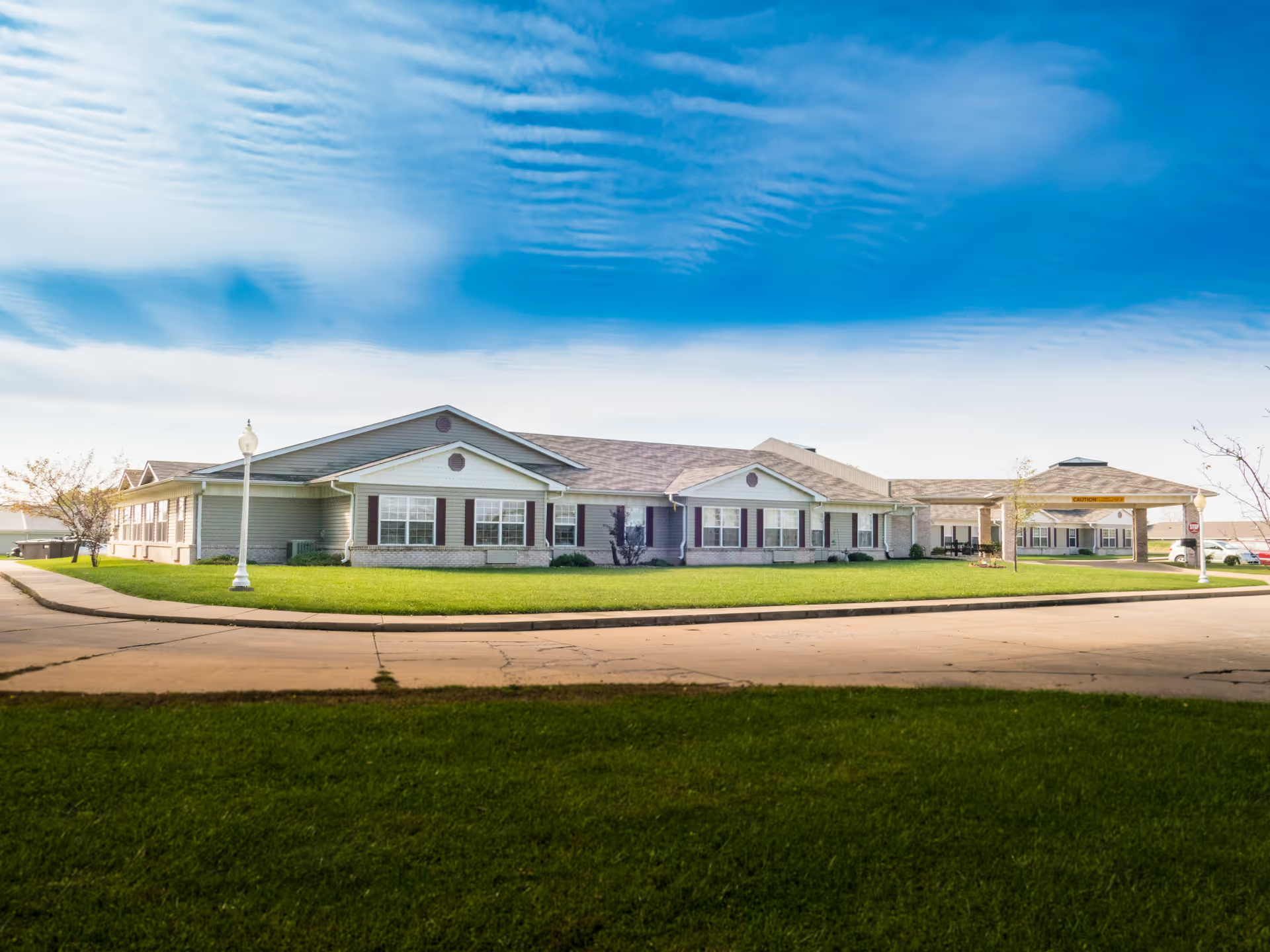
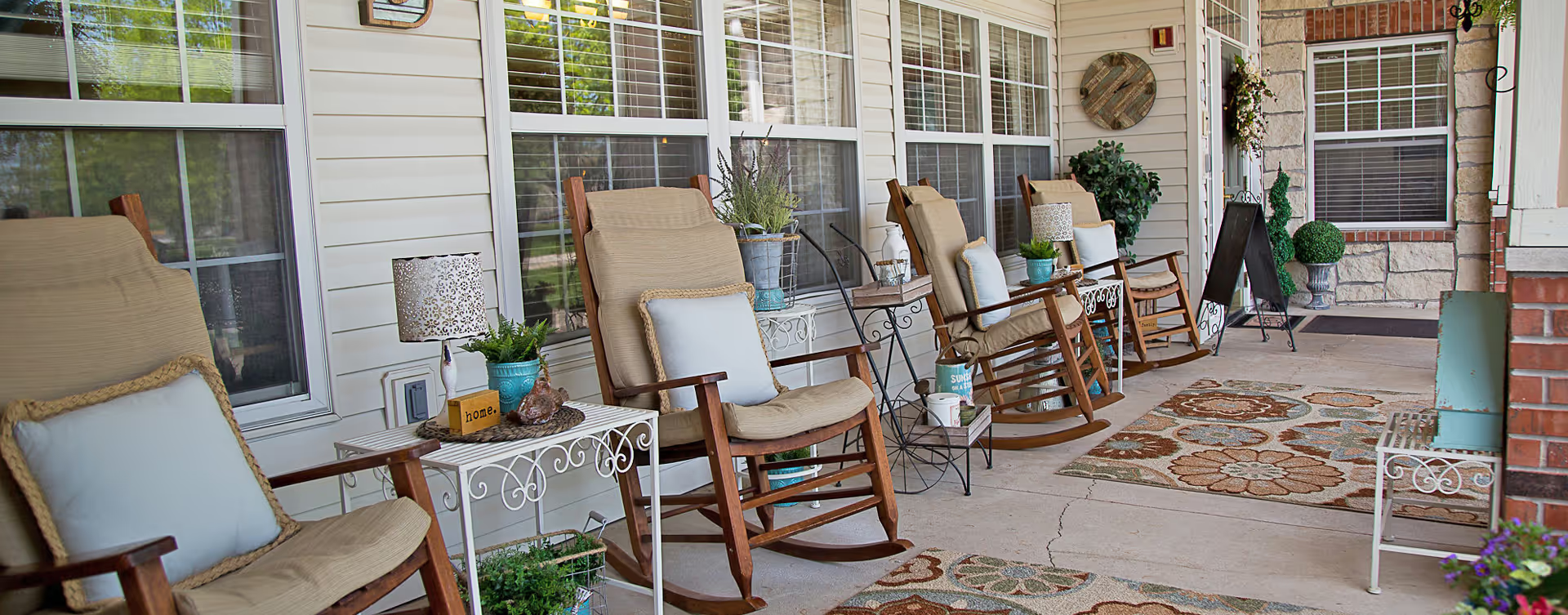
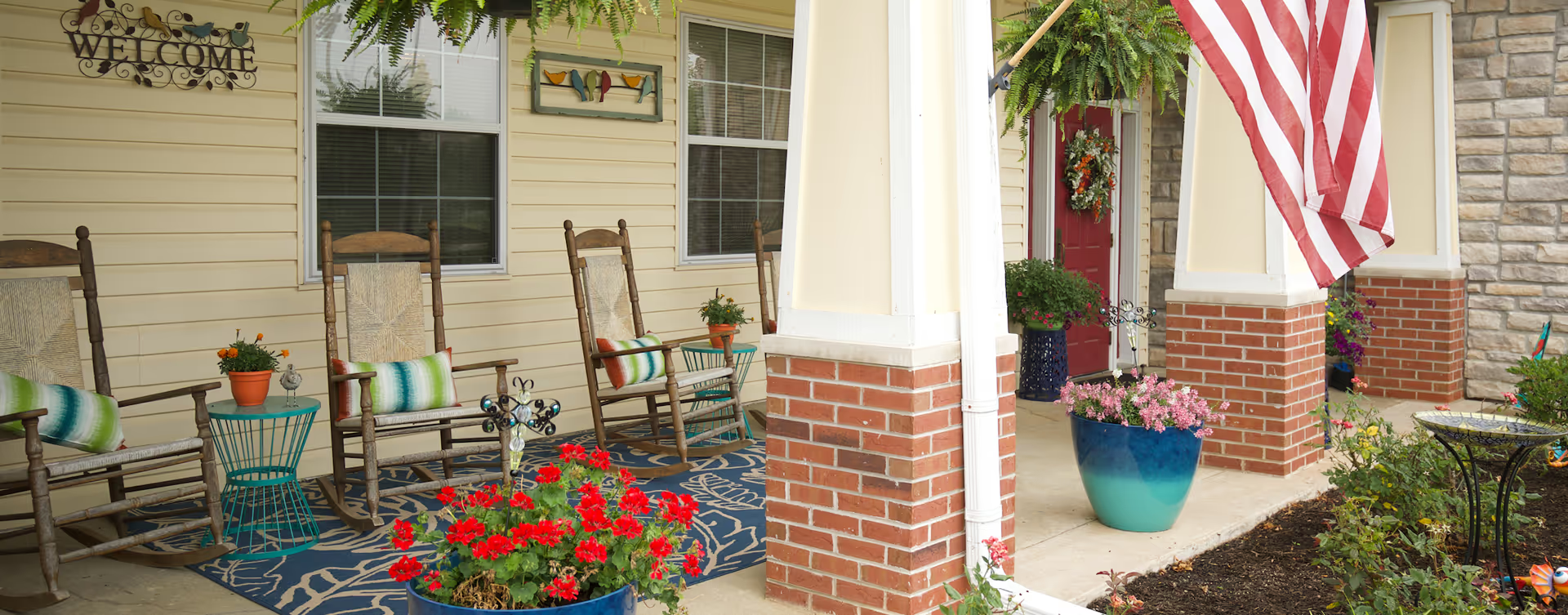
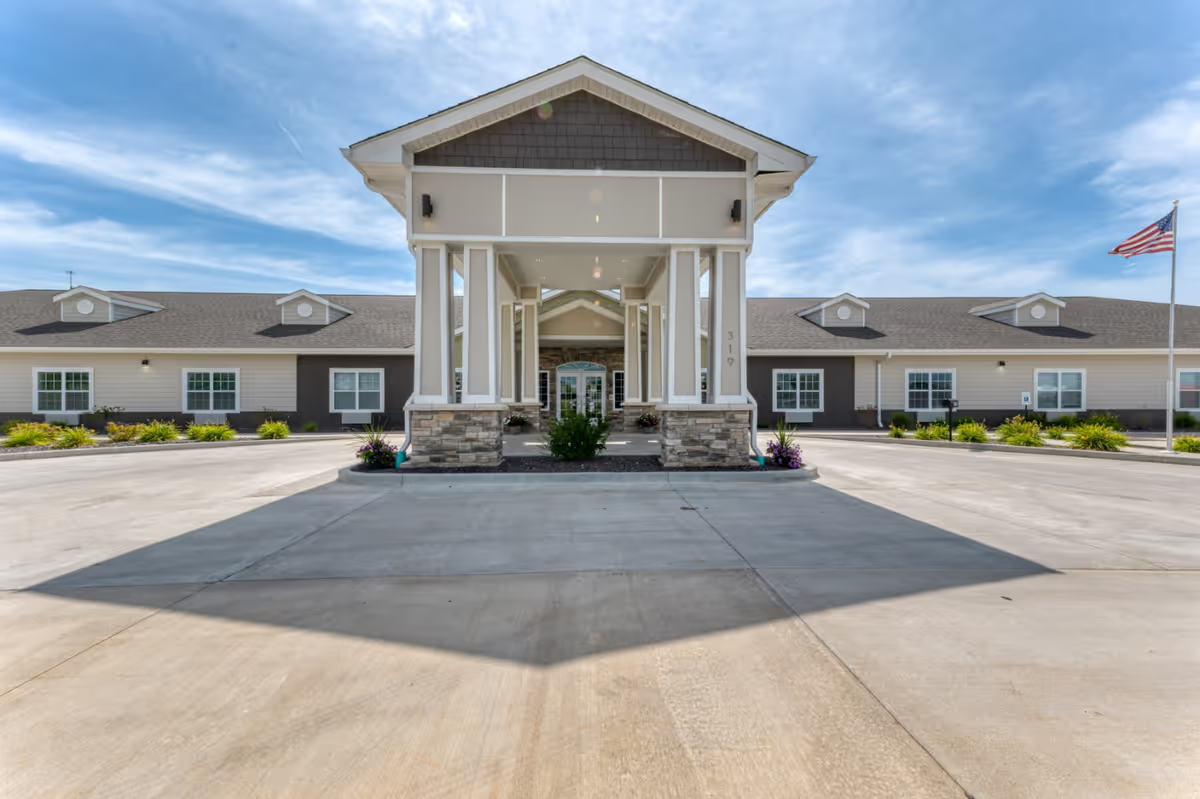
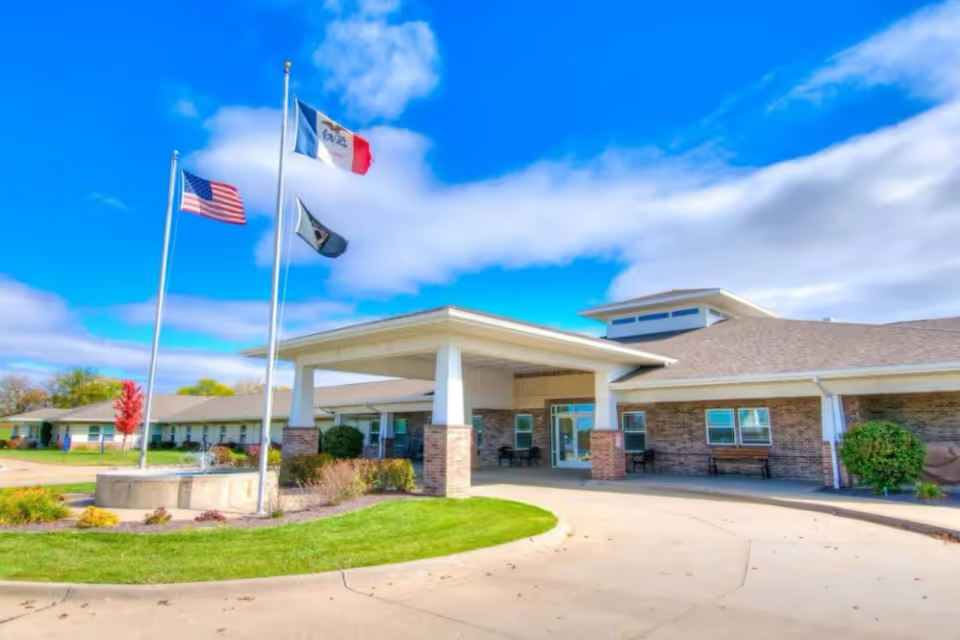
Reviews for River Hills Village describe a mixture of positive day-to-day experiences and significant operational concerns. Several reviewers praised the caregiving team and therapy services, citing compassionate interactions, effective rehabilitation, comfortable residences, and well-kept grounds and entrances. These consistent positives suggest the facility can provide a reassuring environment and meaningful staff–resident relationships that many families find comforting.
Care quality appears mixed. Positive accounts highlight attentive caregiving and successful therapy outcomes that contributed to family peace of mind. At the same time, other comments point to uneven clinical responsiveness and a notable concern following a resident's death; these indicate gaps in how some clinical incidents are managed and communicated to families. Prospective families should ask about incident-response protocols, end-of-life procedures, and how the facility documents and communicates adverse clinical events.
Staffing and teamwork show variability. Several reviews describe strong teamwork and staff who provide excellent care; conversely, other reviewers described uncourteous interactions, poor teamwork, and coworker conflicts. This variability points to inconsistent staff professionalism and unit-to-unit differences in team dynamics. HR-related issues were mentioned, including difficulty obtaining transfers, which suggests limits in internal staffing flexibility and employee-relocation policies that may affect continuity of care.
Dining and daily living logistics also drew mixed feedback. Some reviewers criticized food quality and raised practical access concerns when apartments are located far from dining areas. These comments imply both inconsistent meal-service quality and potential accessibility or convenience problems for residents whose apartments are distant from communal dining.
Facilities and community environment were generally viewed positively: clean entrances, nicely maintained grounds, and an overall comfortable retirement-community feel were noted. However, layout and access differences between units may create uneven resident experiences; families should verify unit locations relative to dining, therapy, and common areas when touring.
Management and administration emerged as a recurrent theme. Comments suggest perceptions of weak leadership, limited clinical background among administrators, and a desire for clearer ethical or governance standards. Those concerns, combined with the aforementioned communication gaps around clinical incidents, point to areas where leadership and policy clarity could be strengthened.
Overall, River Hills Village shows strengths in therapy, certain caregiving teams, and facility upkeep, but exhibits inconsistencies in staff conduct, incident response, dining quality, and administrative leadership. Prospective residents and families would benefit from targeted questions during a visit: staffing ratios and turnover, specific clinical-incident and family-communication protocols, dining menus and delivery options for remote units, HR/staff-transfer policies, and whether leadership includes clinical expertise or formal ethical guidelines.