The review set presents a polarized view of care at this facility, with strong positive experiences alongside substantive operational concerns. Many families and residents praised individual caregivers, therapy staff, and the admissions process; others described lapses in operational consistency that affected day-to-day care. The result is a mixed set of impressions where positive interpersonal interactions and some successful rehabilitations coexist with recurring service-level weaknesses.
Care quality and staffing: Several accounts describe attentive, compassionate aides and therapists who contributed to successful short-term rehabilitation and good therapy outcomes. At the same time, recurring operational themes include staffing shortages, frequent use of agency personnel, and high turnover. These staffing patterns are linked in the reviews to delayed responses to call lights, postponed medication administration, and transportation problems that have affected appointments and routines. There are also isolated but serious concerns about clinical safety and the facility’s incident response; a small number of reviews referenced alleged serious safety events and plans for external complaint filings.
Dining and activities: Commentary on dining is mixed. Some families described good meals and a well-kept dining environment, while others reported cold meals and inconsistency in meal service. Recreational programming received positive mentions (for example, bingo and occasional resident treats), and activities staff and volunteers were noted as a welcome element of daily life for many residents.
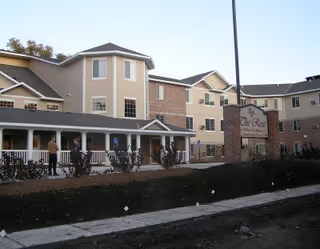
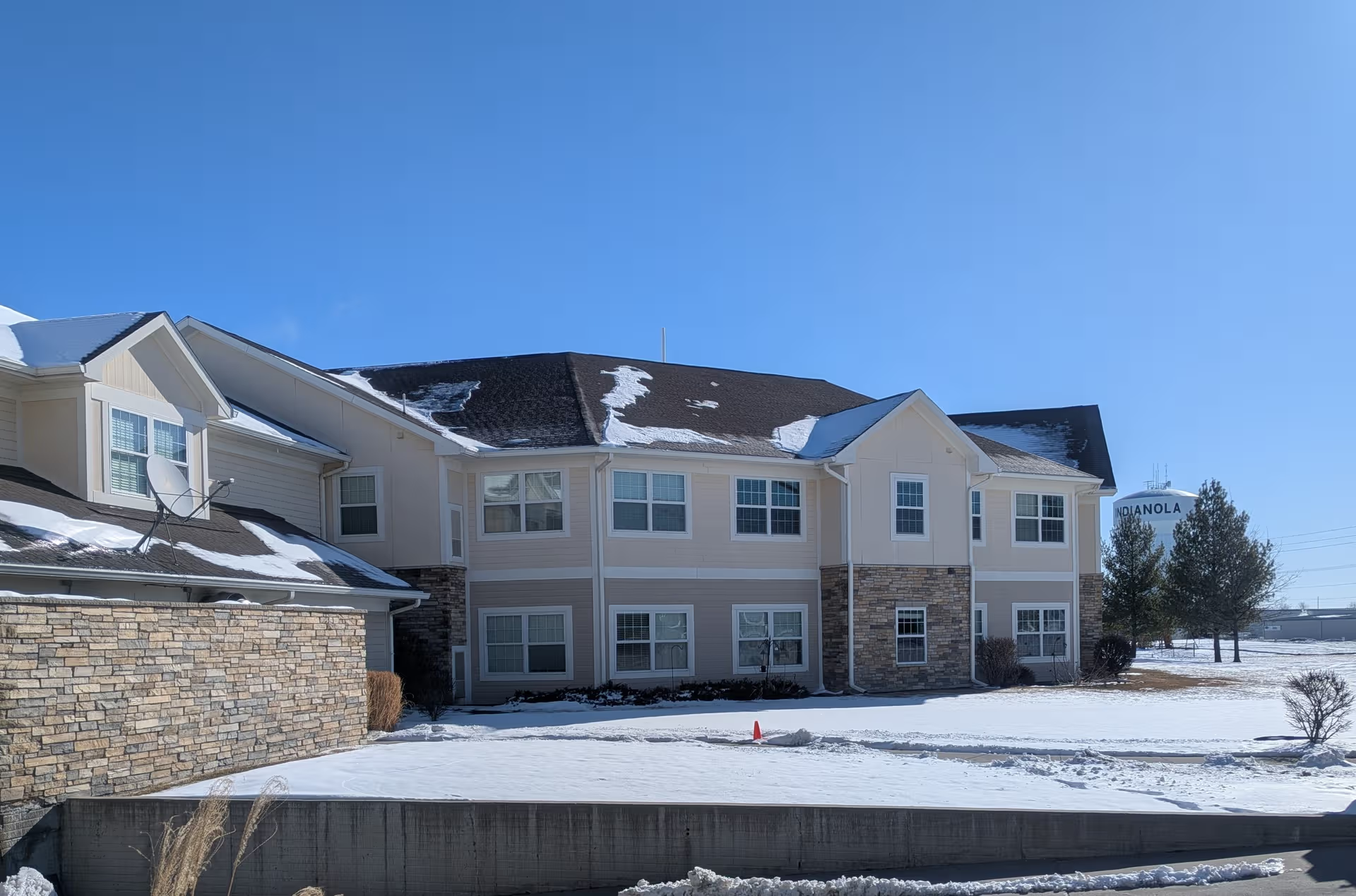
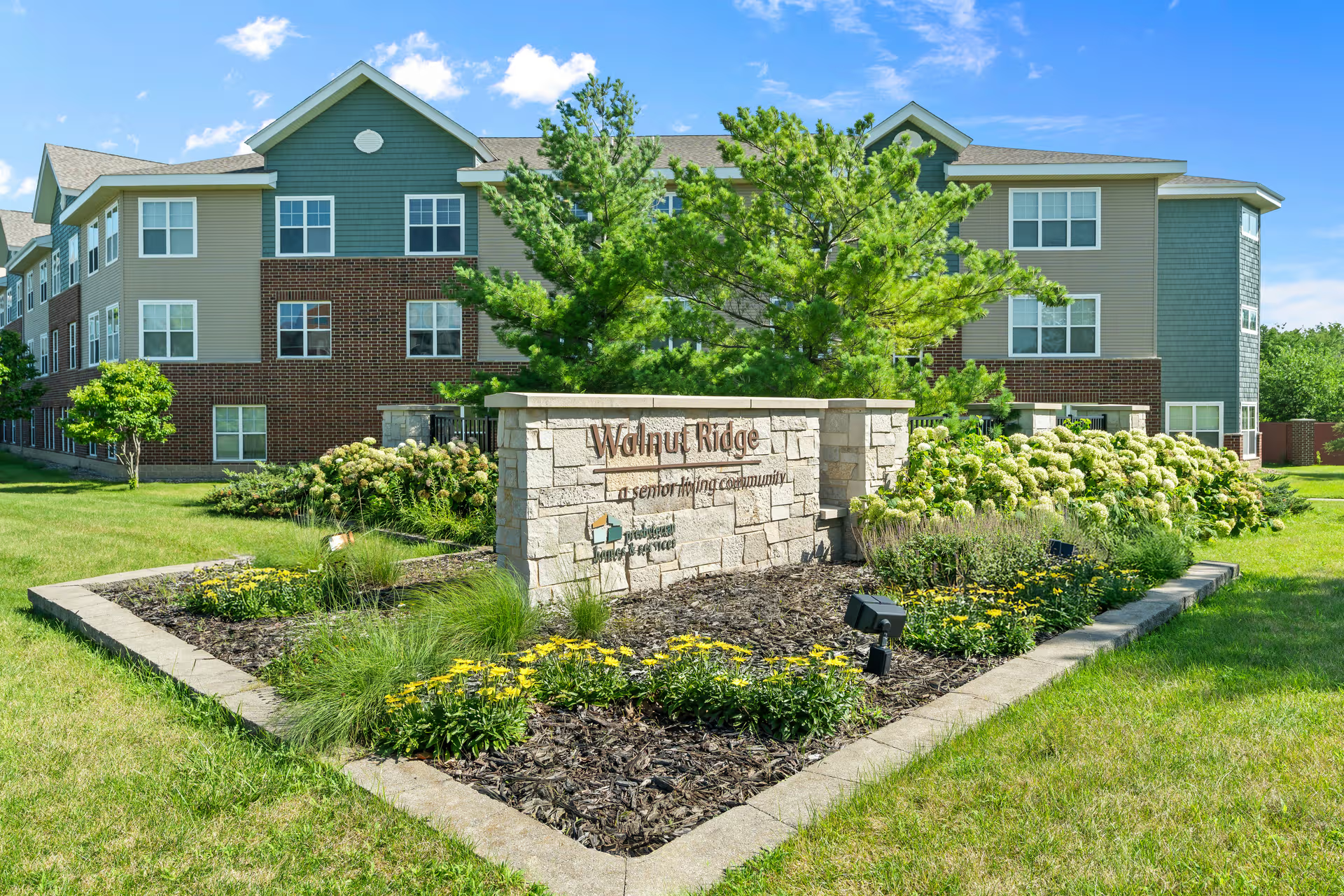
Facilities and housekeeping: Several reviews highlight clean, spacious, and well-lit rooms and helpful support services such as laundry. However, there are also consistent reports of inconsistent housekeeping, sanitation concerns in some common areas, and pest-control issues (ants mentioned). Maintenance issues — including problems with air-conditioning and other building systems — were noted and can affect resident comfort and perceived upkeep.
Management and communication: Admissions and placement were described as smooth and professional by multiple families, and some reviewers praised proactive, responsive management and communication. Contrasting accounts describe poor communication, unprofessional conduct by some staff, billing or deposit disputes, and frustration with how clinical incidents were handled and communicated to families. These divergent narratives suggest variability in management performance or recent changes in leadership/staffing that have not been uniformly experienced across all units or time periods.
Notable patterns and guidance for families: The strongest positive signals relate to individual caregivers, therapy services, and successful short-term rehab stays. The most significant risks noted are inconsistent staffing, gaps in clinical incident response, and uneven housekeeping/maintenance. Prospective residents and families would benefit from targeted questions during a visit: current staffing ratios and agency use, medication administration protocols, transport arrangements, housekeeping and pest-control schedules, HVAC and maintenance plans, and examples of how the facility handles and communicates clinical incidents. Direct observation of meal service, activity programming, and staff–resident interactions during a tour can help assess whether the aspects praised in some accounts or criticized in others better reflect current operations.