Sunrise of Leawood elicits a strongly mixed set of impressions: many families and residents praise a warm, home-like environment with active social programming, while a subset of reviewers describe operational gaps that affected clinical care and family confidence. The community is frequently commended for its activities program, long-tenured and personable staff, bright renovated interiors, pet-friendly outdoor space, and a variety of common areas that promote socialization. The activities director, in particular, is widely cited as a strength; organized outings, music, games, and daily programming are recurring positives.
Care quality appears variable. Several accounts highlight attentive CNAs, medication aides, and nurses who know residents by name and provide compassionate support. At the same time, other accounts describe inconsistent nursing coverage, slow pendant/call-bell responses, and concerns about medication management and documentation. These clinical gaps were most consequential for residents with higher-acuity needs: reviewers who required more intensive nursing oversight described transfer to alternative care settings after experiencing inadequate clinical monitoring. Prospective families should verify current staffing ratios, clinical oversight arrangements, and the facility’s protocol for escalating medical issues.
Staffing and staff conduct present a dual pattern. There is a core of long-serving, friendly, and helpful employees — front-desk staff, activity leaders, and some caregiving staff receive repeated praise. However, reviewers also describe variability in competency and attentiveness across shifts, occasional curt communication from supervisors, and examples of staff spread thinly across responsibilities. Understaffing and cross-coverage appear to be recurring contributors to delayed responses, missed tasks, and inconsistent personal-care schedules.
Dining and nutrition are similarly mixed. Many reviewers enjoy the food, mention a flexible chef, and praise meal variety; others note long waits in the dining room, meals served cold, and particular challenges in the memory-care dining experience (assistance needs, portion types, and utensil/serving choices that made eating harder for some residents). There are also concerns about extra charges tied to feeding assistance and inconsistencies in meal service that prospective residents should clarify during a tour.
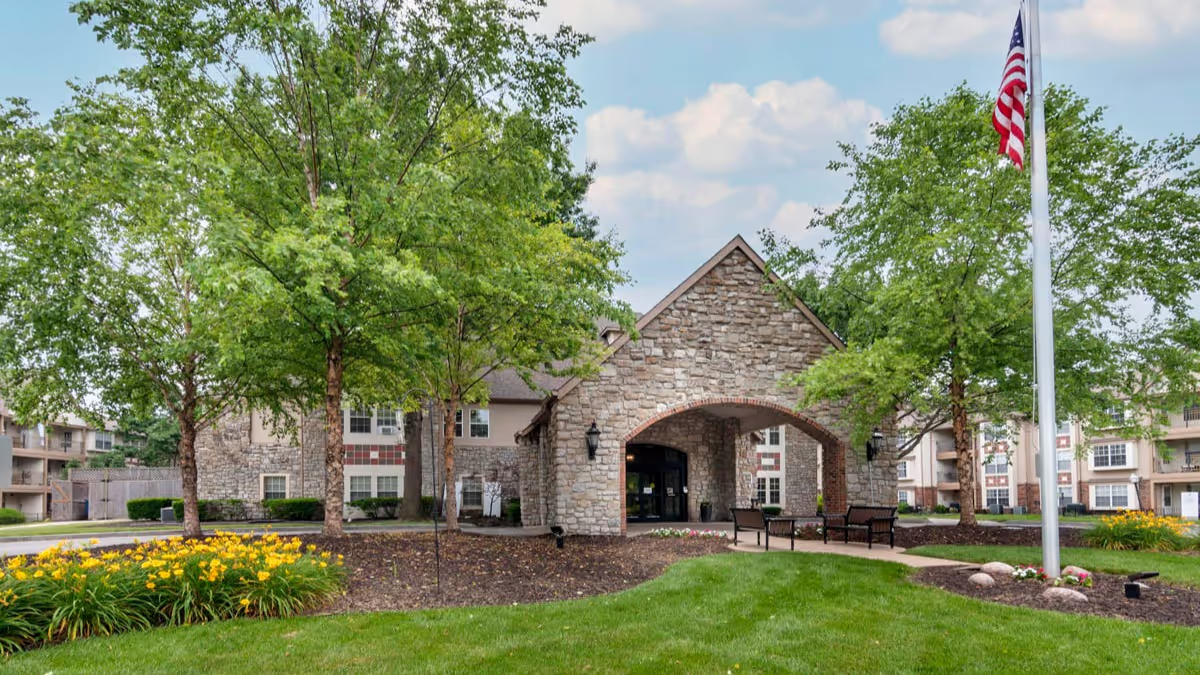
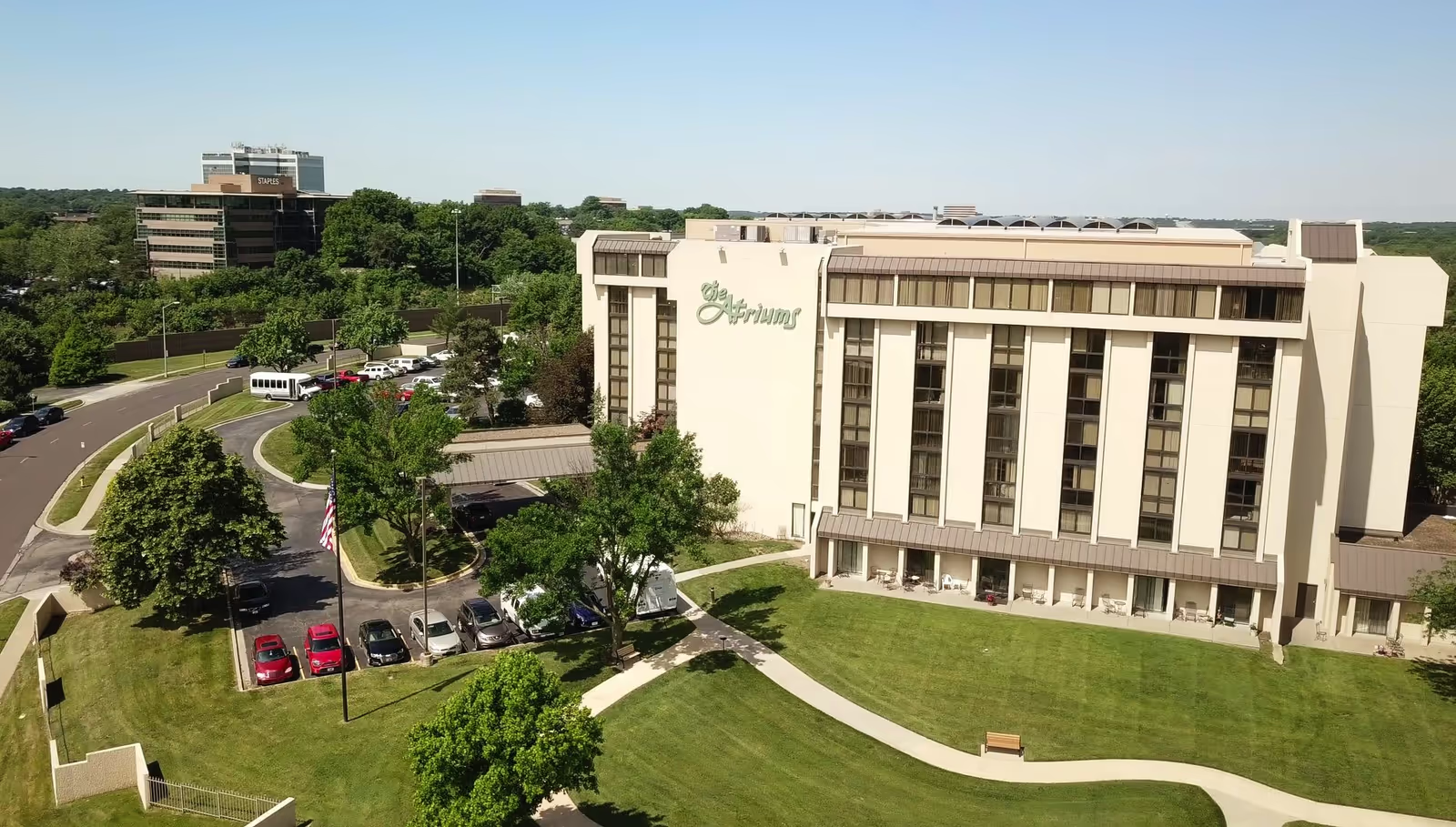
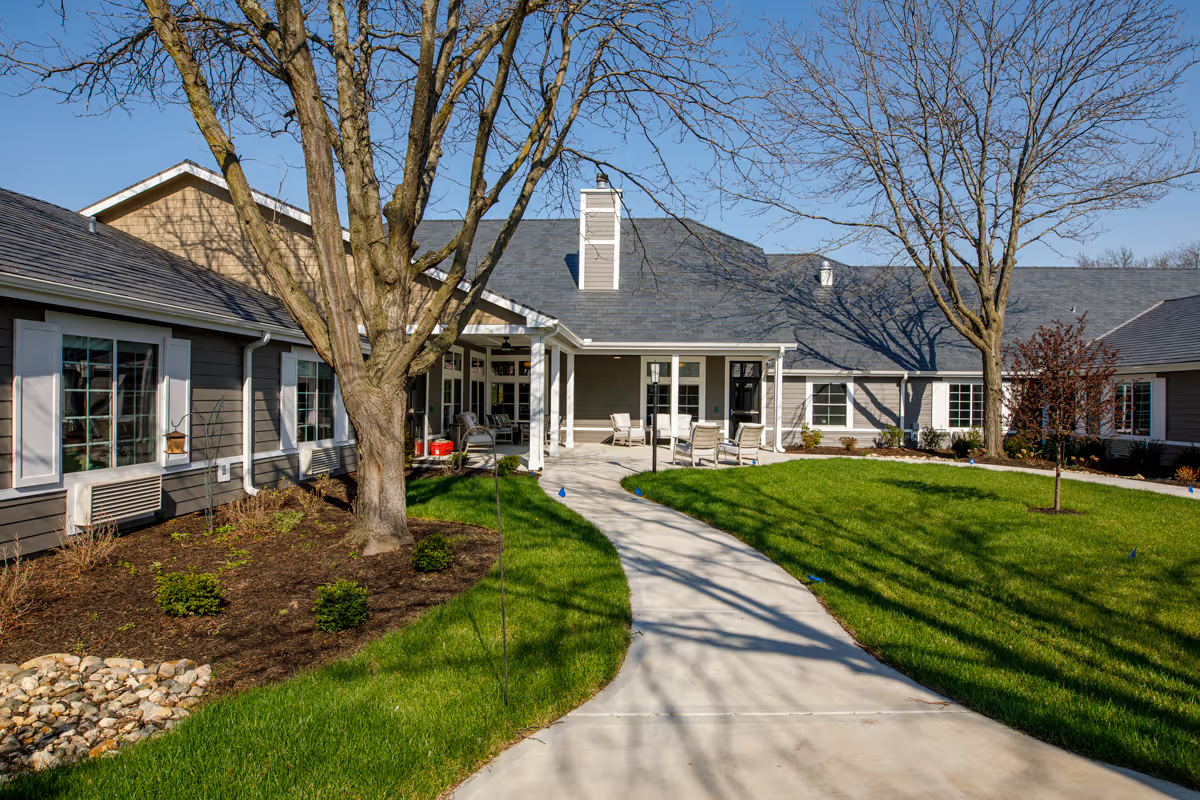
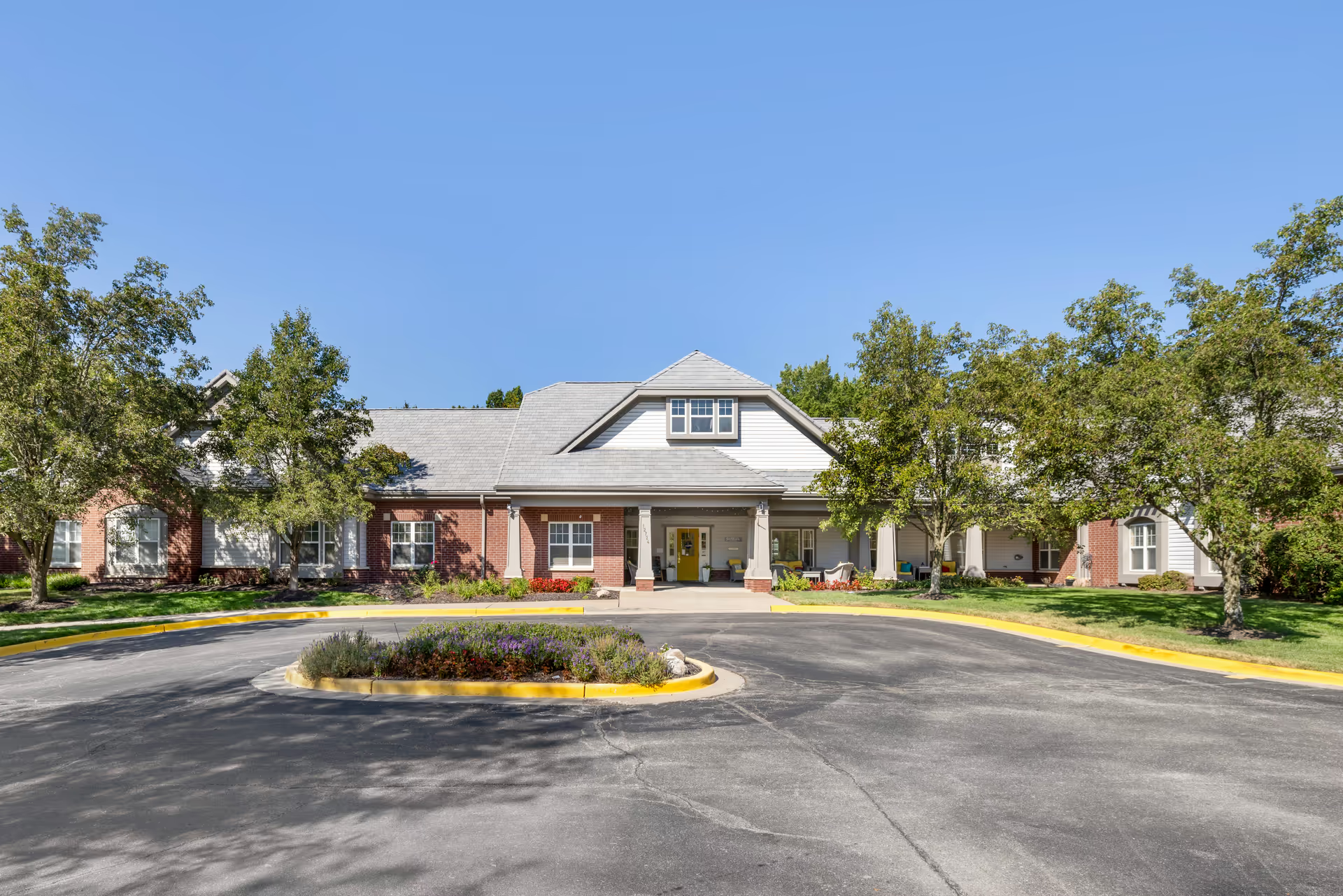
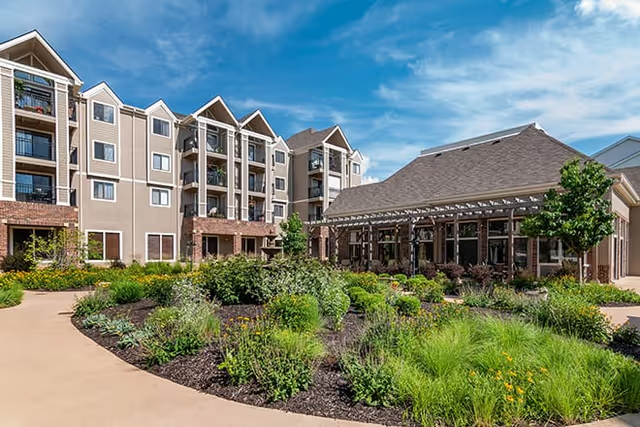
The facility’s physical plant and amenities receive consistently positive comments: clean, updated interiors, good natural light, multiple private and group spaces, a fenced yard for pets, and accessible entertainment spaces. Some apartment layouts and shared rooms are described as less desirable, and parking/garage logistics can be awkward. Memory-care safety features (secured areas, wandering precautions) are noted as reassuring by many families.
Management and operational transparency emerge as areas of concern for some families. Reviewers describe variable responsiveness when escalating clinical or administrative issues, an opaque fee and upgrade structure, and occasional leadership turnover following incidents. A small number of serious allegations — including theft and significant clinical lapses that prompted hospital transfers and police involvement — underscore the importance of asking about incident reporting, security measures, and complaint resolution processes.
Notable pattern: experiences are polarized. A substantial set of reviewers describe a supportive, active, and clean community where residents thrive; another subset describes operational shortcomings tied to staffing, clinical oversight, and management responsiveness that resulted in transfers to other facilities. For prospective residents and families, recommended pre-admission steps include: reviewing current staffing ratios and 24/7 nursing coverage policies, asking for written emergency and medication-management protocols, confirming how call-response times are measured and improved, clarifying feeding and ancillary fees, inquiring about loss-prevention and inventory controls, and arranging meetings with the wellness nurse and activities director. These targeted questions can help determine whether Sunrise of Leawood’s strengths align with a particular resident’s care needs and risk profile.