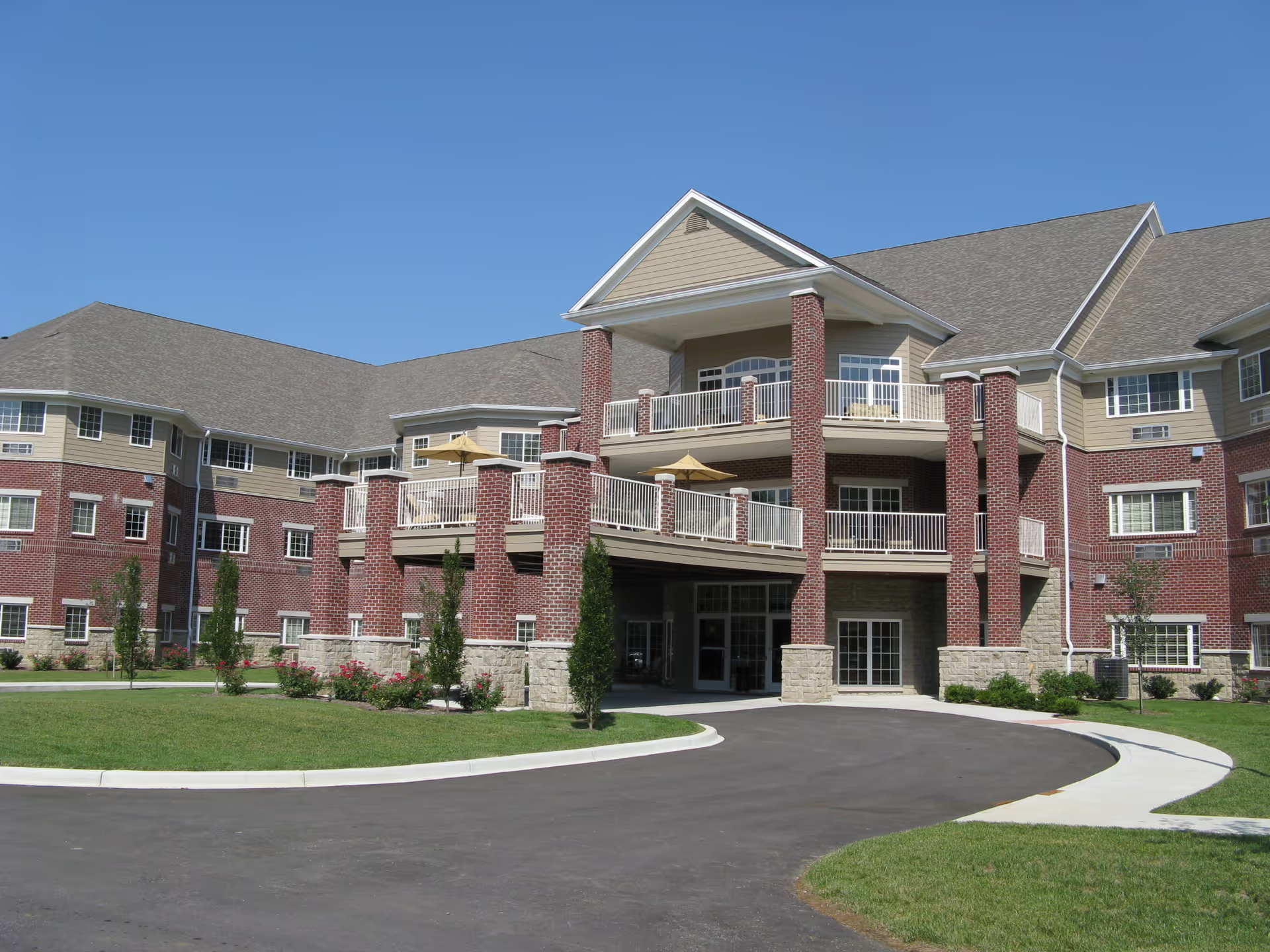
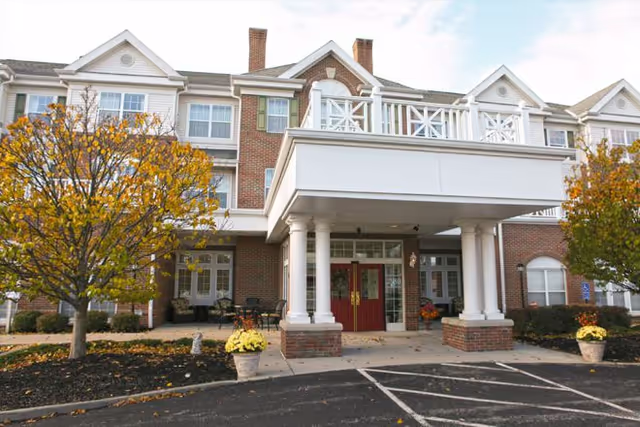
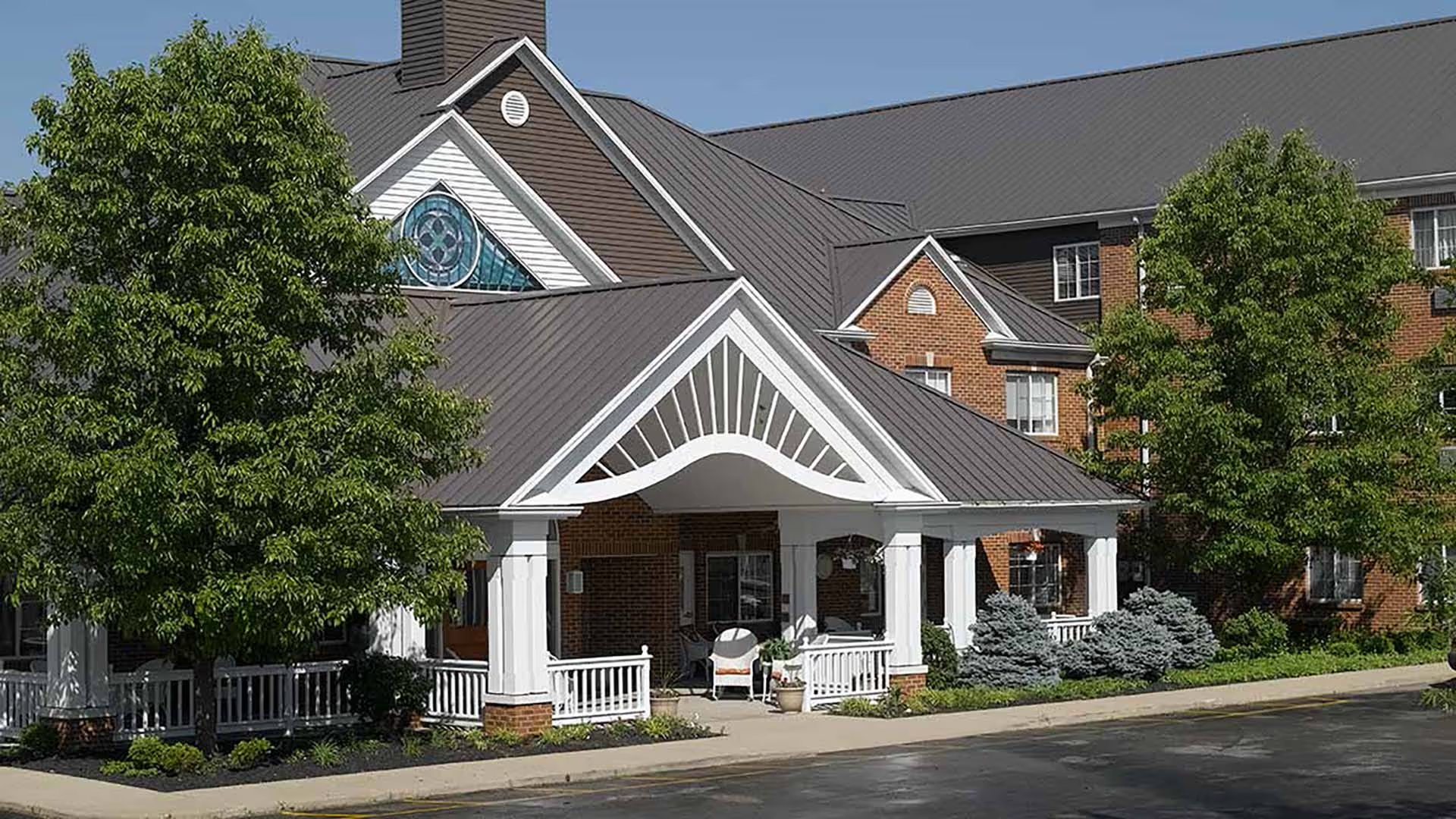
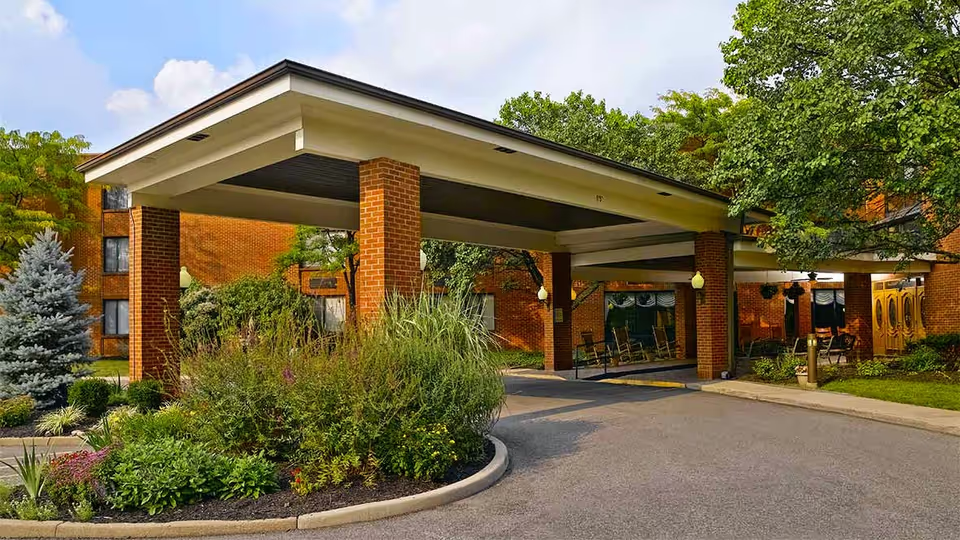
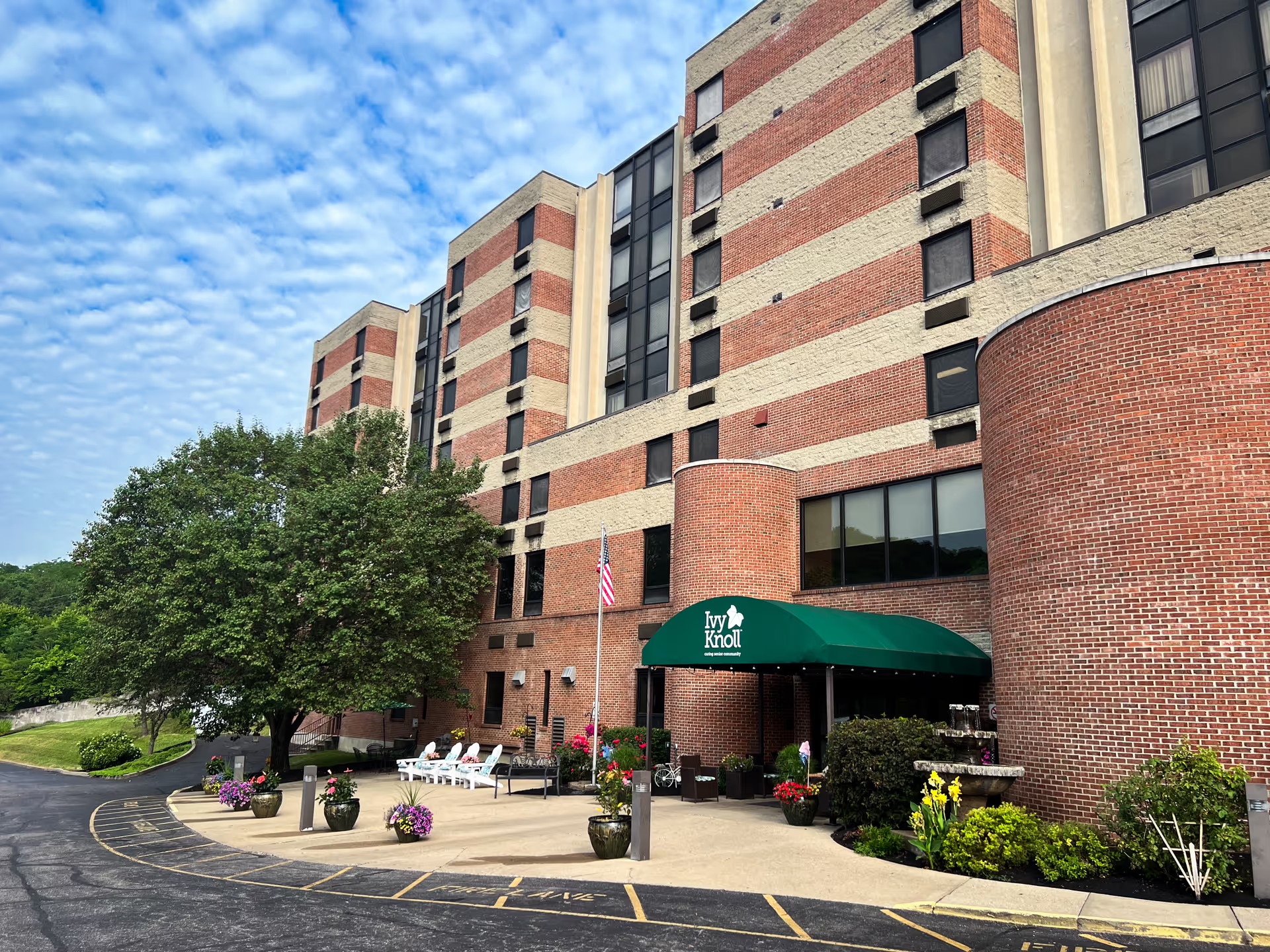
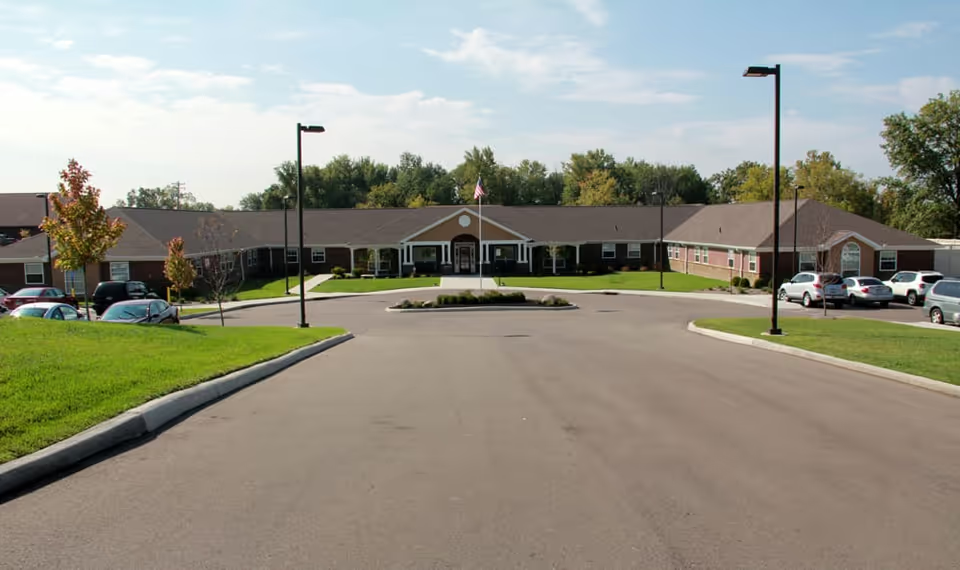
Legacy Living Florence is consistently described as a new, well-maintained community with extensive amenities and a strong emphasis on hospitality. The campus features multiple living options (independent townhomes, assisted living, and memory care), generous common spaces — including a movie theater, game room, chapel, salon, fitness center, library with computers, and pub-style space — and well-kept grounds with a central courtyard. Architectural and interior finishes are frequently characterized as modern, bright, and clean, and residents and visitors often remark on the attractive landscaping and comfortable communal areas.
Care quality and staffing are prominent themes. Families and visitors commonly describe staff as compassionate, attentive, and personable; many accounts emphasize individualized attention, name recognition, and thoughtful transition support at move-in. Memory-care programming receives repeated positive mention for its safety, engagement, and staff responsiveness. At the same time, reviewers point to operational limits: staffing levels can feel stretched during peak periods, and the community may not be the best fit for people who require high-acuity nursing care. There are also intermittent reports of delays in responding to requests, which suggests variability in responsiveness during busier shifts.
Dining is a central strength of the community. The food program is frequently praised as chef-driven and restaurant-style, with a broad menu, daily specials, cook-to-order options, and seasonal or housemade offerings. Dining staff and kitchen leadership are singled out for personalized service and engagement with residents. A few housing configurations appear to have constraints around meal access (for example, limited included meals or additional charges tied to certain townhome arrangements), which may affect residents who have mobility limitations or expect fully integrated meal plans.
Activity programming and rehabilitation services are robust. The community appears to invest in a full activity calendar that includes music, arts, outings, exercise classes, and social events; reviewers describe frequent visiting artists, bus outings, games, and purposeful opportunities for physical and cognitive engagement. On-site therapy services (physical and occupational) and transportation for errands and trips are available and frequently noted as conveniences that support independence.
Operational patterns to weigh when considering residency include accessibility and unit features. Some main-building units lack in-unit washers/dryers (while many outer townhomes do have them), and a few reviewers described challenges with unit temperature control that required management attention. There are also recurring notes about affordability; while pricing communication at tours is described as transparent, monthly rates and one-time costs may be a barrier for some households. Finally, although management and the executive team receive praise for responsiveness and a hands-on approach, occasional scheduling or coordination gaps were mentioned.
In sum, Legacy Living Florence projects as a hospitality-focused, amenity-rich community with a strong culinary program, active social life, and compassionate staff—particularly well-suited for seniors seeking an engaging independent or memory-care environment. Prospective residents and families should confirm specific operational details that affect daily living (in-unit laundry, included meal counts, temperature control, and staffing levels during peak care needs) and evaluate whether the community’s care model aligns with higher-acuity clinical requirements and individual budget constraints.