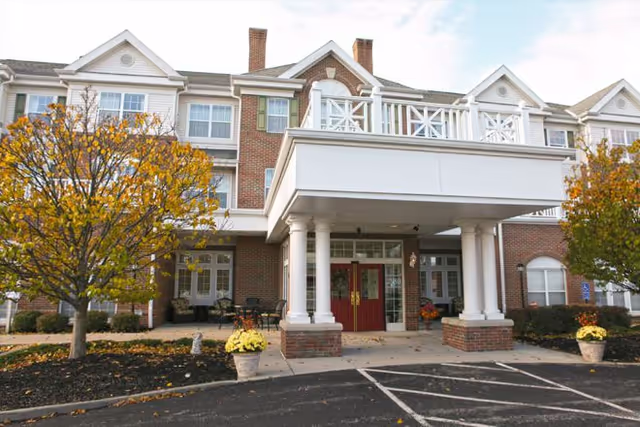
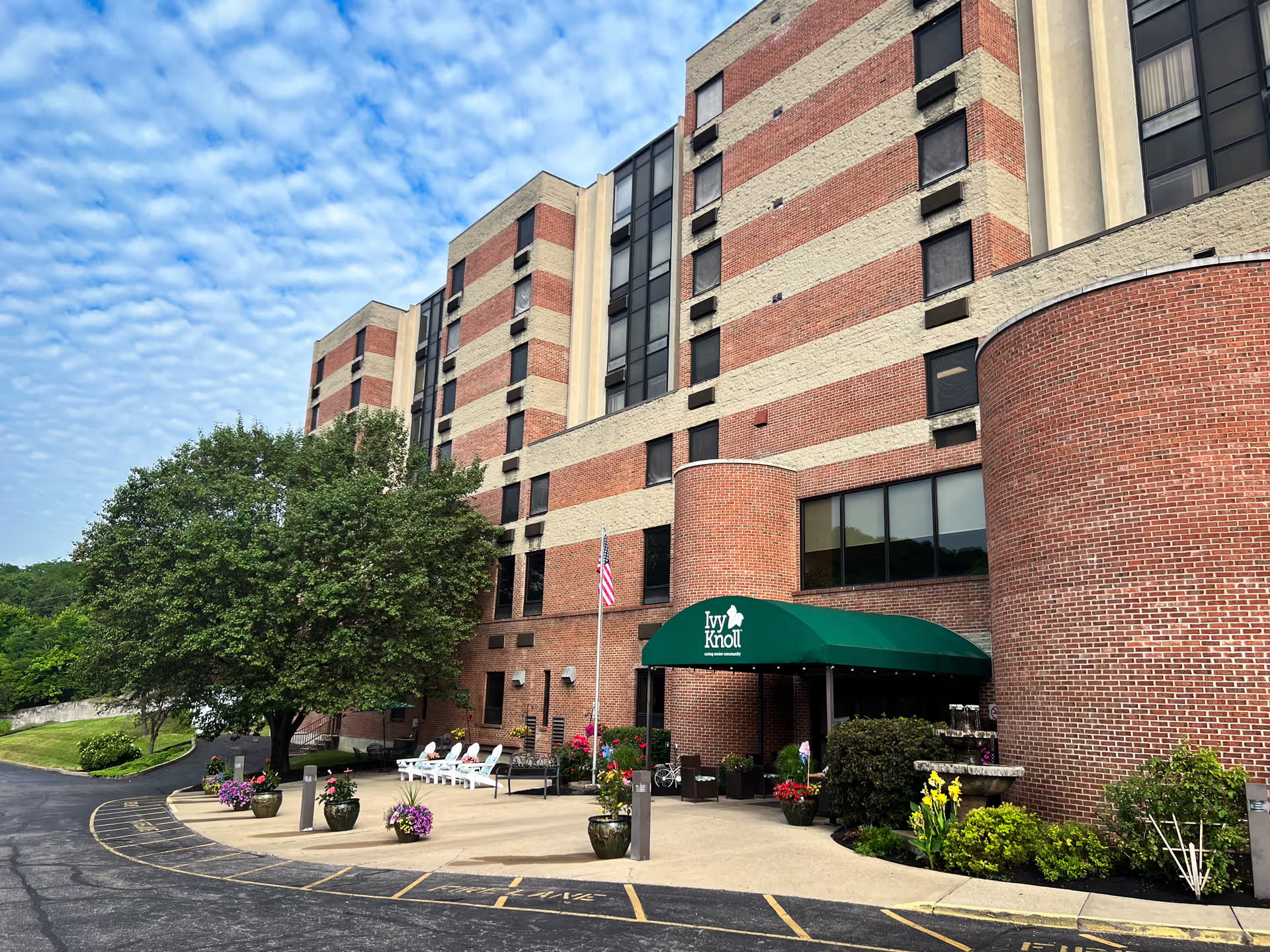
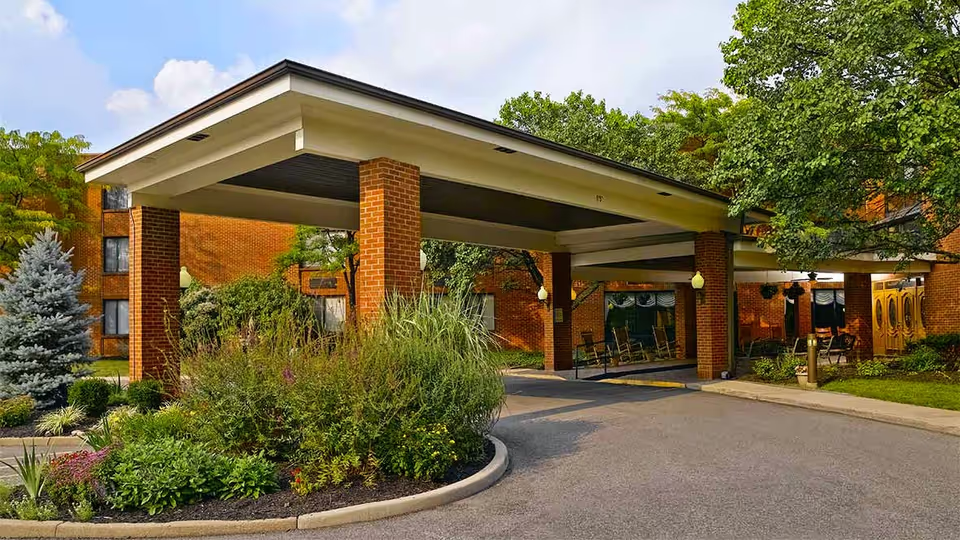
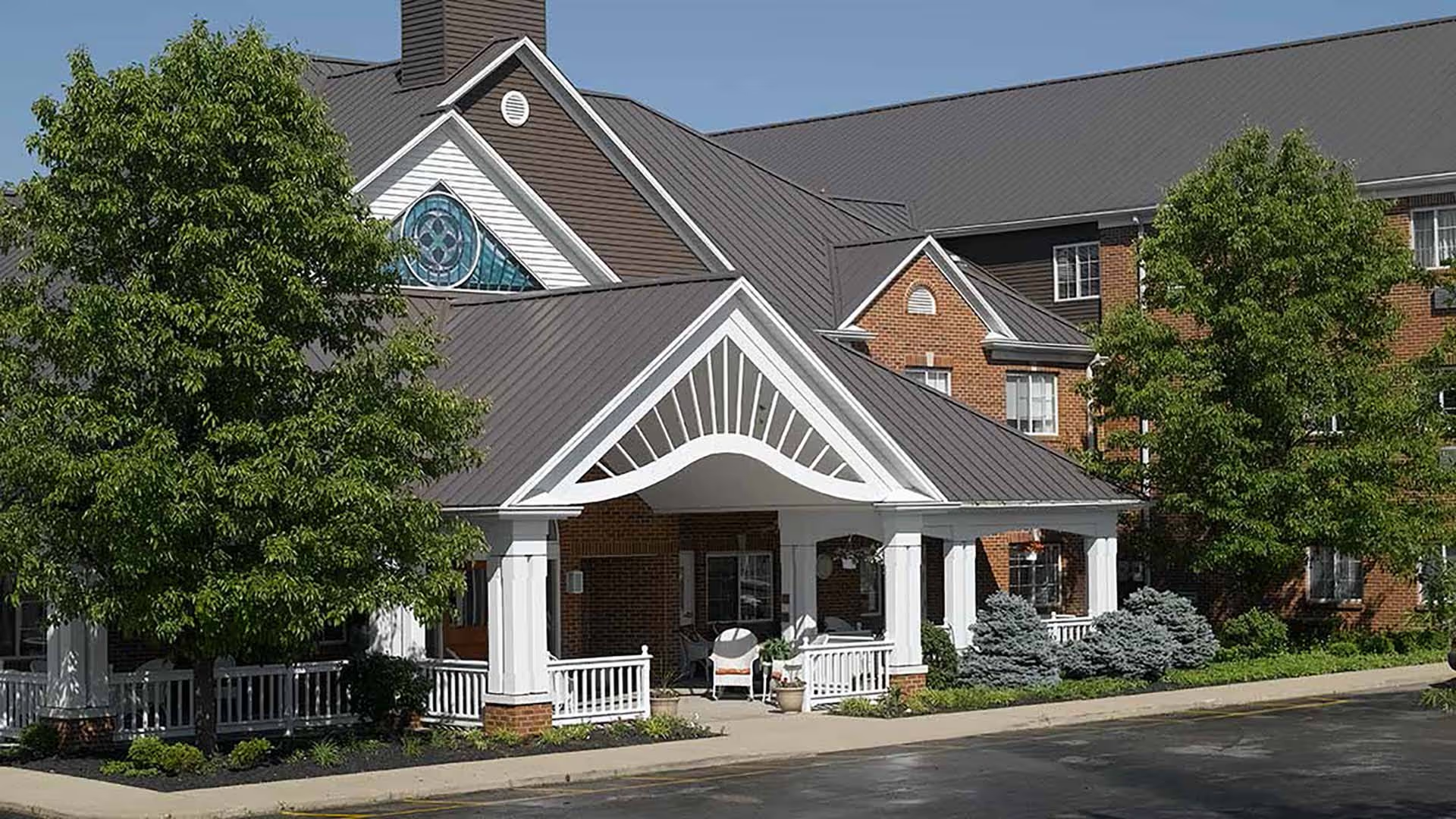
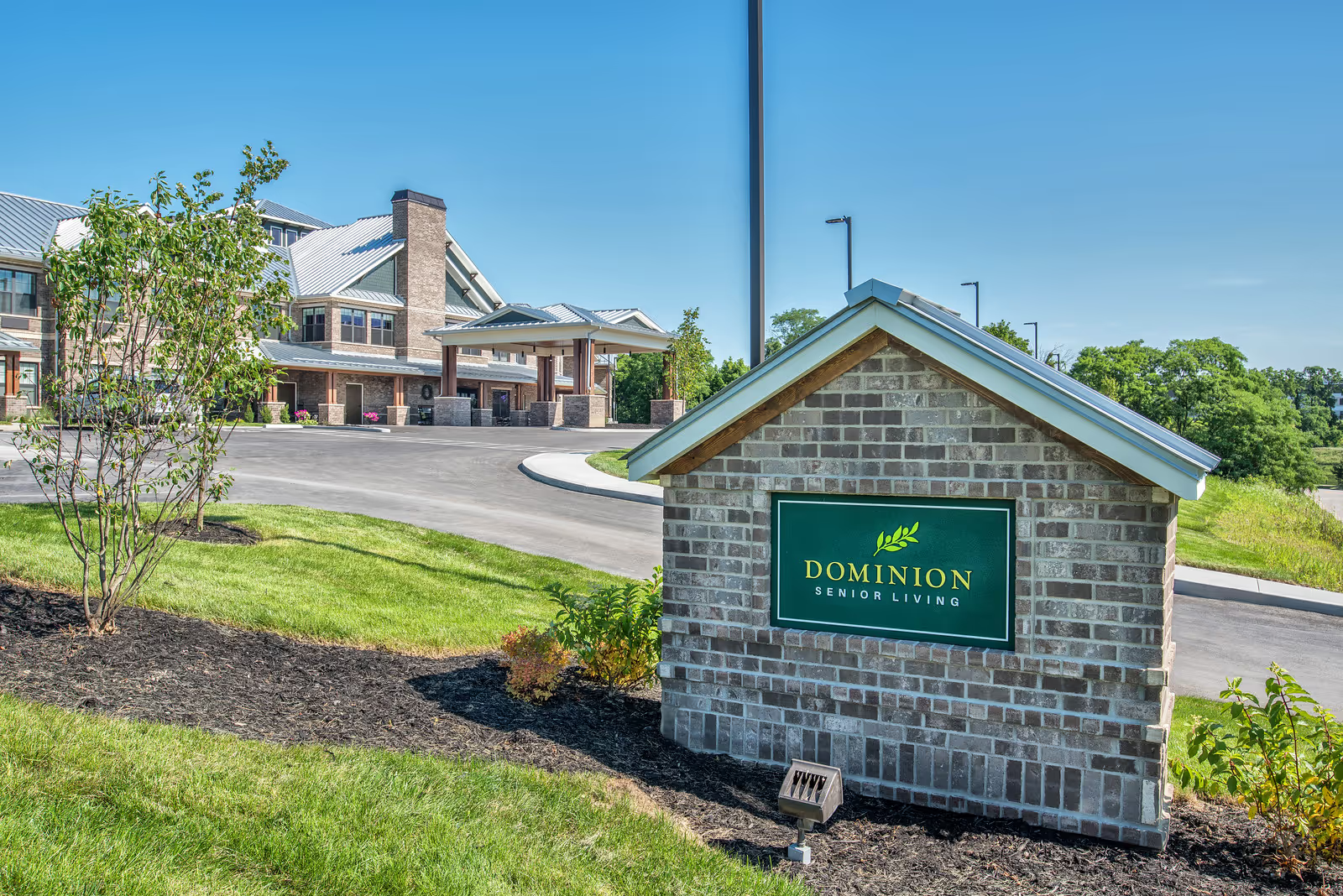
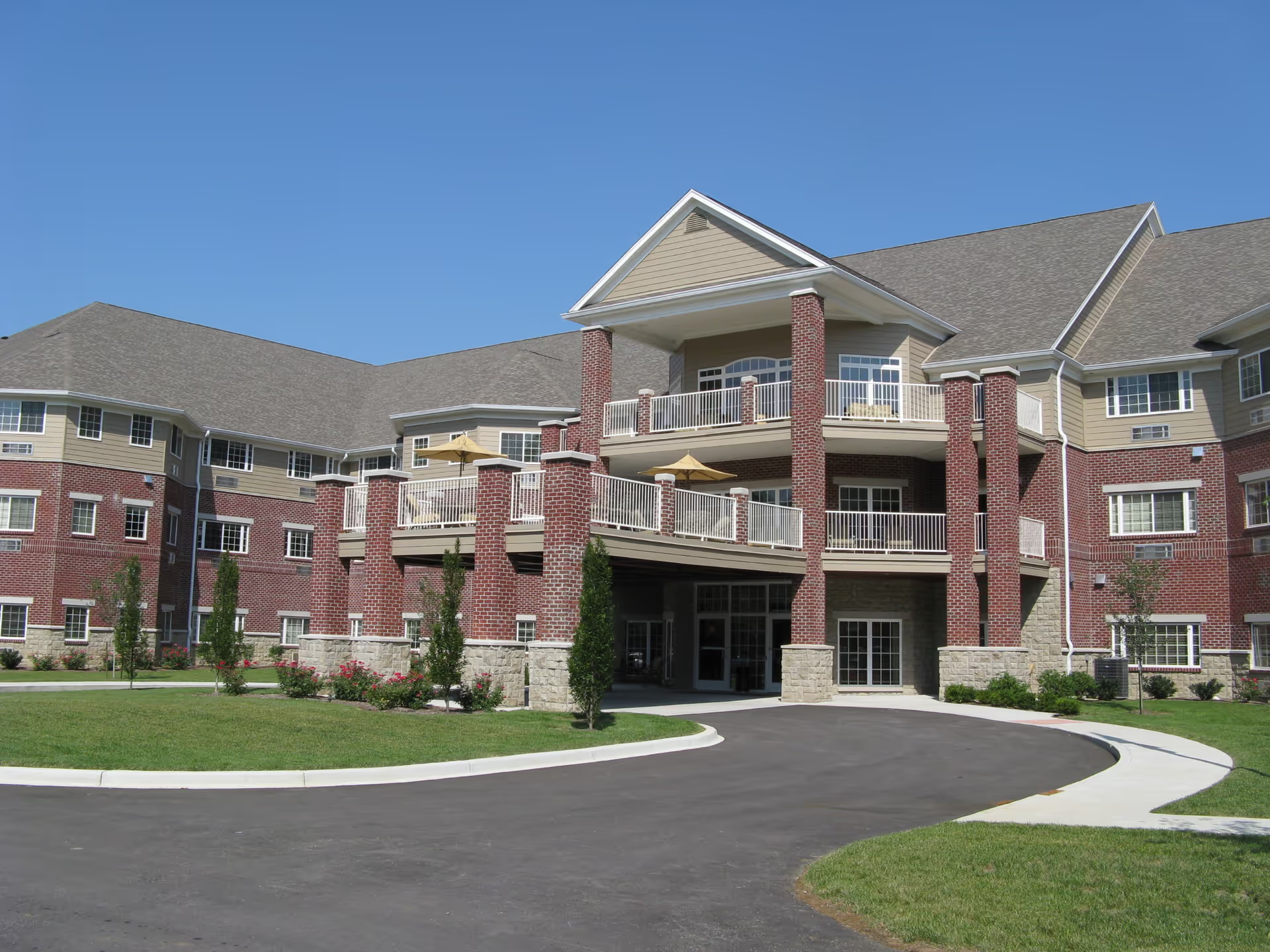
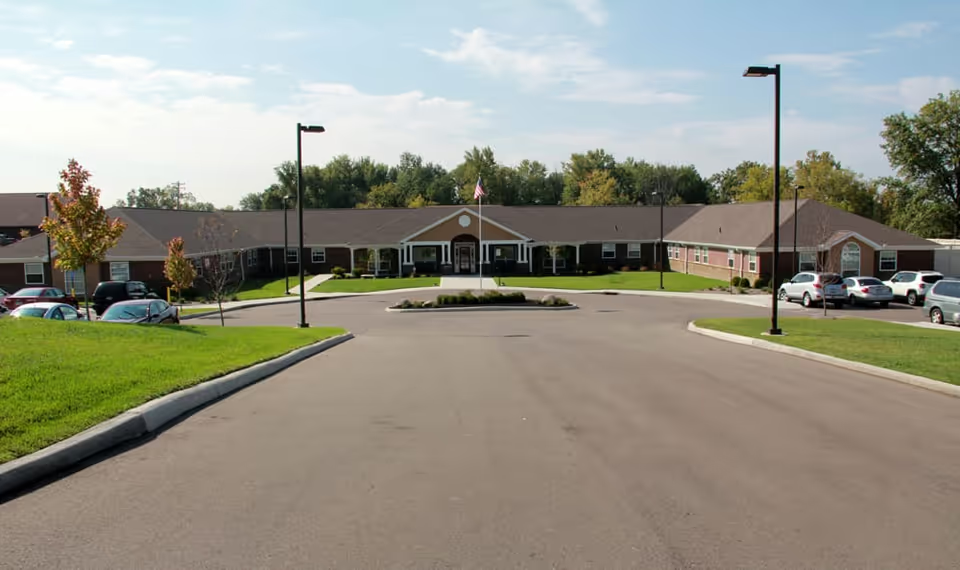
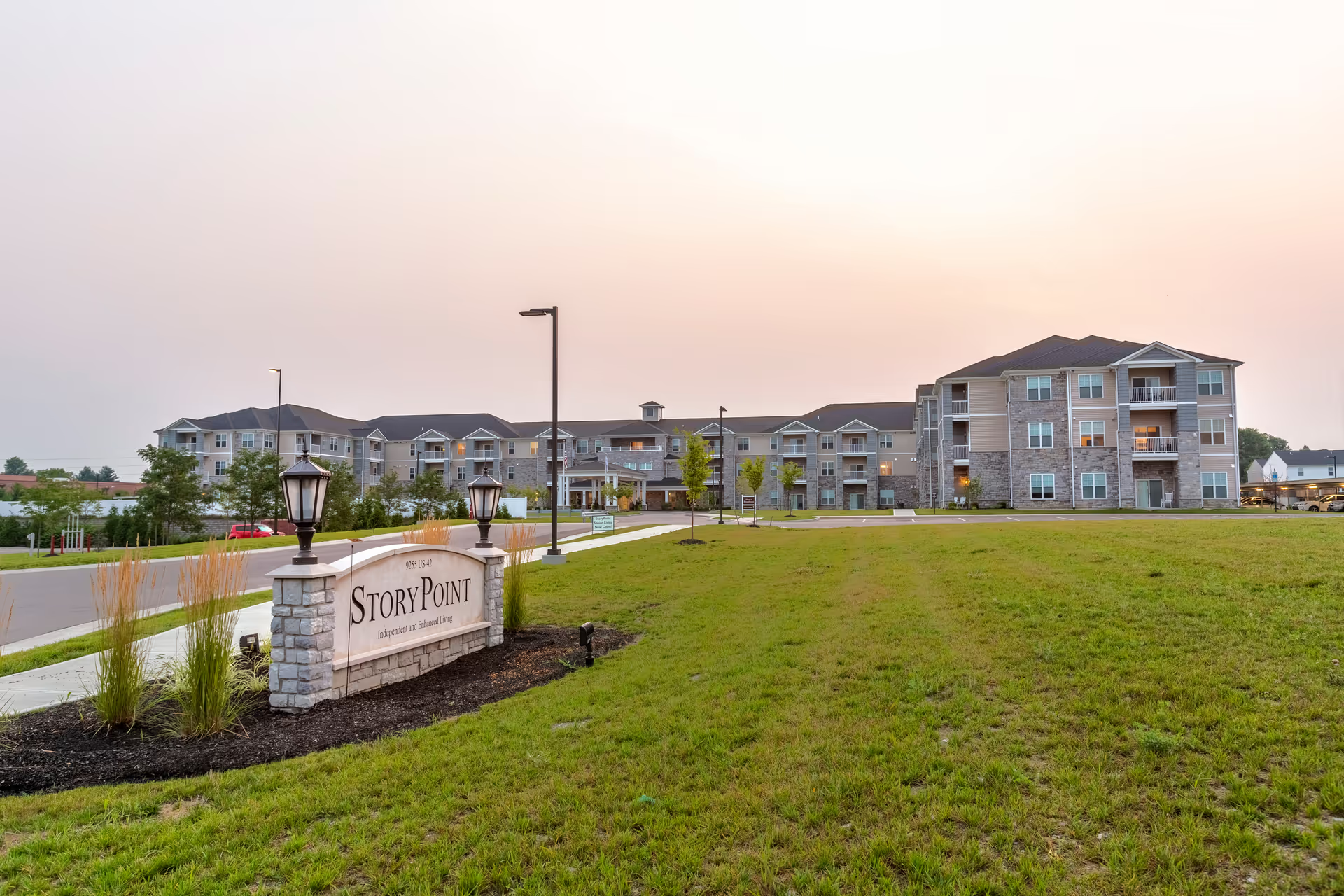
Madonna Manor presents a mix of clear strengths and recurrent operational challenges. The facility's physical campus, apartments, and communal spaces receive consistent praise: reviewers describe attractive grounds, well-designed independent-living units, a restaurant-style dining room, and inviting common areas that support socialization. Admissions and administrative staff are frequently characterized as helpful, and families note assistance with Medicare questions and appeals. The therapy team (physical, occupational and speech therapy) is widely regarded as a strong clinical asset that produces good rehabilitation outcomes for many residents.
Direct-care staff receive largely positive comments for compassion and interpersonal care; aides and nurses are often described as kind and committed. At the same time, reviewers repeatedly emphasize that those same frontline teams are frequently stretched thin. Chronic understaffing, high turnover, and low morale are recurring themes that appear to affect care continuity. Consequences described include inconsistent medication administration, delayed responses to call lights and emergencies (notably overnight), and variable personal-care routines such as bathing and dressing. Several families attributed clinical setbacks to these operational gaps.
Dining and housekeeping present a mixed picture. The dining environment and certain kitchen and housekeeping staff earn positive notes, and some reviewers report recent improvements under a new chef. However, others describe variability in meal quality, temperature, and service speed. Cleanliness is often cited as a strength in common areas and several units, but there are also isolated maintenance and sanitation concerns (for example, carpet and odor issues and pest-control items) in parts of the facility that families recommend monitoring.
Management and leadership stability are additional areas of concern. Reviewers note frequent changes in nursing leadership, inconsistent communication with families, and instances of billing or charge discrepancies. While some families describe strong, responsive leadership and close collaboration with medical providers, others found communication ineffective and escalation channels unsatisfactory. These divergent experiences create a noticeable variability in family satisfaction.
Overall, Madonna Manor offers tangible positives—an appealing campus, robust therapy services, active spiritual and social programming, and many compassionate staff members. Those considering the facility should weigh these strengths against operational patterns that have produced inconsistent care experiences: specifically, ask about current staffing levels (including night and memory-care coverage), medication-administration protocols, recent turnover trends, maintenance and sanitation action plans, and how management is addressing communication and billing concerns. A targeted tour that includes conversations with therapy leadership, nursing management, and families of current residents can help clarify whether the facility's current operations align with an individual resident's needs and risk tolerance.