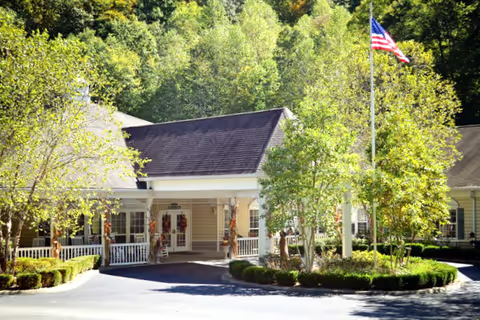
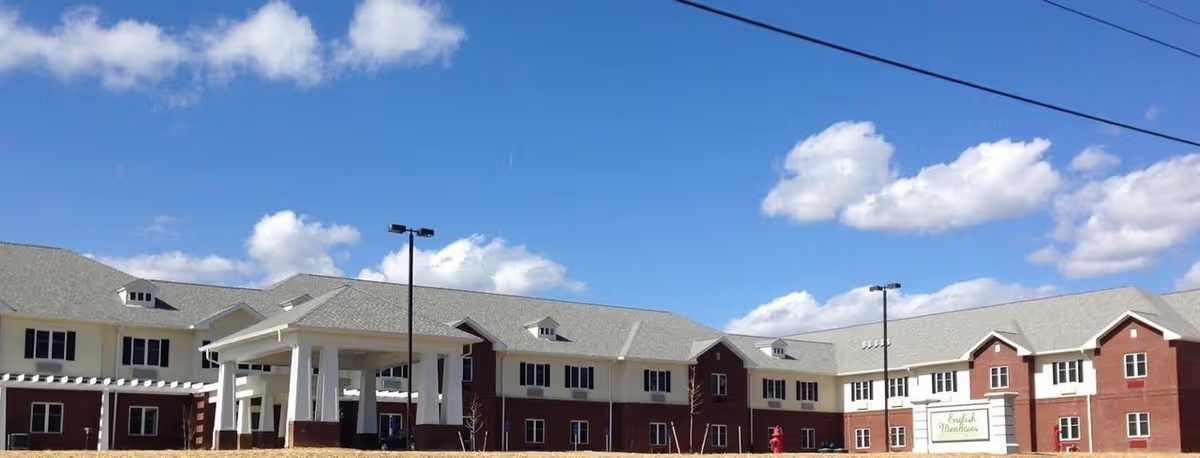
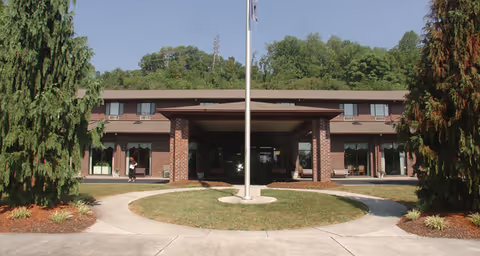
Good Shepherd Health and Rehabilitation Center is consistently described as a well-kept, home‑like facility with an engaged staff and a strong rehabilitation focus. Reviewers emphasize a family‑oriented culture: nurses, CNAs, and therapists are frequently characterized as compassionate, attentive, and willing to go beyond basic duties. The therapy department and short‑term rehabilitation services receive particular praise for helping residents regain independence and supporting return‑home goals. Regular physician visits and proactive clinical monitoring are noted as contributors to clinical continuity.
The facility’s activities program and recreation resources are another repeated strength. Families and residents describe a broad schedule of games, parties, outings (restaurants, shopping, picnics), and special events; staff involvement in planning and executing activities appears robust and contributes to resident engagement and morale. Dining is delivered via an on-site cafeteria and is described positively in many comments; the facility is also credited with helping sustain social opportunities around meals and events.
Facility upkeep and management involvement are also prominent positives. Many reviews highlight exceptional cleanliness, organized common areas, and an administrator who is visibly involved. Communication with families — including timely updates and facilitation of virtual visits — is cited as a consistent operational strength. Volunteer programs and administrative accommodation for educational or family needs are additional managerial assets mentioned by reviewers.
Alongside these strengths, some reviews indicate operational weaknesses that prospective families should consider. There are descriptions implying inconsistent assistance with activities of daily living such as feeding and toileting, and commenters describe variability in staff responsiveness, particularly during some shifts. These patterns suggest the facility may experience staffing or workflow gaps at times. There are also concerns about personal‑property handling and about protocols for preventing and managing resident‑to‑resident sexual misconduct; those issues raise the importance of understanding the facility’s property safeguards, resident supervision strategies, and behavioral management policies. A few accounts further imply opportunities to strengthen clinical‑incident escalation and follow‑up procedures.
For families evaluating Good Shepherd, the overall pattern is positive for rehabilitation, social engagement, cleanliness, and a warm staff culture. When touring or speaking with leadership, it would be prudent to ask specific questions about staffing levels by shift, protocols for assistance with feeding and toileting, personal‑property inventories/controls, behavior‑management and resident‑safety strategies, and the facility’s incident‑response and family‑notification processes. Those clarifications will help balance the facility’s many documented strengths against the operational concerns described by reviewers.