Sunrise of Arlington is consistently described as a warm, activity-rich assisted living community with many strengths in day-to-day resident life. Families and visitors frequently highlight compassionate caregiving, a strong music culture (including pianos and live concerts), a wide variety of activities and outings, and restaurant-style dining with an accommodating chef. The facility’s common spaces and grounds are often praised as attractive and comfortable, and several accounts note dedicated on-site nursing, proactive health monitoring, and responsive emergency-call handling that provide meaningful reassurance for many families.
Clinical and direct-care experiences show a mixed but instructive pattern. Multiple accounts describe professional, attentive nursing and aides who provide person-centered assistance, timely medication delivery on many shifts, and supportive end-of-life care. At the same time, there are repeated operational concerns: inconsistent staffing levels and elevated caregiver turnover create uneven day-to-day continuity, and several reviews describe lapses in adherence to individual care plans and dietary restrictions. There are also reports of medication- and clinical-oversight gaps and instances where on-call responsiveness and incident follow-up were inadequate. These issues suggest that the level of clinical reliability can vary by shift and by staff assignment.
Dining and programming are among the facility’s strongest areas. Reviewers commonly commend the food quality, menu flexibility, and the option for room service when residents are unwell. Activity programming is broad — exercise, arts and crafts, religious services, outings, and frequent musical performances — and many families cite improved engagement and mood as a result. That said, some residents and family members observed variability in activity delivery: sessions may be highly interactive at times and more passive (for example, video-based offerings) at others.
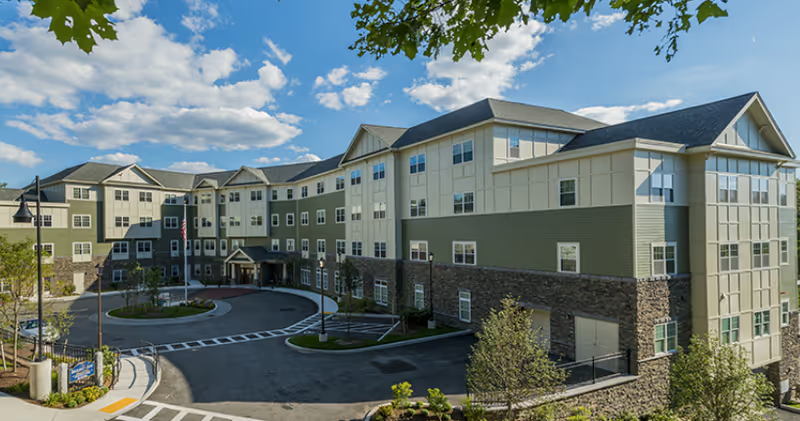
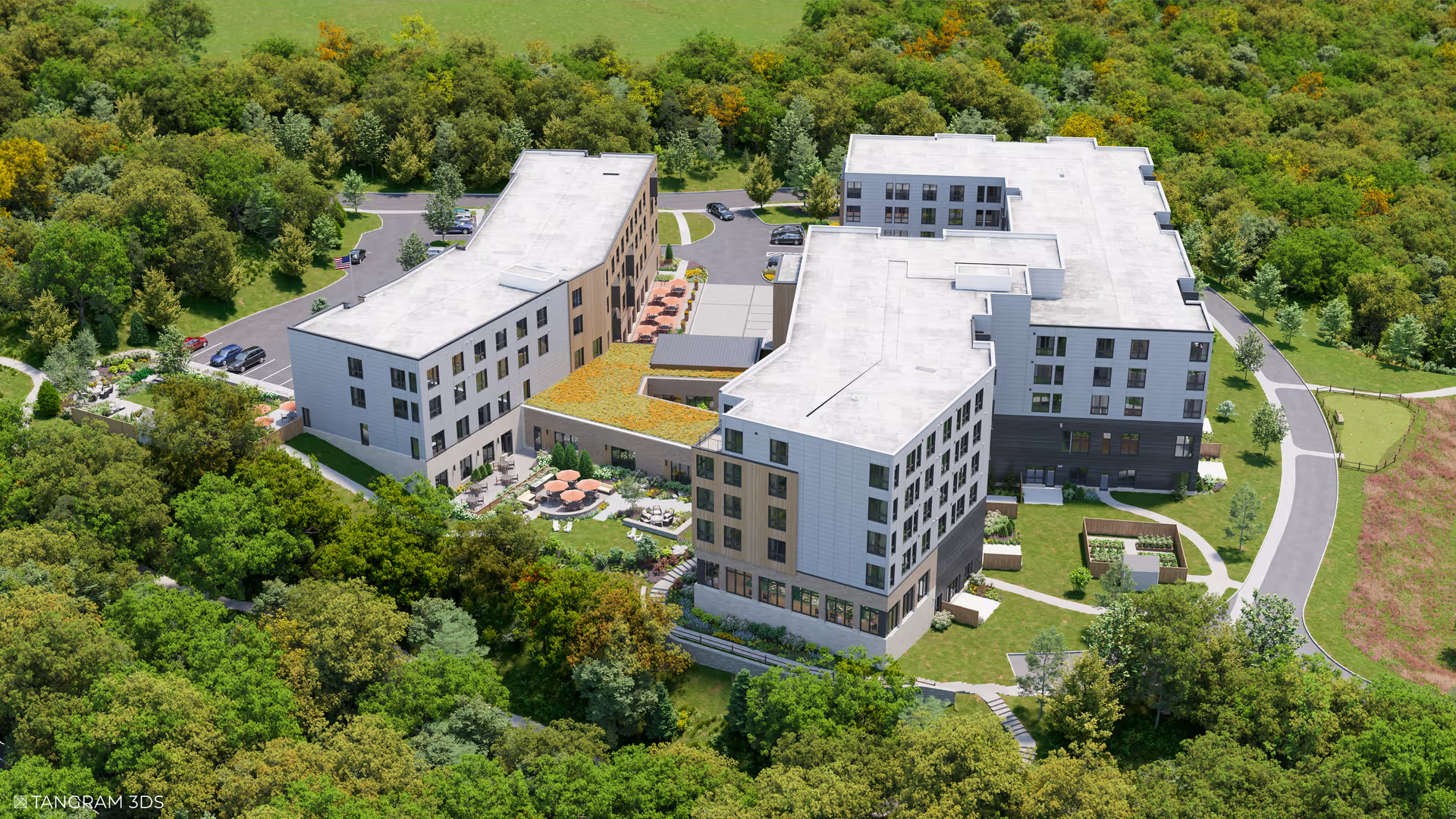
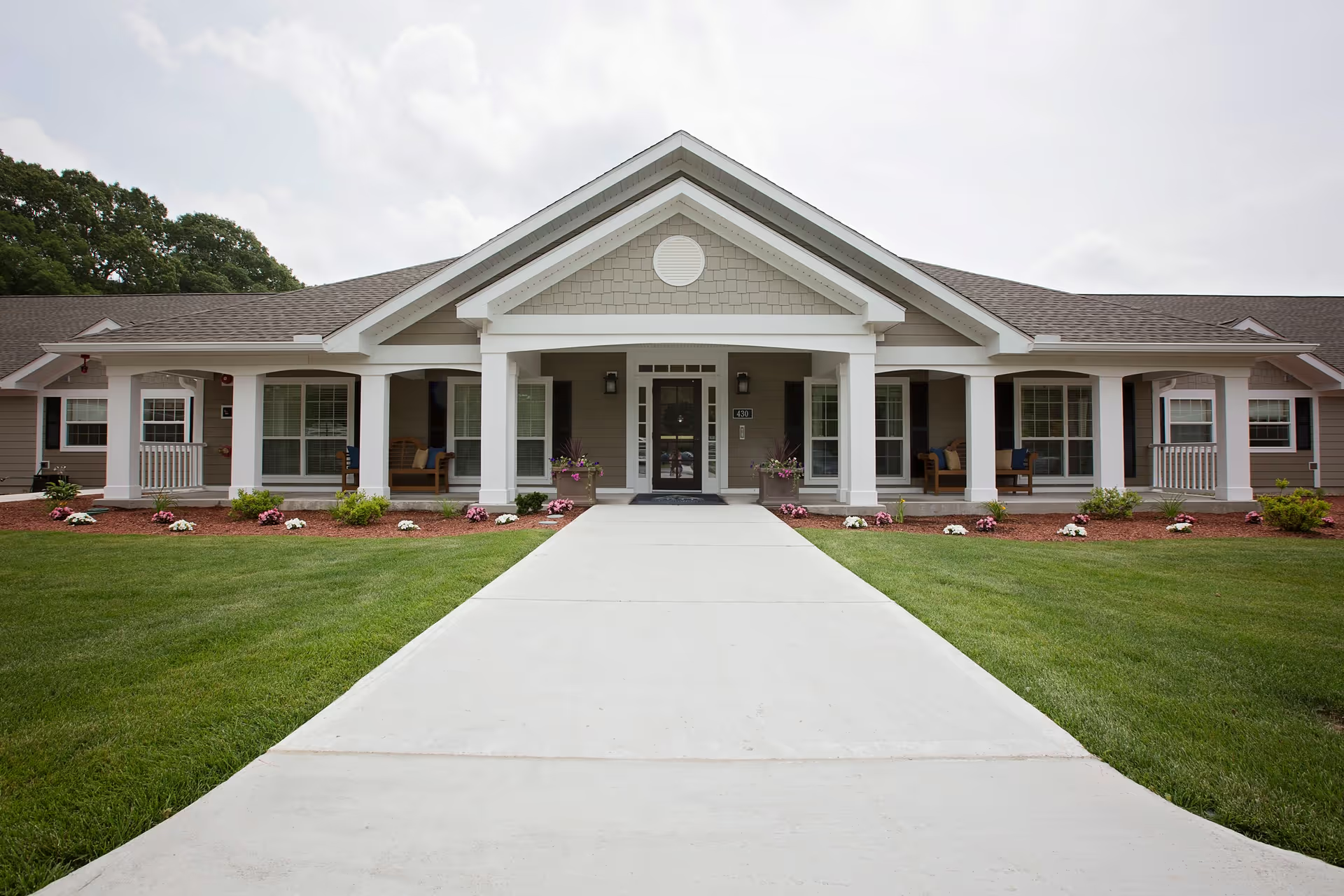
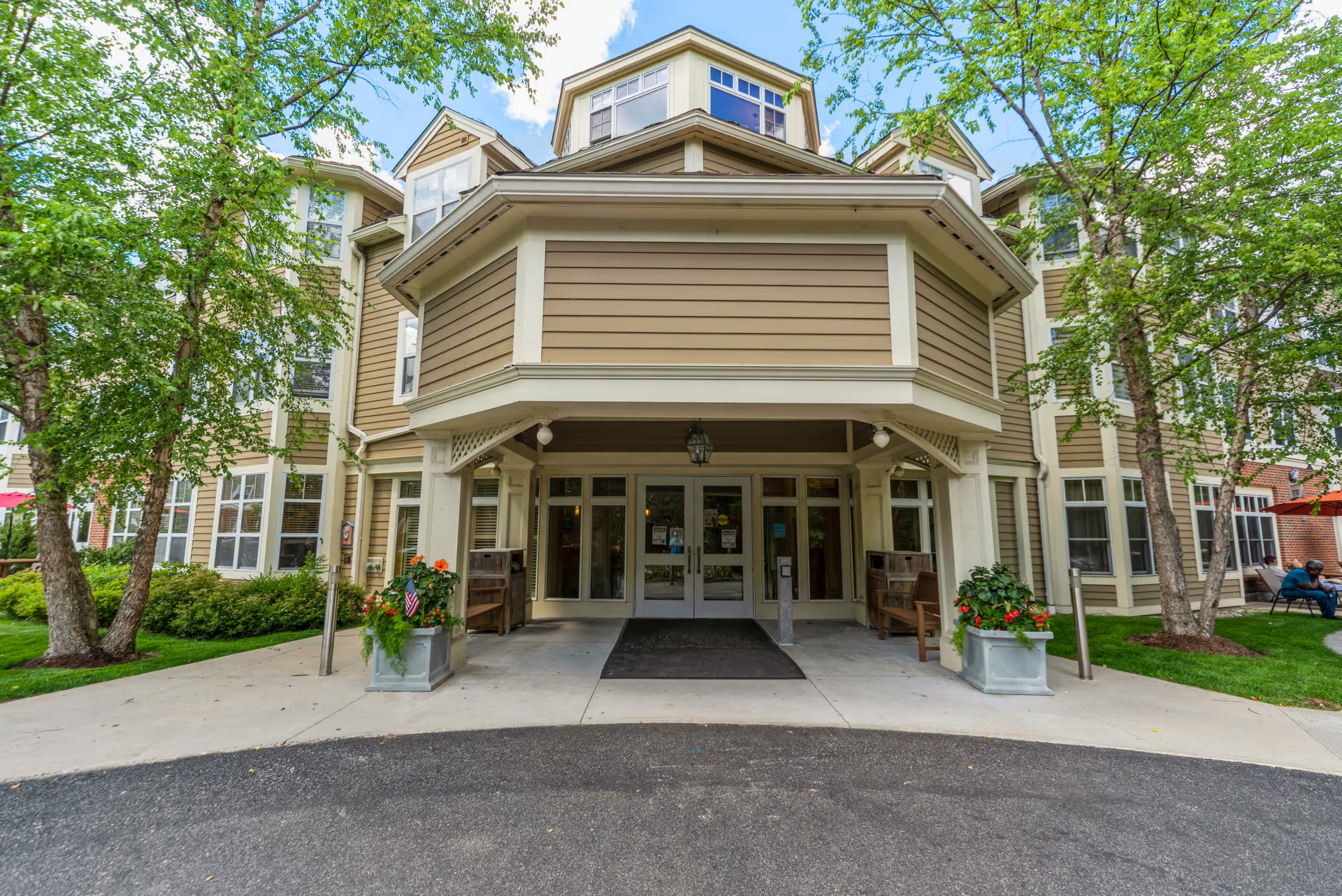
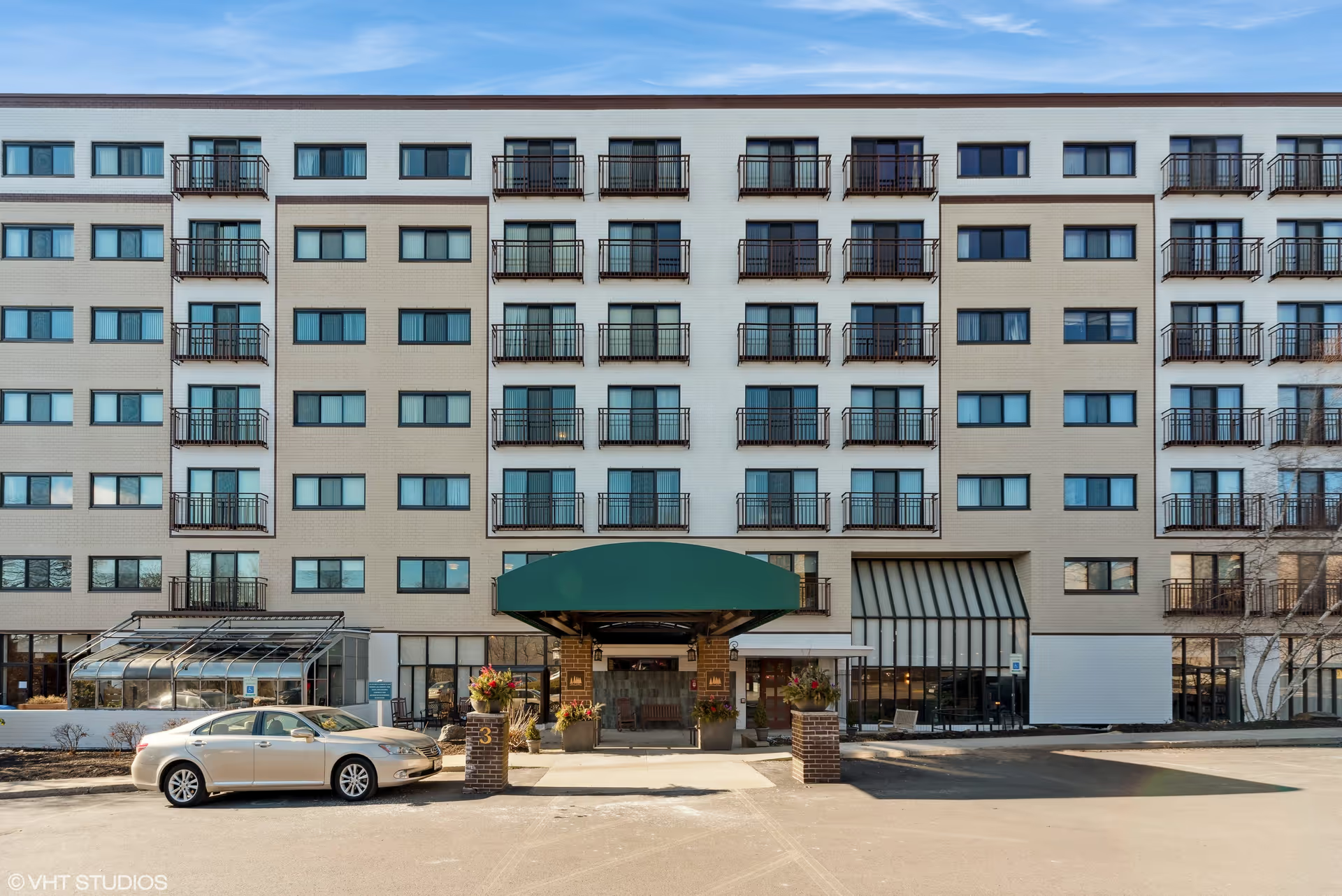
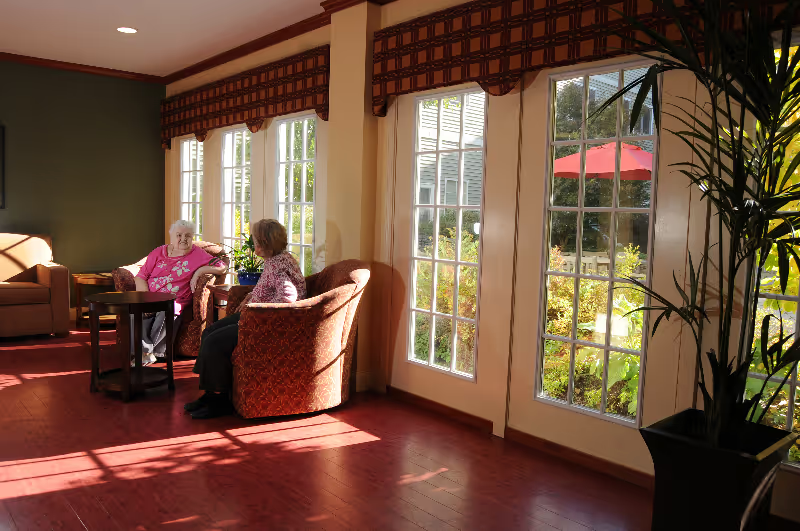
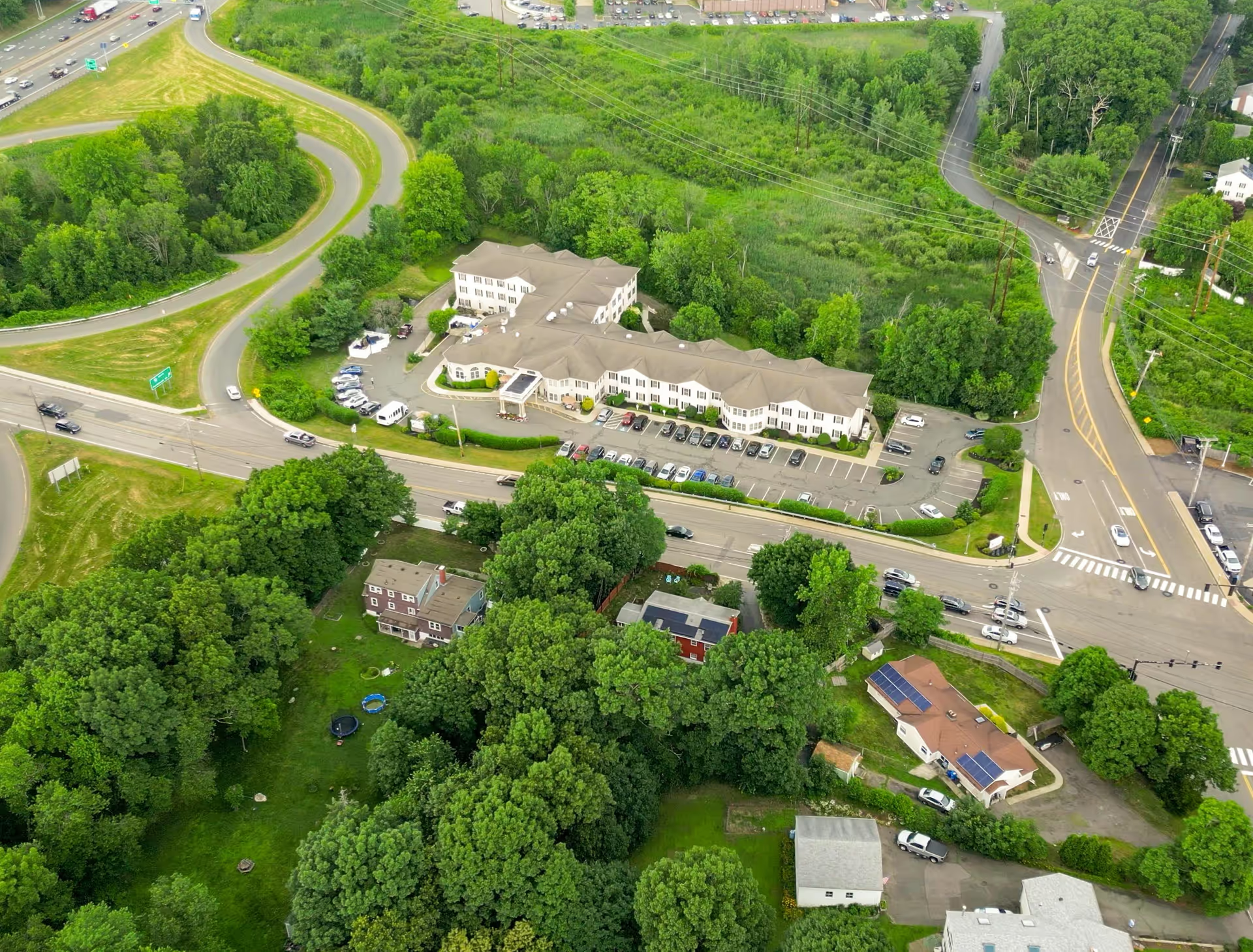
Facilities, amenities, and safety practices are generally viewed positively. The building, common rooms, and landscaped grounds are described as clean and well-maintained, with pleasant views and useful outdoor space. Infection-control practices, including COVID screening and PPE protocols, were repeatedly mentioned as robust. Apartment options are diverse, but reviewers note variability in unit size and layout; some units and common areas can feel cramped due to the urban setting.
Management, billing, and dementia-care capability are important areas for prospective families to assess directly. While many families describe accessible, family-centered managers and helpful billing support, others note inconsistent communication, unclear billing/itemization, and a complex fee model with a la carte charges. There are serious individual allegations regarding billing practices and medication/sedation decisions that prospective families should investigate with the community and verify through documentation. Memory-care capability is described unevenly: several reviews praise the memory-care staff and programming, but others emphasize gaps in dementia-specific training and note that the community may not be suitable for residents with advanced cognitive care needs without confirming staff training and staffing ratios.
Bottom line: Sunrise of Arlington appears to be a strong option for residents who value active programming, musical engagement, attractive grounds, and a generally compassionate staff culture. However, families of prospective residents with higher medical complexity or advanced dementia should seek detailed, documented answers about staffing ratios, dementia training, medication administration protocols, incident-response procedures, and billing/itemization before committing. Visiting multiple shifts, meeting nursing leadership, and asking for written care-plan and billing examples will help clarify whether the facility’s operational consistency matches the family’s expectations.