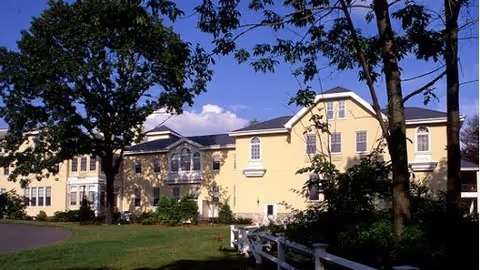
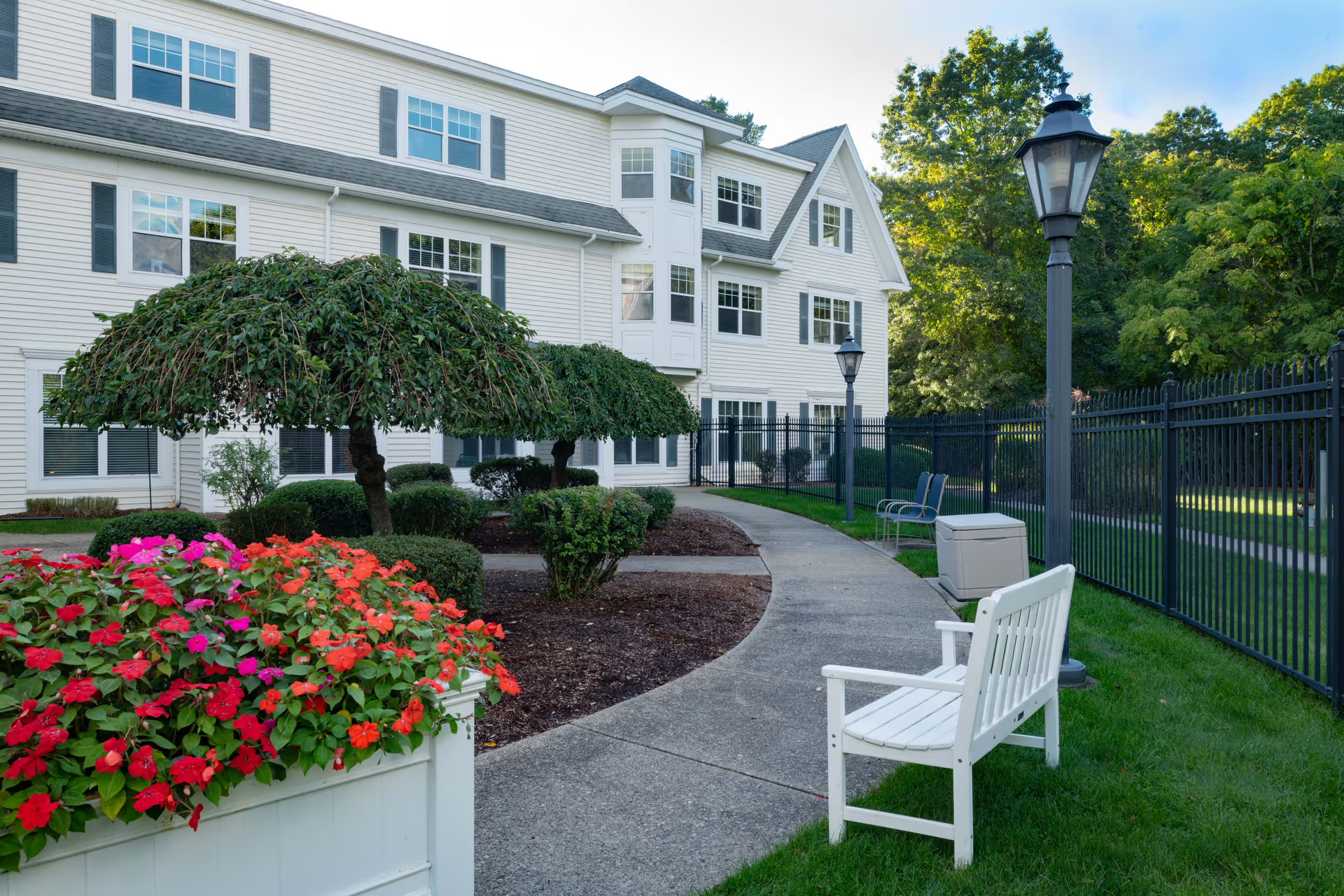
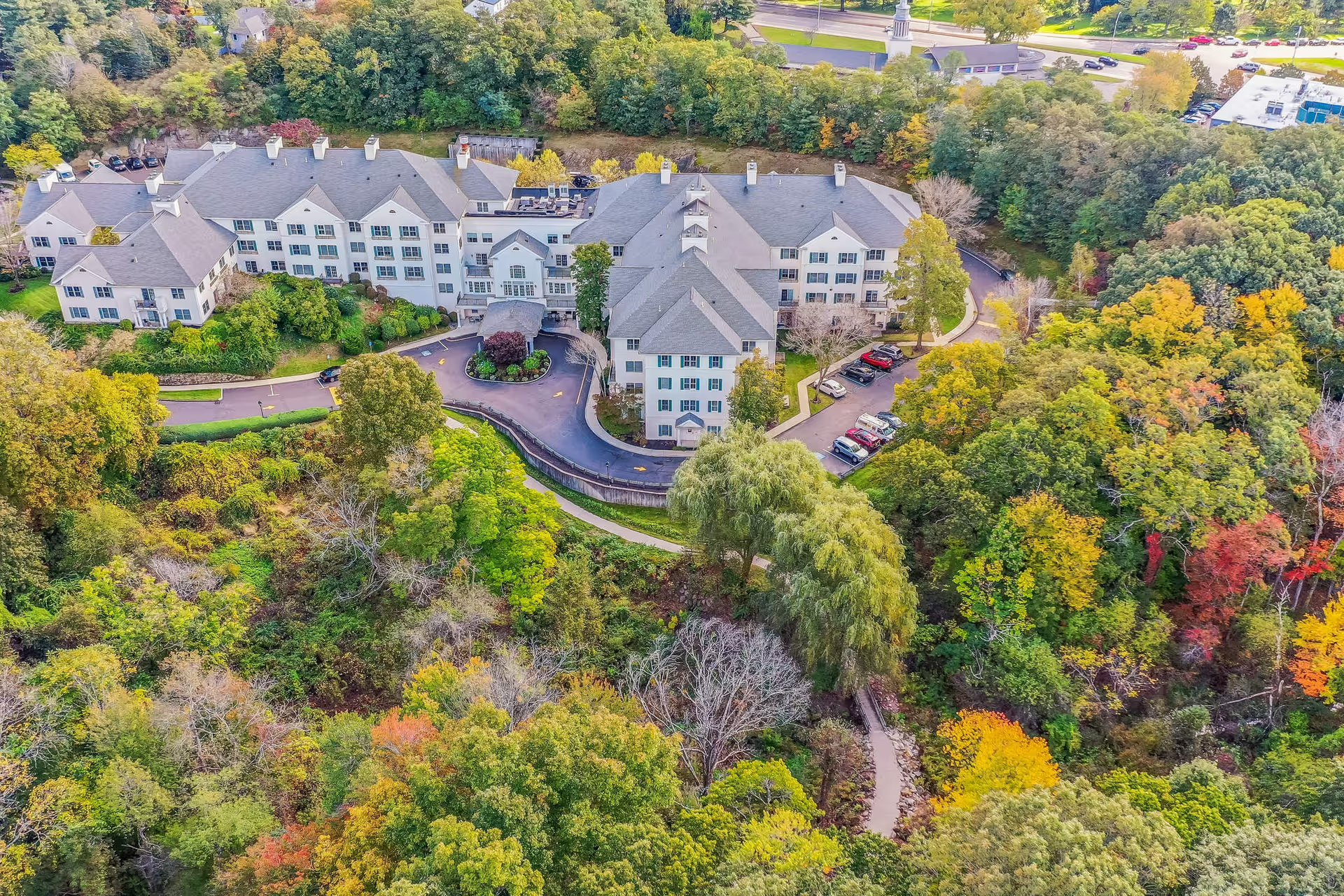
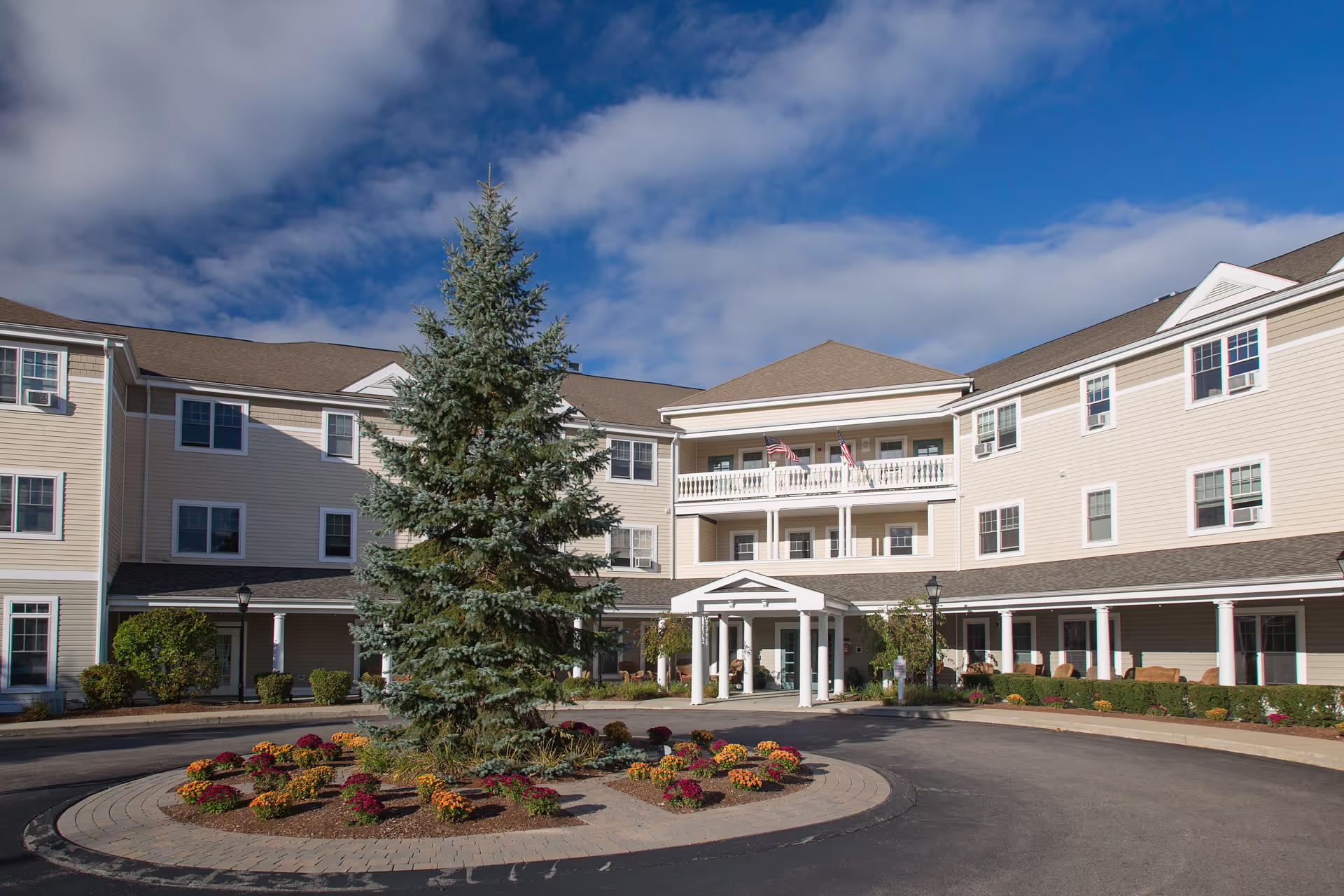
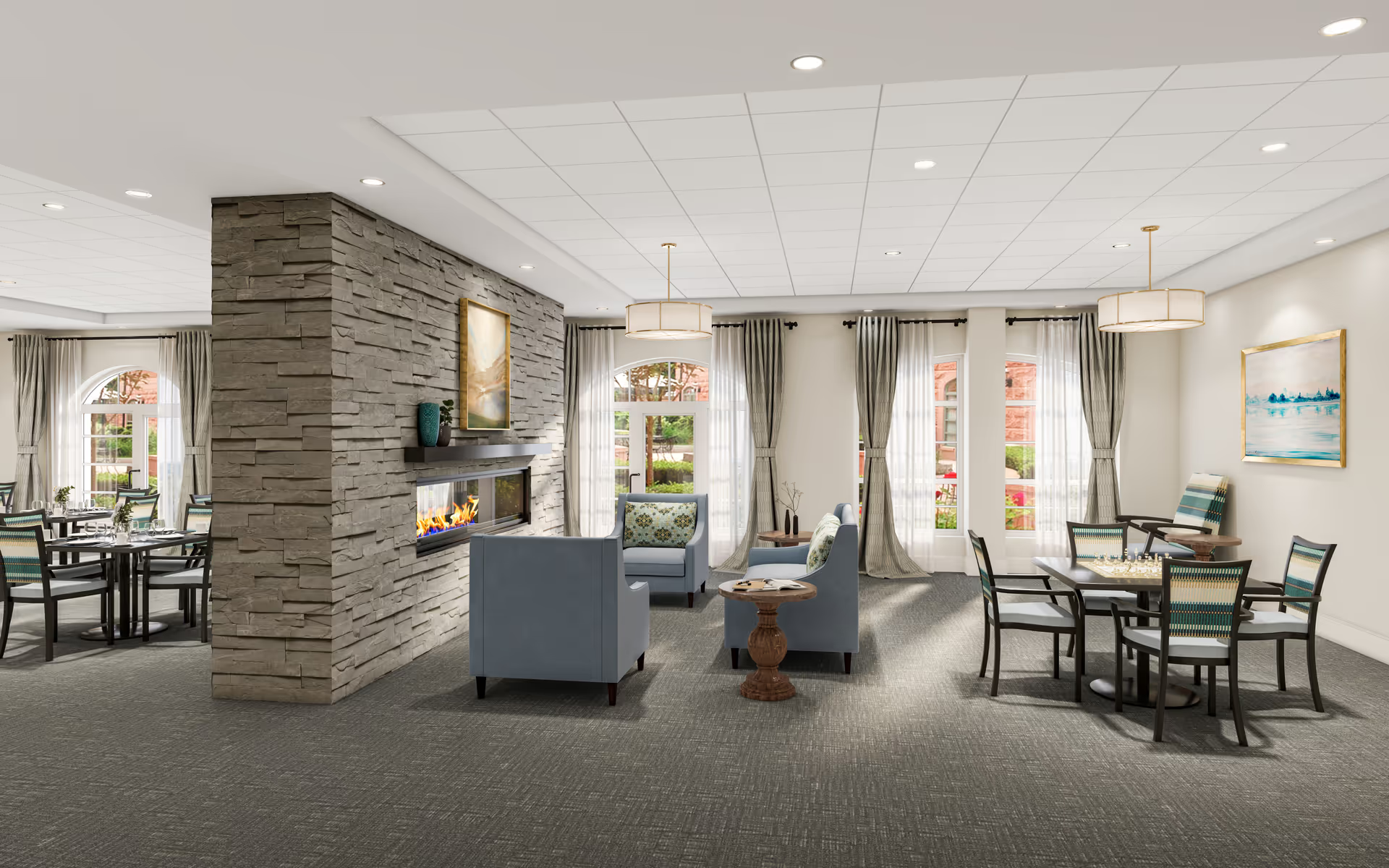
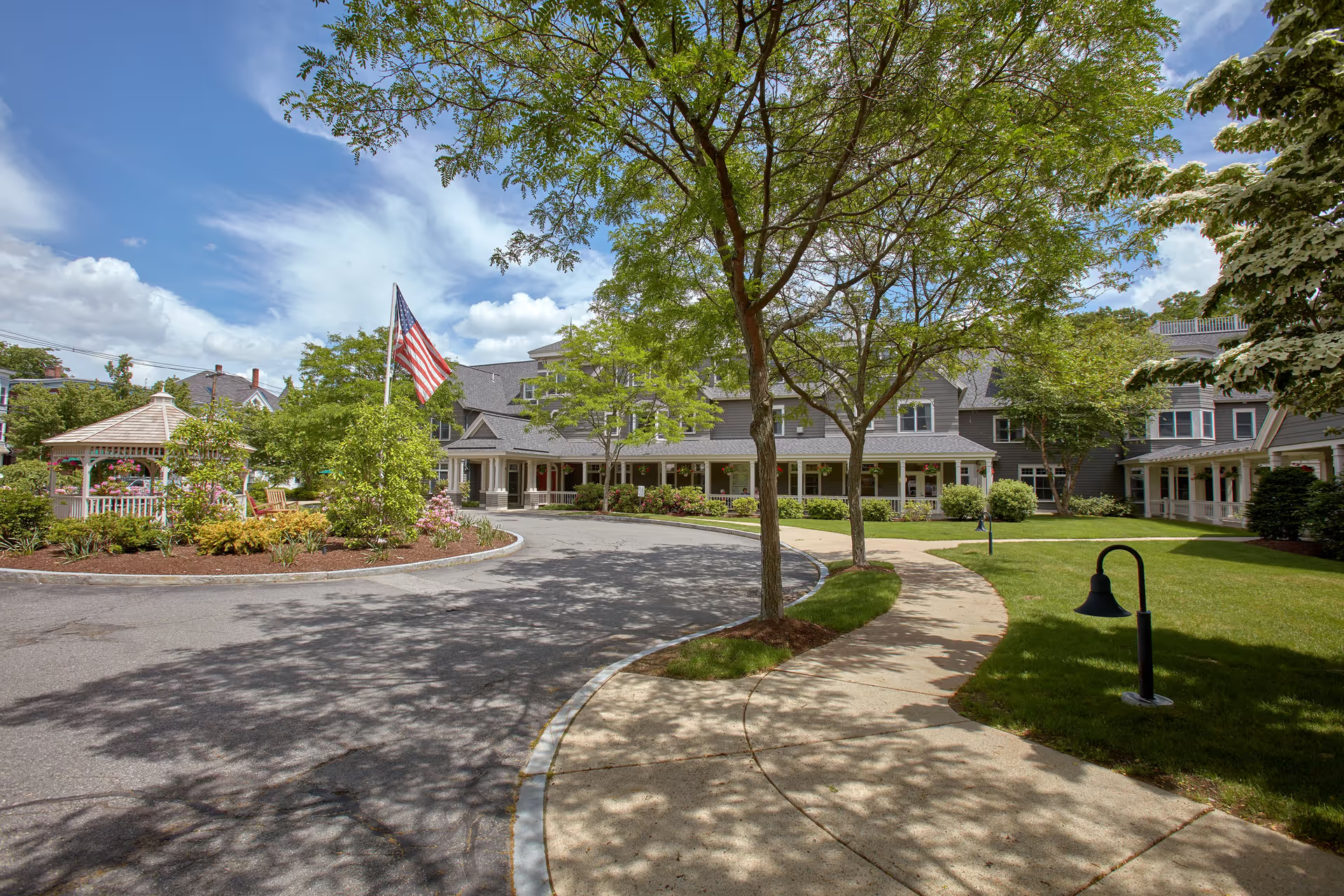
Reviews present a strongly polarized view of the facility. Many families and residents praise the physical environment, therapy services and daily social life: the campus and common areas are frequently described as attractive and clean, rooms are roomy, occupational and physical therapy services and the broader rehabilitation program receive consistently positive remarks, and several accounts highlight attentive, compassionate caregivers and a pleasant communal dining atmosphere. Recreational programming and a welcoming reception area are also cited as strengths that support resident engagement and comfort.
At the same time, a pattern of operational weaknesses emerges from the critical accounts. The most recurrent issues concern staffing and clinical oversight: reviewers describe insufficient nurse coverage (including a need for more RNs), variable availability of on-site physicians, and inconsistent supervision of junior staff. These gaps are associated with specific clinical process failures cited by families, particularly around medication administration and diabetes care, and with perceived delays in responding to resident needs during overnight hours. Several reviews also raise concerns about staff conduct and tone, indicating variability in caregiver behavior and the need for stronger training and supervision.
Service and communication deficits form a second cluster of concerns. Families report difficulty reaching residents by phone or the nurses’ station, long hold times, and inconsistent notification of clinical changes or discharge planning. There are multiple references to inadequate discharge coordination and failures to arrange follow-up services. Dining service receives mixed evaluations: some describe a pleasant dining room and social meals, while others cite inconsistent meal quality, temperature issues, and problems with delivery handling or missed orders. Bathing schedules, limited privacy during personal care, and restricted outdoor access are noted as policy or scheduling limitations that affect resident experience.
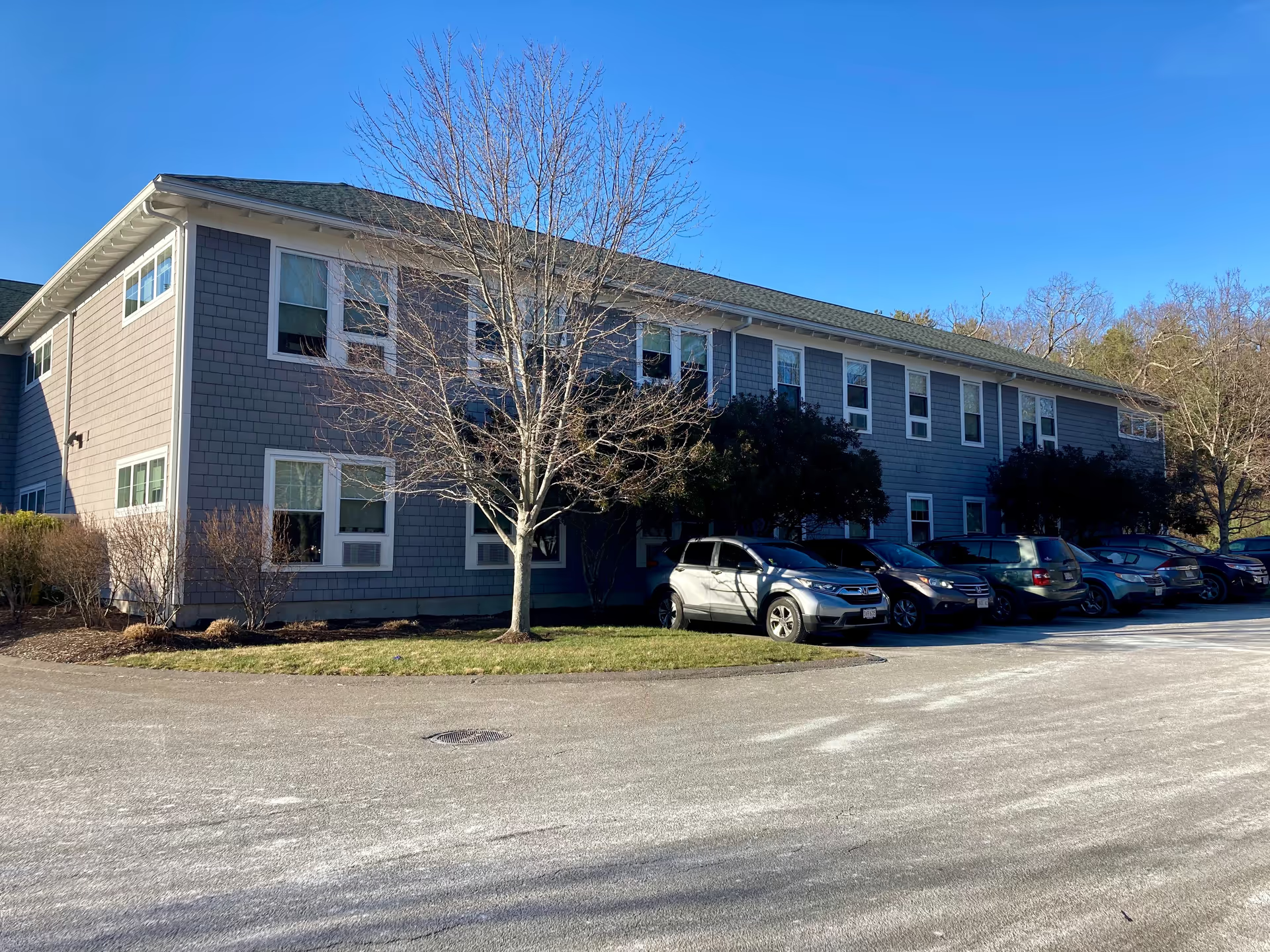
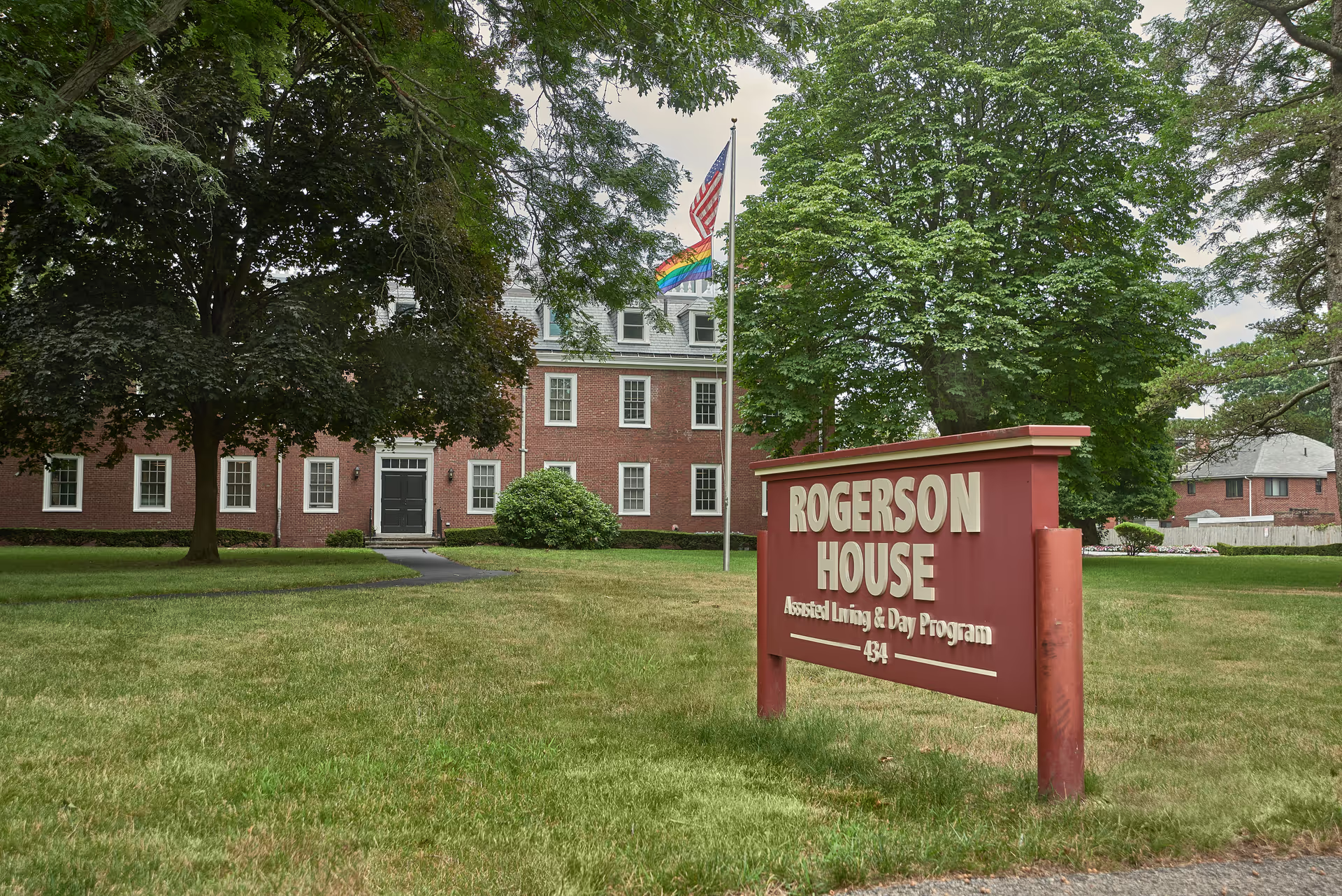
The physical plant elicits both praise and critique: reviewers commonly describe a well-kept, attractive campus, but also note aging infrastructure in places (peeling paint, dated fixtures) and occasional maintenance or equipment shortfalls, including in-room telephone failures and gaps in durable medical equipment. Management responsiveness appears uneven—some families describe helpful mid-level clinical leaders and staff who go above and beyond, while others report unsatisfactory follow-up, poor communication from administration, and confrontational interactions during escalations.
In summary, the facility demonstrates clear strengths in rehabilitation services, a pleasant physical environment, and areas of attentive caregiving and social programming. However, consistent operational weaknesses—notably staffing levels, clinical oversight, medication- and diabetes-related processes, night-shift responsiveness, family communication, discharge coordination, and selective maintenance issues—are recurrent themes. Prospective families should weigh the facility’s strong therapy and social environment against these operational concerns, and consider asking targeted questions about current staffing ratios, physician coverage, medication-safety protocols, night-shift practices, in-room communication systems, and the facility’s process for notifying families and coordinating discharges prior to placement.