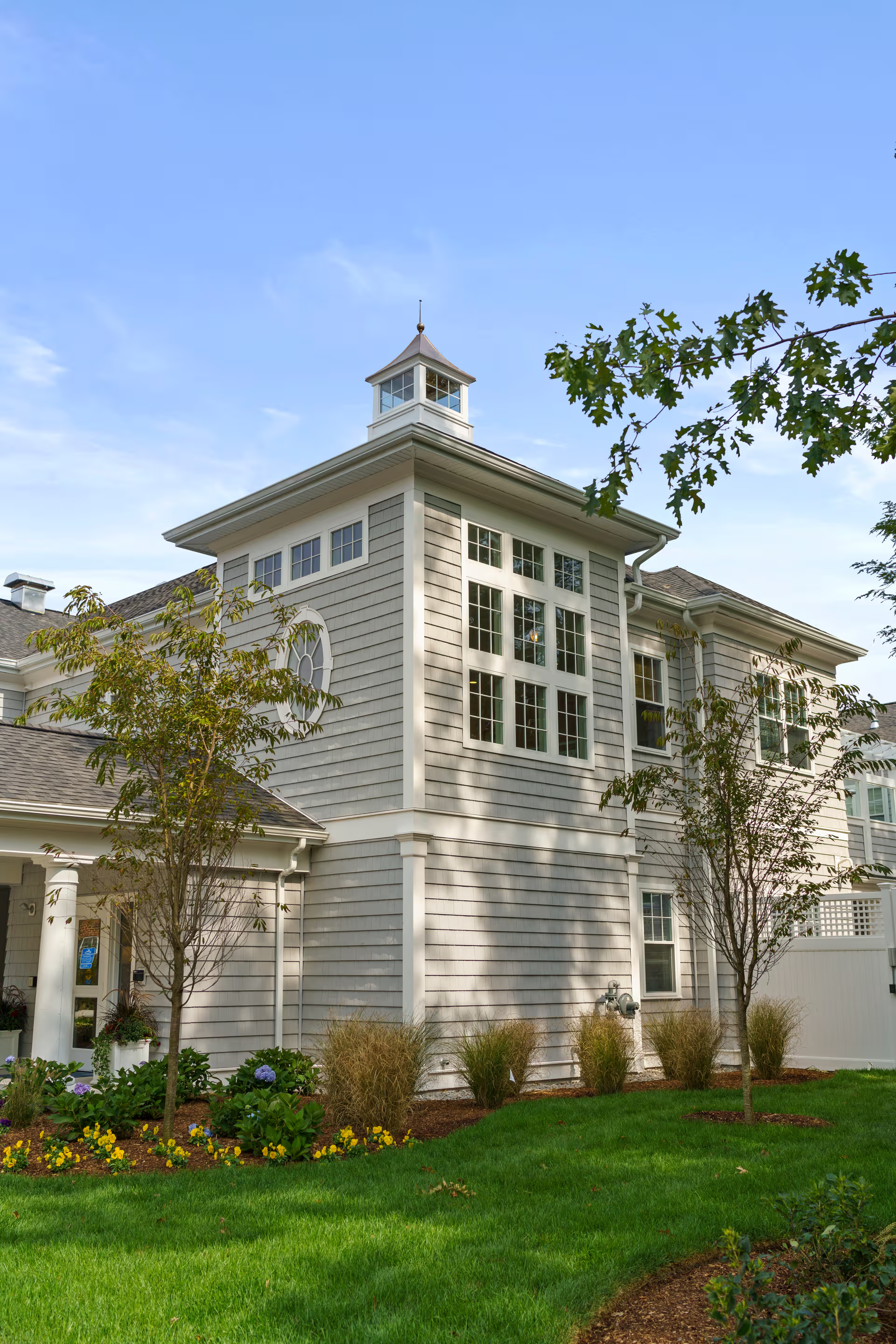
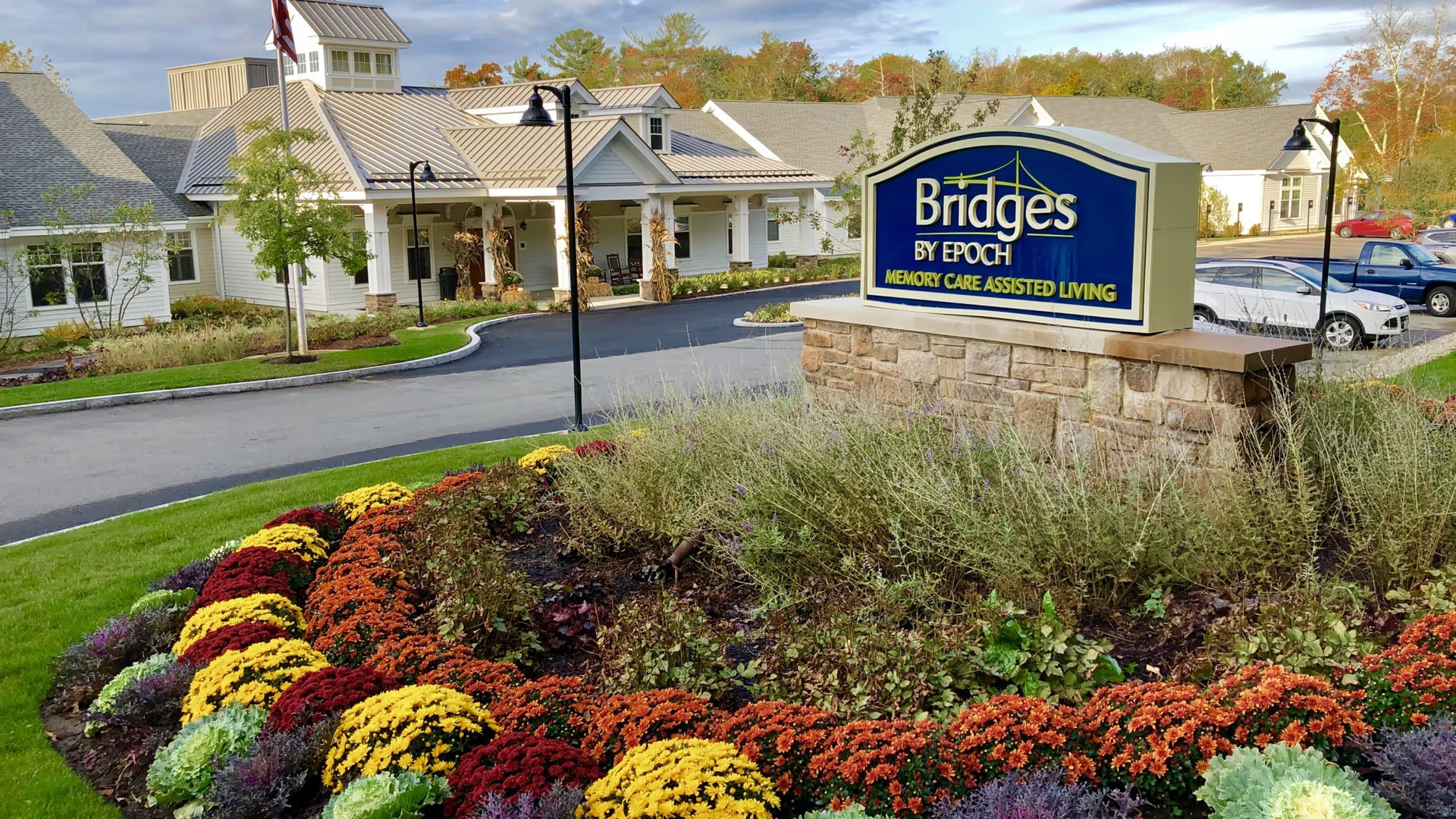
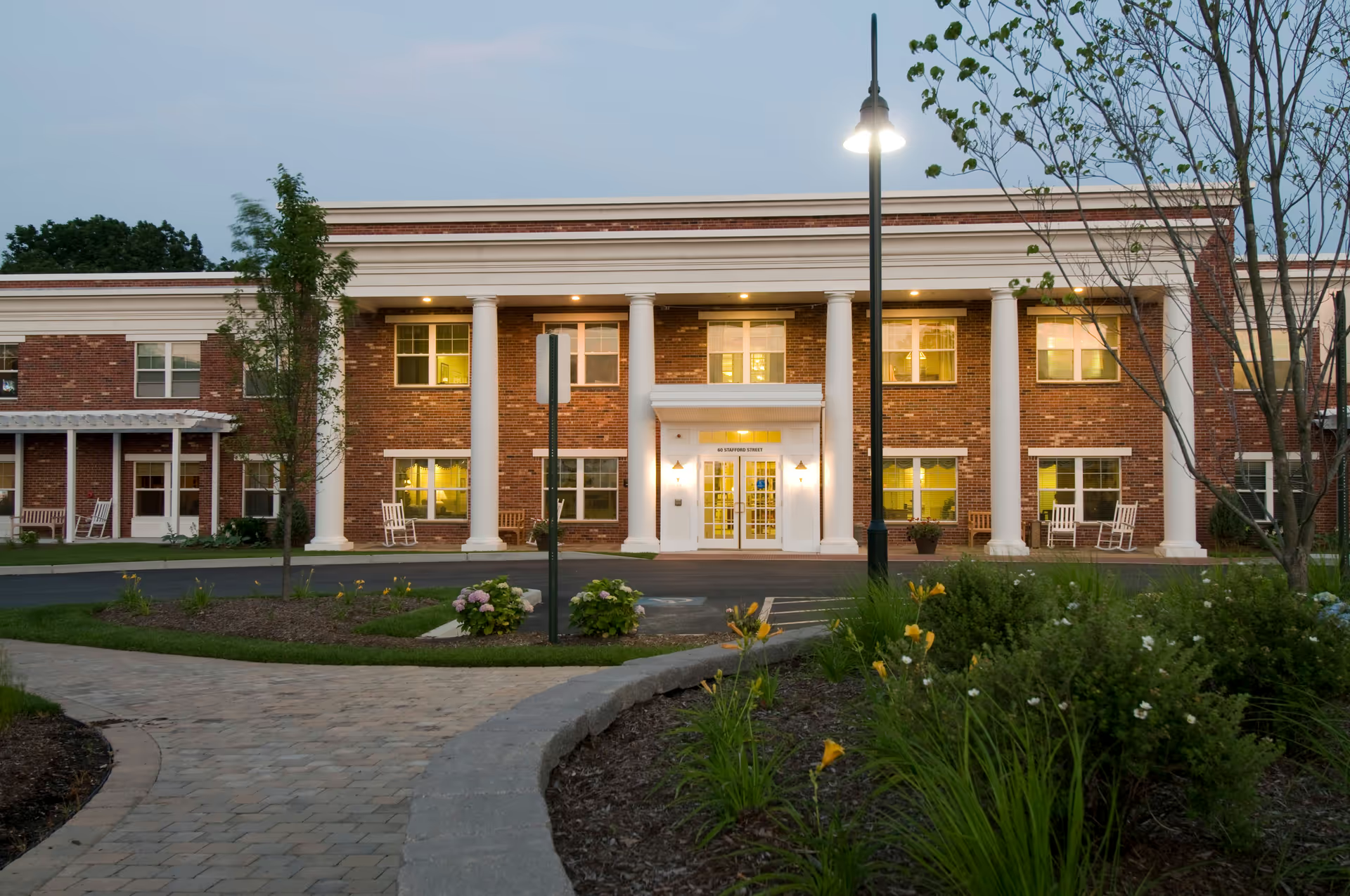
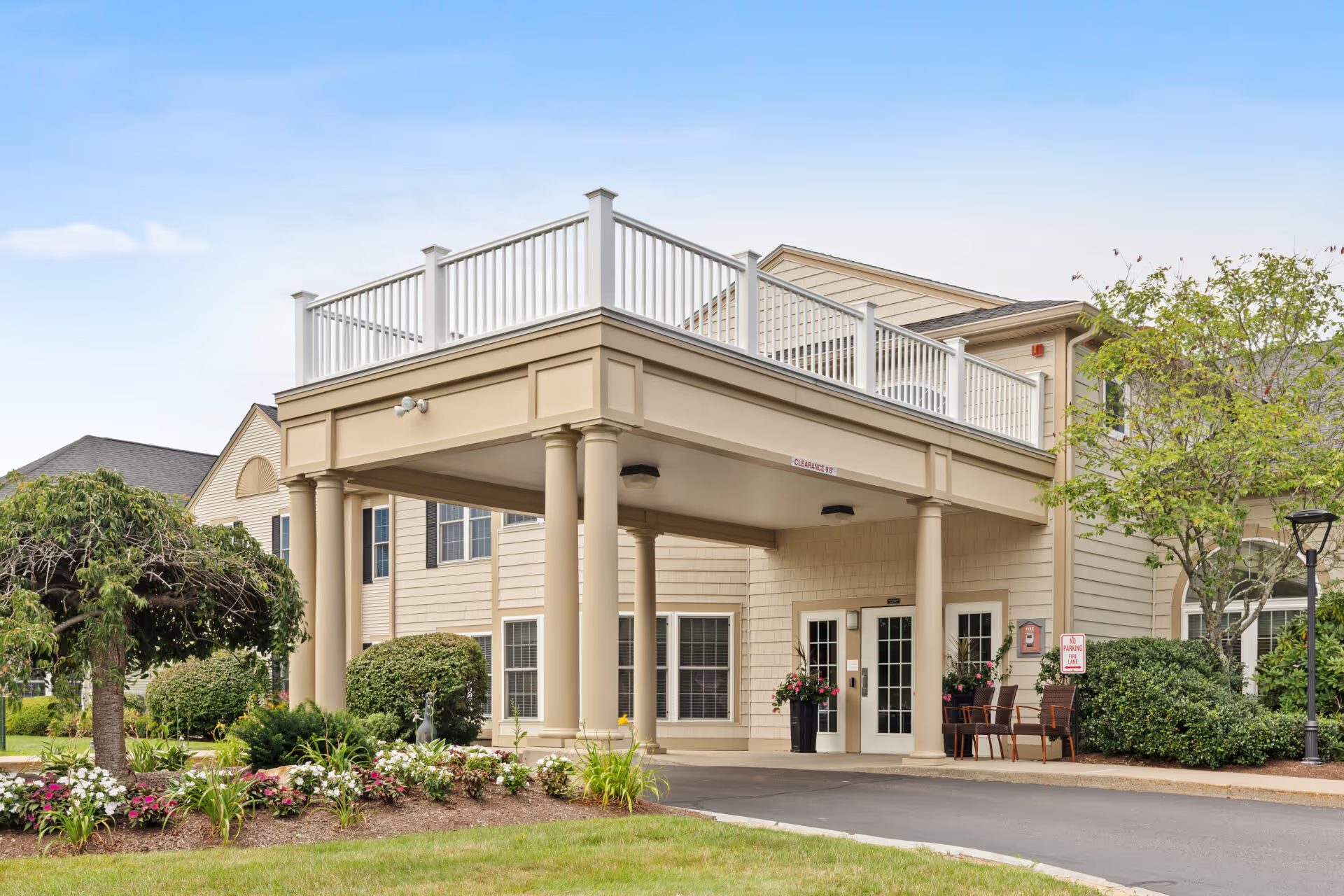
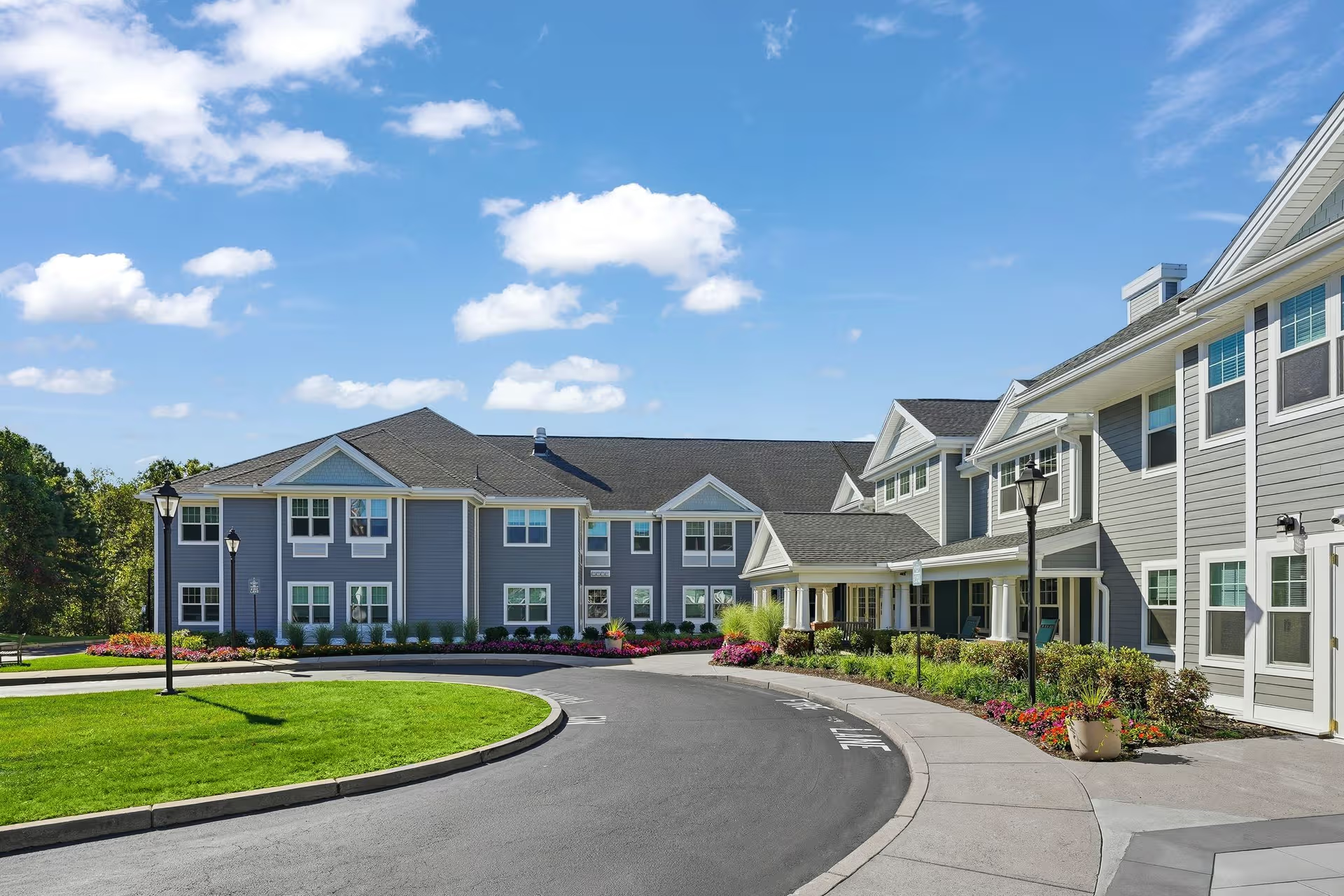
The Village at Duxbury presents as an upscale, campus-style retirement community that emphasizes hospitality, social engagement, and a comfortable residential environment. Reviewers consistently describe a broad calendar of activities and cultural programming — lectures, discussion groups, museum and Boston-area trips, live entertainment, movies, book clubs, and exercise offerings — that are integrated with amenity-rich spaces such as a heated indoor pool, a well-stocked library, lounges, and landscaped grounds. Apartments are characterized as bright and customizable, and the community supports both independent and assisted living needs for residents seeking long-term placement.
Care and staffing are frequently noted strengths. Staff are described as warm, welcoming, and attentive; many accounts emphasize staff who remember residents' names, build emotional connections, and occasionally go beyond routine expectations to assist residents and families. The community’s governance model, which allows resident input into outings and programming, reinforces a family-like culture and a sense of resident agency. Cleanliness and upkeep of public spaces and units are consistently highlighted as positives.
Dining is another prominent positive: reviewers mention well-prepared meals, varied selections, healthy choices, and an overall high-quality dining experience comparable to restaurant service. At the same time, there are operational limitations in dietary services for specific needs — notably gluten-sensitivity accommodations — that prospective residents with strict dietary restrictions should verify in advance.
Several recurring operational and management patterns warrant attention. Pricing and care-billing practices are complex and can be costly: base pricing typically includes a modest allotment of personal care, but additional private-pay care carries significant rates, minimum block-hour requirements, and overnight care billed in long blocks. Reviewers point to gaps in clarity within pricing literature; prospective residents and families should seek detailed, written explanations of hourly minimums, overnight billing, and the incremental cost of higher-care needs.
Security and safety processes are another area to evaluate. While many describe the community as safe overall, concerns have been raised about surveillance and night coverage, and at least one review referenced theft — language that should prompt families to ask directly about night staffing, camera coverage, entrance controls, and incident response procedures. Finally, although the facility is widely characterized as attractive and well maintained, it is not described as a cutting-edge medical campus; families needing higher-acuity clinical services should confirm the scope of on-site clinical capabilities and transfer protocols.
Overall, The Village at Duxbury appears to offer a strong hospitality-oriented environment with extensive activities, high-quality dining, and a caring staff in a well-maintained setting. Key decision factors for prospective residents are financial and clinical: clarify pricing and billing mechanics for supplemental care, verify the adequacy of security measures, and confirm dietary and clinical accommodations relevant to the prospective resident’s needs before committing.