The reviews present a mixed and sometimes polarized picture of The Rehabilitation & Nursing Center at Everett. Many families describe strong clinical strengths — notably compassionate nursing, engaged CNAs, and well-regarded physical and occupational therapy services that support recovery and mobility. The facility’s activities program is frequently cited as a positive element, with seasonal decorations, events and social engagement that families appreciate. Admissions, social-work support, and some members of the administrative team are also singled out for helpfulness and clear communication.
At the same time, a substantial subset of reviewers raised operational and safety-related concerns. Medication administration and pharmacy coordination were described as inconsistent, with accounts of delayed or missed doses and slow responses to medication needs. Staffing levels and training appear variable across shifts; reviewers linked staff shortages to slower response times, inconsistent bathing and incontinence care, and uneven supervision. Several reviewers noted issues with staff conduct and tone, privacy practices (including entering rooms without knocking), and a need for retraining or stronger supervisory oversight in parts of the team.
Dining and dietary practices elicited mixed feedback. Some families praised accommodating food staff and acceptable meals, while others described cold meals, inconsistent catering to dietary restrictions, and diabetes-management problems. The activities program and social engagement were repeatedly identified as strengths, contributing to resident morale and a welcoming atmosphere in many areas of the building.
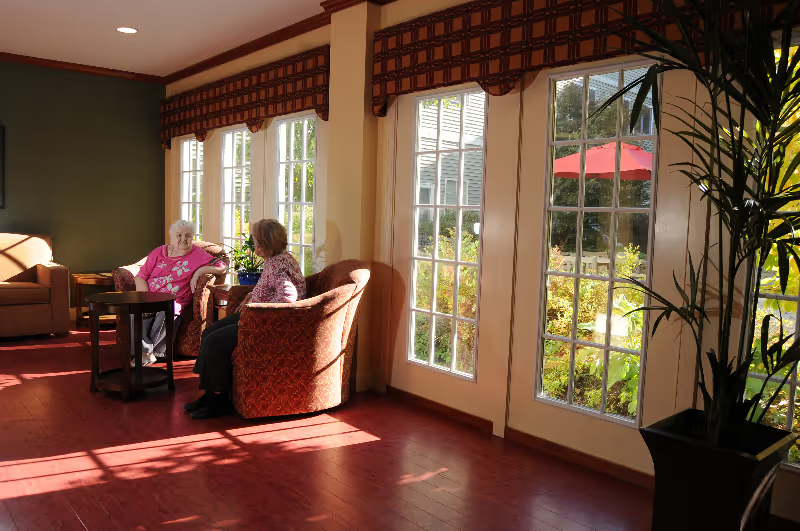
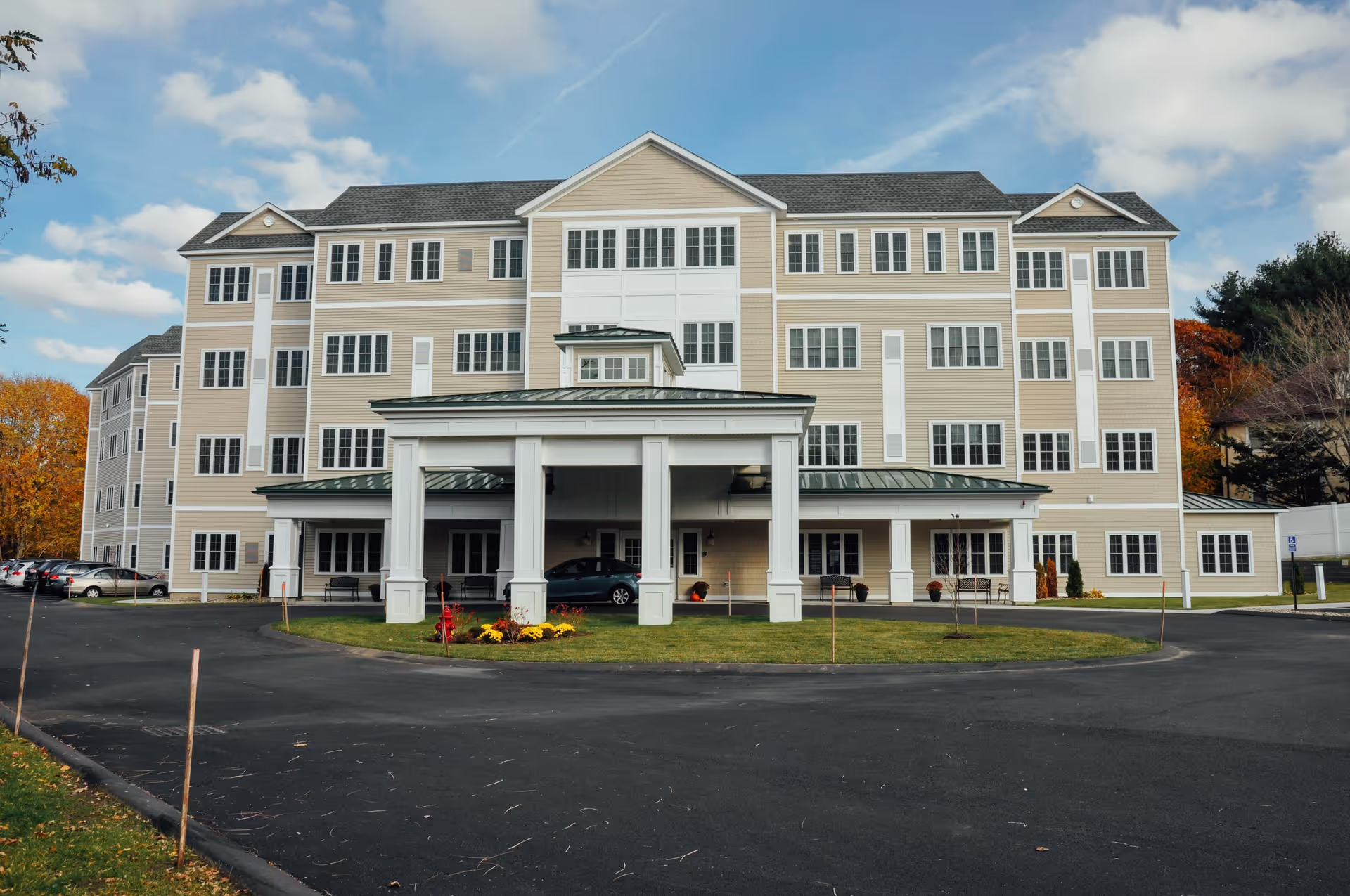
Facility-level conditions vary between units. Renovated areas are described as spacious, bright and well maintained, with effective therapy spaces; however, other areas drew attention for sanitation concerns, recurring odor issues, and pest-control needs. Overcrowded room arrangements (including three-person rooms) and shared storage contributed to privacy and personal-property issues; multiple reports cited missing laundry and personal items, and there are allegations of billing and financial discrepancies that families found difficult to reconcile.
Management responses also vary. Several reviewers praised individual leaders and staff who were responsive and supportive, naming specific social workers and administrators. Conversely, other families described poor follow-through on billing requests, slow responses from accounts payable or executive leadership, rigid visitation scheduling during outbreak periods, and gaps in coordination when residents required hospital transfers or higher-acuity care.
Taken together, the pattern across reviews suggests that care quality at Everett can be strong — particularly in rehabilitation services, nursing, and activities — but that operational inconsistencies create risk and uncertainty for families. Prospective residents and their families should observe current staffing levels, ask about medication-administration protocols and transfer procedures, review billing and property-protection policies, tour both renovated and older units, and discuss visitation policies and pest-control plans before making placement decisions.