Royal Falmouth Nursing & Rehabilitation Center elicits strongly polarized impressions. Many families and visitors describe attentive, compassionate direct-care staff, an effective rehabilitation program, and an engaging activities department; these strengths are cited as central to positive short-term rehab and long-term care experiences. At the same time, multiple operational weaknesses are described that create variability in day-to-day resident experience.
Care quality and staff: Clinical caregivers — nurses, CNAs, and therapists — are frequently praised for compassion, competence, and individualized attention. Physical and occupational therapy teams are repeatedly noted as goal-oriented and effective at improving mobility, and several reviewers highlighted strong dementia care in a dedicated unit. However, staffing instability and coverage gaps are recurring concerns. Reviewers describe delays in responding to calls, inconsistent attentiveness during some shifts, and variability in how supervisors and managers support bedside staff. These patterns have produced both highly positive recoveries and, in a subset of accounts, significant family concern about response times and follow-up after adverse events.
Dining and nutrition: Feedback on meals is mixed. Some families appreciated portion sizes and dietary accommodations; others reported limited menu choices and insufficient therapeutic-diet options (notably for diabetes). Overall, dining quality appears inconsistent across shifts or units; prospective families should verify current menu options and how individual dietary needs are accommodated.
Activities and psychosocial environment: The activities program is a clear strength in many accounts. Reviewers consistently praise an active activities director, regular social opportunities, and special programming such as weekly therapy-dog visits. These services are described as improving residents' mood, engagement, and socialization.
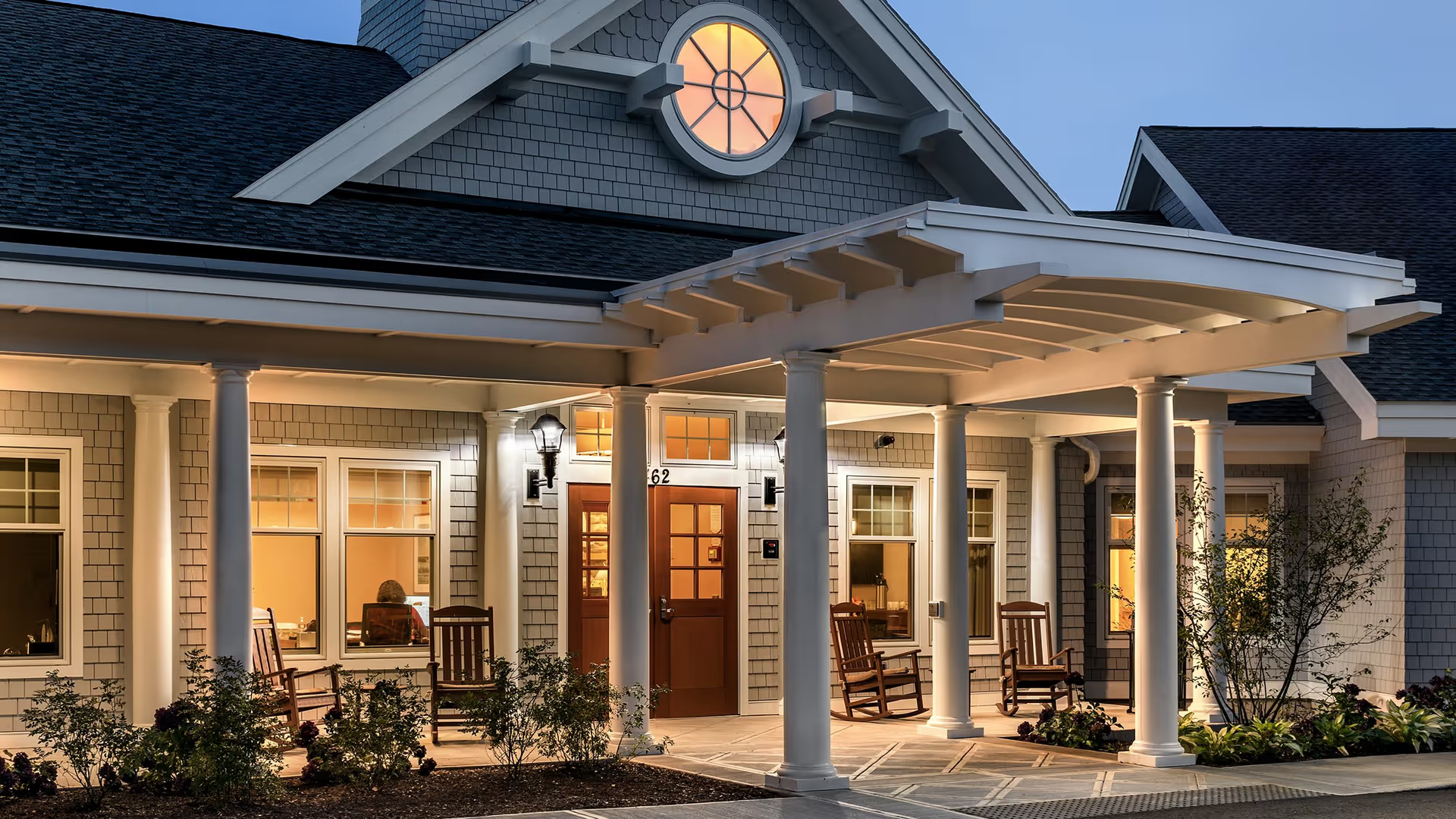
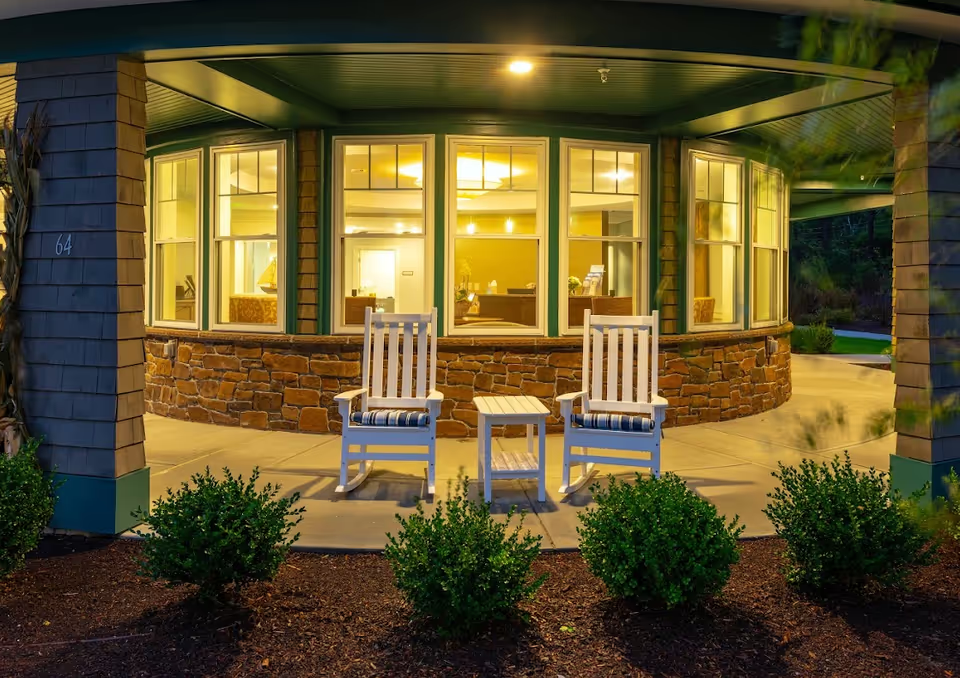
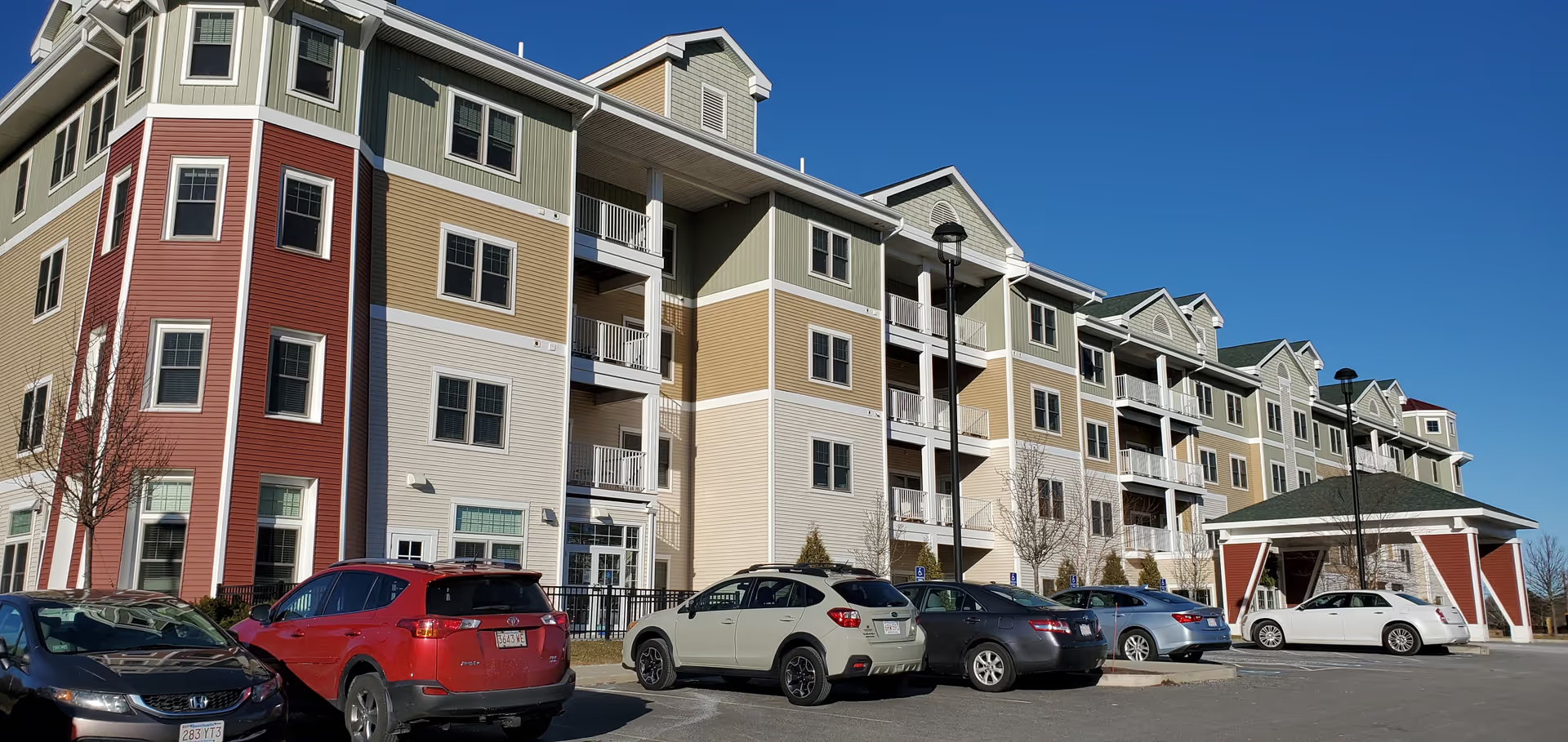
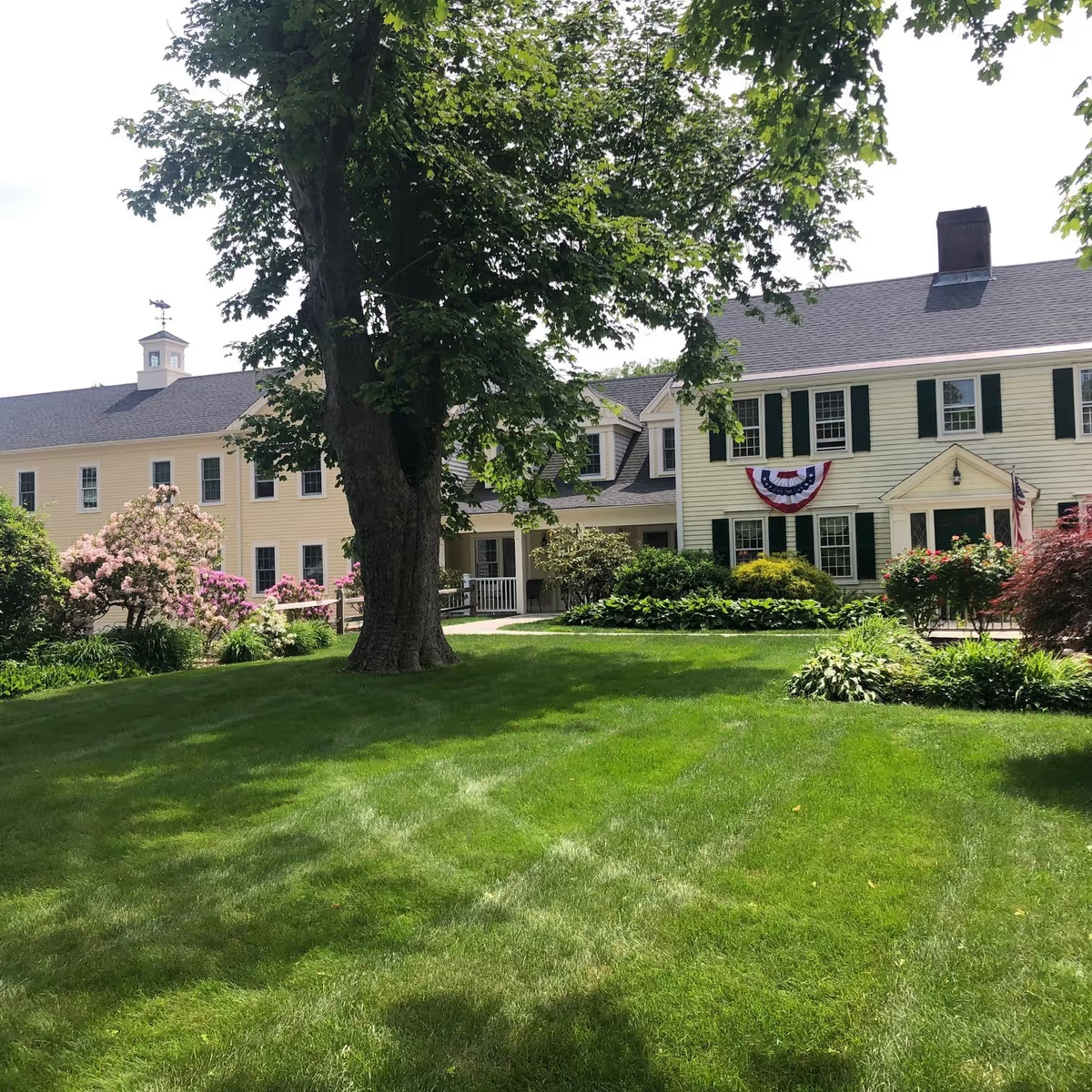
Facilities and housekeeping: Many reviewers found the facility clean and well-maintained, and housekeeping staff are often described as pleasant and hardworking. Counterbalancing those comments are sanitation and odor concerns reported in certain areas, as well as isolated reports of lapses in basic supply provisioning. Safety practice concerns—such as staff smoking near oxygen sources—were also mentioned and merit direct inquiry.
Management, communication, and operations: Leadership feedback is mixed. Multiple families praised a welcoming administrator with an open-door policy and responsive problem-solving; others experienced difficulty reaching upper management, poor family inclusion in care planning, and inconsistent case-management support. Discharge planning and post-acute coordination were areas of notable weakness in several accounts: insurance denials, lack of arranged outpatient therapy, and transport/scheduling failures were described, producing premature or poorly supported transitions home in some cases. Inventory-control and belongings policies are another operational gap, with reports of missing items or delayed cataloging during intake.
Notable patterns and considerations: The overall picture is one of a facility with strong frontline clinical and therapy capabilities but with operational and managerial inconsistencies that affect reliability. Positive experiences tend to cluster around times and units with stable staffing and engaged management; negative experiences cluster where staffing, communication, or supply processes break down. A small number of reviews referenced serious concerns that prompted regulatory attention and family distress; those accounts underscore the variability rather than a uniform pattern.
Questions for families to consider when evaluating this facility: current staffing ratios and weekend coverage; protocols for call-response times and incontinence-care management; dietary and therapeutic diet accommodations; discharge-planning workflows and outpatient-therapy availability; inventory/possession policies at intake; smoking and other safety policies; and examples of recent quality-improvement efforts. Verifying these items during a visit and asking to speak with unit managers and therapy staff can help clarify how the facility performs on the specific dimensions that matter most for an individual resident.