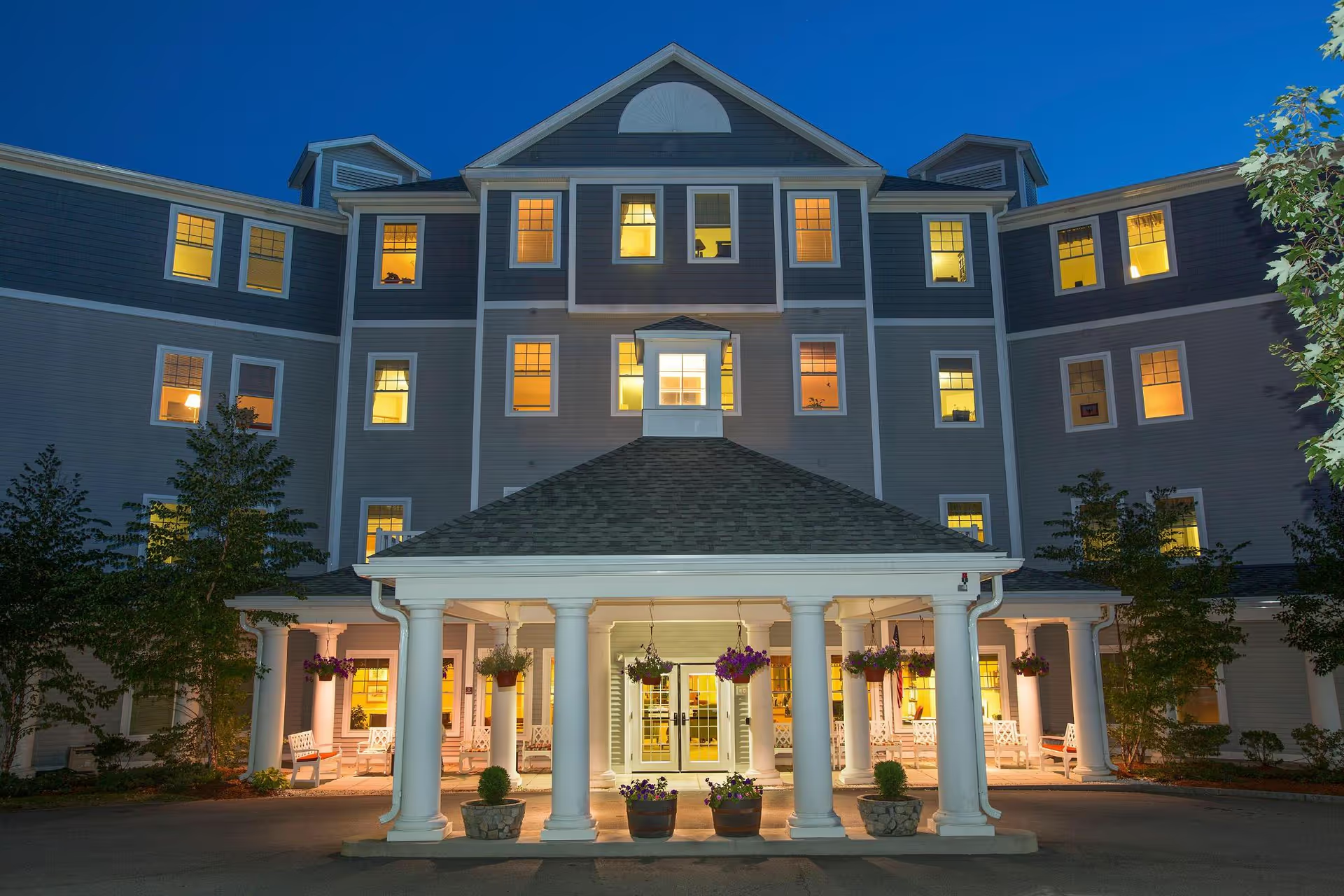
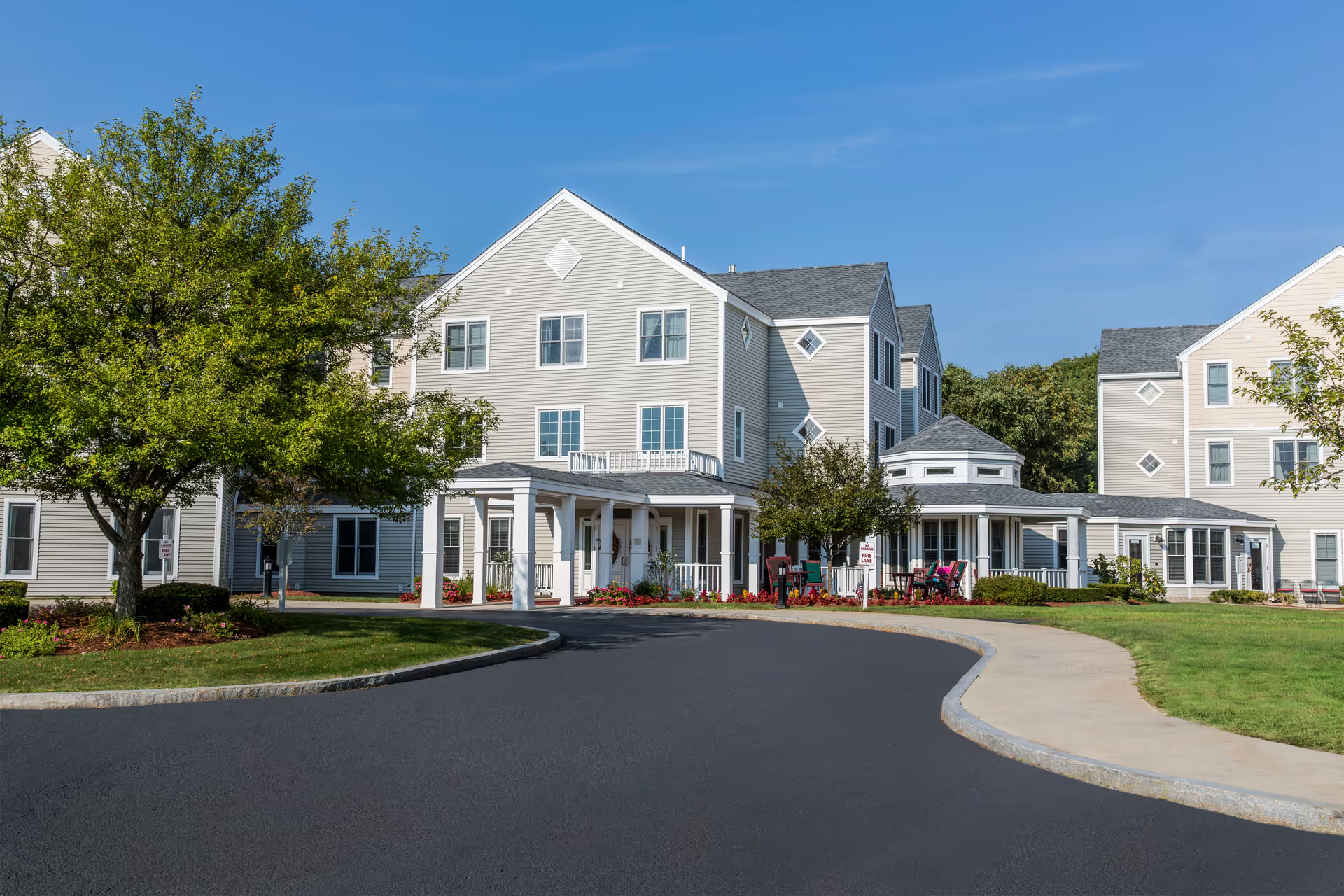
The reviews for Royal WoodMill Nursing and Rehabilitation Center present a mixed picture. Many families and patients praised individual caregivers and therapy staff for effective rehabilitation outcomes, compassionate bedside interactions, and helpful case management. At the same time, other accounts identify operational and environmental concerns that prospective residents and families should probe further during a tour and intake discussion.
Care and staffing: Several reviews highlight committed, skilled clinicians — particularly physical and occupational therapists and named nurses — who contributed to strong short-term rehabilitation results and positive patient experiences. These accounts describe staff who are attentive, professional, and able to support recovery goals. Conversely, other reviews raise concerns about inconsistent responsiveness, gaps in routine room checks, delays attending to basic needs, and variability in incontinence-care practices. There are also multiple comments about limited physician responsiveness and at least one troubling physician interaction; families should clarify clinician availability and escalation procedures.
Dining and nutrition: Feedback on meals is mixed. Some families reported satisfactory meal services that supported recovery, whereas others noted inconsistent food quality and questioned nutritional adequacy. Prospective residents may wish to sample meals and discuss dietary accommodations and nourishment plans with the dietary director.
Activities and psychosocial offerings: The facility receives positive feedback for activity programming, including dementia-friendly engagement, meaningful social activities, and an onsite salon that contributes to a homelike atmosphere. Reviewers who had good experiences emphasized a sense of community and individualized engagement for residents with cognitive impairment.
Facilities and housekeeping: Environmental concerns appear repeatedly and should be evaluated in person. Reviews reference sanitation concerns in resident rooms and bathrooms, pest-control issues, and problems with equipment or supply maintenance. Those issues indicate potential lapses in environmental services and maintenance processes that could affect overall comfort and infection-control confidence.
Management, communication, and safety: Communication and administrative responsiveness are recurrent themes in the critical reviews. Families described gaps in clinician and administrative communication, language-access problems, and occasional breakdowns in transfer or outing protocols (for example, accompaniment to appointments). There are also serious allegations concerning theft and discriminatory conduct; these are significant issues that warrant direct discussion with management and review of the facility's incident-reporting, property-protection, and non-discrimination policies.
Overall patterns and recommendations: The facility demonstrates clear strengths in rehabilitative therapy, compassionate individual caregivers, supportive casework, and activity programming. However, recurring operational weaknesses — cleanliness and pest-control concerns, inconsistent staffing responsiveness, communication shortfalls, variable meal quality, and allegations involving resident property and equity — suggest variability in how those strengths are delivered across shifts or units. Prospective residents and families should tour the facility at different times of day, ask about staffing ratios, infection-control and pest-management protocols, physician coverage, property-protection measures, language-access services, and how the facility documents and responds to adverse incidents. Reviewing recent inspection reports and speaking directly with the admissions or clinical leadership team can help clarify whether the facility's positive clinical strengths are consistently supported by robust operational practices.