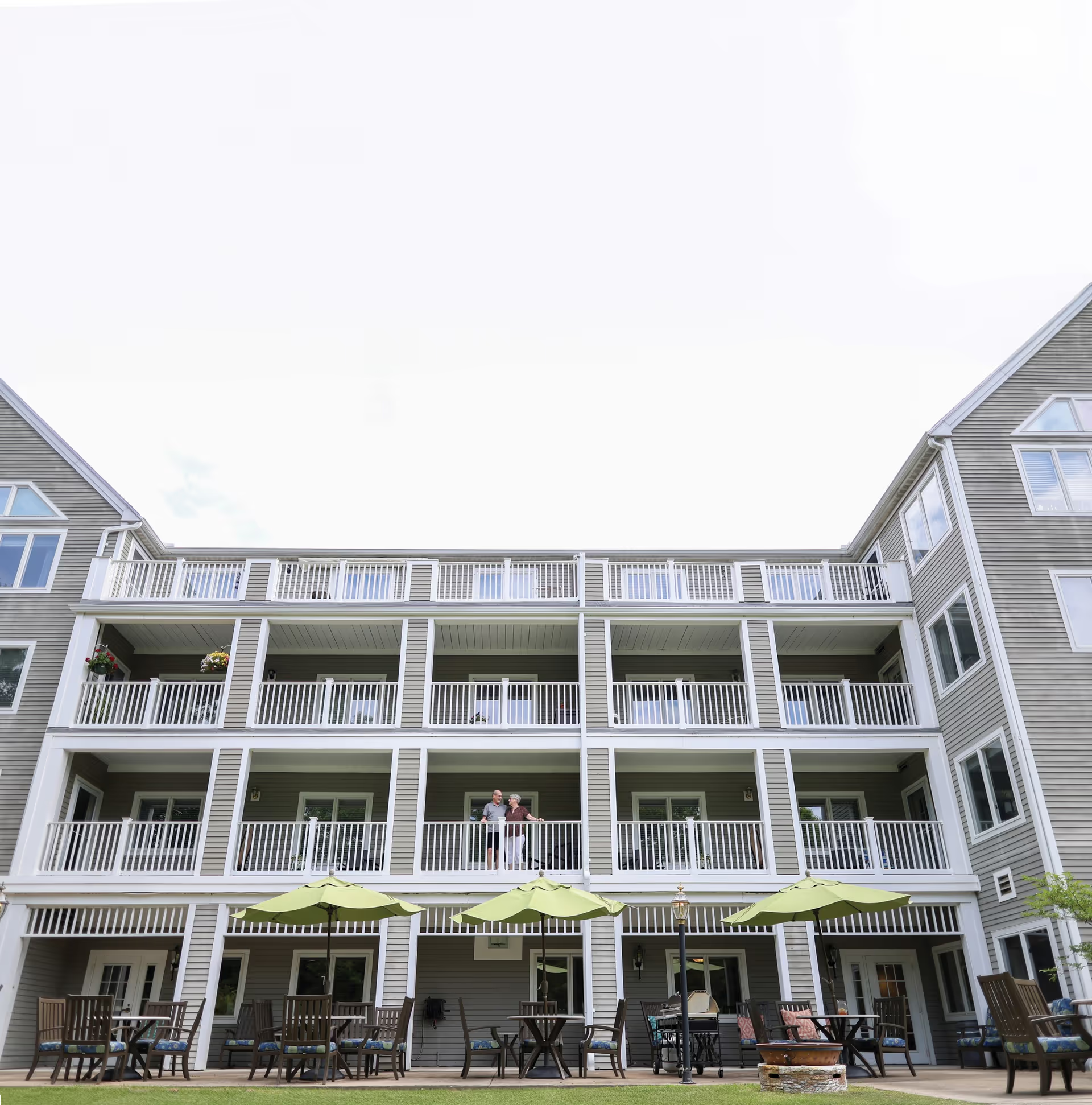
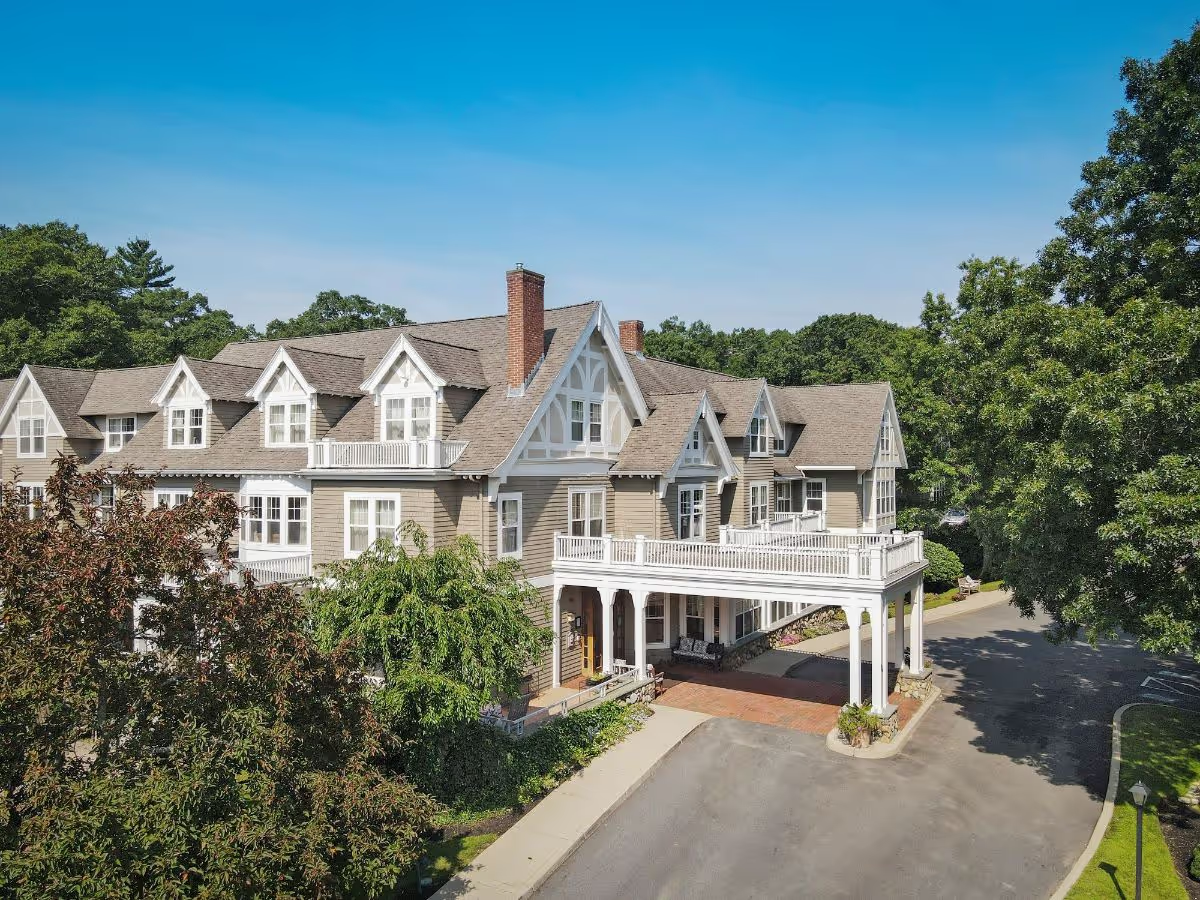
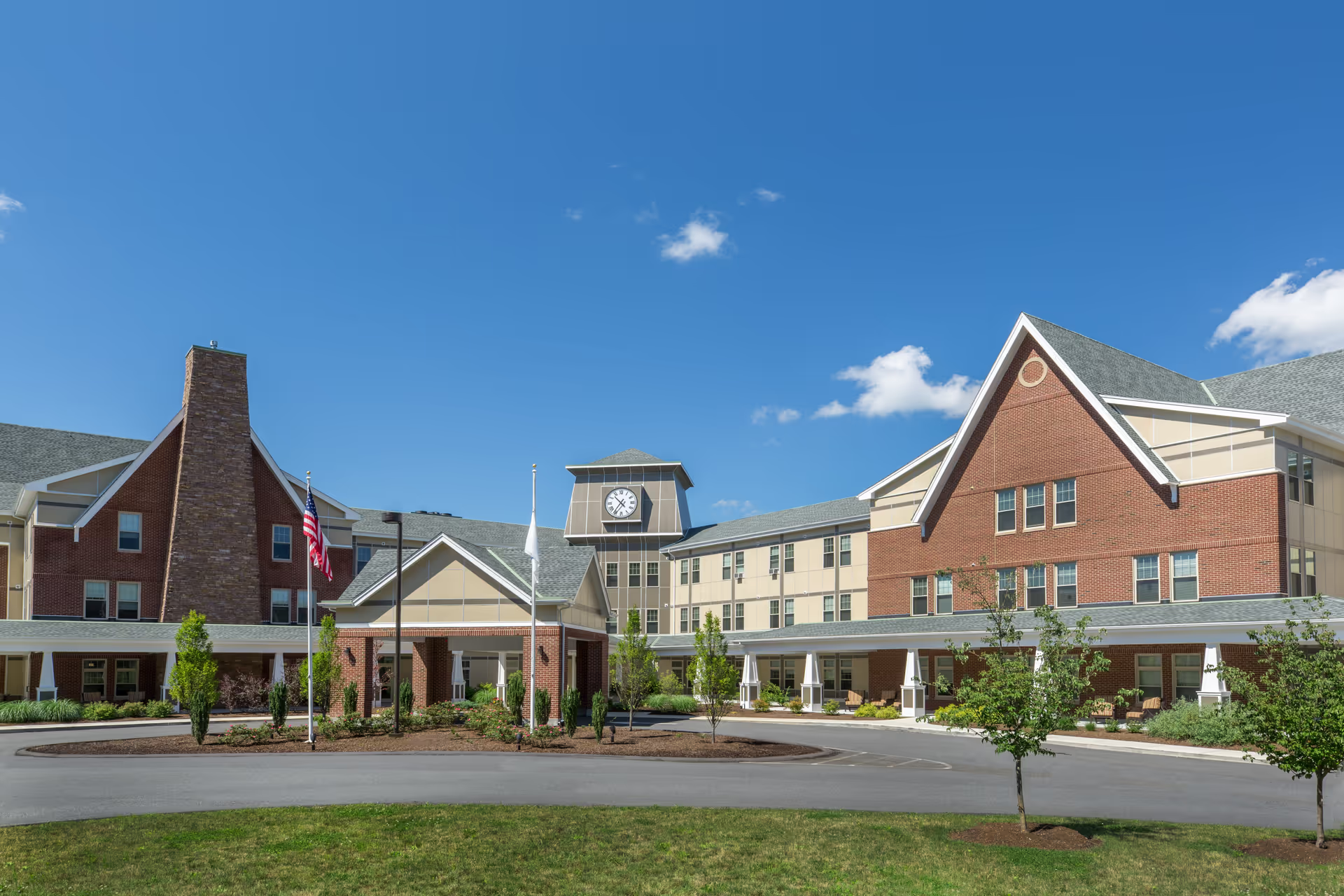
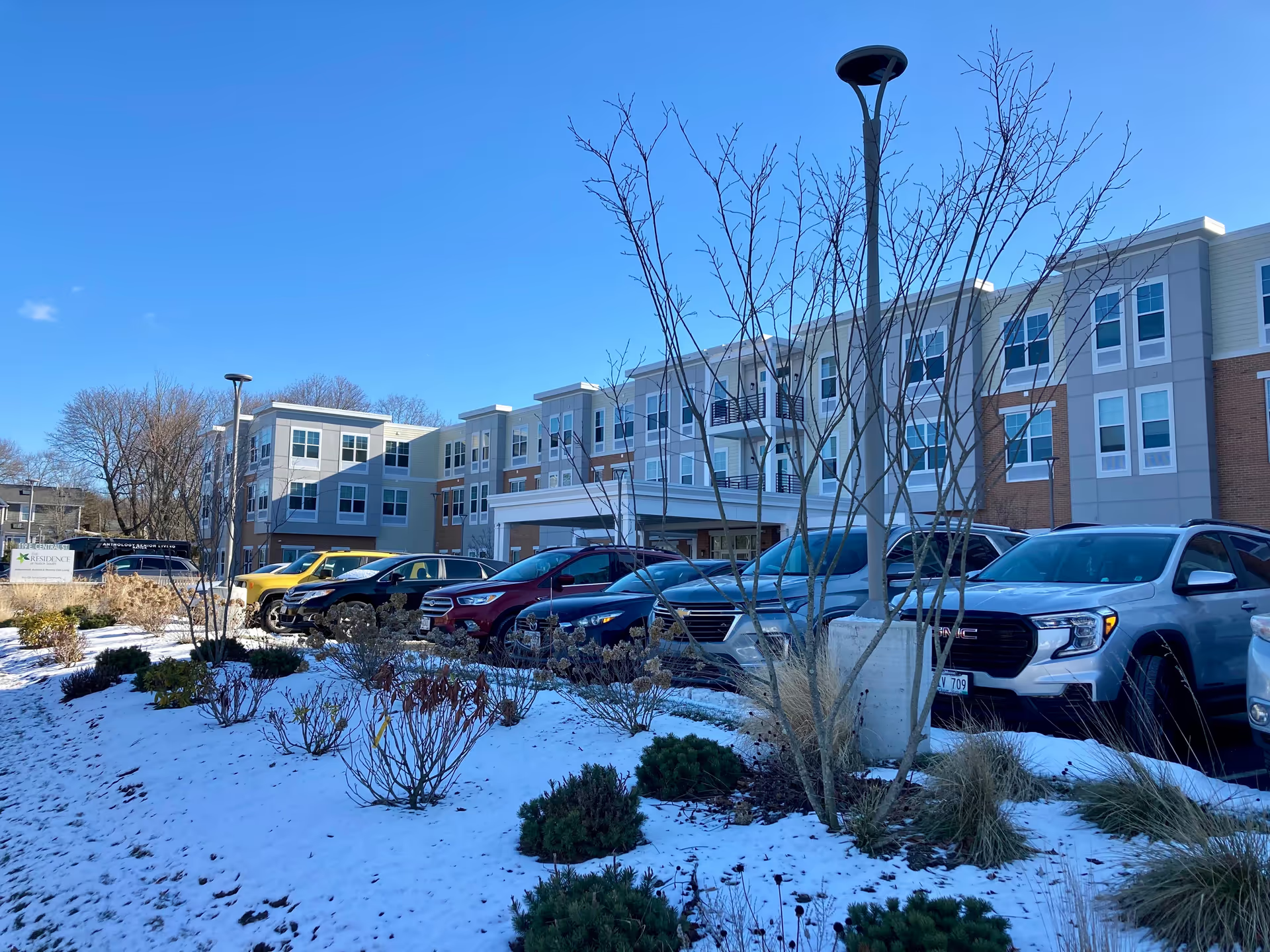
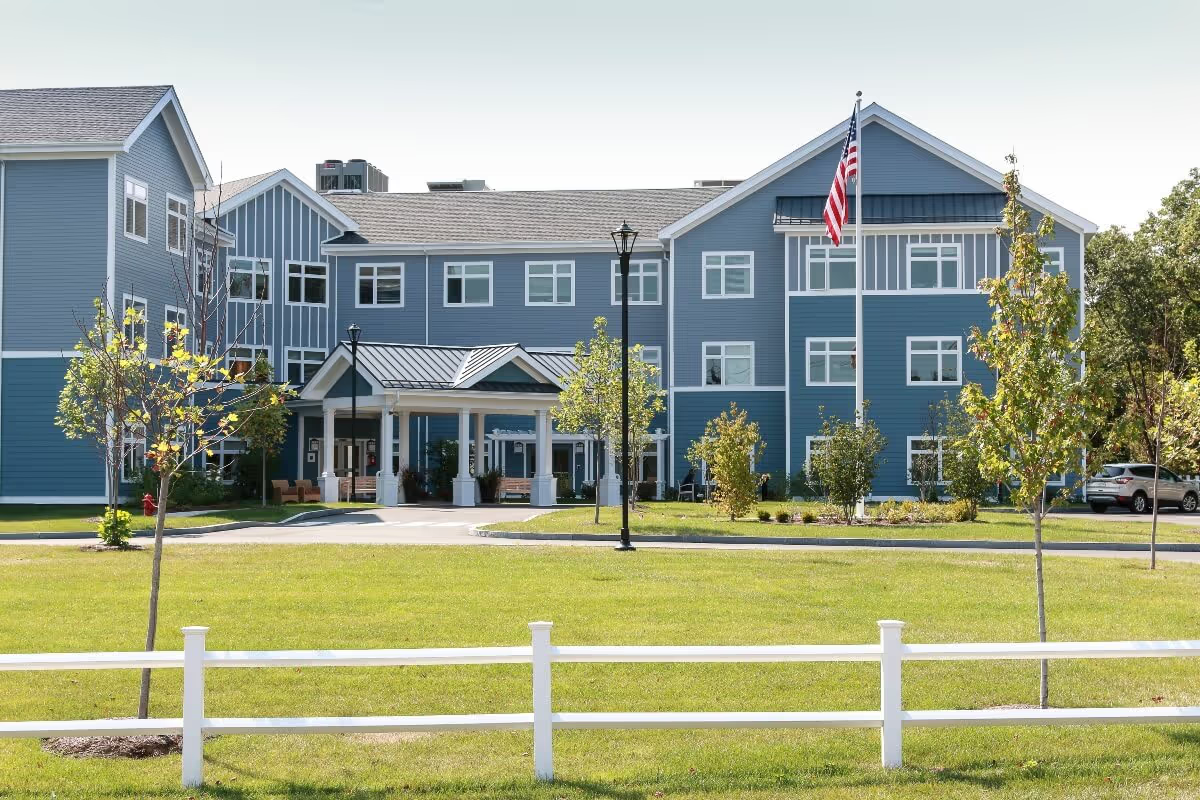
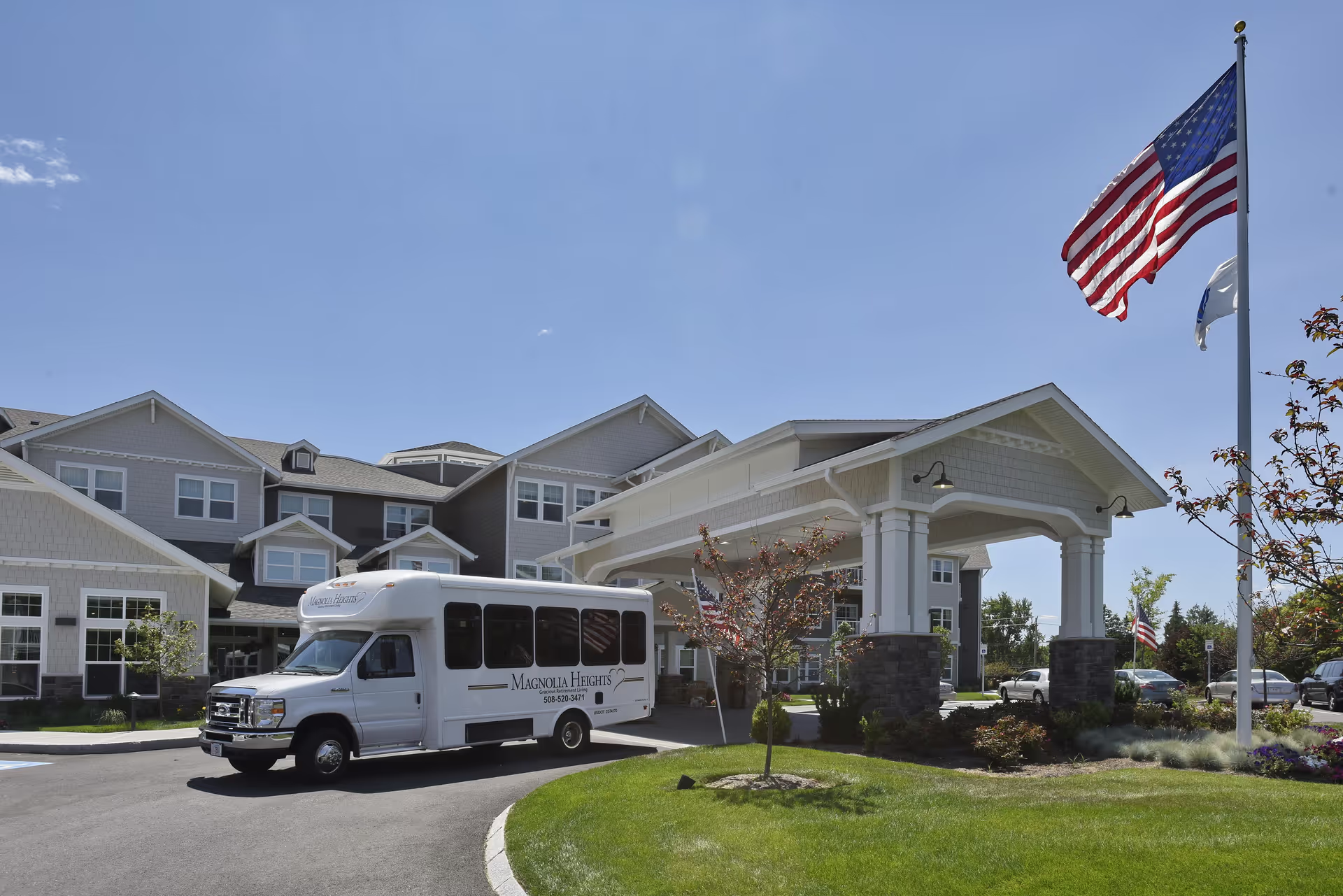
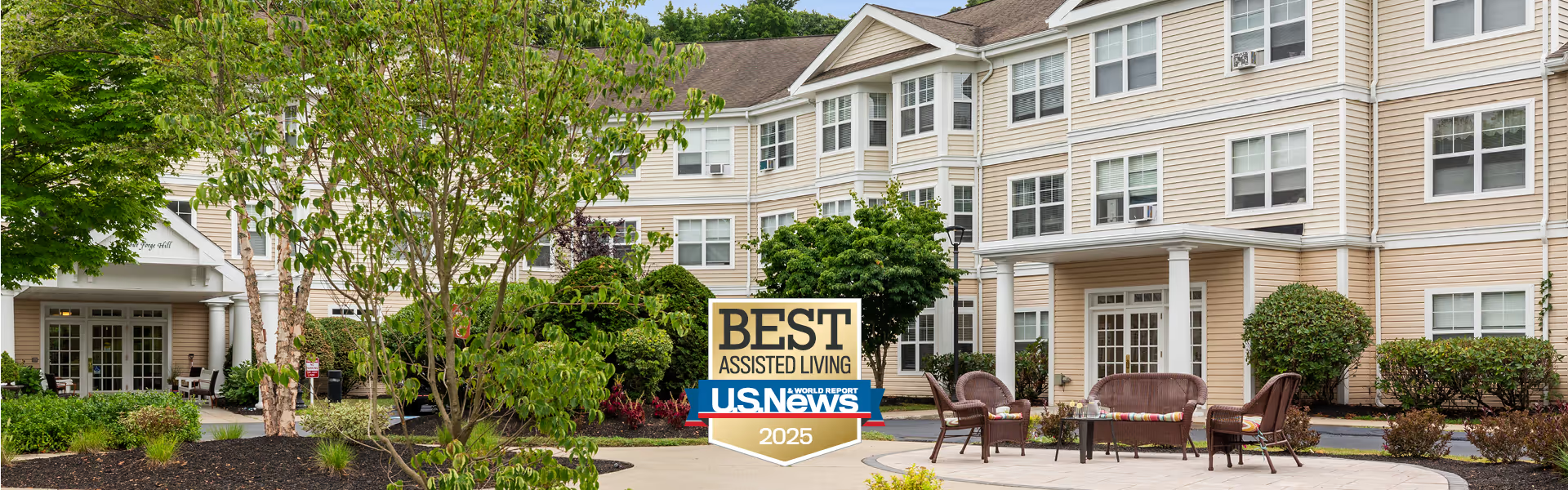
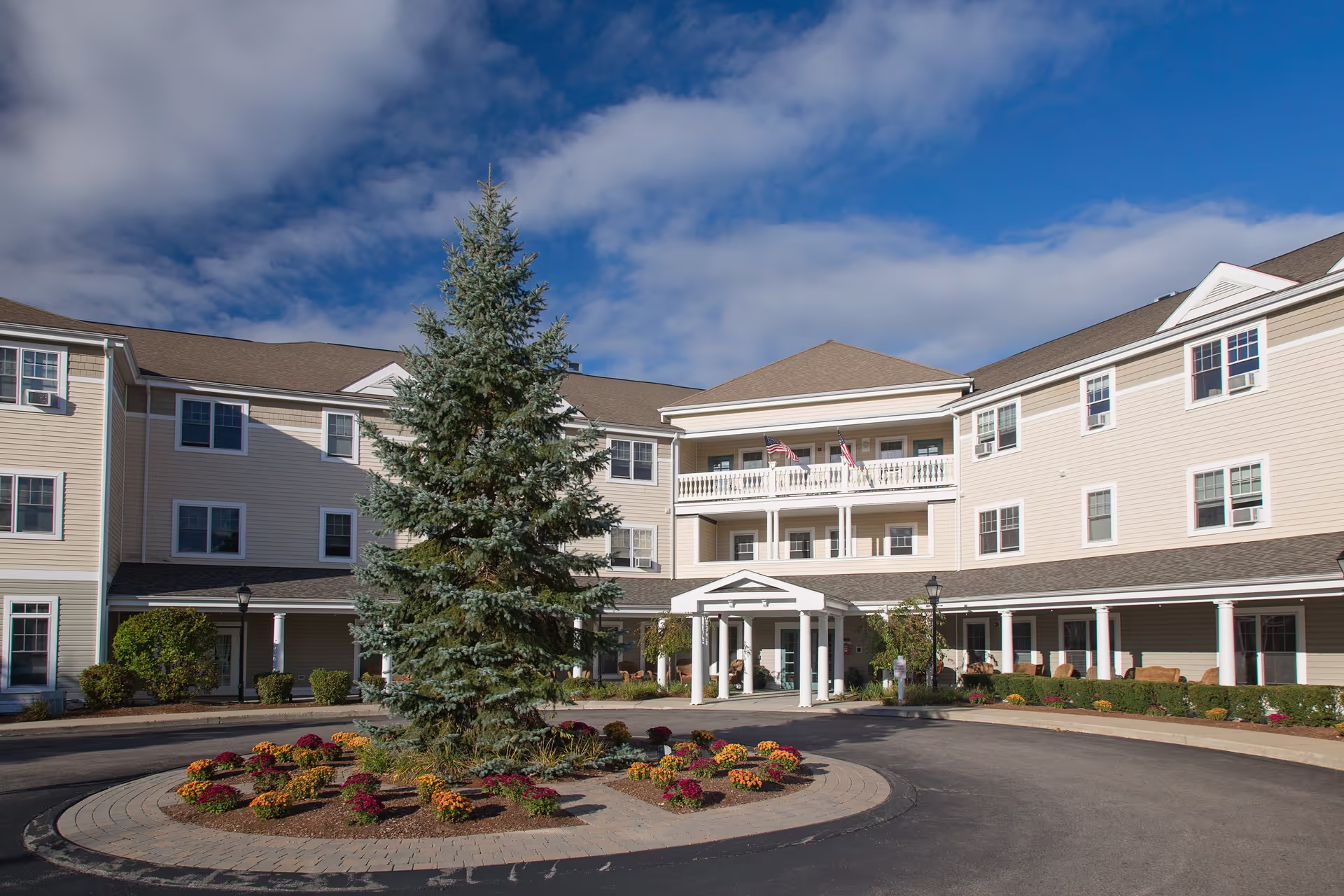
The Residence at Charles Meadow presents a mixed but broadly positive picture with consistent praise for staff compassion, cleanliness, and the physical environment. Many families describe caregivers as attentive and empathetic, and several accounts highlight strong memory-care knowledge, individualized medical attention, and supportive hospice coordination at end of life. The community’s newer construction, bright rooms, tidy common areas, and private rural setting are repeatedly noted as assets that contribute to a calm, family-like atmosphere.
Care quality is frequently characterized as compassionate and personalized; reviewers cite aides who build close relationships with residents and administration that can be highly supportive. The memory-care program is viewed as dementia-capable and typically attentive to behavioral and medication needs. At the same time, there is a pattern of concerns around operational consistency: staffing levels and training are sometimes described as uneven, and there are serious-allegation-level concerns about medication-administration controls and regulatory complaints that prospective families should investigate directly with leadership and regulators.
Dining receives mixed feedback. Several families praise healthy, varied meals and flexible dining options, while others note inconsistent food quality, temperature control at service, limited vegetable portions, and menu disruption tied to chef turnover. These contrasting accounts suggest the dining program can be strong when staffing and kitchen leadership are stable but may be subject to variability.
Activities and social life are generally regarded as strengths: scheduled outings, weekly entertainment, cocktail hours, volunteer intern involvement, and routine shopping trips support resident engagement and independence. However, activity frequency can be sporadic on weekdays and limited on weekends, and residents with advanced cognitive or health limitations may be unable to participate fully in group programming.
Management impressions are polarized. Multiple reviewers commend leadership, hiring and training practices, and clear communication channels (including an app). Others describe variable responsiveness from management, delayed family notifications after incidents, and perceived pressure to transition residents into higher levels of care. Safety and incident-response processes are an area of concern tied to those reports, and families should ask about incident notification protocols and clinical escalation pathways during a tour.
In summary, the Residence at Charles Meadow offers a well-maintained physical environment, a compassionate caregiving culture, and a range of social and clinical services that many families value. Notable operational risks include inconsistent meal service, variable staffing/training, medication-administration control weaknesses, and occasional gaps in family communication and incident response. Prospective residents and families would benefit from an in-person visit focused on current staffing ratios, medication-safety protocols, sample meal service, weekend activity schedules, and written policies for incident notification and placement transitions.