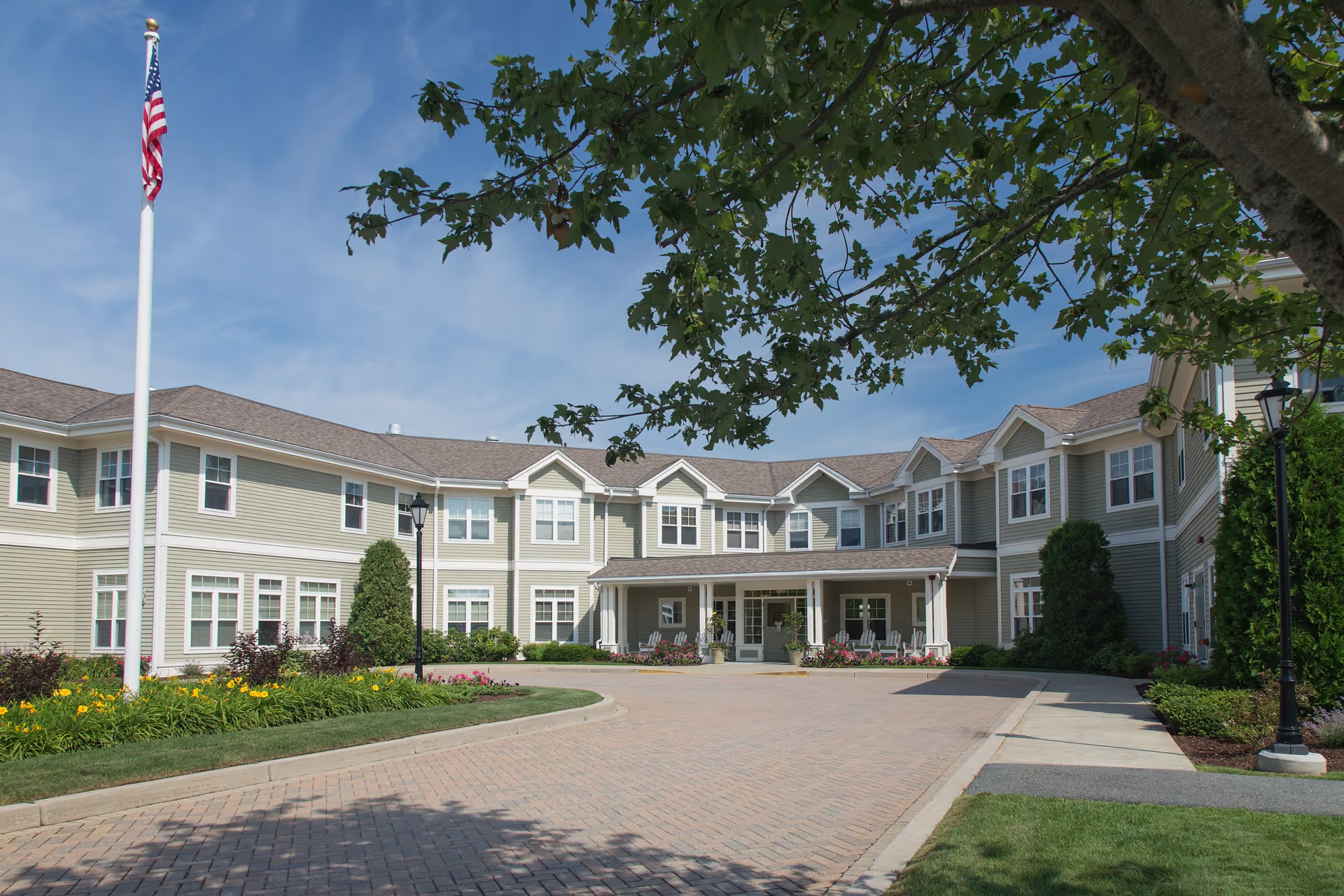
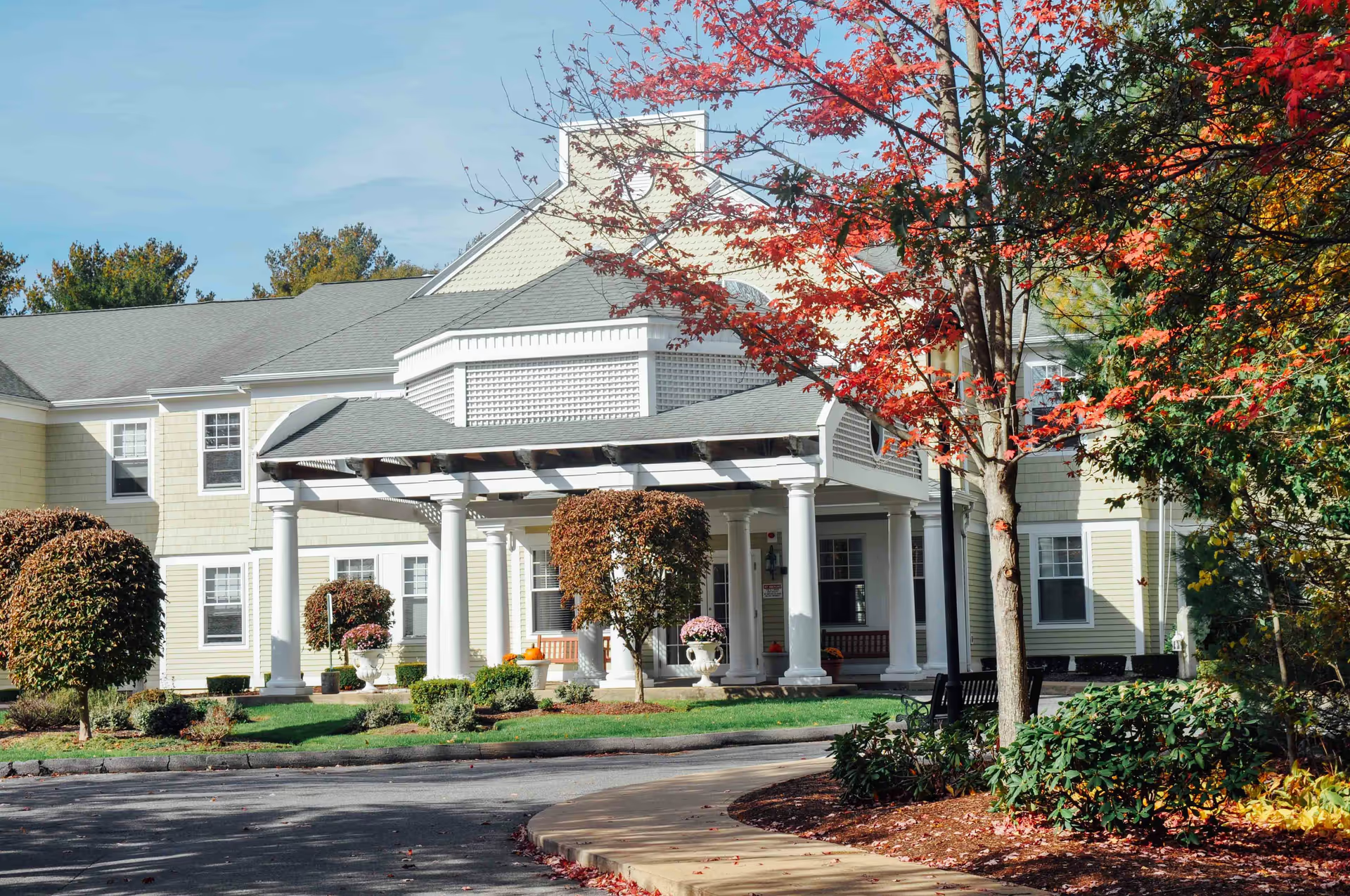
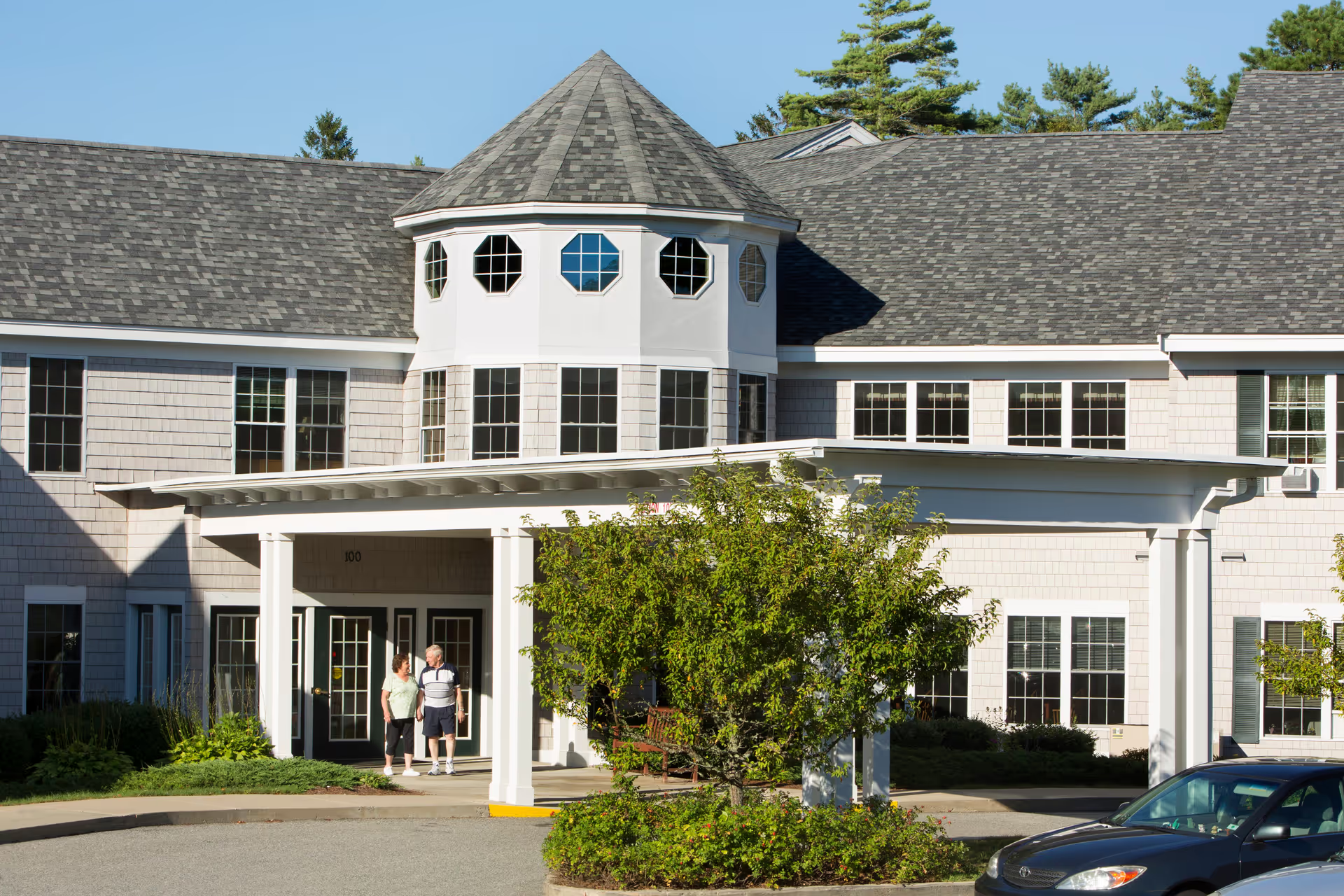
CareOne at New Bedford elicits a strongly mixed but instructive picture. Many families and short-term rehab patients praise the facility for its compassionate direct-care staff, effective physical and occupational therapy, and a generally bright, well-maintained physical environment. Multiple accounts highlight successful rehabilitation outcomes, attentive CNAs and therapists, accommodating admissions staff, and a dining program that offers dietary options and special meal presentations. The facility’s public areas and many rooms are described as light-filled with hardwood floors, and maintenance responsiveness is frequently noted.
At the same time, a consistent pattern of operational variability appears across reviews. Staffing levels and continuity are the most commonly raised concern: reliance on agency or temporary personnel and understaffed shifts — particularly nights — are associated with delayed responses to call lights, longer waits for toileting or bathing assistance, and uneven resident engagement. These staffing fluctuations also correlate with inconsistent housekeeping and sanitation in some common areas, and multiple accounts describe incontinence-care delays and gaps in wound management or clinical oversight.
Clinical escalation and medication access are additional areas of concern. Several accounts describe delayed medication delivery or slow recognition of deteriorating conditions, and some reviewers raised serious clinical events that they felt were not addressed quickly enough; these reports point to gaps in infection-surveillance and escalation processes rather than to a single type of failure. While therapy teams are repeatedly praised for rehabilitation intensity and outcomes, nursing and physician responsiveness is described as variable across shifts and patient stays.
Dining and activities generally receive positive feedback — many residents enjoy the menu choices, themed dining, snack carts, and regular entertainment such as live music, bingo, and crafts. However, reviewers also report inconsistency in meal timing and occasional declines in food quality. Admissions, front-desk, and certain administrative functions are often described as helpful and transparent, though some families cite problems with discharge documentation, delayed medical records, and billing miscommunications.
Personal-property security and management responsiveness are notable operational risks to discuss with the facility. A number of reviews describe missing items or concerns about controls for resident belongings; there are also isolated, serious allegations regarding staff misconduct. Prospective residents and families should weigh the facility’s clear strengths in rehabilitation, therapy, and many elements of direct care against these operational inconsistencies.
If considering CareOne at New Bedford, visitors may want to ask specific questions about current staffing ratios and agency use, night-shift coverage, infection-control and wound-care protocols, call-light response times, medication-administration procedures, property-inventory safeguards, and recent inspection or complaint history. Those seeking short-term rehabilitation frequently report very positive outcomes; families considering long-term placement should seek direct observation of care on multiple shifts and obtain written assurances about care-plan monitoring and communication practices.