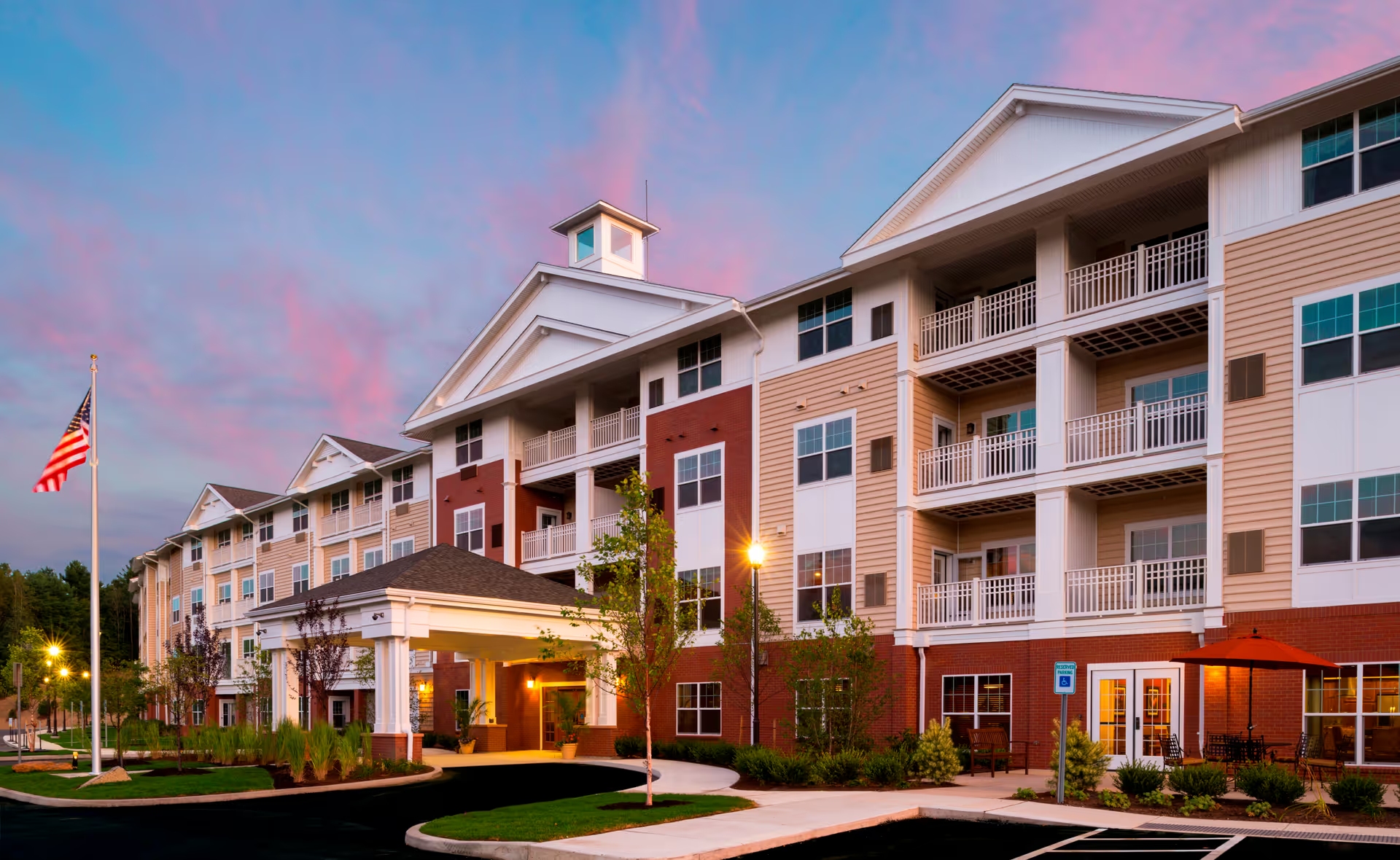
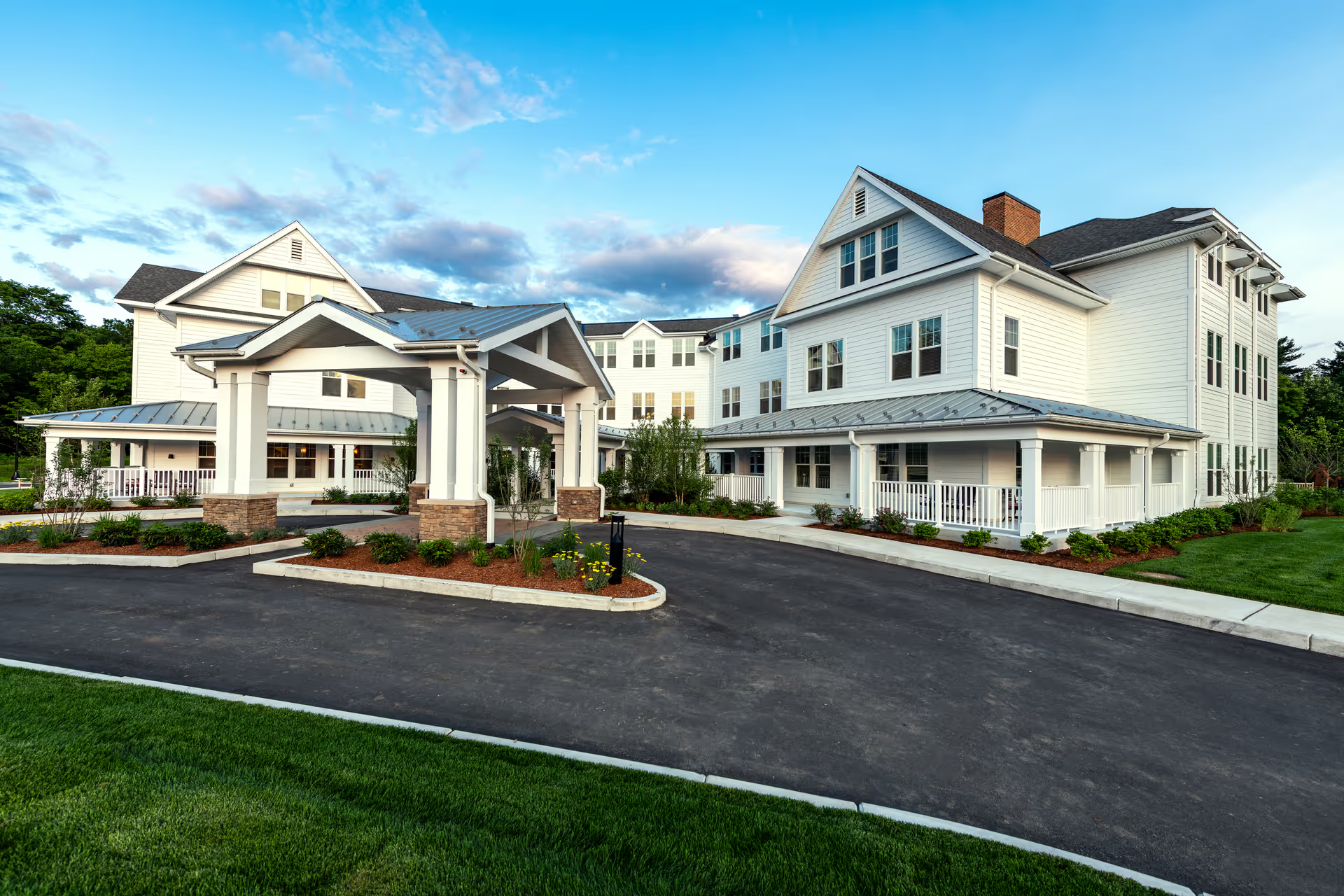
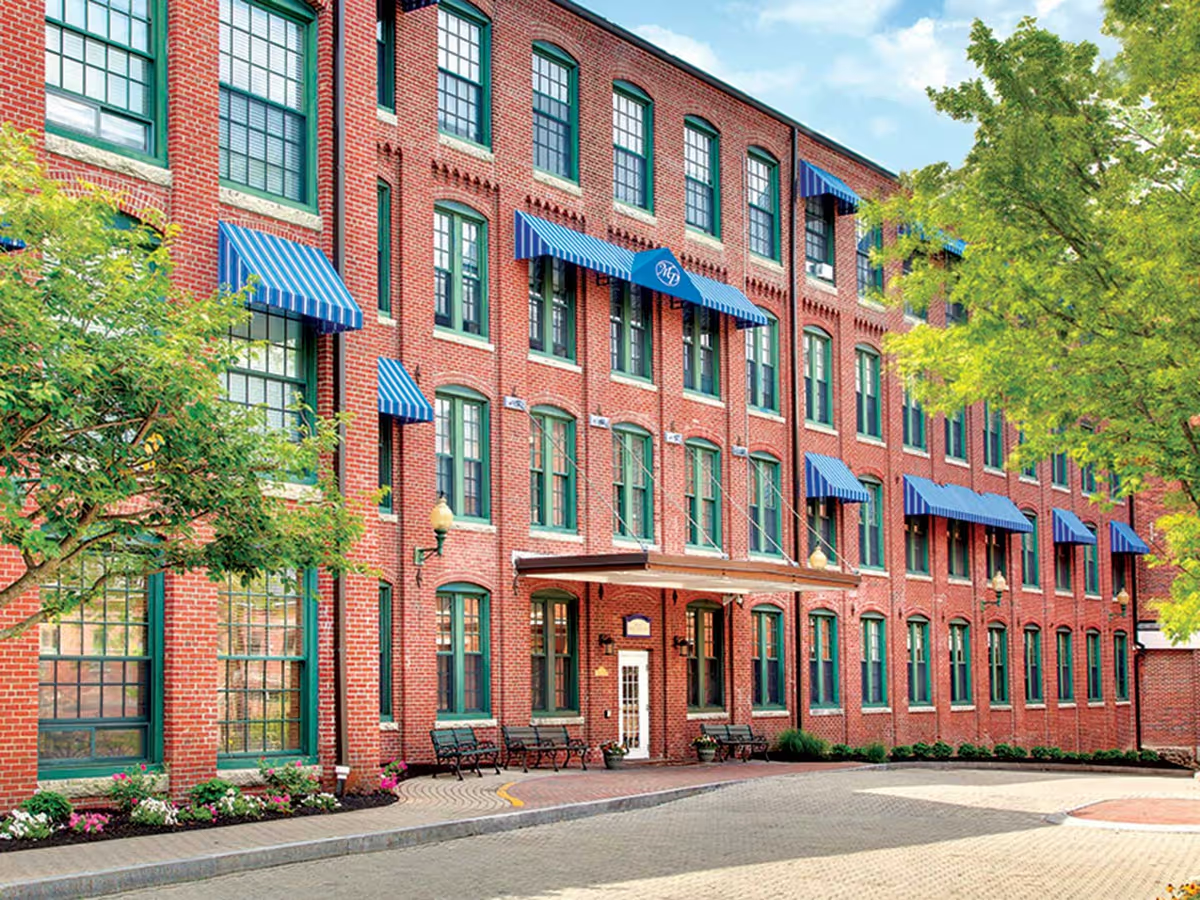
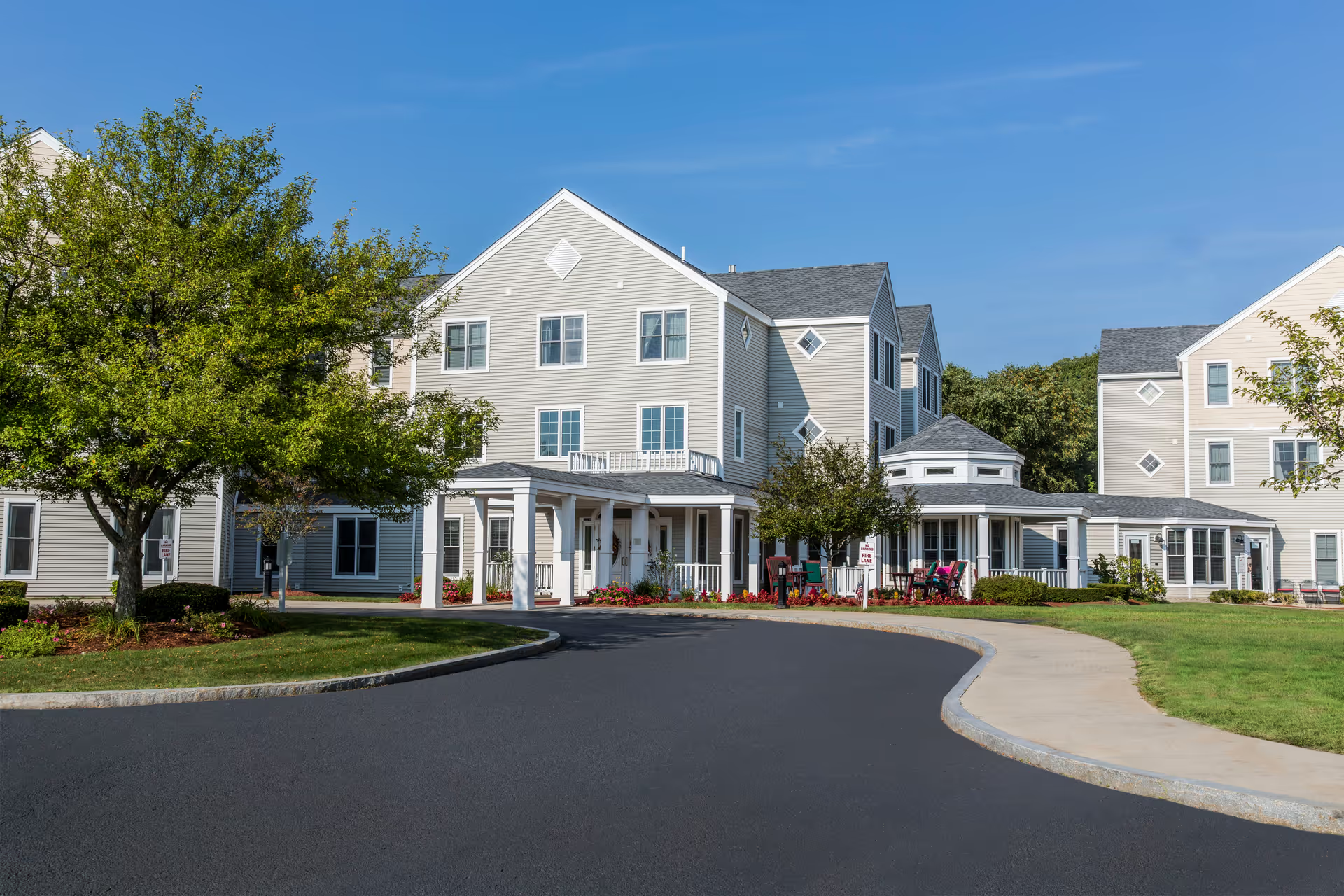
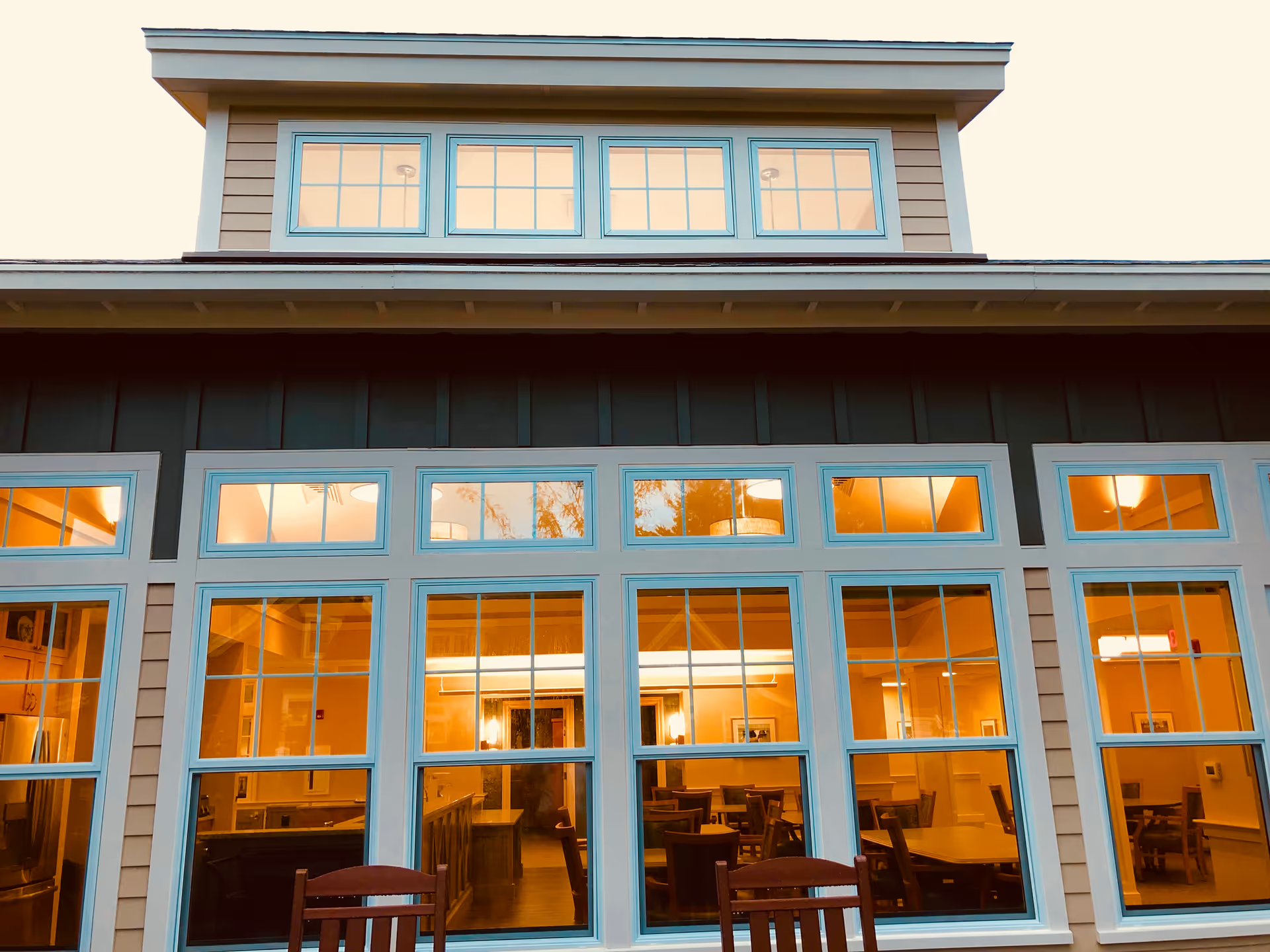
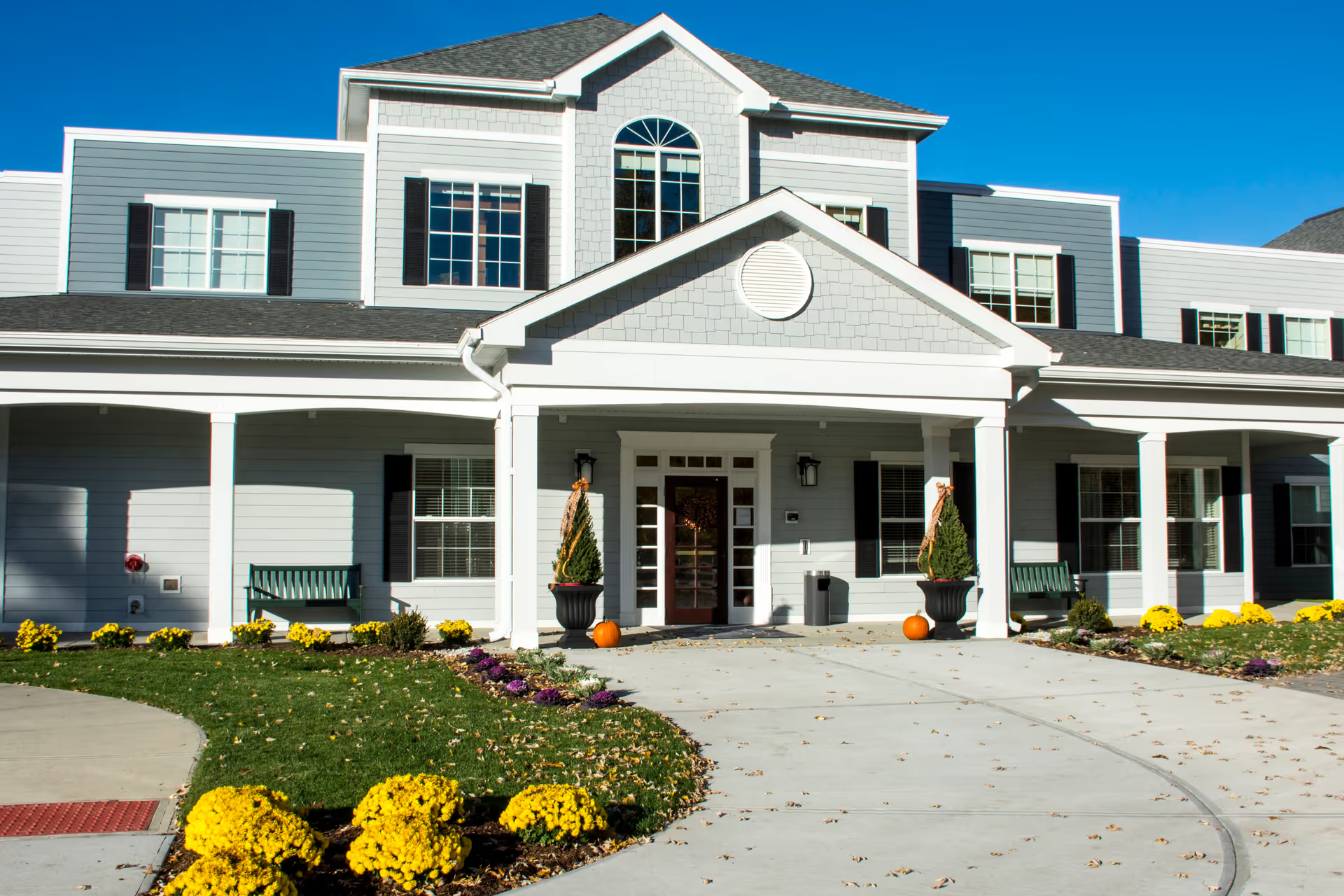
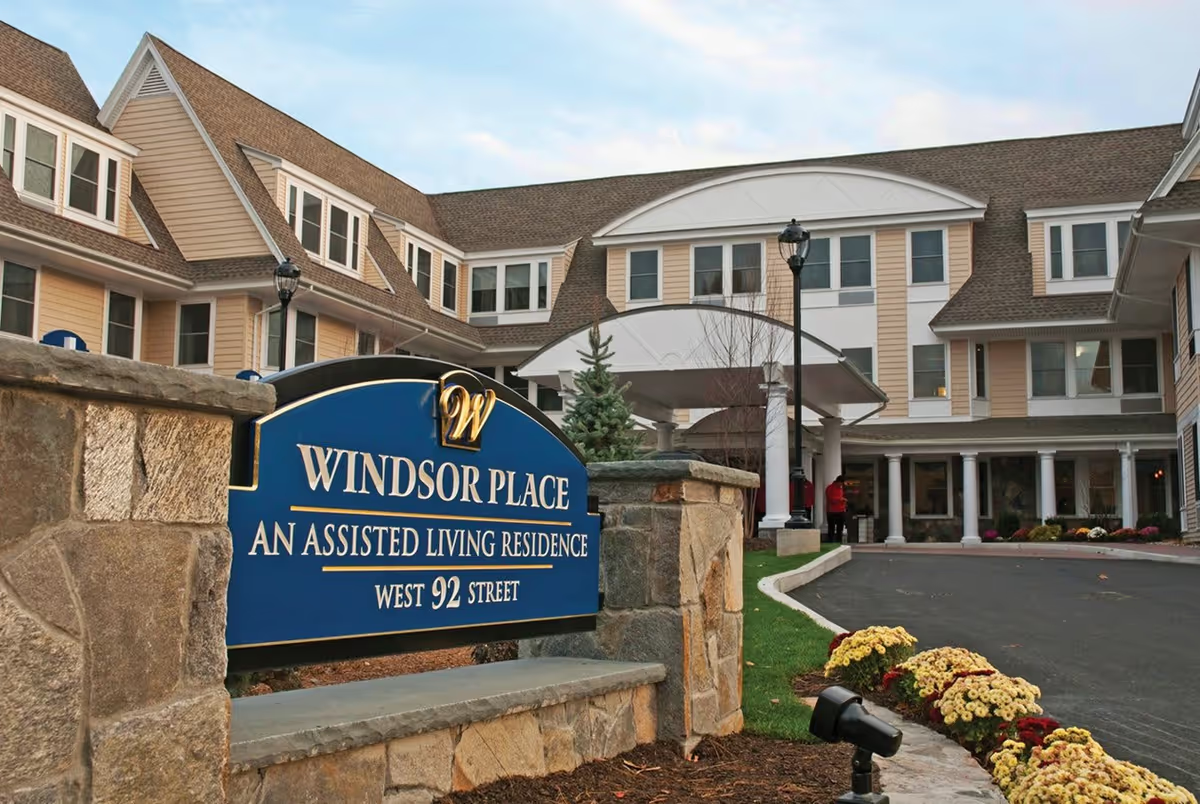
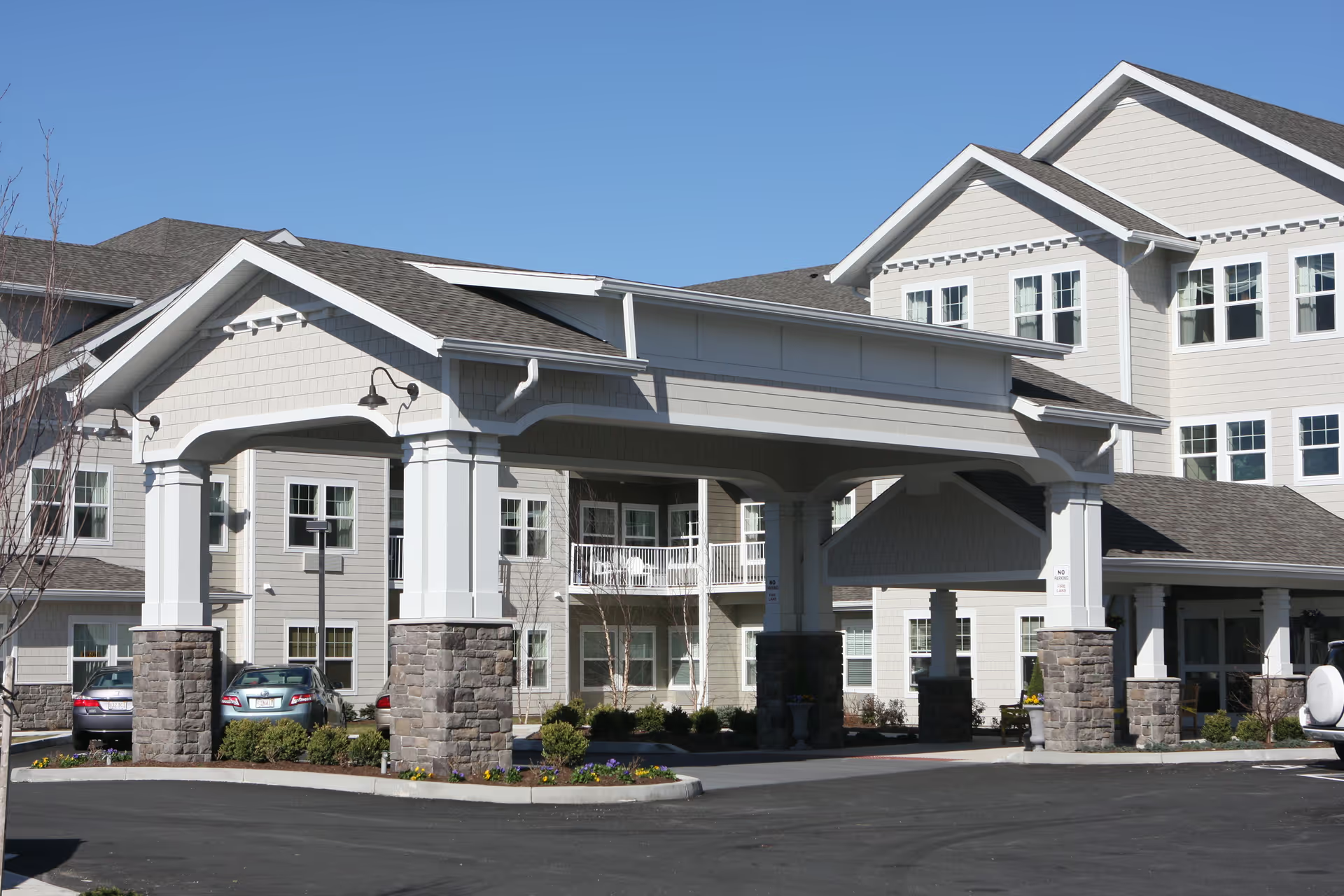
The reviews present a highly mixed picture of Andover Forest Post Acute Care Center (formerly Sutton Hill), with clear strengths in clinical rehabilitation and many frontline caregivers but persistent operational weaknesses that affect overall consistency. The facility is frequently described as having strong rehab services (PT/OT), attentive nurses and aides, clean and hotel-like common areas, and engaging activities including potlucks and pet visits. Several accounts highlight positive front-desk interactions, effective transition-home planning, and pleasant outdoor spaces and gardens that contribute to a comfortable environment for some residents.
Care quality appears inconsistent across shifts and units. Positive experiences emphasize compassionate, hands-on nursing and CNA care and effective therapy teams focused on recovery and discharge. However, a substantial number of reviews describe understaffing that leads to slow responses to call lights, delays with basic assistance (bathing, dressing, toileting assistance), and extended wait times for clinical attention. These staffing inconsistencies are linked to high turnover, aides and nurses stretched across many residents, and uneven bedside presence; where staffing is sufficient, care is described as attentive and effective.
Dining and clinical-medication processes are notable recurring themes. Multiple reviewers praised aspects of the dining environment and occasional good meals, but many others described inconsistent meal quality, small portions, repetitive menus, and errors in diet management (including incorrect items for restricted diets). There are also documented concerns about medication administration and insulin management processes. Together these issues point to gaps in meal-service controls and medication-administration workflows that require attention.
Facility and amenity observations are mixed. The building and many rooms are described as clean, well maintained, and welcoming, with attractive common areas and a garden. At the same time, reviewers reported variable housekeeping and laundry performance, occasional odor concerns in specific areas, and maintenance problems such as elevator outages and door-lock or equipment reliability issues. These operational maintenance items compound family concerns about safety and convenience when they occur.
Management, leadership, and organizational culture surfaced as divisive factors. Positive accounts attribute good outcomes to engaged unit leaders, an effective admissions team, and social services staff who communicate well with families. Conversely, other reviewers perceived a corporate or revenue-driven orientation, inconsistent managerial follow-through, and poor treatment of staff that contributes to turnover and morale problems. Several reviews referenced regulatory citations and fines related to nutrition, infection control, environmental conditions, and care planning; these citations underscore systemic process gaps noted by families.
End-of-life care and communication are areas of particular concern in some reviews. A small number of severe incidents and subsequent family complaints highlighted delays in symptom control, slow completion of documentation, and poor bereavement communication. These accounts indicate gaps in clinical oversight and family communication during critical transitions for some patients. Conversely, other families reported compassionate end-of-life attention and supportive staff.
Overall, the pattern is one of contrasts: when staffing and leadership are engaged, residents experience strong rehabilitation, attentive nursing, and pleasant surroundings. When staffing is thin and management oversight is inconsistent, families report delayed responses, diet and medication errors, housekeeping lapses, and maintenance problems. Prospective residents and families should weigh the facility’s demonstrated strengths in rehab and frontline caregiving against variability in operational reliability, and consider direct questions about staffing ratios, diet/medication safeguards, infection-control practices, maintenance responsiveness, and end-of-life communication processes during tours and admissions discussions.