Reviews reflect a bifurcated pattern of experience at the facility: several families describe effective, compassionate rehabilitation and clinical care, while others describe operational gaps that affected safety, comfort, and communication.
Care quality and clinical operations: Many accounts praise the rehabilitation program and specific clinicians for effective PT/OT interventions and wound healing. At the same time, there are recurring concerns about inconsistent supervision and transfer-safety practices, missed clinical follow-up, and lapses in medication administration. These issues appear linked to staffing variability; understaffing and weekend coverage gaps were frequently mentioned as contributing factors to delayed assistance and personal-care response times.
Staff and culture: Staff interactions are described as polarizing. Numerous reviews highlight caring, attentive employees who build strong rapport with residents and go beyond expectations. Several staff members were singled out for commendation. Conversely, other accounts note abrupt communication, inattentive or brusque conduct, noisy behavior, and instances where families felt concerns were dismissed. Reliance on temporary agency staff and reported low wages were cited as drivers of inconsistent staff continuity.
Dining and activities: Dining receives mixed feedback. Positive comments reference warm, varied meals and accommodating staff. Negative comments detail cold or incorrect meal deliveries, unappetizing preparations, and days when meals were not eaten due to service issues. Activity offerings are described positively by some reviewers who found the environment engaging; others reported residents confined with limited stimulation. Prospective residents may wish to observe mealtimes and activity programming during a visit.
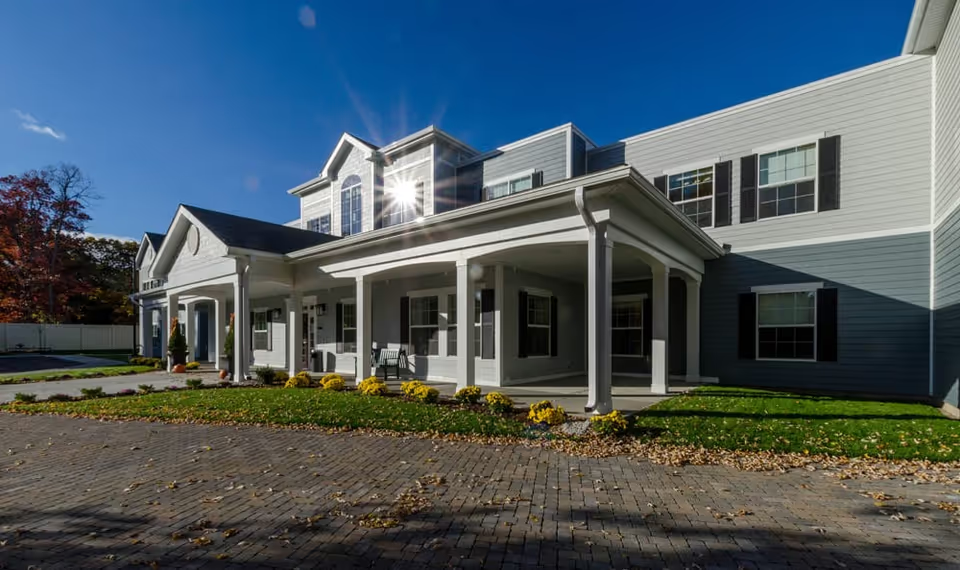
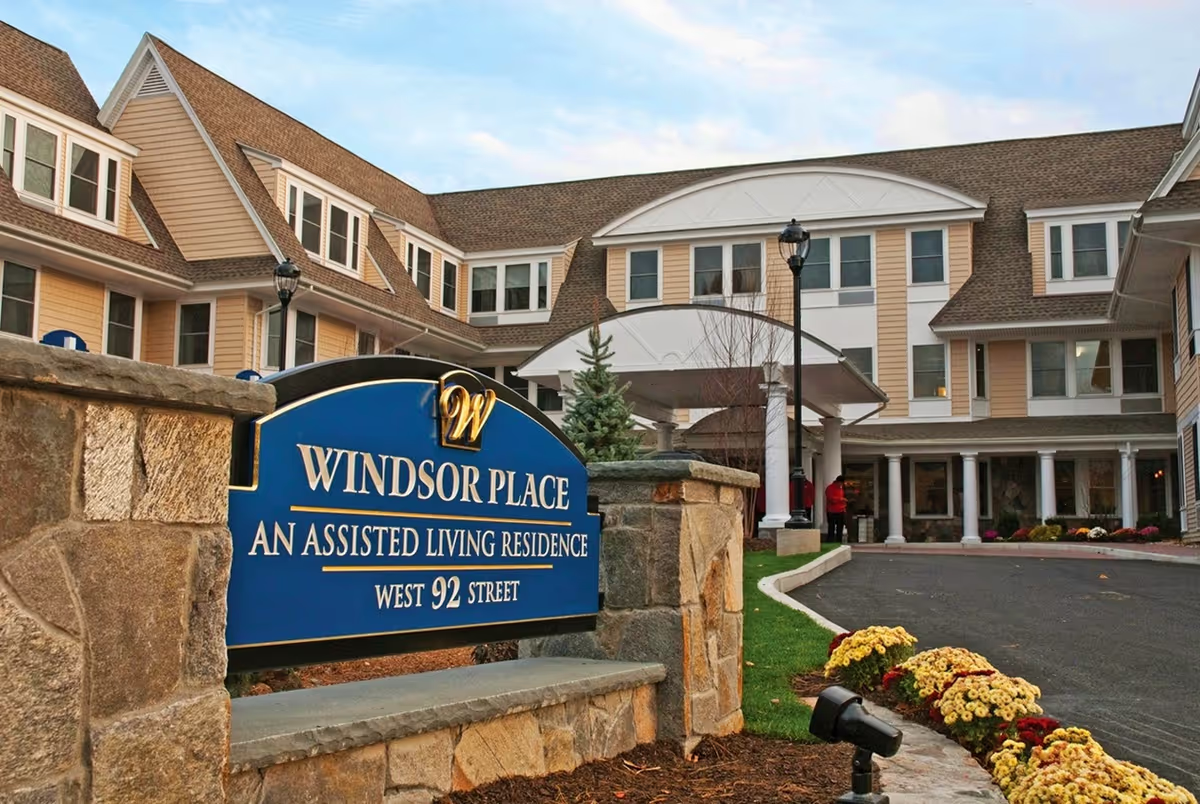
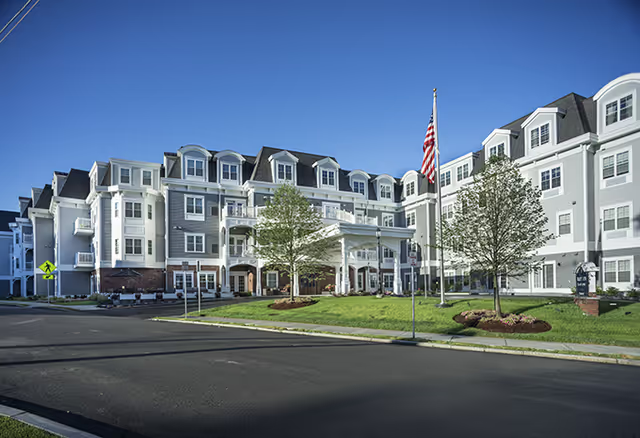
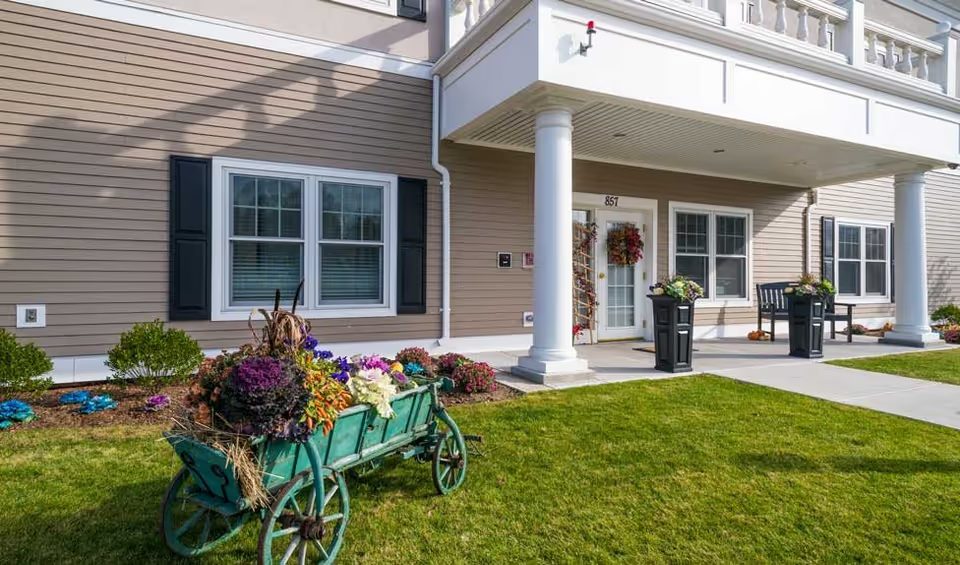
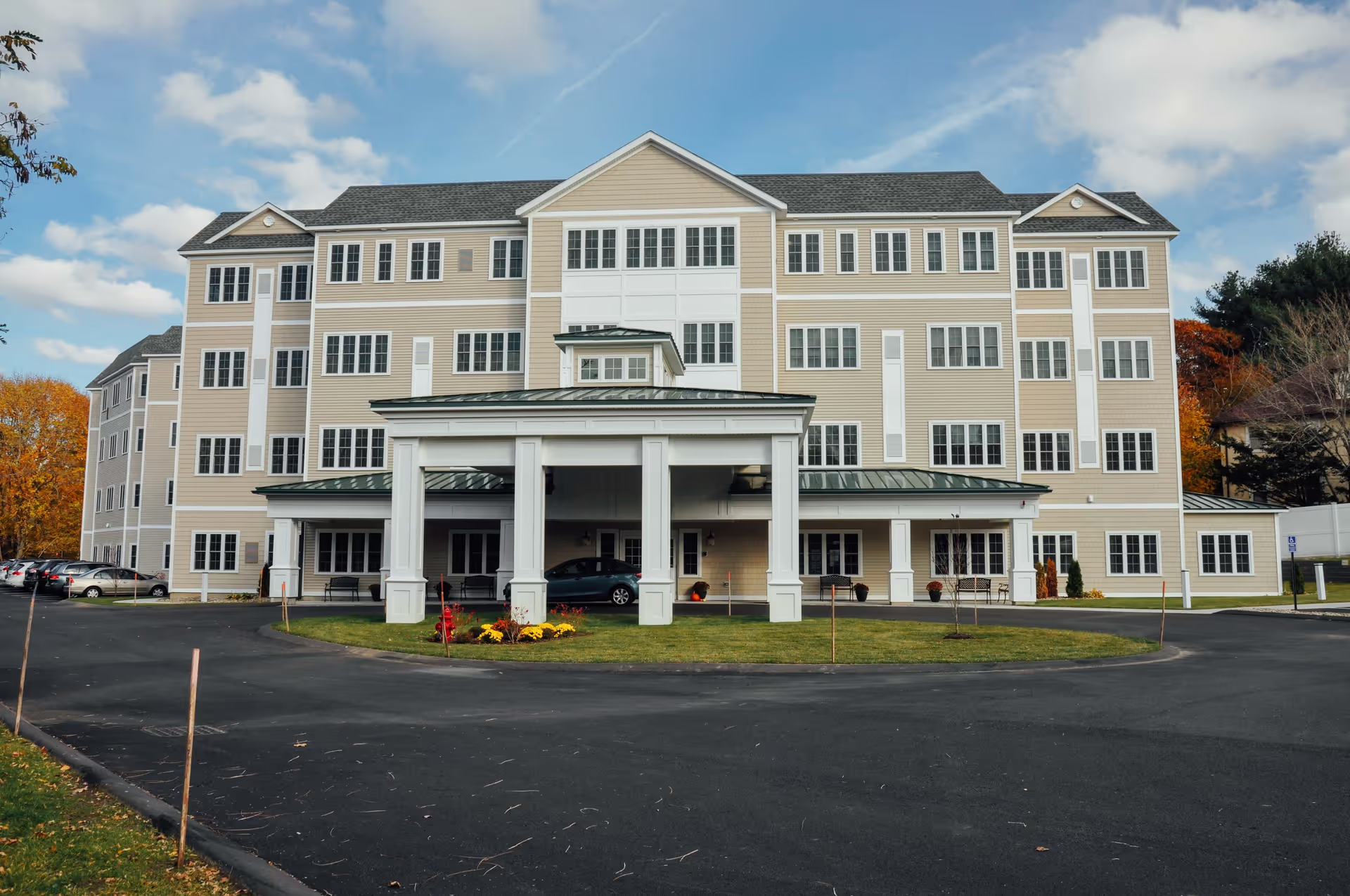
Facilities and maintenance: The facility is often described as clean and updated with a pleasant outdoor seating area. However, reviewers also noted maintenance and room-setup shortcomings—missing light covers, unsecured bathroom adaptations, small or ill-fitting furniture, and occasional climate-control problems. These maintenance delays were linked to diminished room readiness and resident comfort.
Management, communication, and end-of-life resources: Families reported inconsistent communication from management about incidents and room changes, including delayed notification after clinical events. Some reviews noted limited onsite hospice resources and asked for clearer escalation and handoff procedures. Taken together, these comments suggest opportunities to strengthen family communication protocols, clinical handoffs, and access to end-of-life services.
Overall patterns and recommendations for families: The site appears capable of providing high-quality rehabilitation and compassionate care under well-staffed conditions, but experiences vary substantially by shift and unit. Key patterns to evaluate during a tour include staffing levels (especially on weekends), fall-prevention and transfer protocols, medication and clinical follow-up procedures, meal-service reliability, maintenance responsiveness, and availability of hospice support. Observing staff–resident interactions, asking for recent staffing metrics, and requesting examples of communication protocols may help families assess whether the facility’s current operational reliability meets their needs.