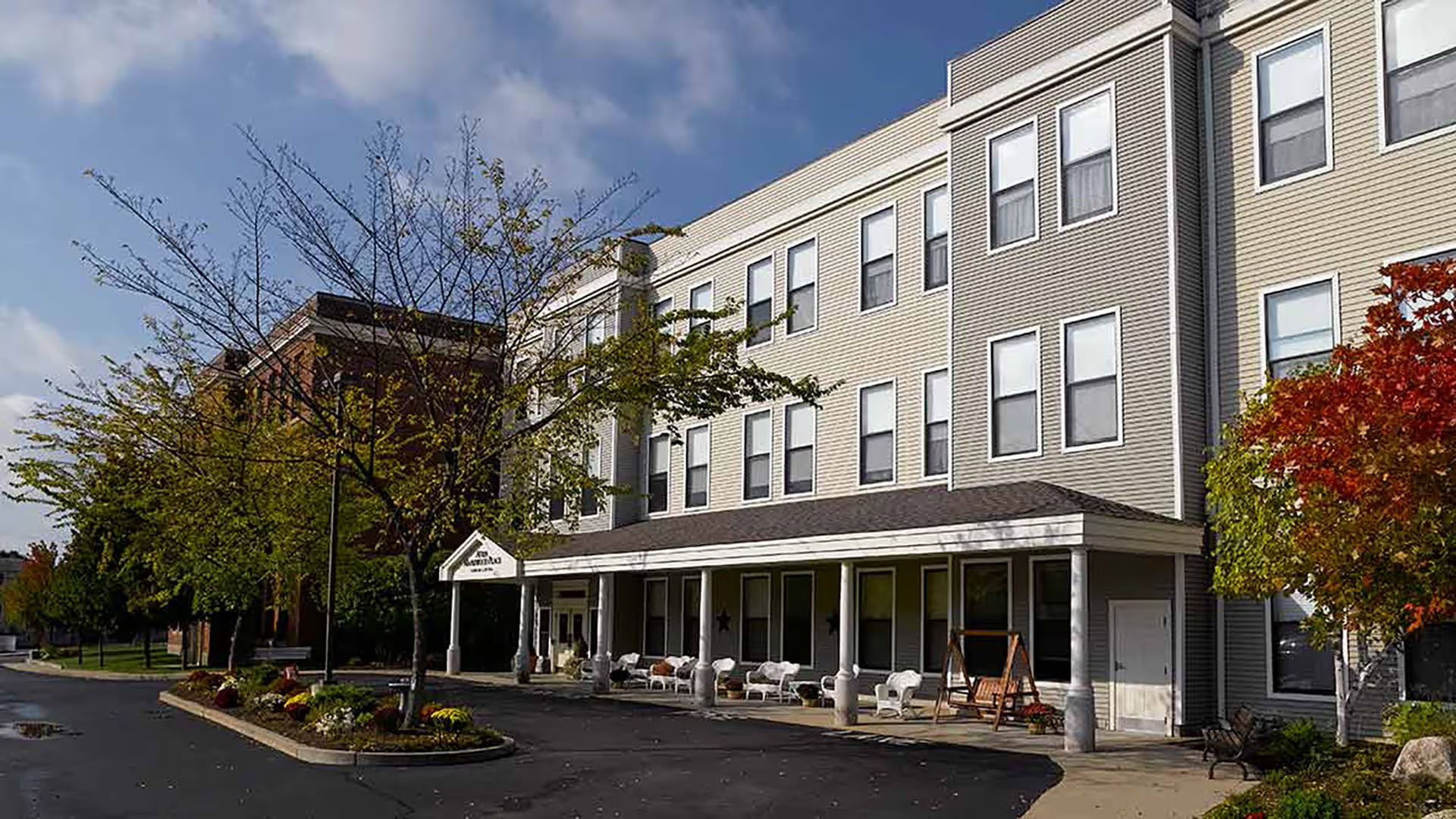
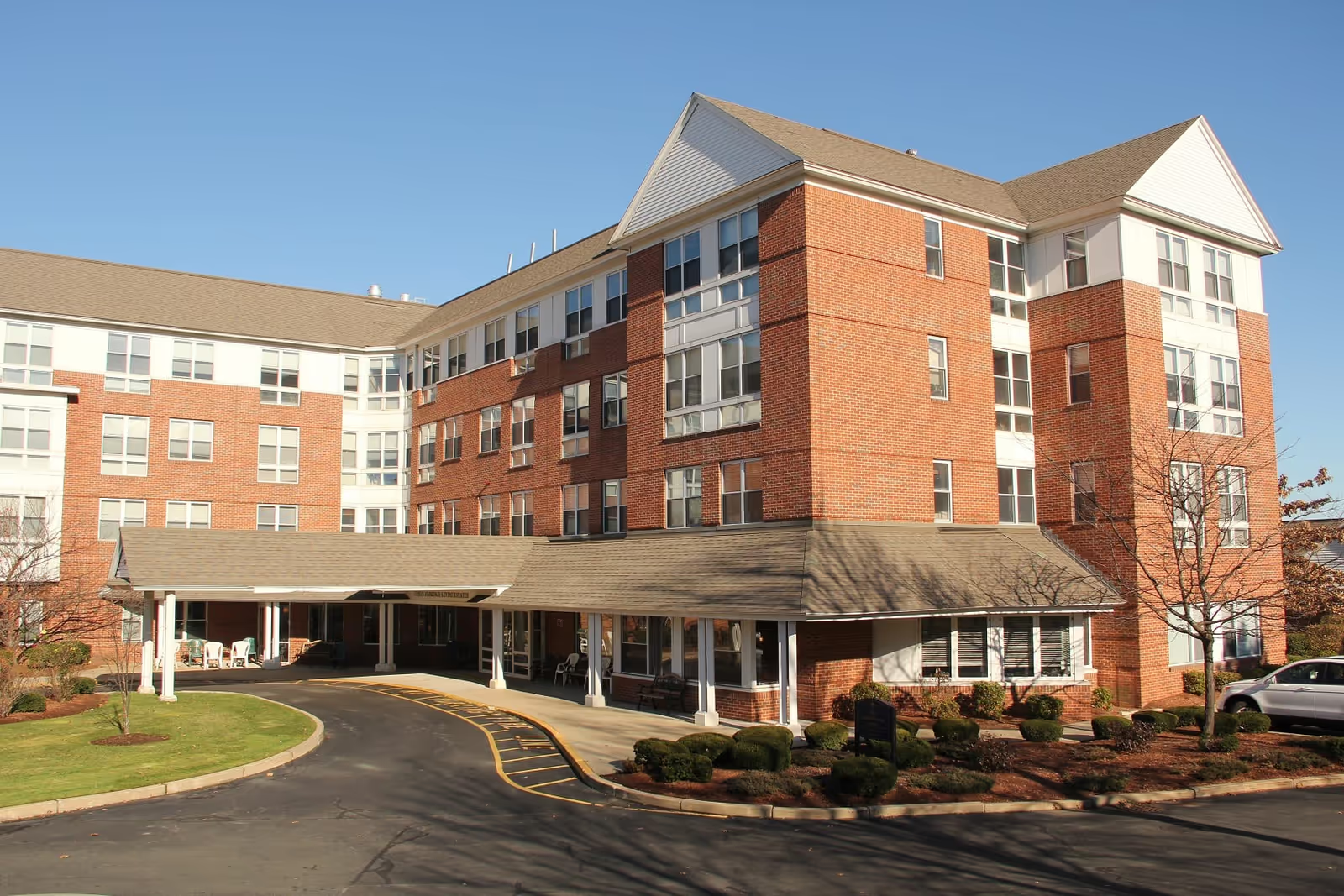
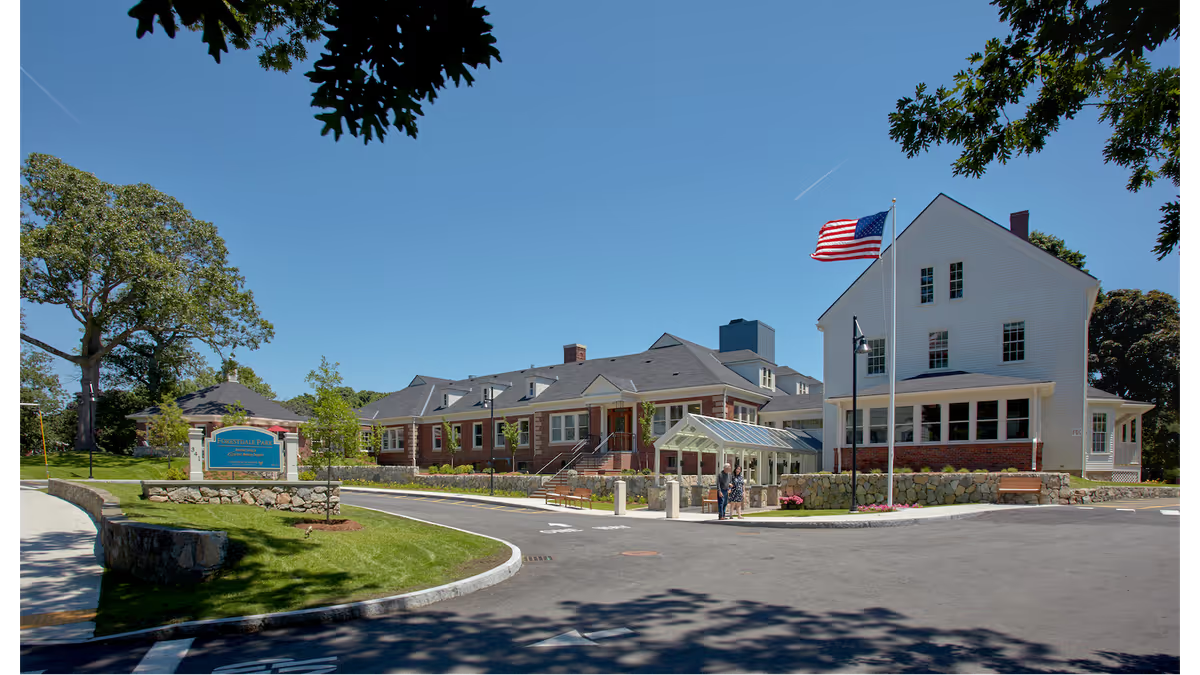
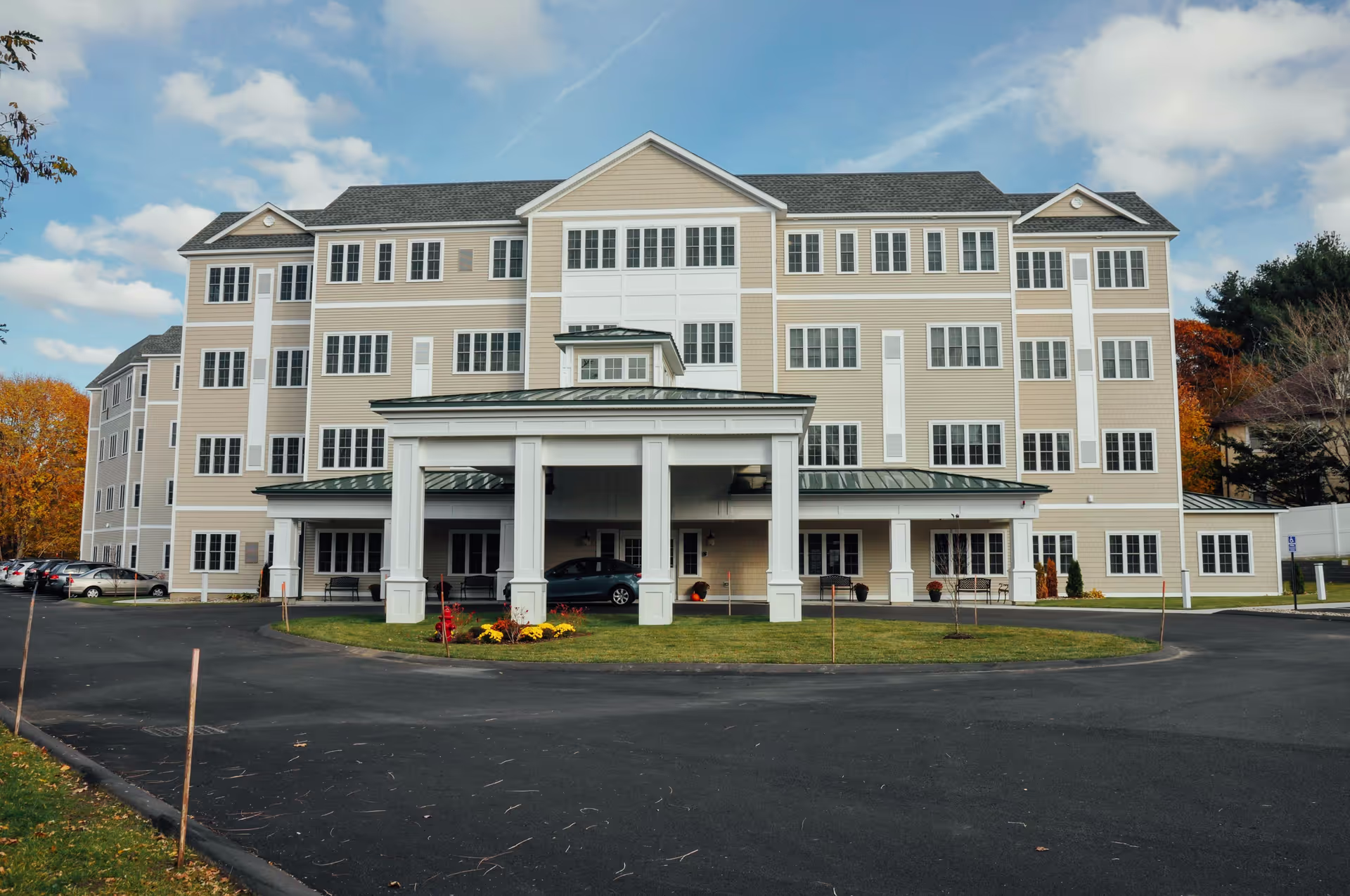
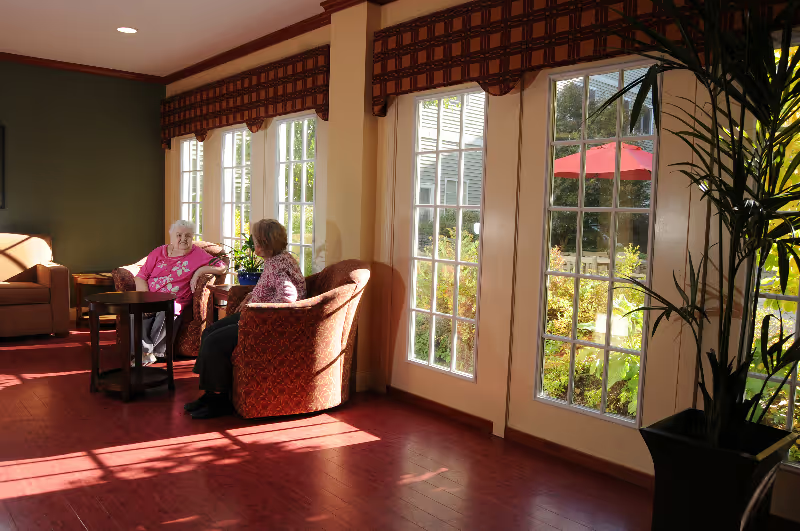
Reviews of Lighthouse Rehabilitation & Healthcare Center describe a facility with highly variable performance across multiple domains. Numerous families and residents praise compassionate nurses, dedicated CNAs, and strong therapy teams; these elements are associated with successful short-term rehab outcomes, effective discharge planning, and positive experiences in memory-care settings. Admissions and front-desk staff are frequently described as welcoming, and the facility’s grounds, common areas, and some rooms are noted as clean, inviting, and home-like. Activity programming, entertainers, and accommodations for service animals are called out as quality-of-life strengths.
At the same time, a consistent pattern of operational weaknesses emerges. Staffing levels and responsiveness are uneven: many accounts describe slow response to call lights, long waits for assistance, and variability in care attention between shifts and units. Weekend coverage is commonly mentioned as weaker than weekday staffing. Related clinical concerns include delayed or inconsistent medication administration, gaps in wound care and other follow-up (for example, missed consults or imaging), and instances where clinical interventions were not timely. These indicate the facility can struggle with consistent clinical oversight and continuity of care.
Sanitation and facility-maintenance issues appear repeatedly alongside reports of otherwise clean areas. Several reviewers described odor concerns, housekeeping lapses, irregular laundry and trash removal, and pest-control concerns in specific rooms or closets. Maintenance responsiveness is also mixed: some families praise quick repairs and helpful maintenance staff, while others describe unresolved environmental or room-setup hazards, overcrowded or cluttered spaces, and inconsistent housekeeping practices.
Dining and therapy experiences are similarly mixed. Many accounts highlight effective PT/OT that restored mobility and independence; others describe therapy as inadequate or poorly coordinated with medical orders. Food quality is frequently characterized as inconsistent — ranging from freshly prepared, appealing meals to cold or unappetizing plates — and some families reported meal-service interruptions or lack of suitable alternatives. Activity programming and social engagement receive positive comments overall, particularly in memory-care units and on certain floors.
Management and communication present a split picture. Several reviewers commend responsive leadership, clear admissions processes, and timely maintenance support. Conversely, others report weak communication, slow incident follow-up, and perceived lack of accountability after serious events; there are also a few accounts raising concerns following a resident’s death. Language barriers and inconsistent staff conduct or tone are additional themes affecting family experience and satisfaction.
Notable patterns to weigh when evaluating this facility: care quality and culture appear to vary by unit and shift (with specific praise for a third-floor team and criticism of some first-floor experiences), therapy effectiveness can differ between clinicians, and weekend coverage tends to be a common pressure point. For families considering placement, an in-person tour across shifts and floors, direct questions about staffing ratios, medication and wound-care protocols, pest-control and housekeeping schedules, weekend coverage, and how management handles incidents and family communication will help clarify whether the facility’s strengths align with the prospective resident’s needs.