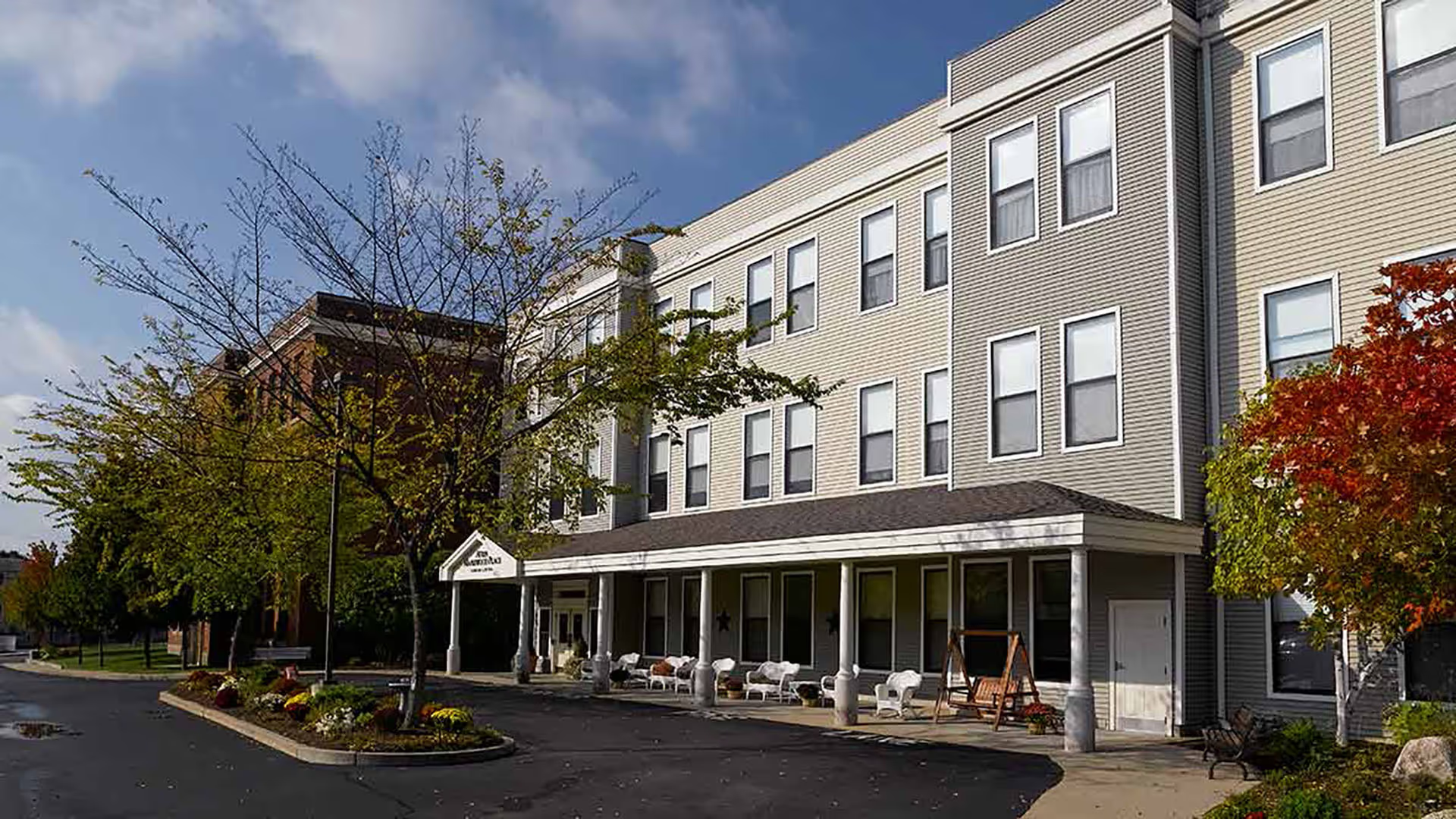
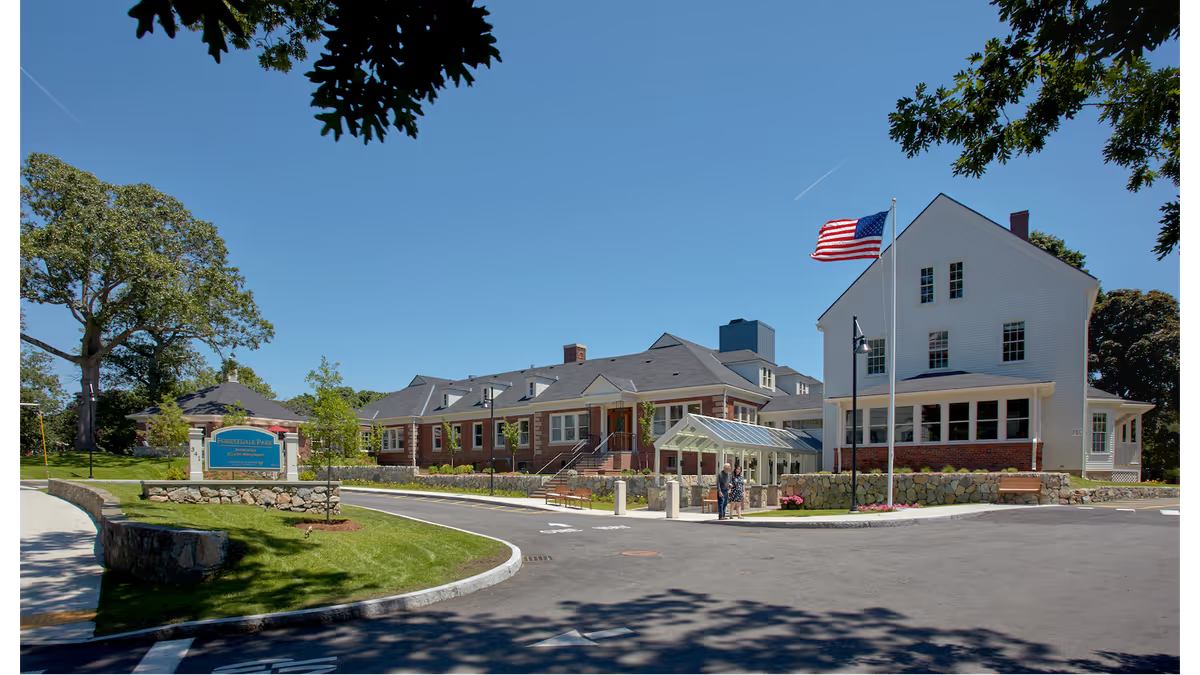
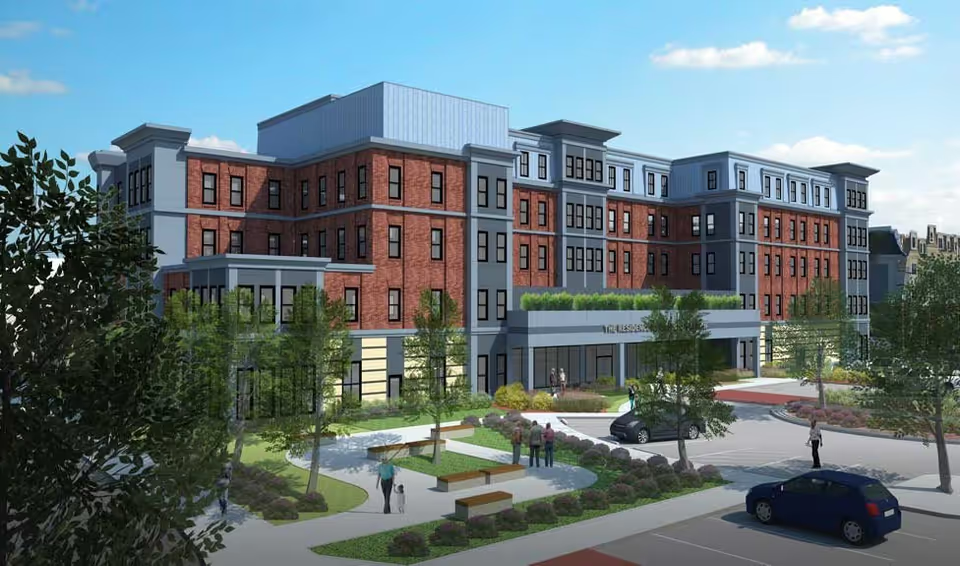
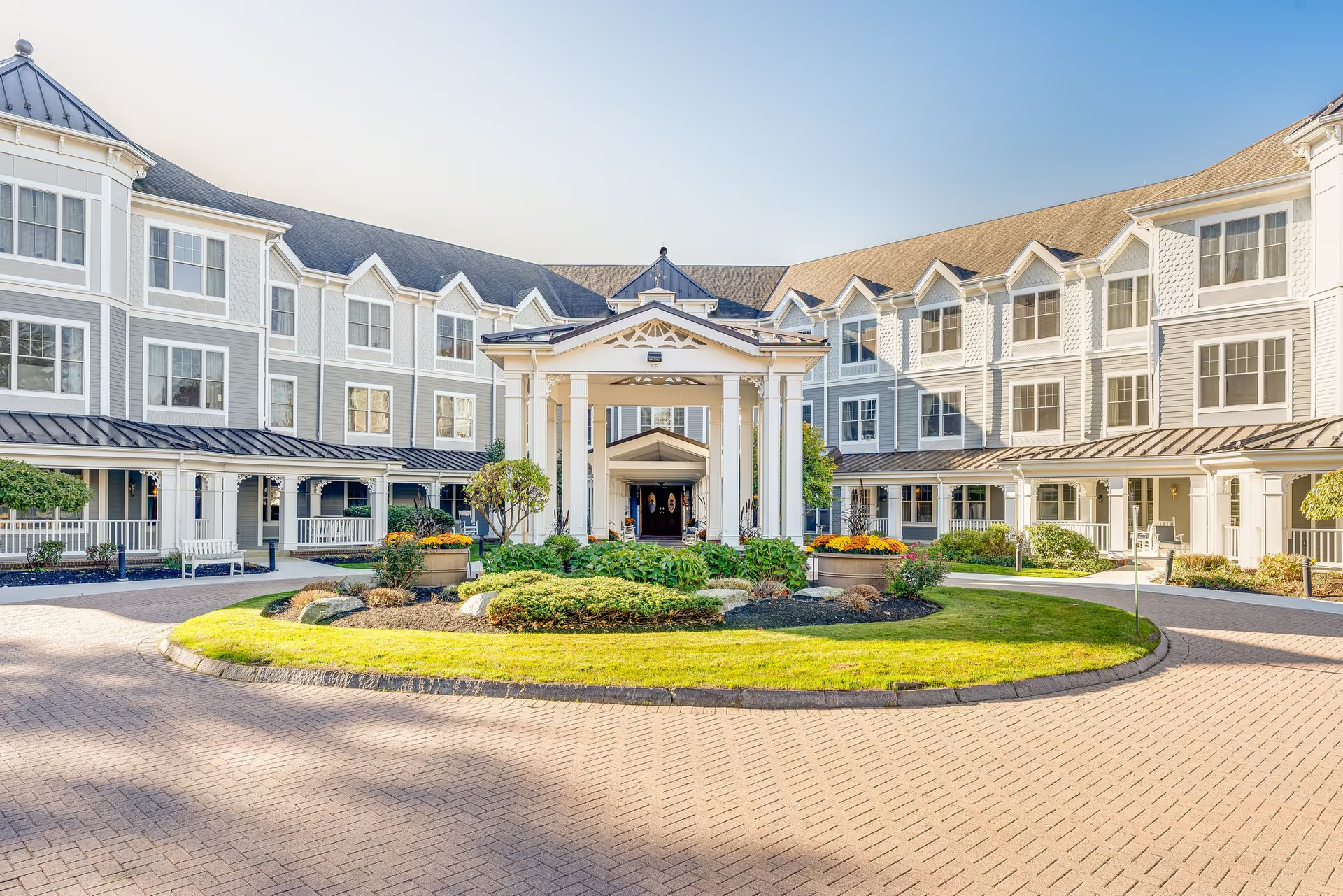
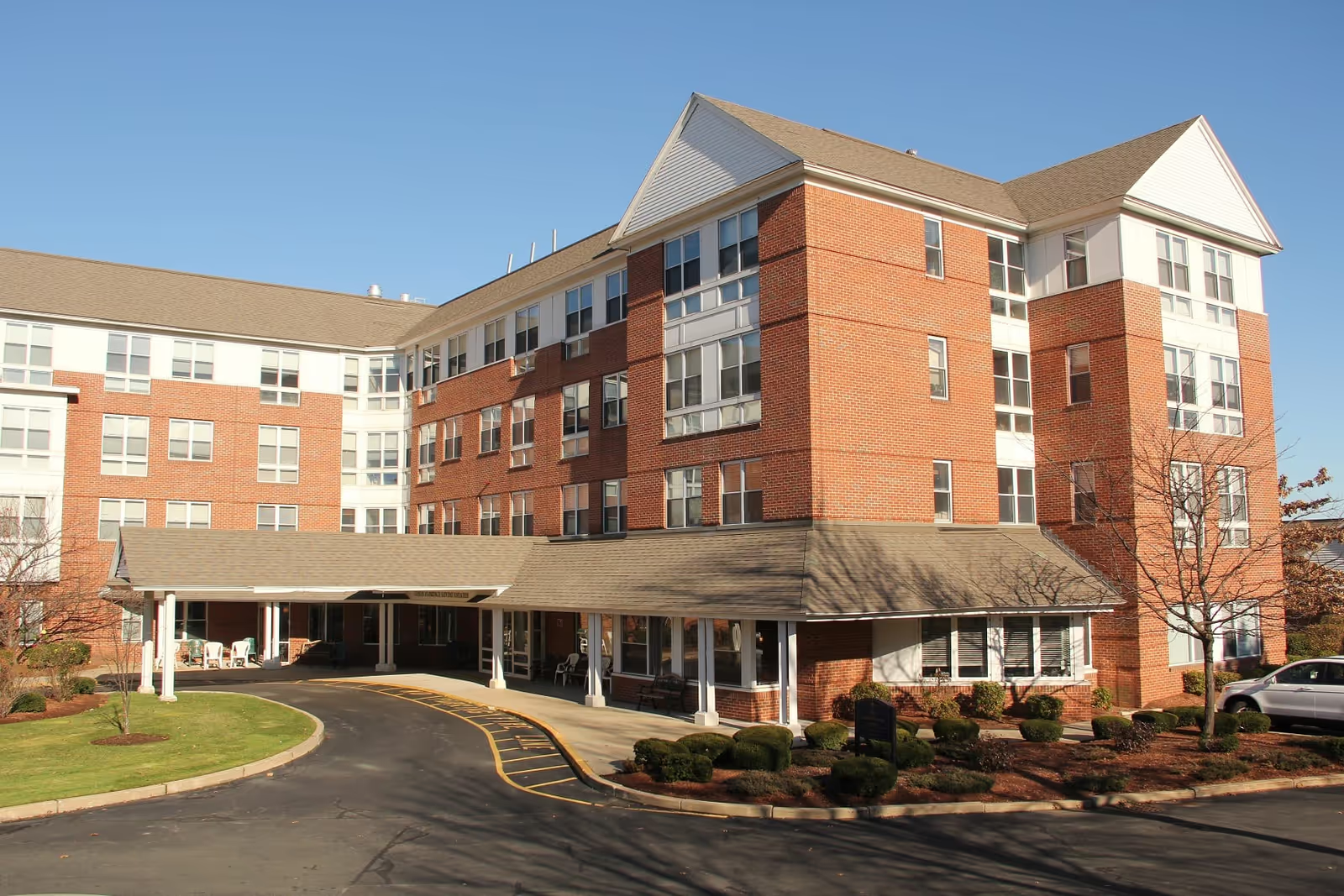
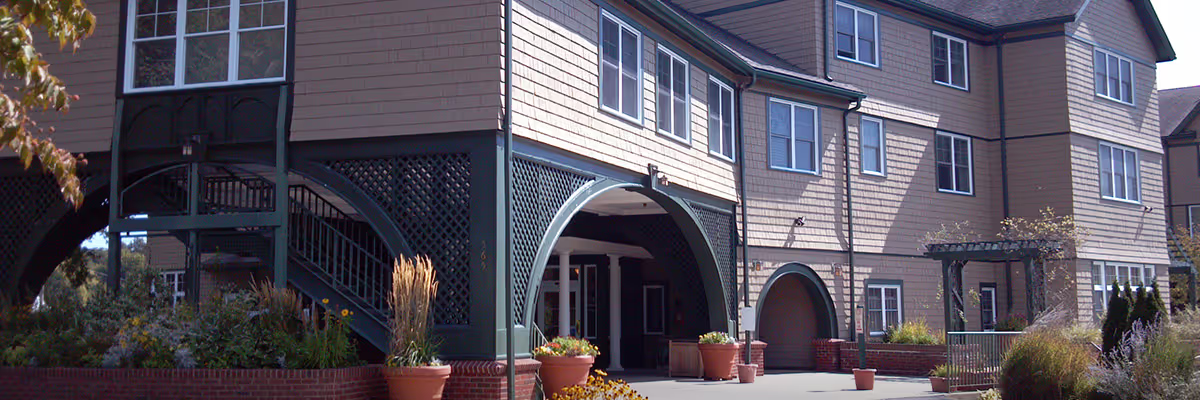
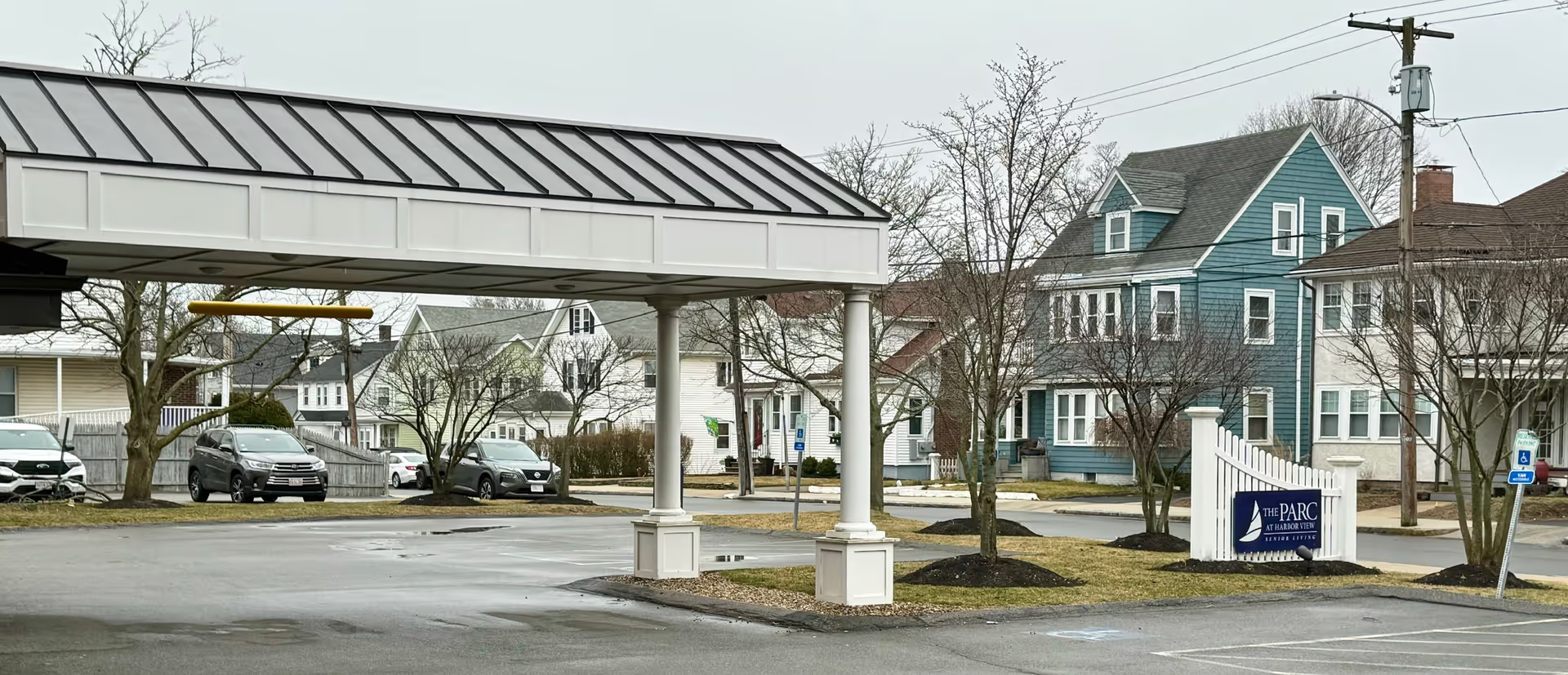
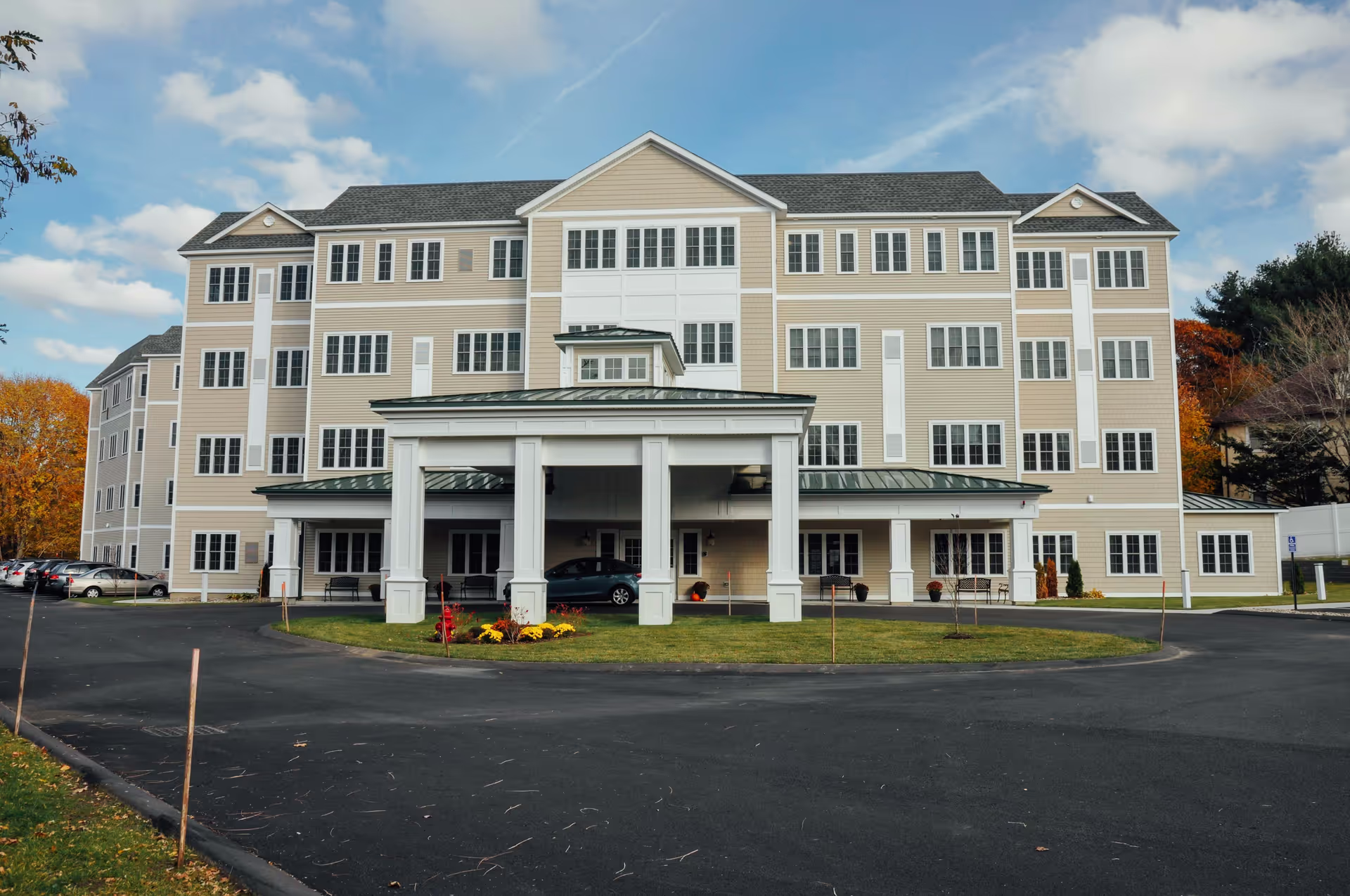
Reviewers present a mixed and highly polarized picture of care quality at this facility. Positive comments describe individual caregivers and units that provide attentive, compassionate service—families credited nursing and rehabilitation staff with helping patients recover after surgery, and activity staff were noted for facilitating socialization in maintained common areas. Several named employees received praise for personal attention and for making residents feel safe during recovery. The site’s location, parking and outdoor spaces are frequently regarded as convenient and pleasant.
However, a substantial number of reviews describe operational and clinical concerns that affect perceived overall quality. The most common themes are inconsistent staffing levels and variability in staff professionalism and responsiveness. These staffing issues are associated with delays in attending to residents’ needs, inconsistent assistance with toileting and personal care, and reported lapses in medication administration. Reviewers also describe instances suggesting gaps in clinical skill for wound management and memory-care needs; families specifically raised concerns about the facility’s suitability for residents with cognitive impairment.
Facility condition and infection-control issues are recurring themes. Multiple comments point to aging infrastructure, deteriorating furnishings, mold or ceiling problems in bathrooms, overflowing waste in rooms, and pest-control concerns. Cleanliness and sanitation were described as inconsistent across units—some families reported orderly, clean areas, while others reported sanitation deficiencies. These environmental concerns are often cited alongside reports of missing or mishandled personal belongings and weaknesses in property-inventory controls.
Communication and administrative processes are another area of concern. Families cited weak or delayed communication from nursing leadership, therapy, and case management, as well as lengthy or inefficient discharge paperwork. Complaints about billing, perceived high costs, and limited transparency about charges also appeared. Conversely, some reviewers noted responsive management and an accessible head nurse who improved their experience.
Dining and activities show mixed feedback. Activity offerings and opportunities for socialization receive positive remarks, while food quality and meal assistance are described as inconsistent; some residents reportedly need more help making meal choices. Rehabilitation and therapy services were praised in several accounts for supporting recovery, but others reported delays in starting rehab or issues coordinating care.
Notable patterns: experiences are highly variable—several families describe compassionate, competent care and a supportive recovery environment, while others describe systemic problems that pose risks to resident safety and comfort. Given the polarized feedback, prospective residents and families should prioritize direct observation and targeted questions during a tour: ask about staffing ratios and turnover, memory-care expertise, medication administration protocols and reconciliation, infection-control and pest-management practices, property-inventory procedures, and how the facility handles family communication and discharge coordination. Additionally, inquire about recent corrective actions for infrastructure and sanitation issues and request references from current or recent families to help assess consistency of care.