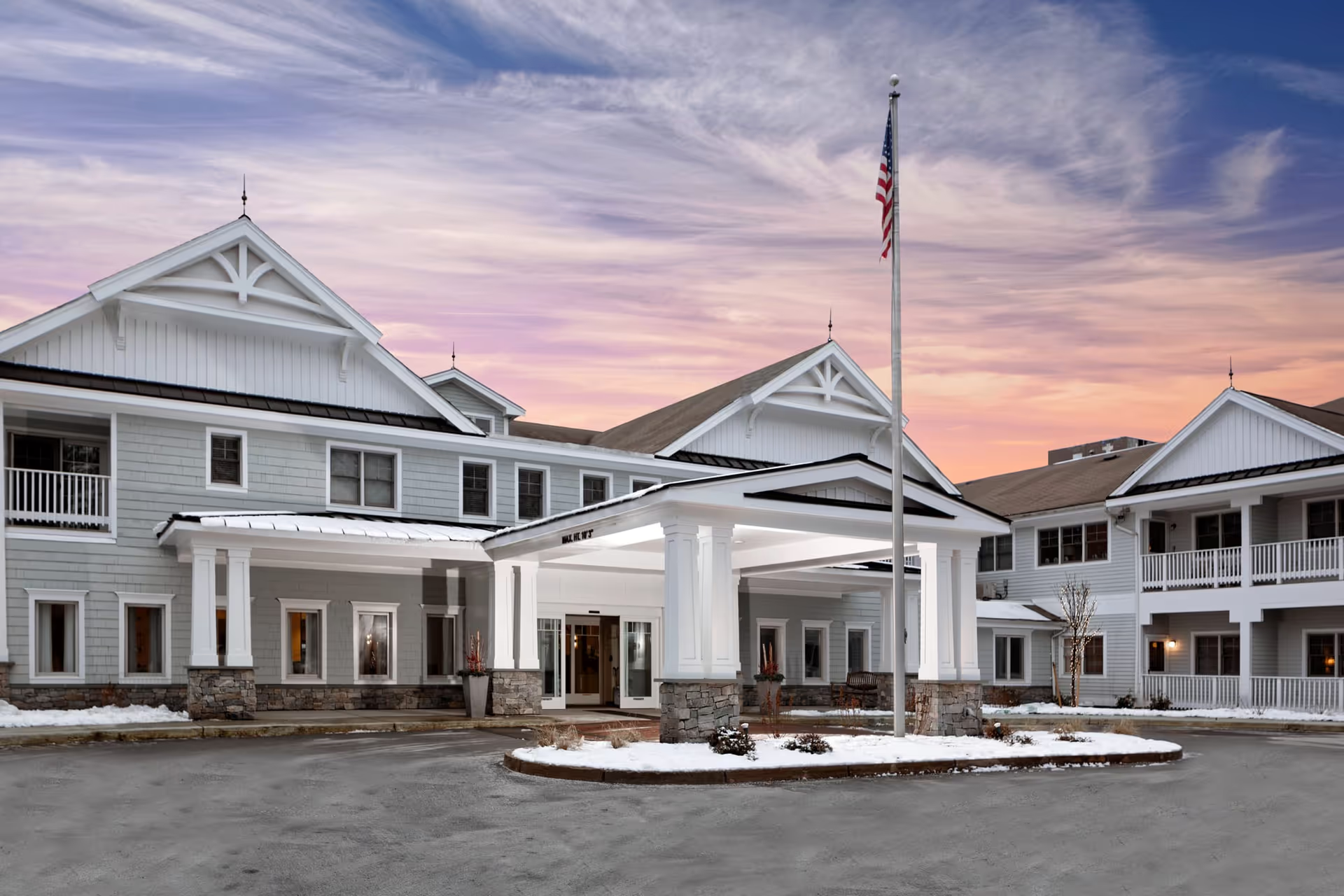
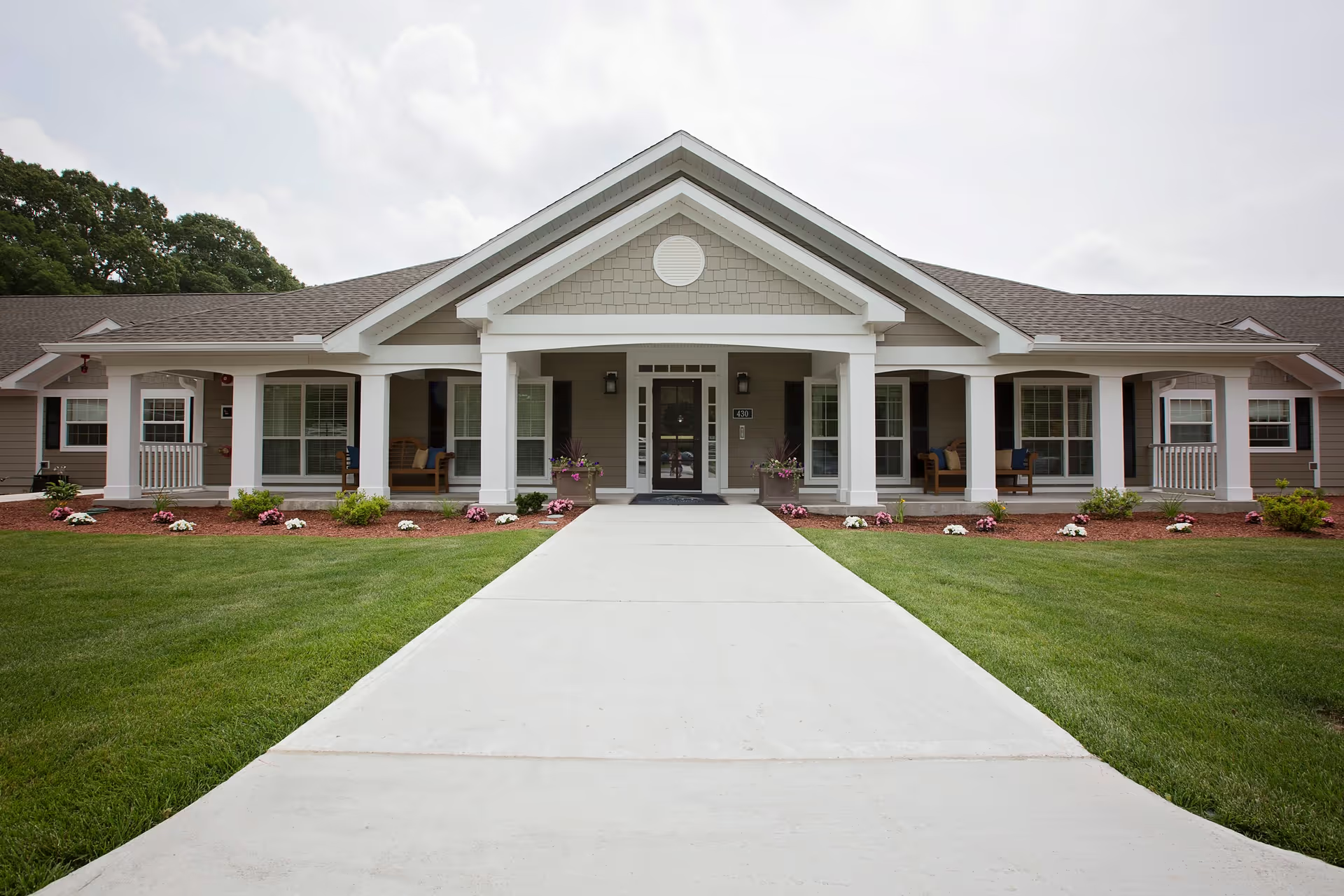
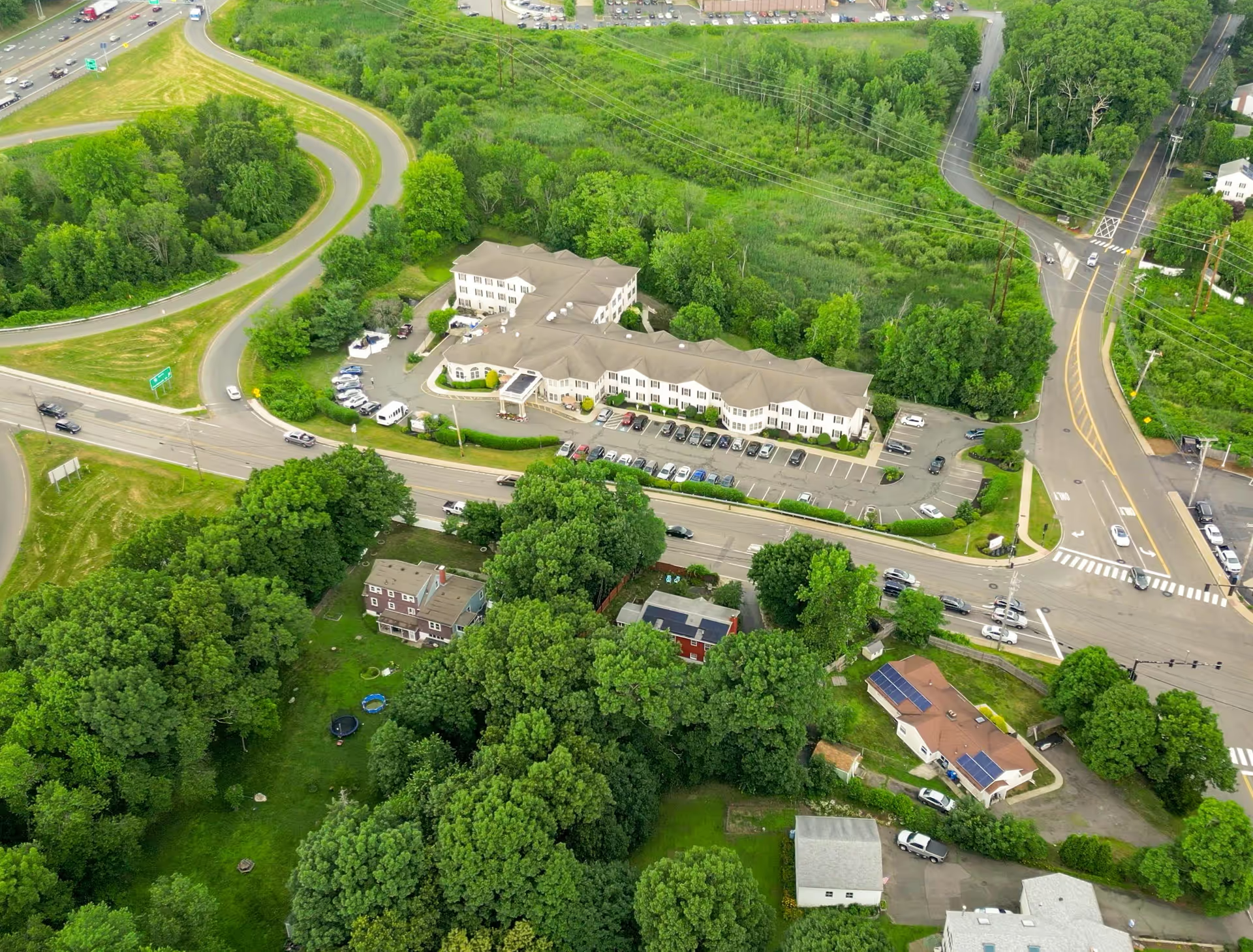
Leland House presents a mixed picture across reviews. On the positive side, multiple comments emphasize a warm, community-oriented environment supported by welcoming and caring staff. Housekeeping is noted as a regular service, and dining is described as consistent and adequate. Activities programming appears to be a clear strength — several mentions of an active social director and engaging offerings suggest residents have access to organized social and recreational options. Outdoor spaces and the older building’s home-like character (mature willow trees and an attractive front yard) are frequently highlighted as pleasant features for residents and visitors.
Care-quality impressions are mixed. Many reviewers praise direct-care staff for being attentive and compassionate, but there are also serious concerns around continuity of care when residents experience acute health events (for example, hospitalizations or falls). Those concerns center on how the facility manages transitions back to the community and how it communicates with families about clinical incidents. Reviewers’ accounts indicate potential gaps in incident response protocols and in family notification or follow-up, which can affect perceived reliability of care during and after acute events.
Management and policy issues are the most prominent recurring pattern of concern. Several reviewers described abrupt or poorly communicated discharges; taken together, these comments point to restrictive discharge and tenancy practices and unclear long-term housing assurances. There are also perceptions of inconsistent management transparency, particularly around decisions that affect residents’ continuing residency. Prospective residents and families should clarify the facility’s written tenancy policies, discharge criteria, required notice periods, and how the community handles transitions after hospital stays or falls.
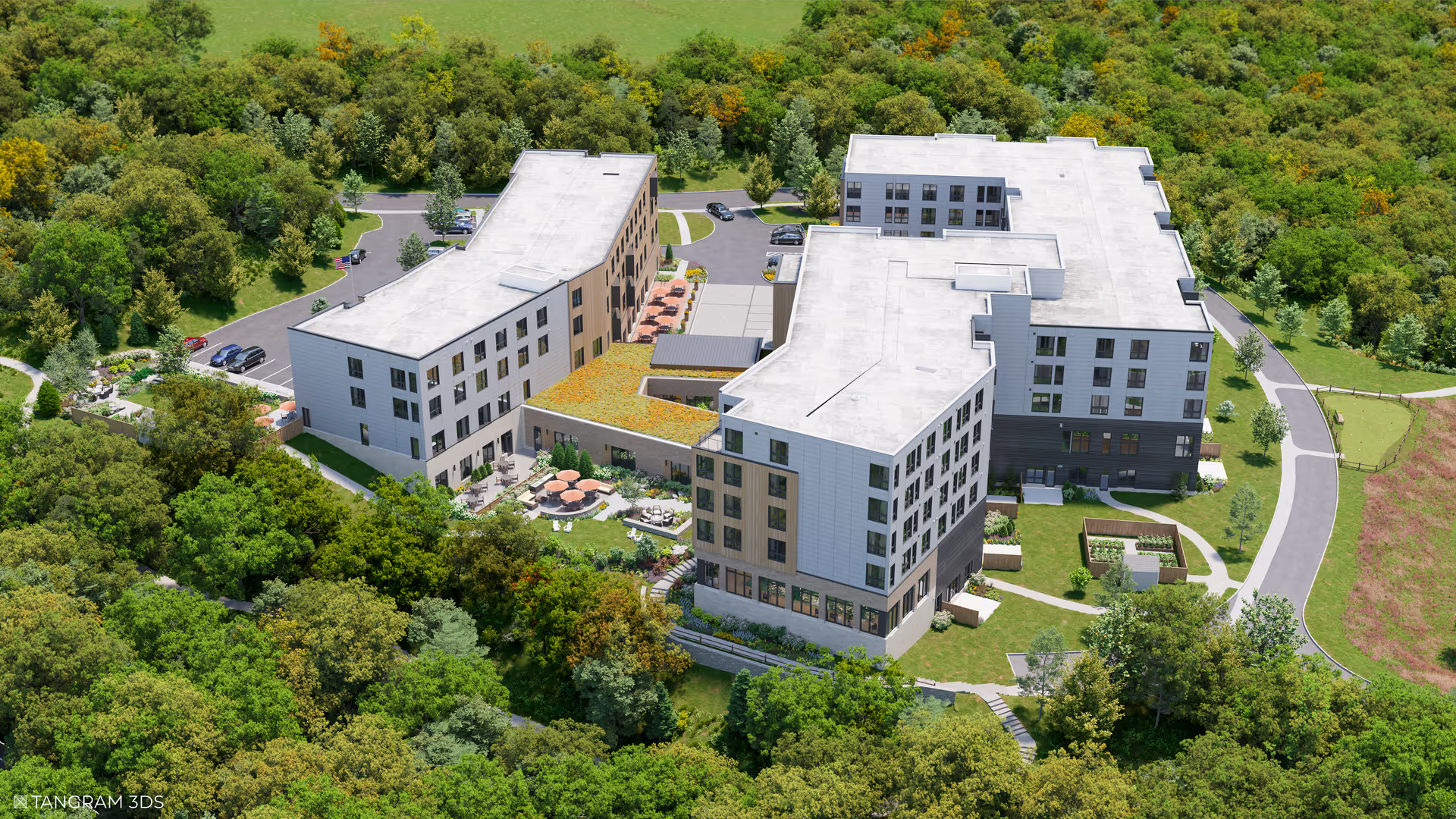
Facility condition and design elicit mixed responses. The older building is frequently described as comfortable and aesthetically pleasing, while the newer building’s appearance and design elements (including small windows in some units) were criticized by some reviewers as less residential in feel. Visitors should tour both buildings to assess unit layouts, natural light, and the overall aesthetic that will be experienced daily.
In summary, Leland House appears to offer a supportive, active community with strengths in staff engagement, housekeeping, dining, and social programming. However, recurring concerns about discharge practices, communication around clinical incidents, and management transparency warrant careful inquiry during the touring and decision-making process. Families should ask specific questions about tenancy agreements, read the resident handbook for discharge policies, request examples of how the community handles post-hospital transitions, and compare living spaces in both the older and newer buildings before committing.