The reviews present a facility with substantial variability in performance: some families and residents describe attentive, skilled care from specific individuals and departments (notably nursing leadership, a resident ambassador, and the rehabilitation team), while a substantial portion of accounts raise operational and environmental concerns. Strengths most often cited include knowledgeable nursing leadership, effective PT/OT rehabilitation services, helpful laundry and housekeeping staff, and a culturally diverse, welcoming atmosphere. These positive elements are frequently tied to particular staff members who families felt went above and beyond.
Clinical care and staffing are described unevenly. Praise for certain CNAs, nurses, and therapists coexists with repeated descriptions of inconsistent staffing levels, especially overnight, and delayed responses to call bells and alarms. Reviewers indicate gaps in feeding assistance and personal-care routines, and several accounts raise concerns about medication management and reconciliation processes. There are also reports of delayed escalation to emergency services and inconsistent family notification when clinical events occur, creating concerns about continuity of care and clinical oversight.
Dining and nutrition issues recur as a distinct theme. While some residents and families complimented meal options and kitchen staff, others reported spoiled or improperly stored meals and overall inconsistent food quality. These statements point to weaknesses in food-safety, storage, and meal-service continuity rather than uniform kitchen performance.
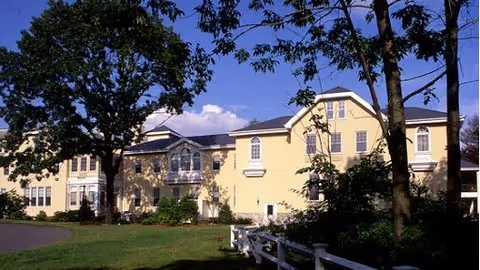
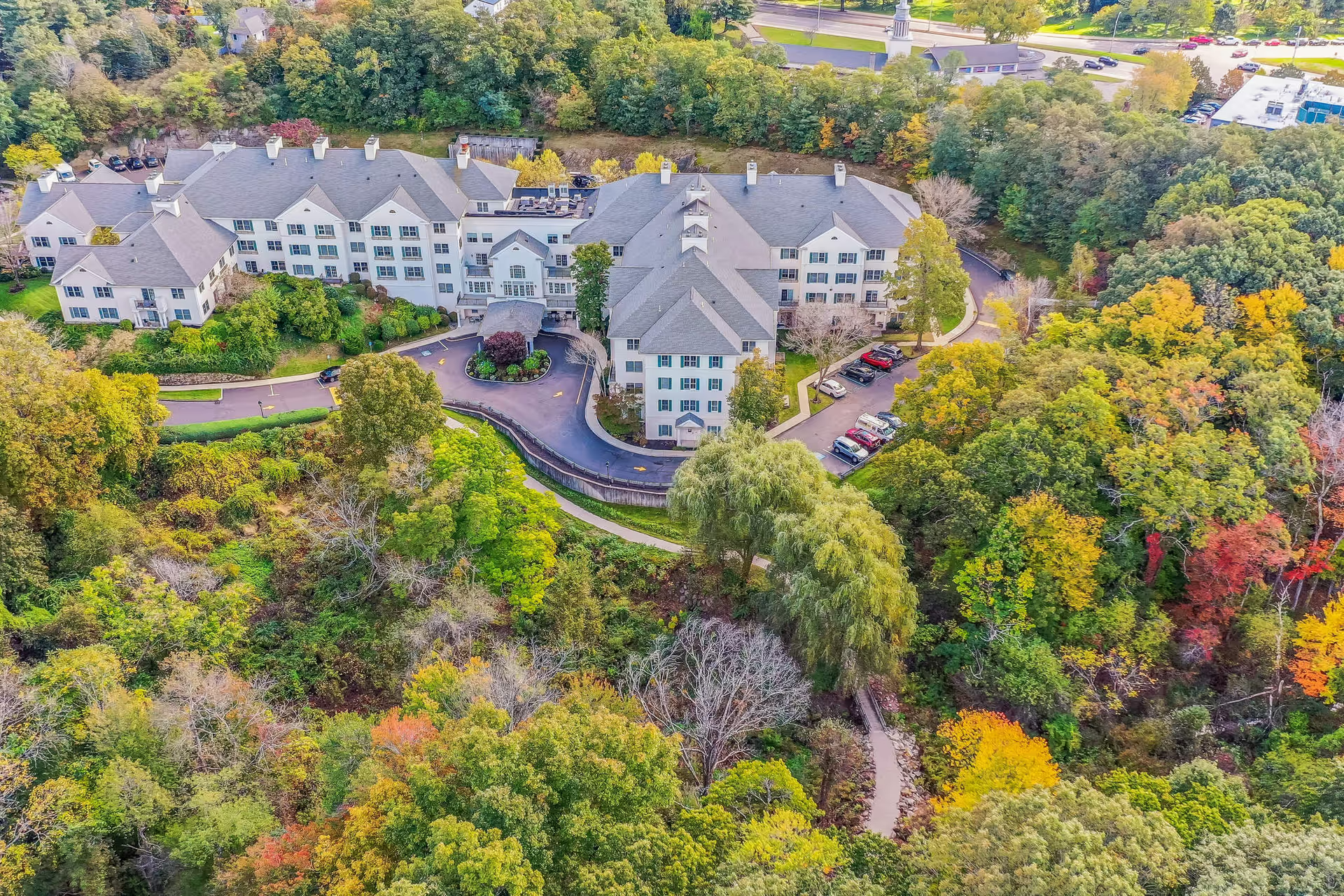
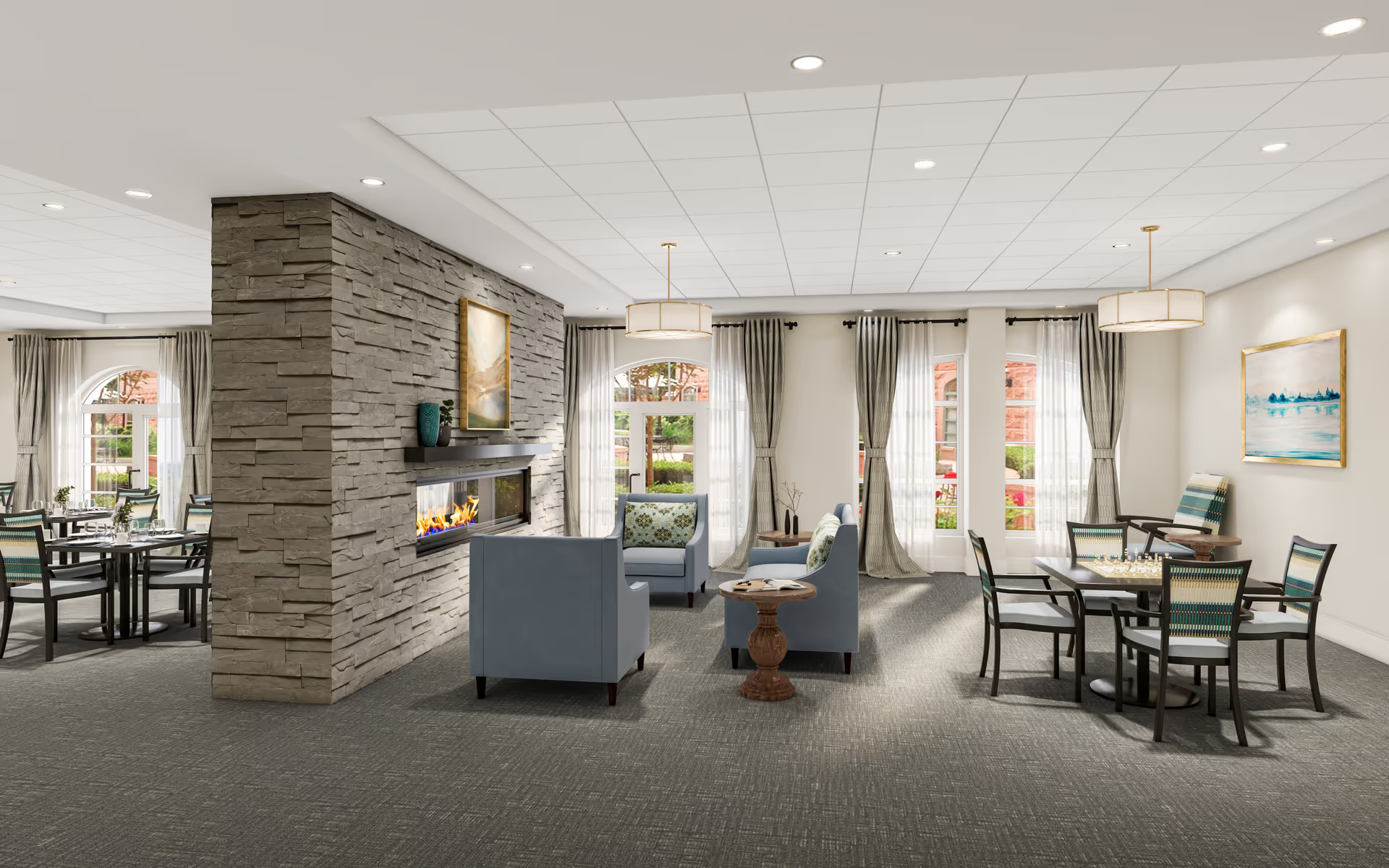
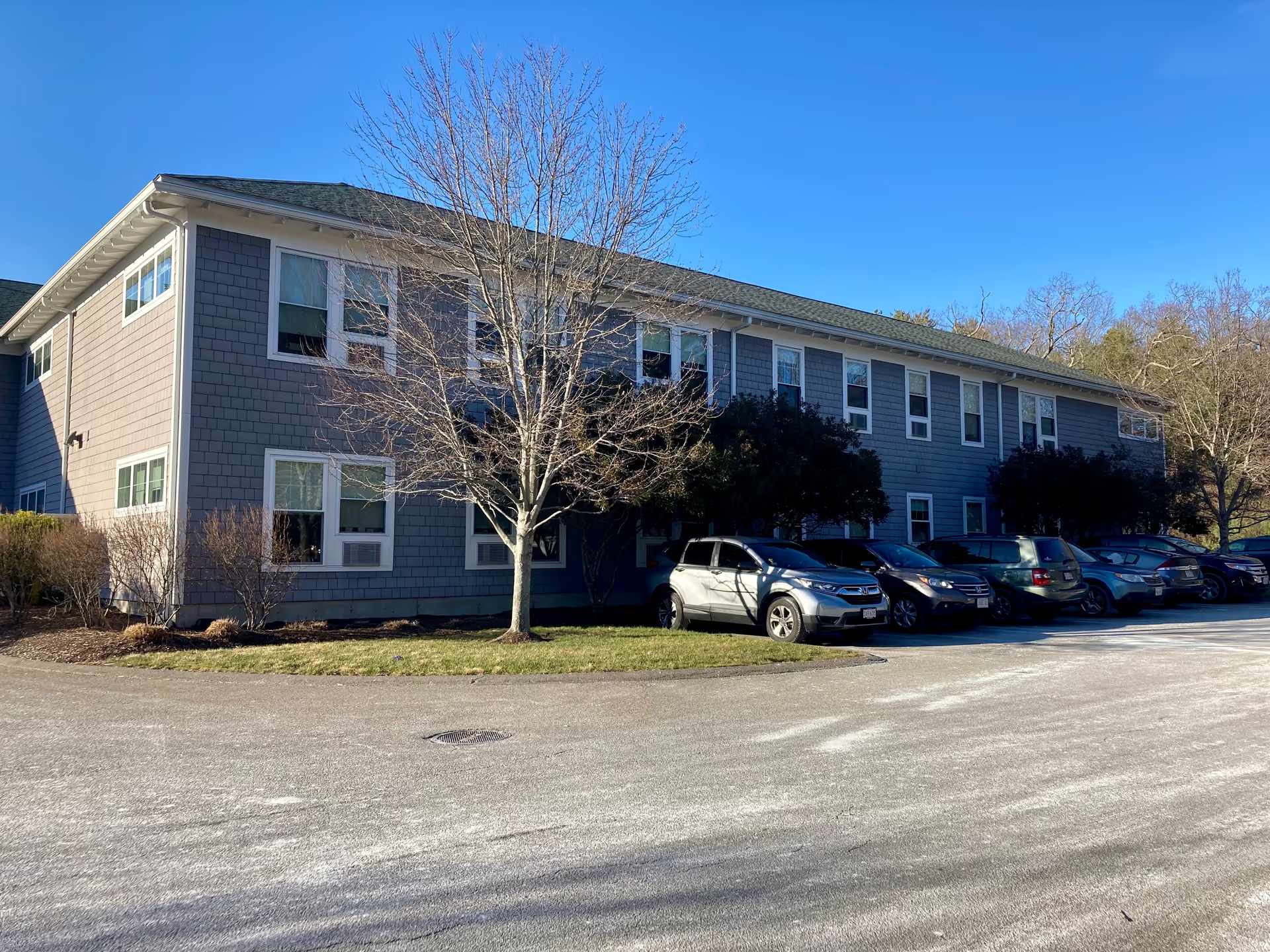
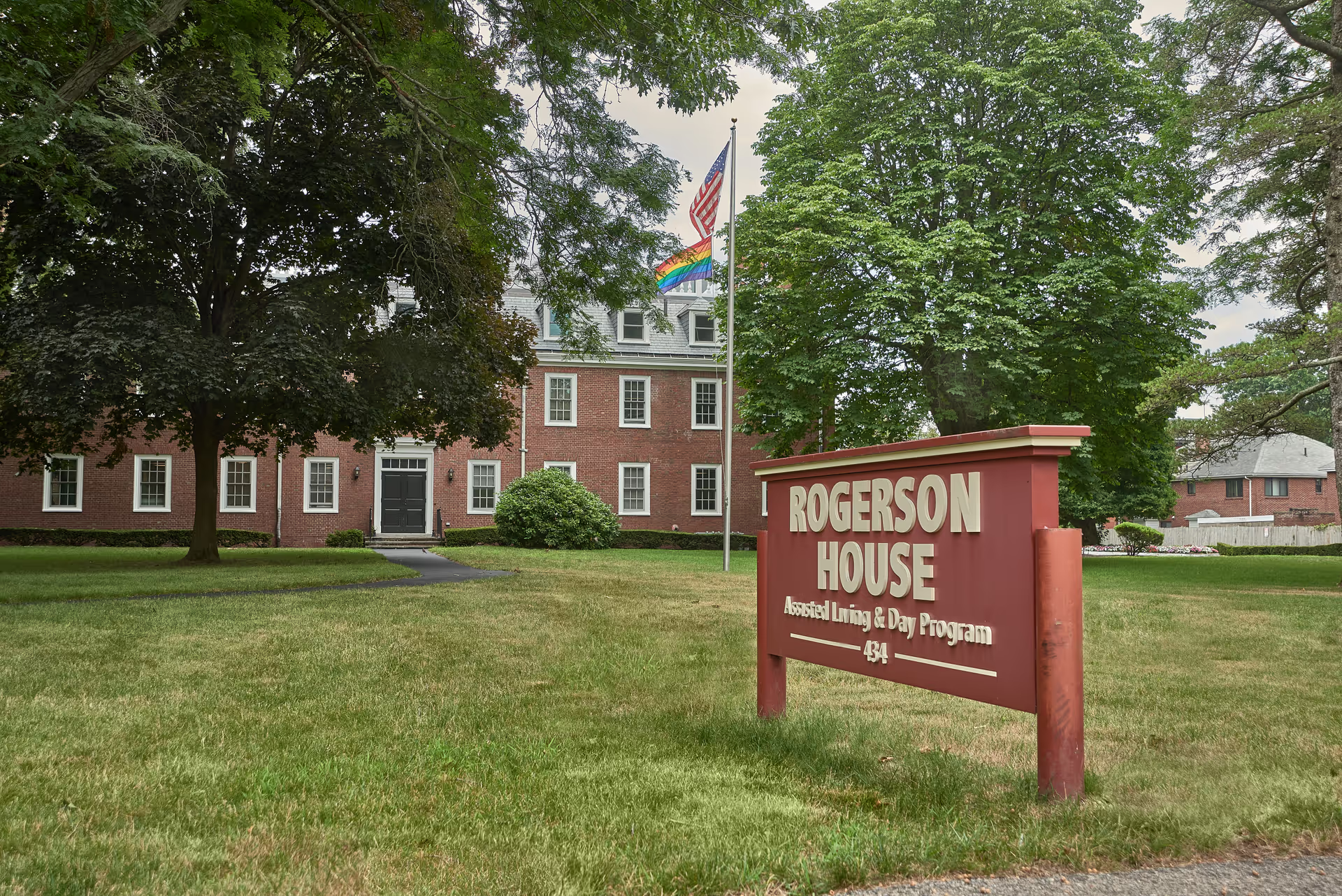
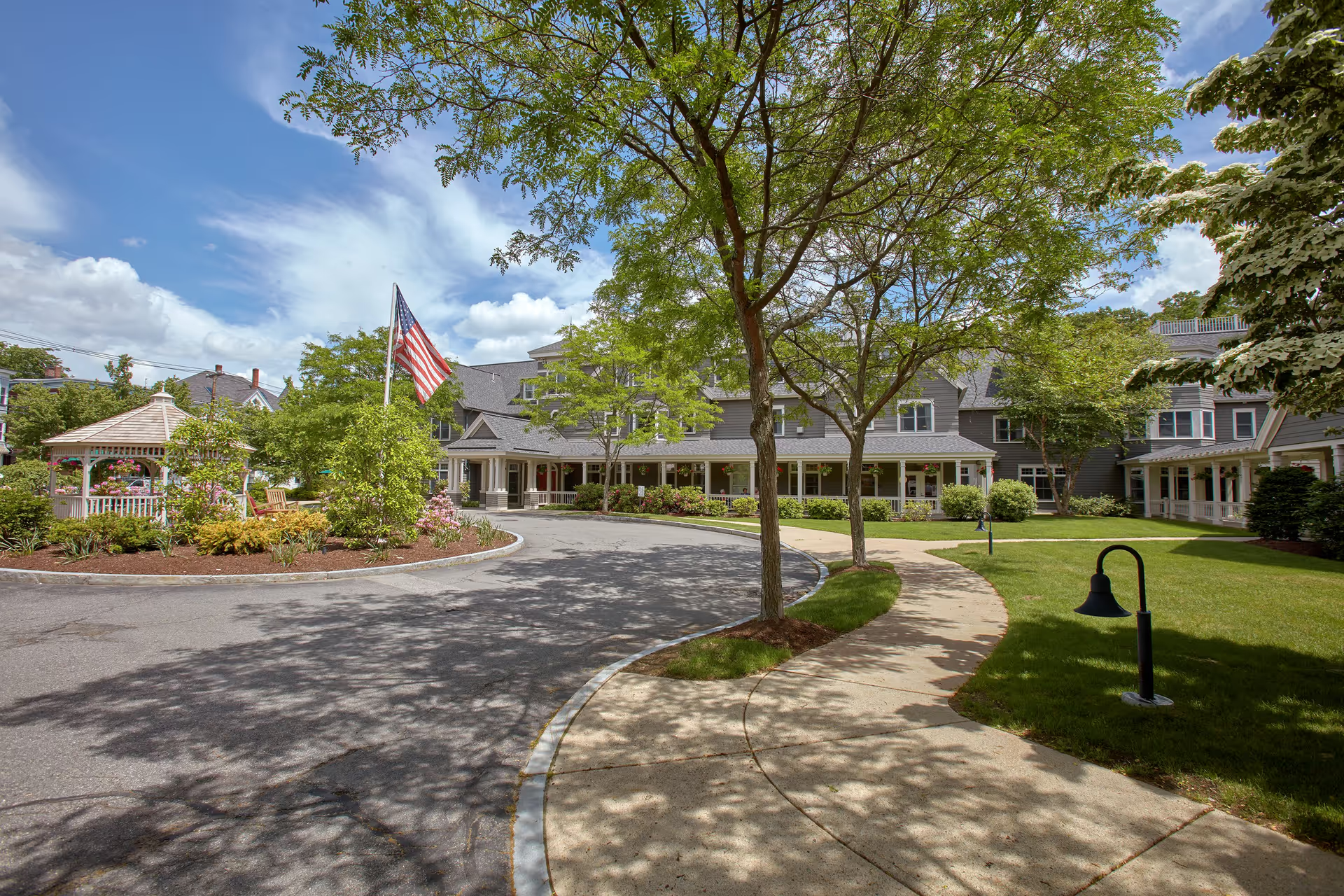
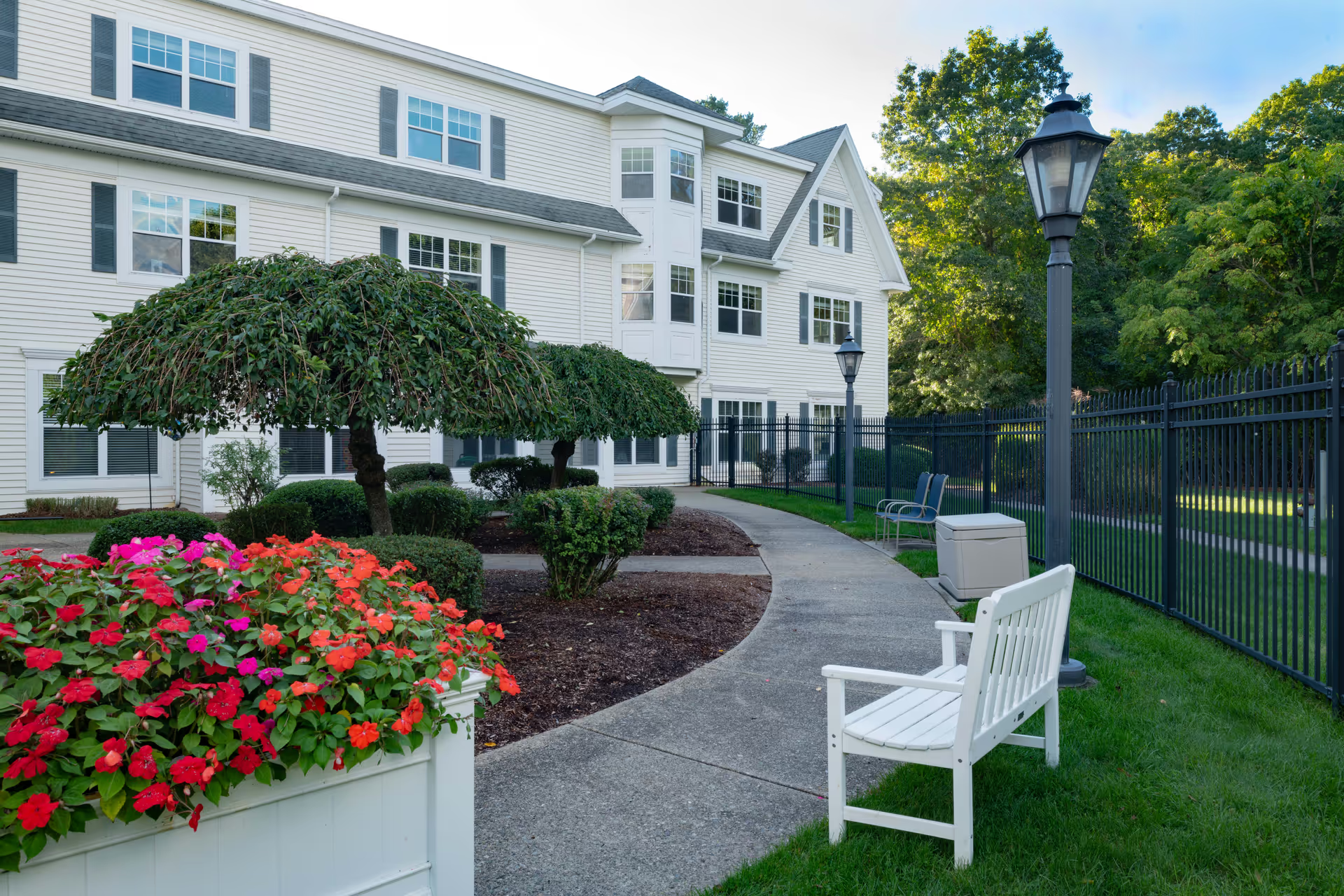
Facility environment and maintenance are frequent areas of concern. Reviews indicate sanitation and odor concerns in some areas, pest-control concerns, problems with heating/cooling, structural vibration when heavy vehicles pass, and intermittent room-level maintenance issues. Limited private-room availability, shared bathrooms in some configurations, and restricted options for personal-display or in-room personalization were also noted as affecting resident comfort and privacy.
Management, communication, and organizational stability show mixed feedback. Some reviewers praise responsive administrators and a hands-on director of nursing; others report frequent management turnover, inconsistent policy enforcement, and poor communication from case managers. Several families described difficulties coordinating care transitions, arranging supervised outings, or receiving timely updates about clinical changes. These themes suggest variability in unit-level leadership and care-coordination processes.
Notable patterns across the reviews include a clear split between well-regarded individual staff and systemic operational weaknesses. The most consistent facility-level issues are inconsistent staffing and responsiveness, cleanliness and pest-control problems, food-safety and meal-service gaps, medication-management concerns, and limits on privacy and supervision. There are also isolated but serious accounts raising concerns following a resident's death and other adverse outcomes; these warrant direct inquiry by prospective families.
For prospective residents and families, an in-person tour with targeted questions is advisable: ask for current staffing ratios, overnight coverage plans, infection-control and pest-control documentation, medication-safety procedures, meal-storage and temperature-control policies, private-room availability, and examples of how the facility communicates clinical changes to families. Also inquire about the facility's recent leadership changes and corrective actions taken to address sanitation, maintenance, and care-coordination shortcomings. The facility shows pockets of strong, compassionate care but also operational risks that should be evaluated directly before placement.