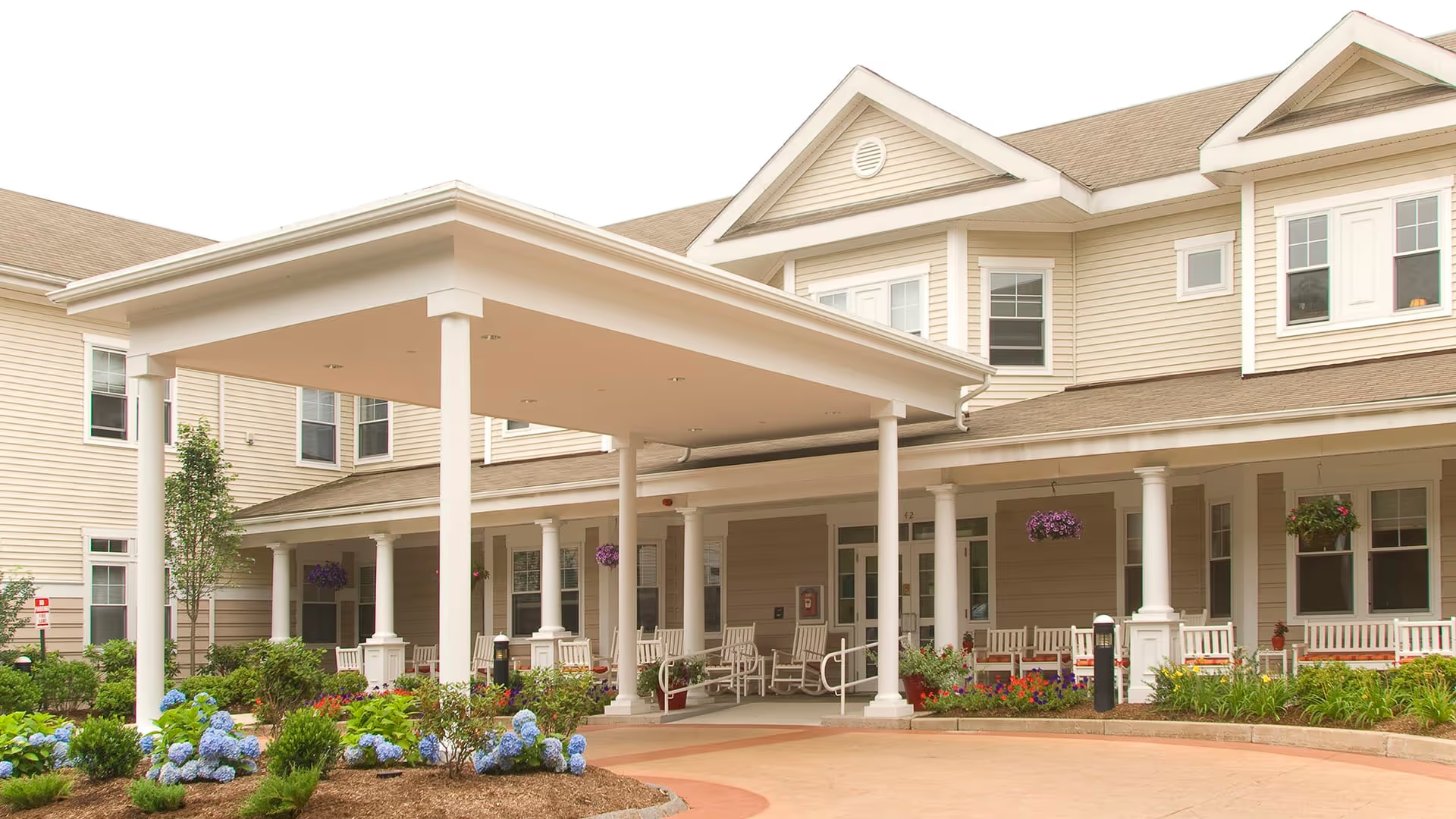
CareOne at Wilmington elicits a strongly mixed set of impressions. Many families and patients describe attentive, compassionate caregivers, strong therapy teams, and a clean, well-kept campus that supports effective short-term rehabilitation and timely returns home. Therapy (PT/OT) is frequently singled out as a facility strength: programs are available six days a week, therapists are described as knowledgeable and patient, and measurable rehabilitation outcomes are commonly noted. Ancillary departments — dietary, housekeeping, maintenance and laundry — are also often praised for their responsiveness and contribution to a comfortable stay.
At the same time, a recurring operational pattern raises concern. Staffing levels are described as inconsistent, which reviewers link to long call-button response times, delayed assistance with basic needs, and missed medication rounds. Several accounts describe delays in medication administration compounded by lack of an on-site pharmacy, and others describe instances where clinical monitoring and escalation did not occur promptly. These themes point to gaps in staffing allocation, medication workflows, and clinical-response protocols that can affect resident safety and family confidence.
Cleanliness and conduct comments are mixed: many guests praise a tidy, odor-free environment and helpful aides, while other accounts describe sanitation issues and inconsistent standards of conduct among some CNAs and nurses. Dining impressions are similarly variable — some residents report nutritious, well-liked menus and specific popular items, while others cite inconsistent meal quality and concerns about food handling. Activity offerings are present and engaging for some residents, but other families report limited programming or insufficient staff to support participation for more dependent residents.
Administrative processes and communications receive repeated attention. Positive notes include thorough admissions tours and instances of multi-department coordination for discharge and aftercare. Conversely, multiple families describe breakdowns in discharge coordination, last-minute room moves, delayed equipment deliveries, billing/refund delays, and lapses in management follow-through. Transportation errors and logistical miscommunications are also mentioned as recurring operational weaknesses.
Overall, the facility presents a contrast between high-performing clinical and therapy teams and operational weaknesses tied to staffing, medication logistics, communication, and consistency of bedside care. Prospective residents and families would benefit from targeted questions during a tour: inquire about current staffing ratios, call-response times, on-site pharmacy or medication delivery protocols, physician/PA coverage, discharge planning procedures, and specific sanitation practices. Observing a mealtime and speaking directly with the therapy team and nursing leadership can help clarify whether the facility’s strengths align with an individual’s care priorities.