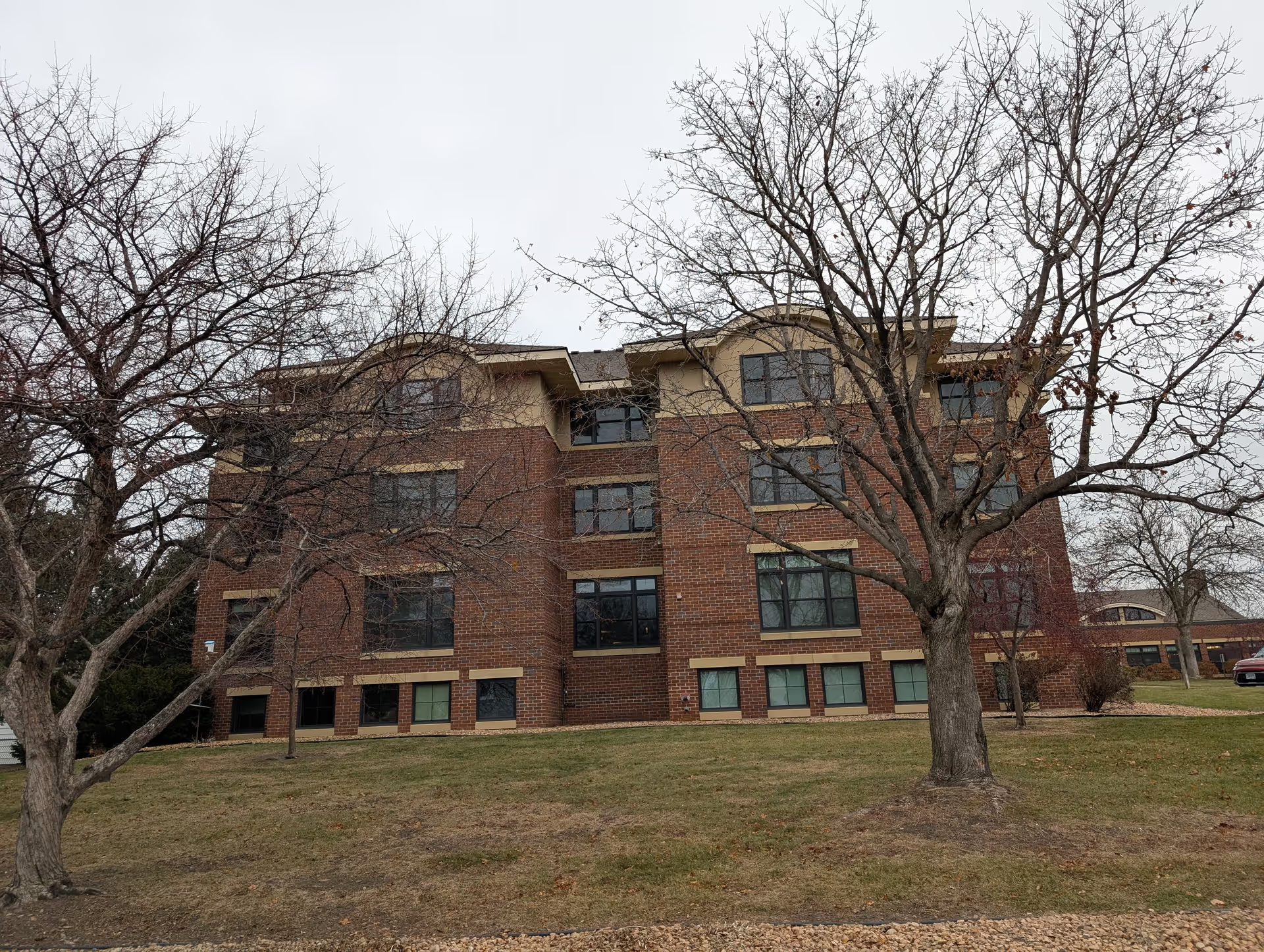
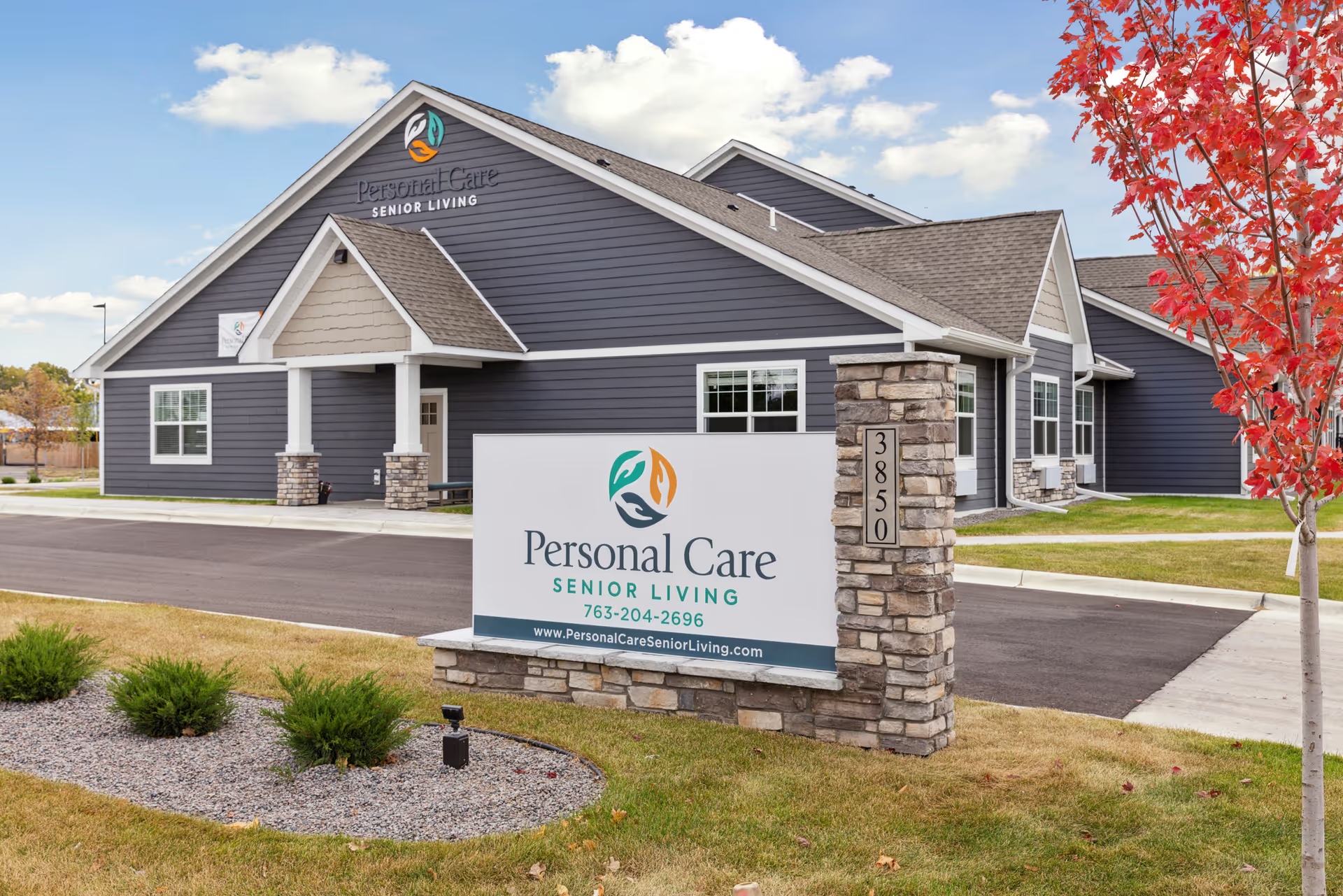
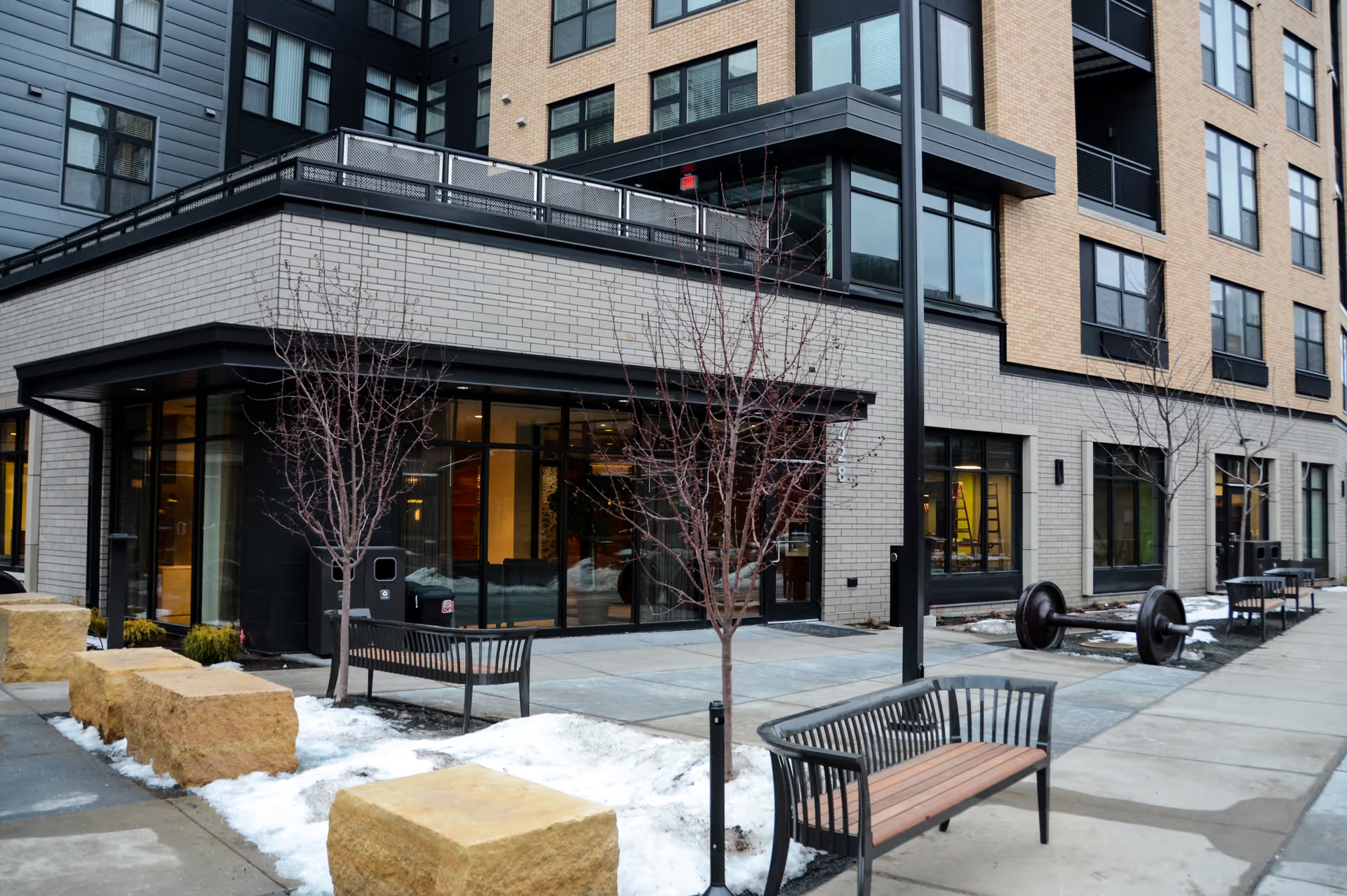
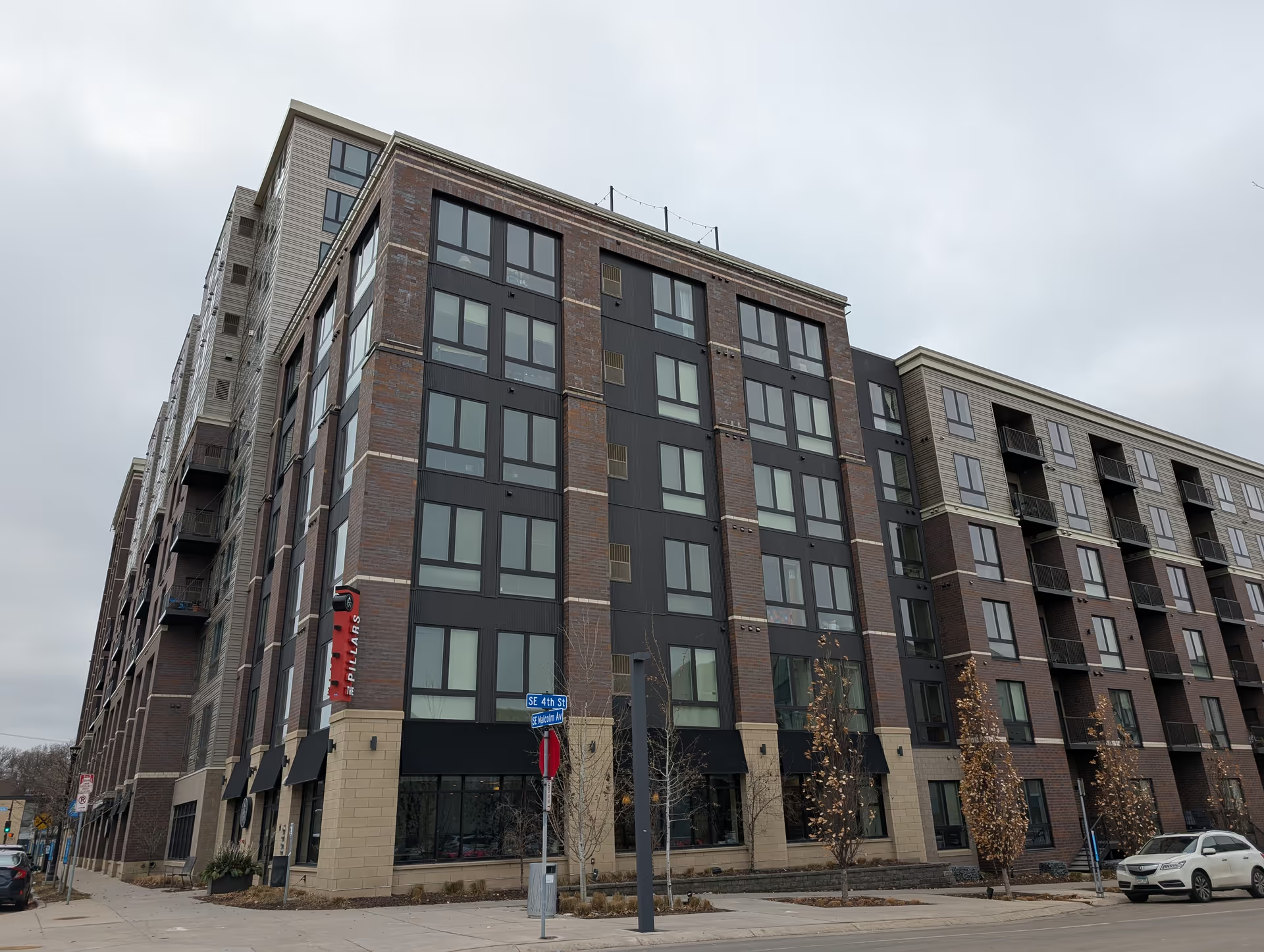
The reviews present a mixed picture: staff behavior and the facility’s location are cited as strengths, while operational and environmental concerns are prominent. Care delivery appears to include genuinely compassionate interactions from frontline caregivers, and the campus benefits from a park-adjacent location that may support outdoor access and a pleasant setting for residents. The facility also appears to offer short-term rehabilitation or brief stays, which may be appropriate for post-acute transitions.
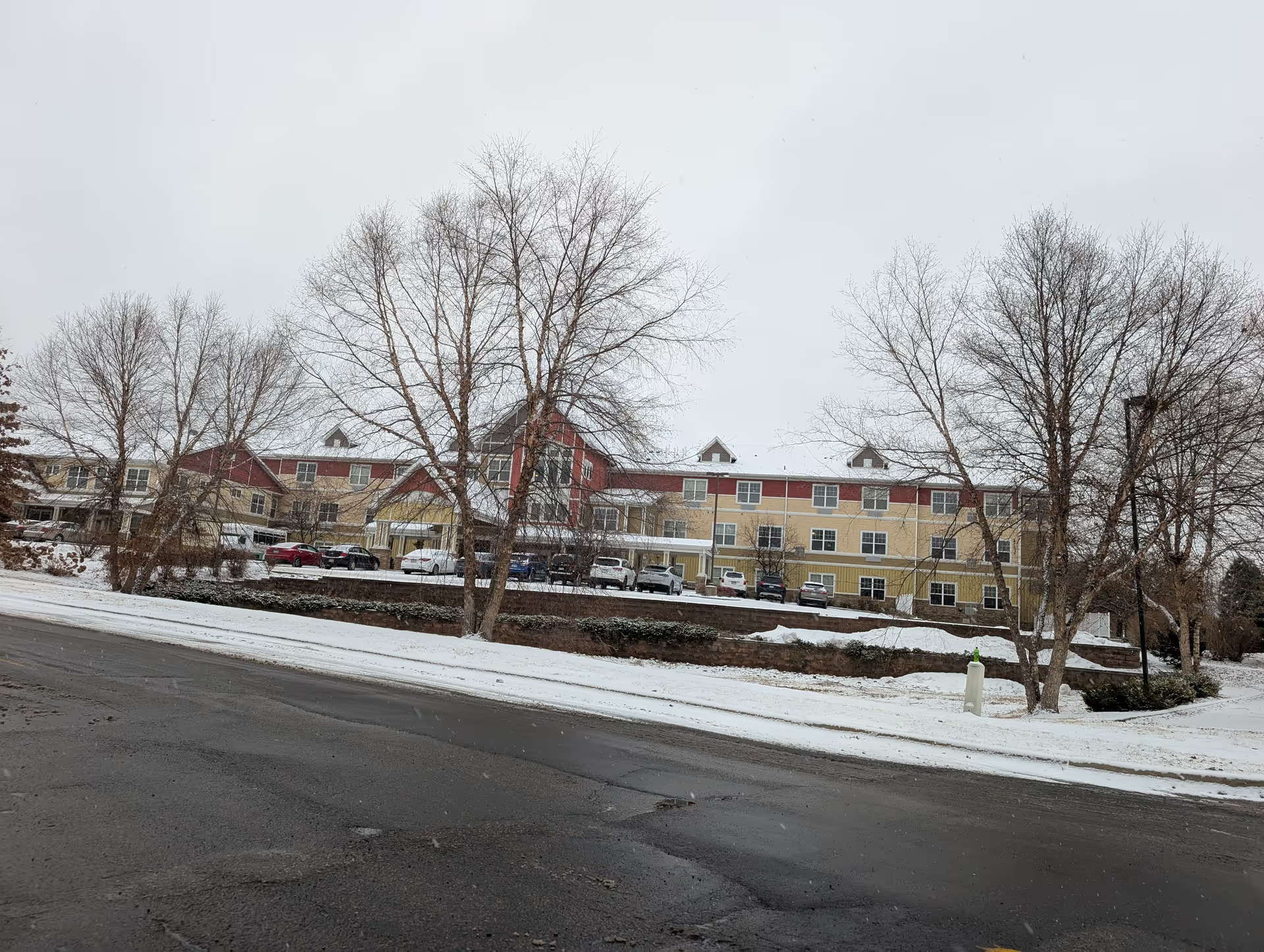
However, multiple operational weaknesses are evident. Several comments point to gaps in clinical assessment and timely escalation of medical issues, including instances where residents required return transfer to acute care. These suggest inconsistent clinical oversight, handoff procedures, or nursing assessment practices that prospective families should clarify when evaluating placement. Reviewers also identified cleanliness and sanitation concerns in resident areas and with serviceware; those issues, combined with descriptions of an older building, point to deferred maintenance and the need for capital improvements.
Resource constraints and management-level limitations are implied across the feedback. Characterizations of the facility as underfunded indicate constrained staffing levels, maintenance budgets, or supply availability, which can exacerbate both clinical and environmental shortcomings. Safety practices—particularly fall prevention and supervision in higher-floor areas—emerge as a notable pattern; the feedback indicates potential weaknesses in environmental safeguards and monitoring that merit direct inquiry.
There is limited information about dining quality, structured activities, or therapy programming beyond the short-stay rehab reference. The location near a park is a positive for recreational access, but families should ask management for specifics on activity schedules, therapy intensity for short-stay residents, dining menus and sanitation protocols, and how the facility tracks clinical outcomes and incidents.
For prospective residents and families: verify current staffing ratios, clinical credentials, and incident-response protocols; request documentation of sanitation procedures and recent inspection or maintenance records; tour resident areas (including higher floors) to assess safety features and cleanliness; and ask for details about the short-stay rehabilitation program, expected length-of-stay targets, and discharge/readmission rates. These targeted inquiries will help determine whether the facility’s caregiving strengths are supported by reliable clinical oversight and a safe, well-maintained environment.