Benedictine Living Community–New Brighton presents a mixed but distinctive profile: it is widely recognized for strong short-term rehabilitation and therapy capabilities, and many families highlight successful PT/OT/SLP outcomes that enabled discharge home. The therapy teams, wellness staff, and some administrative personnel receive frequent praise for effectiveness, coordination of rehab plans, and supportive discharge planning. The facility also offers an active calendar of activities, spiritual services, and a memory-care unit that many residents and families find engaging and home-like.
Staff quality appears uneven. Numerous accounts emphasize compassionate, attentive staff members, welcoming front-desk personnel, and standout employees who go above and beyond. At the same time, reviews identify variability in nursing and aide performance: delays responding to call lights, slower night- and weekend-shift coverage, inconsistent personal-care schedules, and occasional concerns about communication tone or conduct. These contrasts point to a staffing model that delivers high-quality care in many cases but exhibits reliability problems at other times.
Clinical and safety-related patterns merit attention. Therapy and some nursing practices are praised, yet reviewers also describe gaps in handoffs and documentation, medication administration inconsistencies, and at least one instance of incorrect discharge medication. There are recurring concerns about wound-care management and delays in arranging follow-up with specialists. Transfer safety and lift handling are both a noted strength (availability of equipment and training) and a source of concern where handling practices were perceived as inconsistent.
Dining and nutrition emerge as a frequent pain point. The dining room and service presentation are often described positively — a bright, well-staffed dining area — but many reviewers criticize food quality, limited healthy or protein-forward options, carbohydrate-heavy menus, repetition, and occasional food-temperature or spoilage issues. For families prioritizing therapeutic or cardiac-friendly diets, menu variety and nutritional balance may require discussion with facility staff.
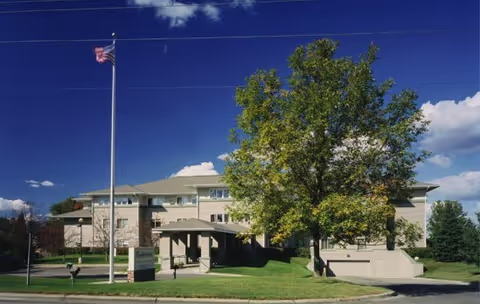
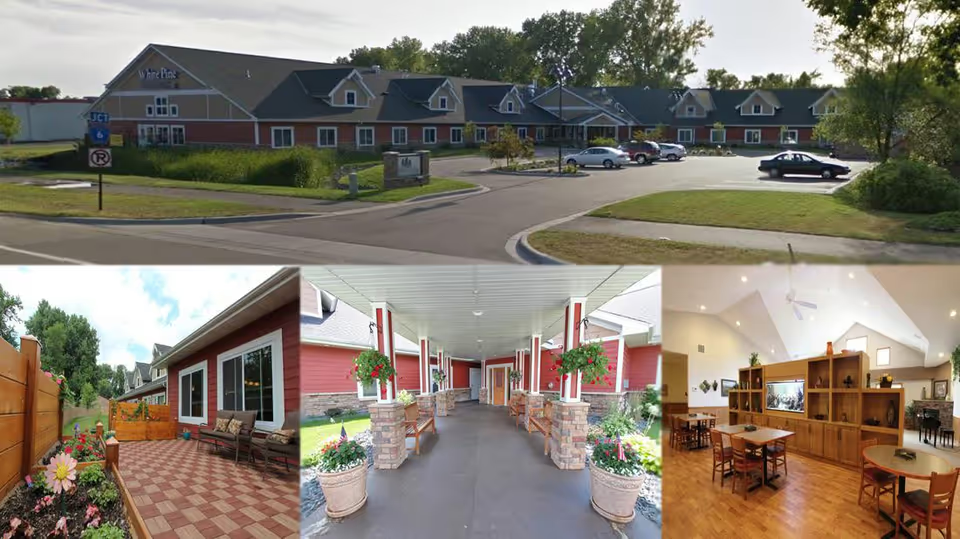
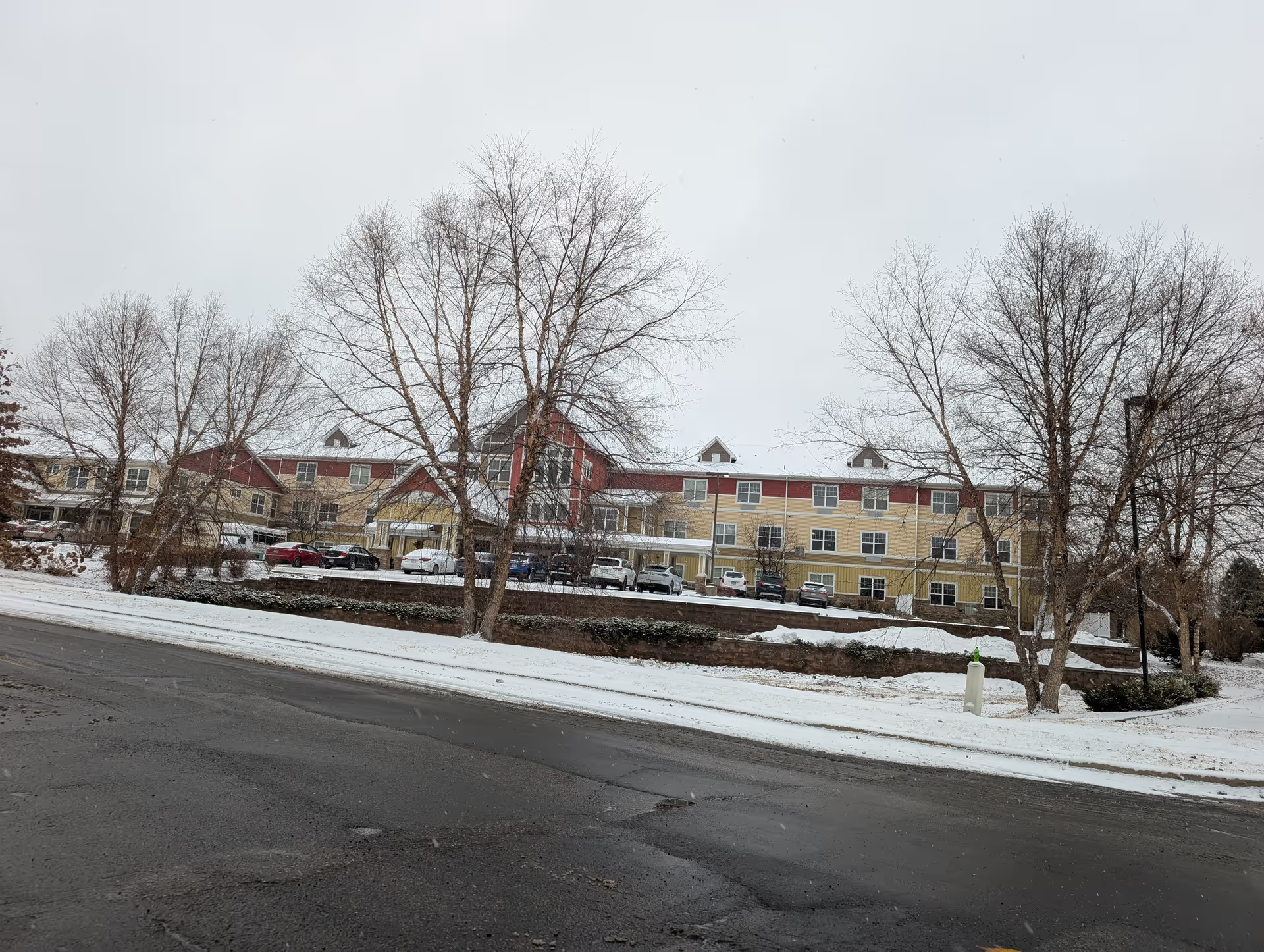
Facilities and environment are generally described as clean, bright, and well maintained despite an older building footprint. Reviewers note large rooms, wide hallways, ample parking, and a welcoming aesthetic in public areas. At the same time, there are isolated sanitation and maintenance concerns (for example, localized cleanliness or odor concerns, drapery/linen issues) and privacy/security observations related to shared bathrooms and door-handling practices that prospective families should evaluate during a visit.
Operational and management themes are mixed. Several families commend the admissions process, wellness coordination, and proactive administrators. Conversely, recurring operational weaknesses include shift-to-shift communication gaps, inconsistent documentation of appointments and care plans, laundry and belongings mismanagement, and uneven follow-up on complaints. A small number of reviewers described serious individual incidents and alleged misconduct or delayed emergency responses; these descriptions suggest the importance of asking the facility about complaint resolution processes, incident reporting, and regulatory oversight during a tour.
Overall, Benedictine Living Community–New Brighton is frequently recommended for short-term rehabilitation due to strong therapy outcomes and supportive rehab teams. For longer-term care, the pattern is more heterogeneous: the environment and activity programming are strengths, but families should assess nursing-staffing levels, continuity of care, wound and medication-management protocols, and dining options relative to their loved one’s clinical needs. Visiting in person, meeting shift staff, reviewing care-plan documentation, and clarifying escalation/communication procedures will help families determine whether the facility’s strengths align with their expectations and the resident’s level of care required.