Overall impression: Reviews for The Villas at New Brighton are highly mixed, with a pronounced split between families who describe positive, compassionate care and those who describe serious operational shortcomings. The dominant themes across feedback are chronic understaffing, inconsistent clinical practices, and facility maintenance issues. These patterns create widely variable family experiences: some report excellent rehabilitation and attentive nursing, while others describe prolonged delays in basic care and multiple system failures.
Care quality and clinical operations: Clinical concerns center on inconsistent medication practices, lapses in wound and post‑surgical management, missed or poorly coordinated dialysis and therapy appointments, and extended delays responding to call lights. There are repeated references to inconsistent bathing and hygiene scheduling and pressure‑injury prevention gaps. At the same time, individual clinicians—particularly certain nurses and therapy staff—are frequently praised for competent, compassionate care. The net picture is variability in clinical reliability rather than uniformly poor or uniformly excellent care.
Staffing, conduct, and communication: Staffing shortages and high turnover are recurrent themes and are linked to many operational problems (delayed assistance, inconsistent handoffs, and uneven adherence to care plans). Several reviews highlight helpful, resourceful social workers and reception staff as bright spots. However, families also report poor upward communication, difficulty reaching clinical leadership, delayed or unclear notifications about clinical changes and infection‑control notices, and instances of brusque or unhelpful interactions. These communication gaps extend to discharge planning, transportation coordination, and handling of insurance or billing paperwork.
Dining, activities, and therapy: Dining experiences are inconsistent—some families praise hot, fresh food and efficient service, while others describe cold meals, ignored dietary restrictions, or institutional‑quality offerings. Therapy services (PT/OT) and activity programming receive regular positive mention; when staffed and coordinated well, rehab and engagement appear to be strengths that contribute to recovery and resident satisfaction.
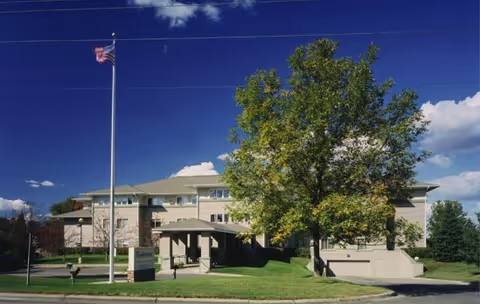
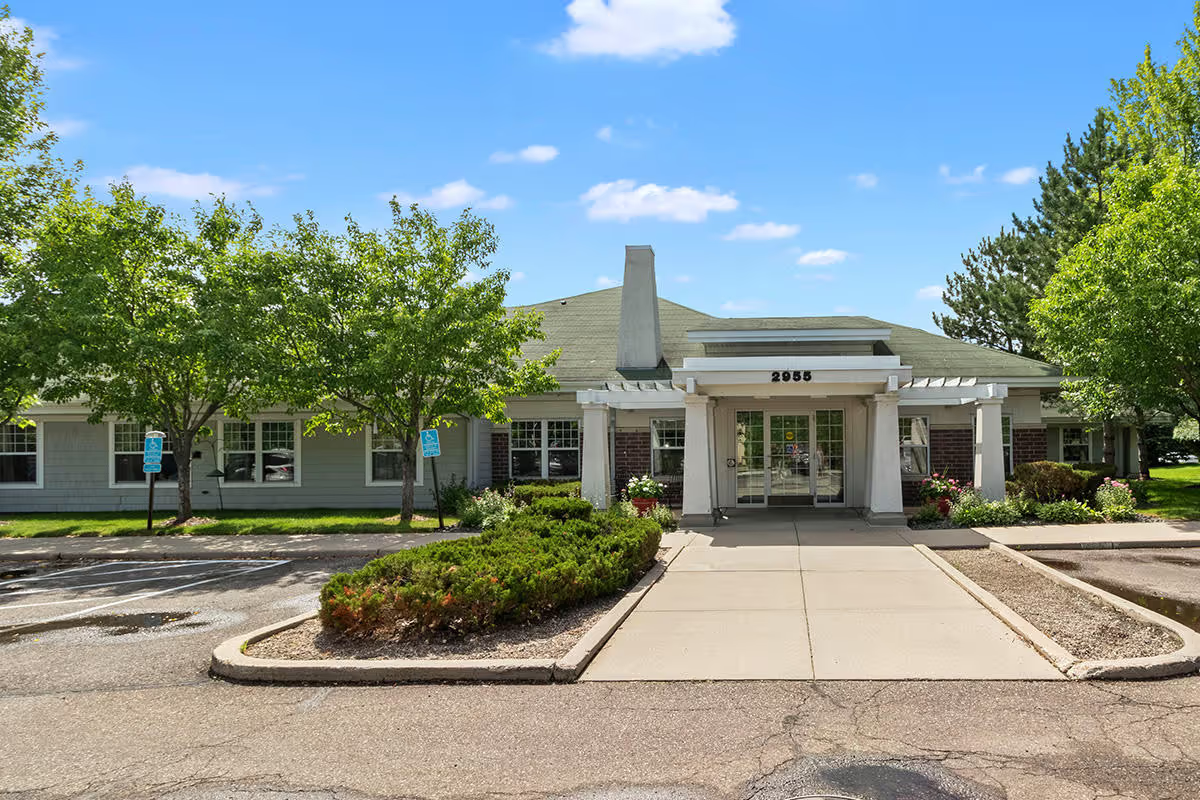
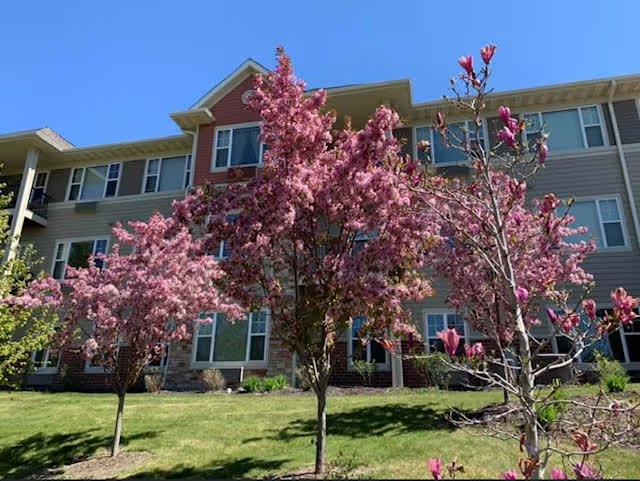
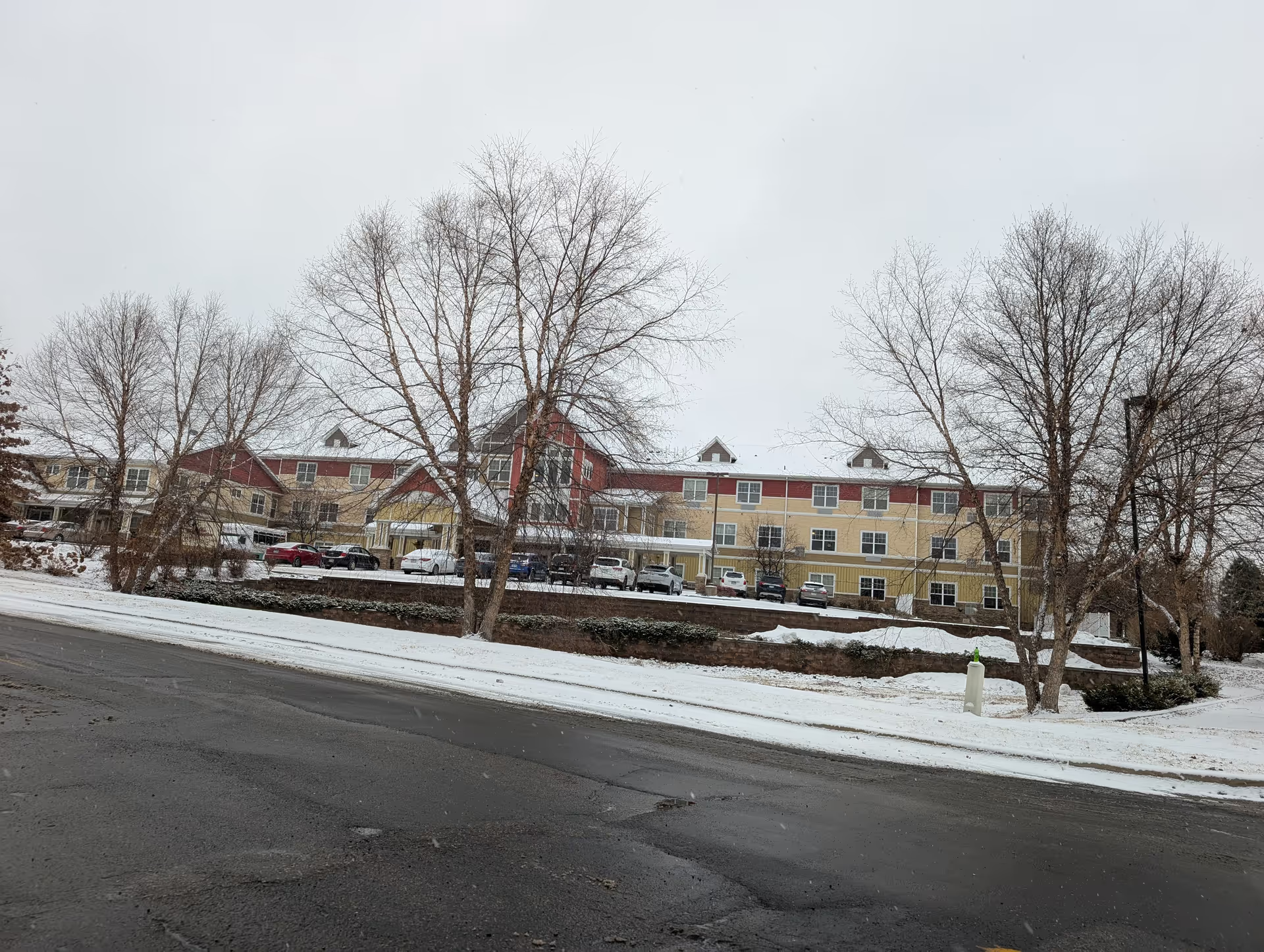
Facilities and management: The building is described as aging, with maintenance deficits such as peeling paint, holes in walls, exposed wiring, and intermittent HVAC or hot water issues. Sanitation and pest‑control concerns in rooms and communal spaces are frequently cited. Safety‑critical systems (nurse‑call buttons, wound‑care devices, oxygen supplies, and mobility equipment) are sometimes reported as non‑functional or poorly maintained. Administrative issues include billing disputes, delays in Medicare co‑pay processing, and confusion around insurance paperwork. A small number of reviews reference regulatory complaints and alleged incidents that involved law enforcement; these are serious outliers and underscore the importance of checking inspection records and regulatory history.
Notable patterns and guidance: The dominant pattern is variability driven by staffing reliability and management oversight. Prospective residents and families should expect that experiences may differ depending on unit staffing and current management practices. Recommended questions for a visit: current staffing ratios and turnover rates, wound‑care and medication‑management protocols, call‑light response times, bathing schedules, recent inspection reports and corrective actions, pest‑control measures, and clarification on billing/insurance procedures. When possible, seek references from recent or current families, meet the therapy team, and confirm any critical clinical capabilities before placement.