River Heights by Vivie elicits a mixed but clear pattern: many families praise the community’s life-enrichment program, on-site services, and physical environment, while others raise operational concerns that affect trust and perceived quality of care. Positive elements frequently mentioned include an active activities program, engaged life-enrichment coordinators, in-house dining with a rotating monthly menu, spacious and clean common areas, and available on-site therapy. Several reviewers also described smooth transitions for residents moving into assisted living and noted improvements attributed to post-merger leadership changes.
Care quality is reported as variable. Positive accounts describe attentive, empathetic Resident Assistants and individualized engagement; contrasting accounts describe inconsistent clinical follow-through and difficulties verifying that promised services were delivered. Specific clinical concerns raised include lapses in oxygen or other essential service delivery and delays in responding to care needs. These divergent experiences suggest that clinical reliability may depend on staffing levels, shift coverage, and family advocacy.
Staff culture and conduct show a similar split. Multiple reviewers commended long-tenured and caring staff, responsive frontline employees, and a capable environmental services director. At the same time, there are reports of disrespectful interactions, weekend staffing gaps, and variability in staff training and performance. There are also serious claims of staff misconduct, including alleged theft and problematic incident response; such claims point to vulnerabilities in personnel oversight and security procedures and warrant direct inquiry by prospective families.
Dining receives generally favorable comments for in-house preparation, meal flexibility, and enjoyable dishes; some residents and families said they would miss the food. However, other evaluations flagged menu repetition (for example, recurring desserts) and occasional inconsistencies in meal quality. Prospective residents should sample meals and ask about menu rotation and accommodations for dietary needs.
Activities and social life are highlighted as strengths where life-enrichment staff are active and creative. Reported offerings include planting, bingo, game rooms, outdoor activities, and coordinated programs that engage residents. That said, the community appears to have fewer dedicated amenity spaces than some peers—reviewers noted the absence of a dedicated art room or exercise room and an overall quieter atmosphere that may not suit everyone.
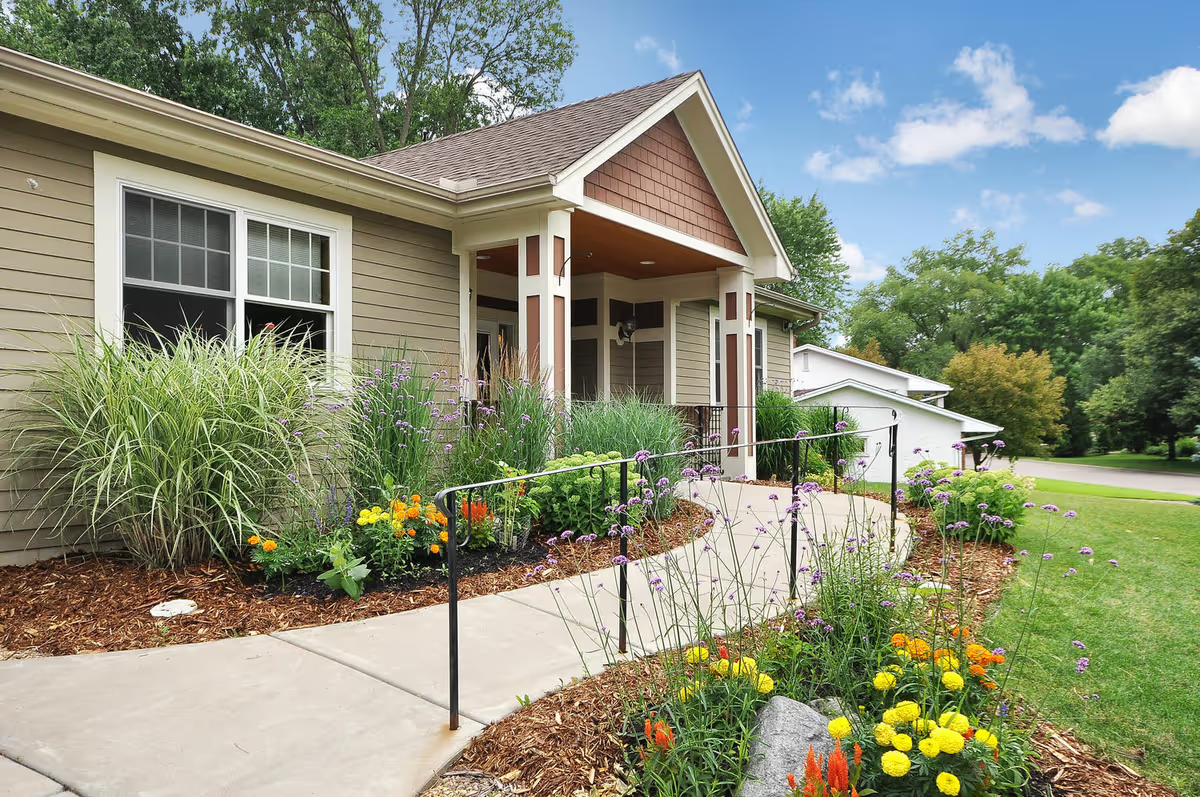
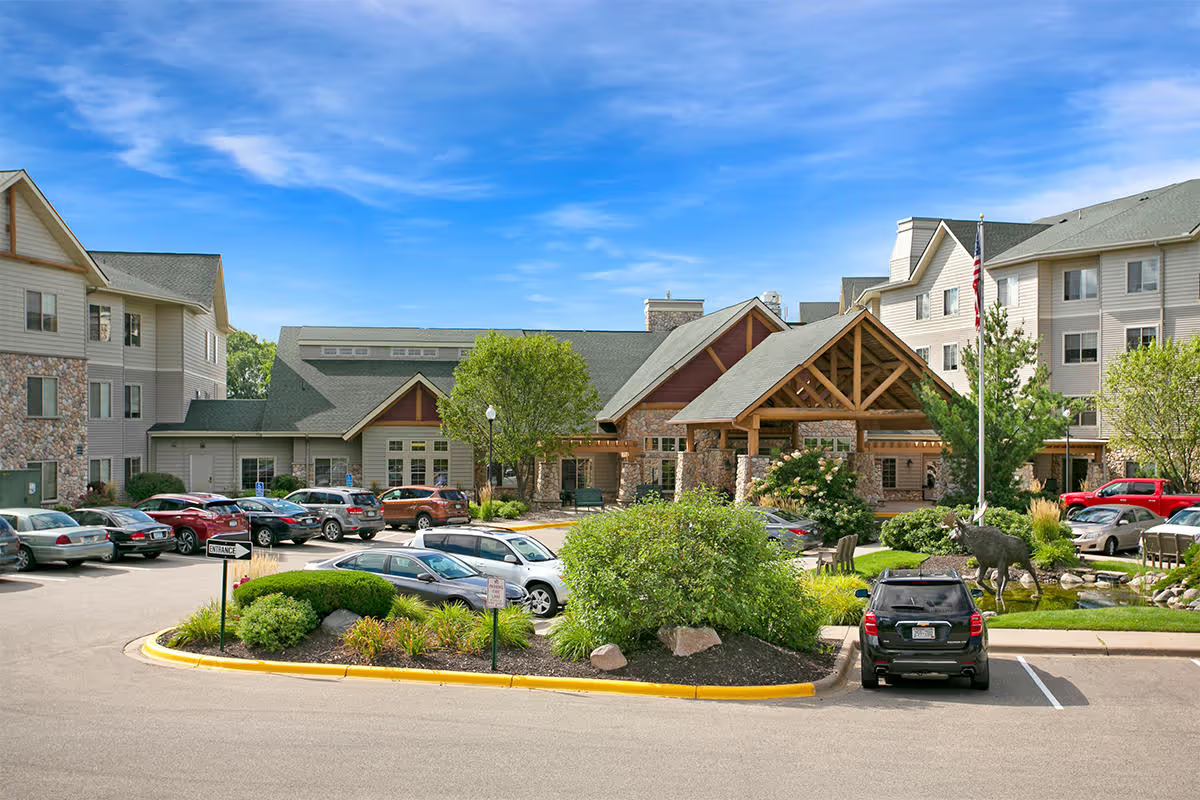
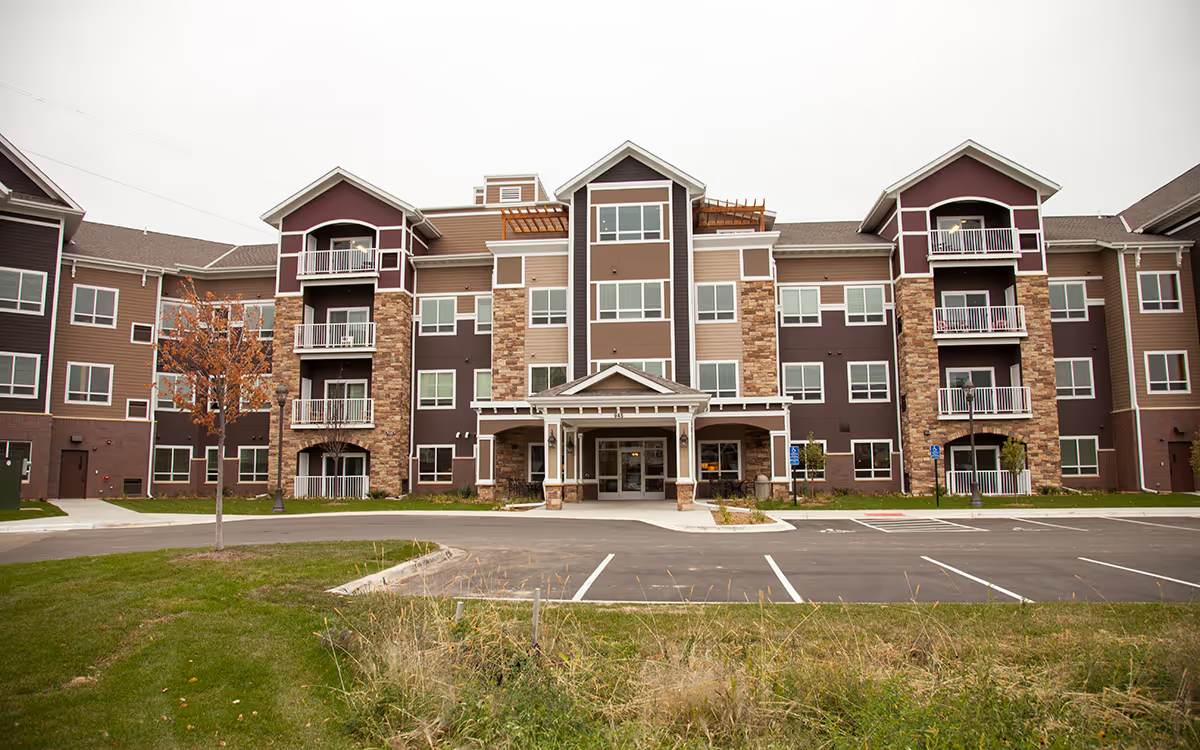
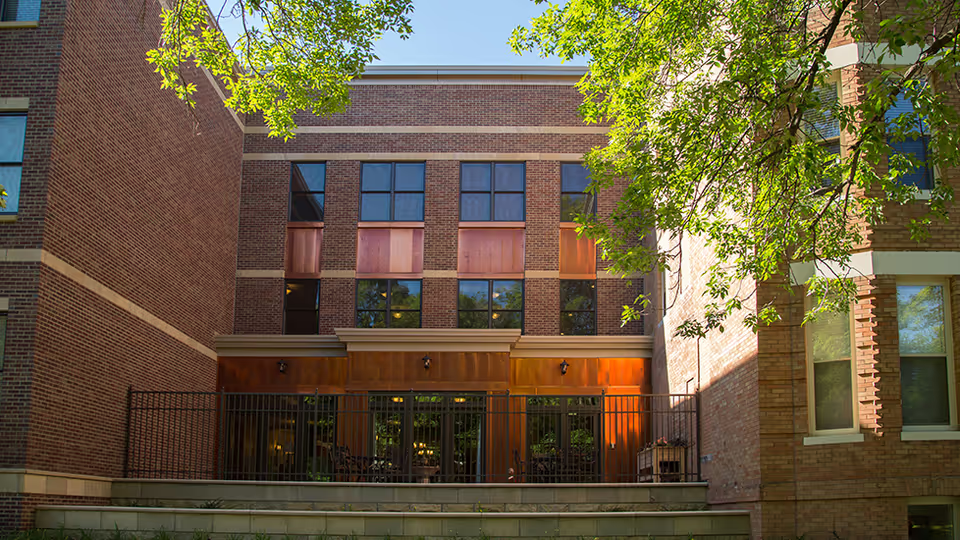
The physical plant is described positively in terms of apartment size, cleanliness, and attractive common spaces, though some reviewers found apartments in need of updating. The building’s layout is reportedly complex to navigate, and the community’s residential location means some families face travel burdens for visits. Operational-level suggestions include improving front-desk coverage and entry control to make staff easier to locate and to strengthen visitor management.
Management and organizational patterns are a central concern. Several reviewers described turnover in leadership and questioned the qualifications or effectiveness of some managers, while others reported an improving culture after a merger brought new leadership and collaborative hires. Recurrent themes for follow-up during a tour include staffing plans for weekends and nights, protocols for incident reporting and police involvement, personal-property security measures, and steps the facility has taken to address past complaints.
Overall, River Heights by Vivie offers notable strengths in programming, dining, and physical space that have produced positive outcomes for many residents. However, prospective residents and families should be prepared to verify current staffing levels, security measures, clinical protocols, and management stability through an in-person visit, direct questions to leadership, and review of recent operational changes before making a placement decision.