Overall impression: Reviews indicate a facility with consistently strong caregiving and supportive staff but notable limitations in physical environment and outdoor amenities. Staff- and care-related comments are uniformly positive: nursing and frontline personnel are described as caring, attentive, and respectful of resident independence. The facility provides medication administration on request and a range of supportive services, which gives the impression of a medically capable setting for routine assistance.
Care, staff, and management: Positive commentary centers on helpful staff, capable nursing, and a culture that appears to respect residents' autonomy. Housekeeping and laundry services are provided on a regular schedule, and management appears to have organized basic resident services (housekeeping, laundry, medication distribution) effectively. The presence of onsite clinical and personal-care amenities such as medical, dental, and beauty services suggests convenient access to routine care and personal grooming.
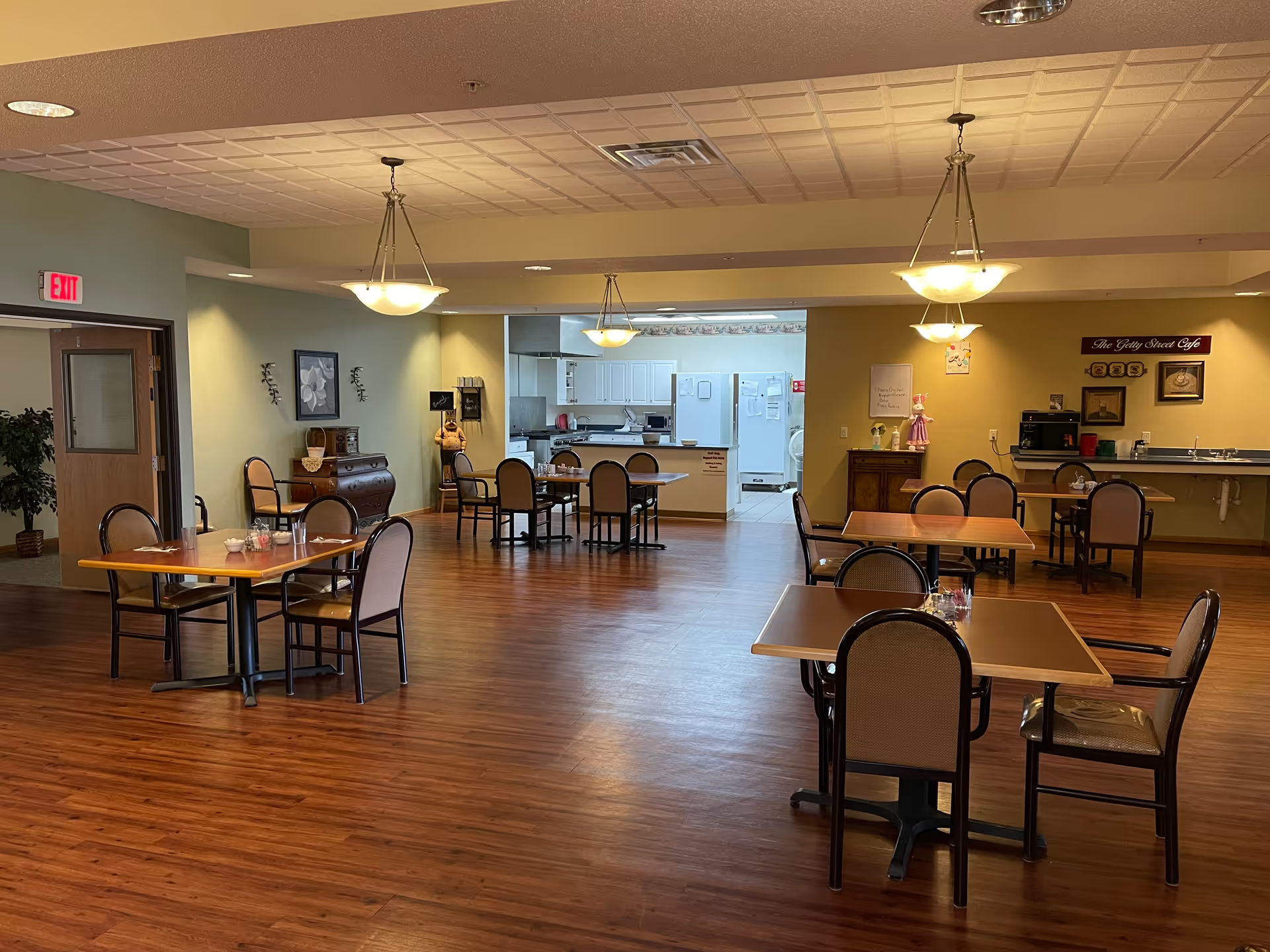
Dining and daily services: The facility provides three meals daily that reviewers praised for quantity and general quality. Housekeeping and weekly laundry are routine features. However, the dining environment is described by some as cafeteria-style and somewhat institutional in feel, which may affect the social atmosphere of mealtimes for residents who prefer a homelike dining setting.
Activities and social life: Activity programming includes day trips and a range of on-site activities; reviewers noted residents as engaged in those offerings. Independence is reportedly respected, and organized outings appear to be a meaningful component of life at the facility. At the same time, outdoor programming and usable landscaped space are limited, reducing options for outdoor socializing and gardening-type activities.
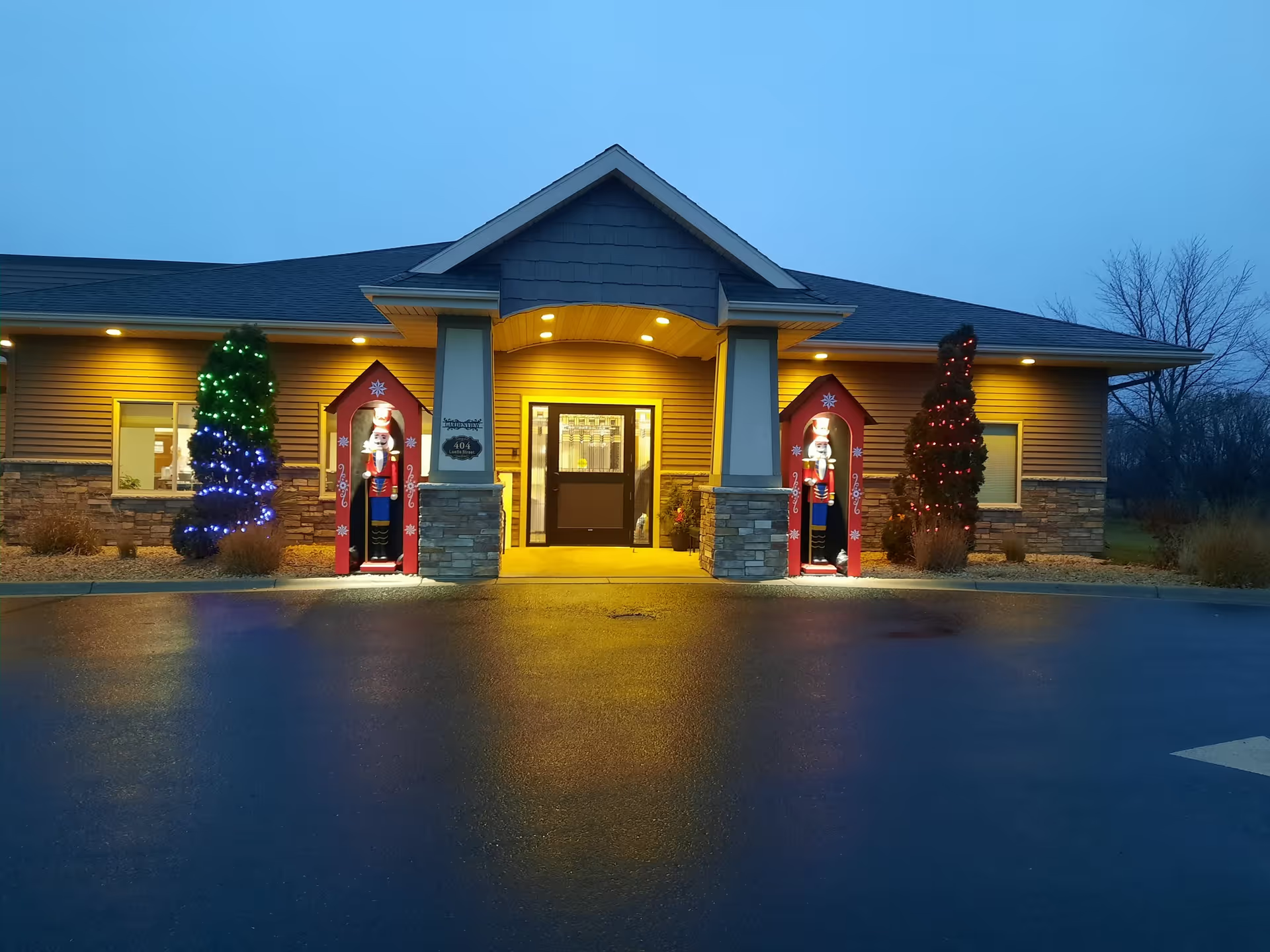
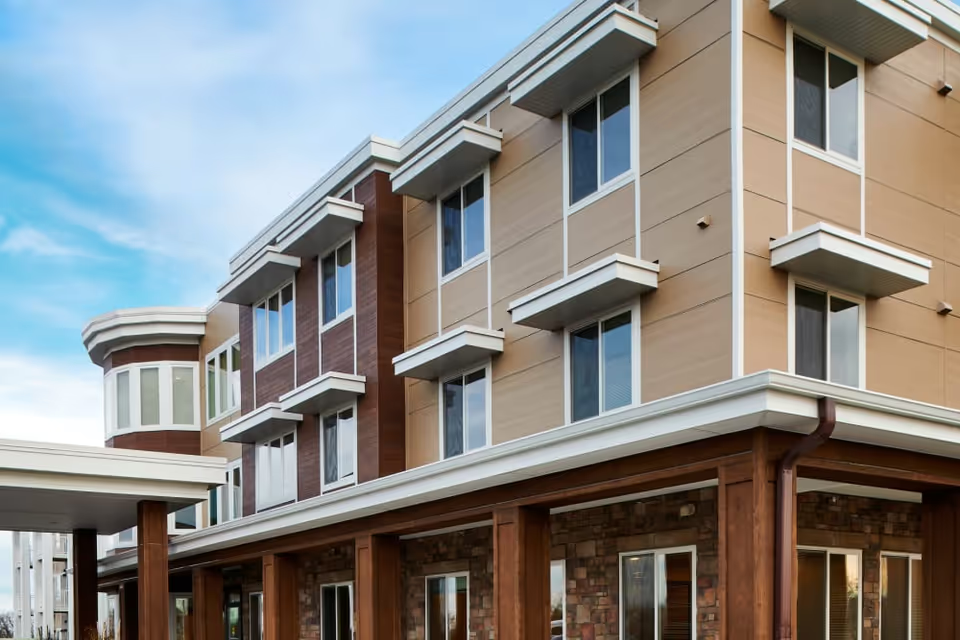
Facilities and physical environment: Impressions of the interior are mixed. A bright, clean showroom and some well-kept areas contrast with reports of dim common rooms, heavy window coverings, and sections described as dated or uninviting. Several structural and design issues recur: rooms oriented toward alleyways with limited views, constrained or unsafe garden beds, limited outdoor seating, and generally sparse outdoor landscaping. These traits combine to create a sense of being closed in for some residents.
Notable patterns and decision guidance: The dominant positive pattern is strong, attentive caregiving and reliable basic services. The dominant negative pattern is an underdeveloped physical environment—particularly limited, poorly maintained outdoor space and communal areas with low natural light—that can affect residents' day-to-day comfort and social experience. Prospective residents and families should weigh the facility's strengths in staff quality and service provision against the limitations in outdoor amenities, common-area ambiance, and dining atmosphere. An in-person visit focusing on natural light, outdoor access, dining-room layout, and actual room orientation is recommended to confirm whether the environment meets individual preferences and needs.