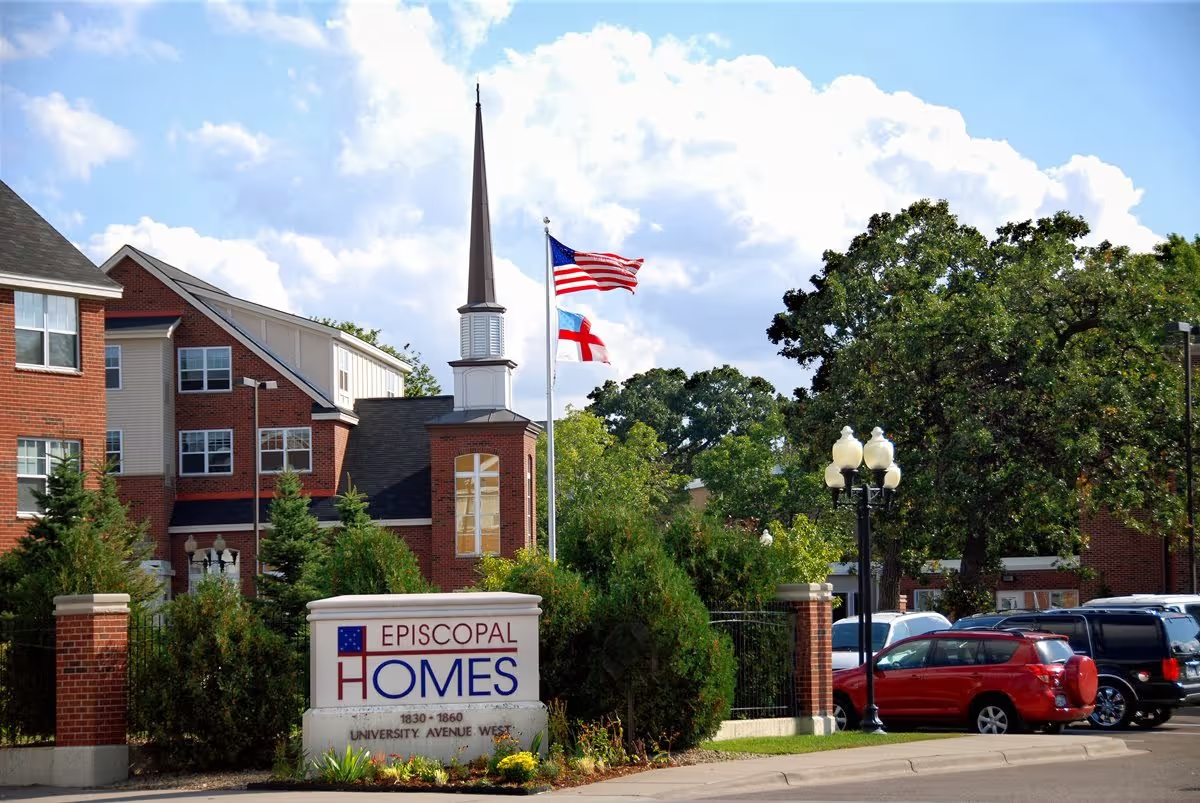
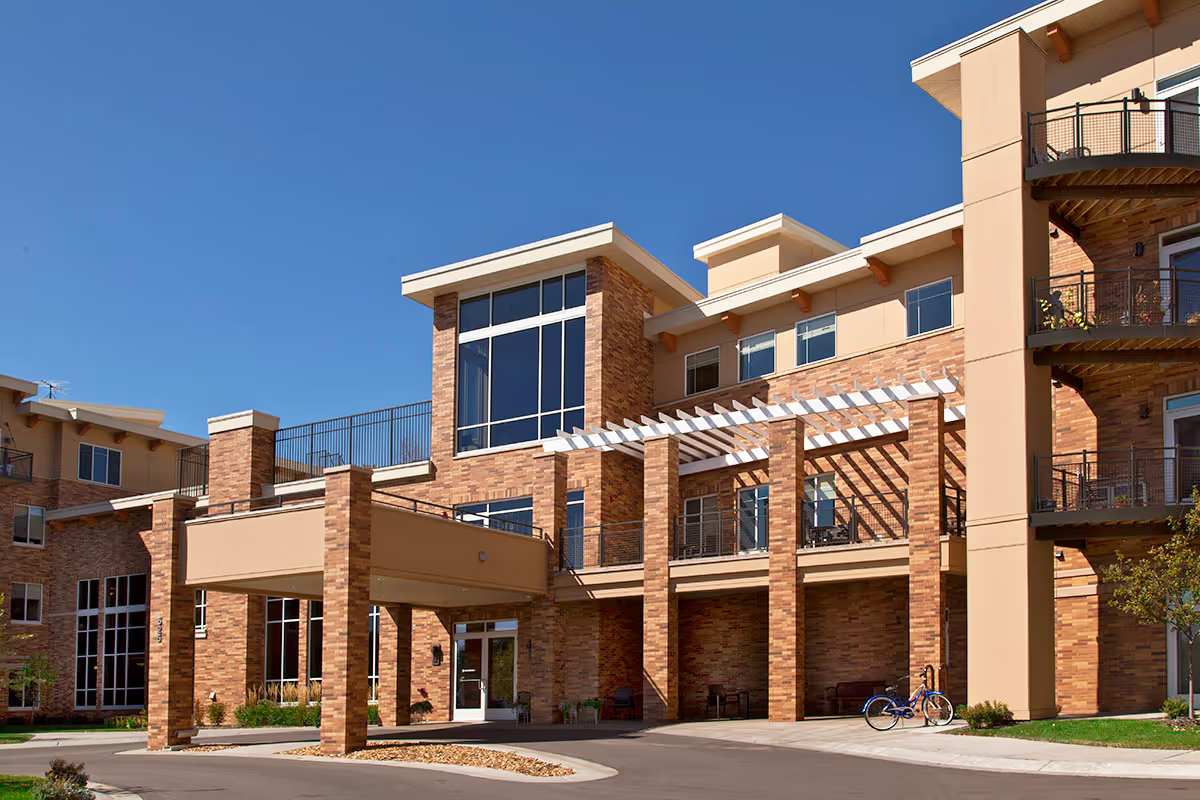
Episcopal Church Home by Episcopal Homes presents a mix of clear strengths and recurring operational concerns. Positive aspects frequently cited include a strong rehabilitative focus with an on-site PT/OT team and a transitional care unit intended to return residents home after therapy. The campus offers multiple dining venues and social dining options, numerous common areas and outdoor courtyards, on-site amenities such as pools and a sauna, and generally spacious private rooms with ample natural light. Several families described a warm, family-like atmosphere supported by volunteers and staff who often know residents by name; that sense of continuity and personalized attention is a consistent strength cited alongside a long waitlist that indicates substantial local demand.
Care and staffing present a mixed picture. Many reviewers praised compassionate, consistent caregivers and individualized attention, particularly in long-term and rehabilitative areas. At the same time, there are repeated accounts pointing to inconsistent nursing practices and variable adherence to documented care plans. Concerns about medication administration processes and the tone of staff-resident interactions appear in multiple comments; there are also isolated allegations of inappropriate conduct and coerced medication practices that families raising serious questions should investigate directly. Staffing levels and responsiveness are uneven: understaffing and delayed responses to call signals were described alongside accounts of high staffing ratios and dedicated therapy teams.
Dining and activities vary in quality and consistency. The facility’s activity program and event offerings (bingo, concerts, organized outings) and multiple dining formats (terrace restaurant, white-tablecloth dining, pub) are positive features that support social engagement. However, dining service quality is reported as inconsistent, with examples of meals served at suboptimal temperature and occasional beverage or food-quality issues. Weekend therapy availability and scheduling flexibility were also noted as limitations for some residents.
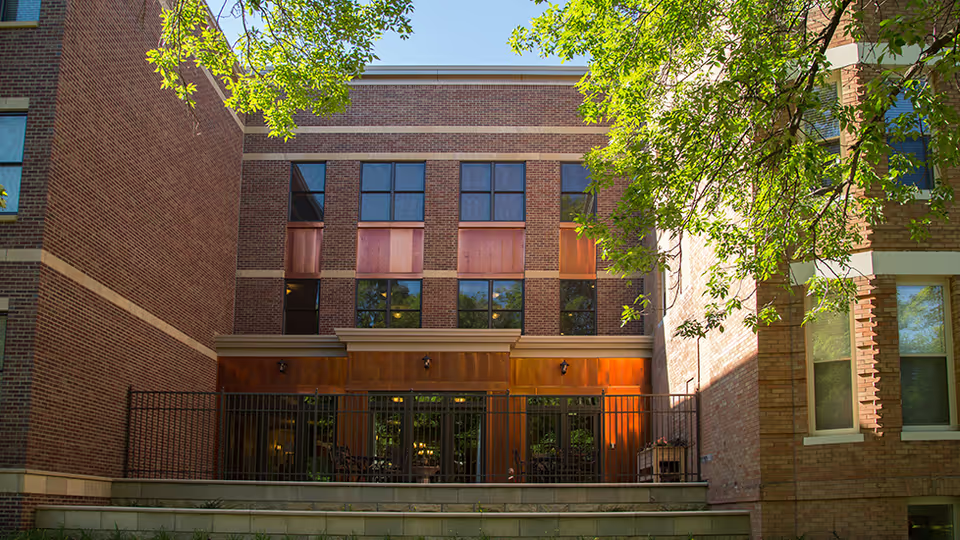
Facilities and operations reflect a well-appointed campus but uneven execution. The physical environment—sunrooms, coffee cafes, living rooms, outdoor patios, and private rooms—receives positive comments for upkeep and comfort. Nevertheless, sanitation and incontinence-care concerns were raised for specific units, and reviewers described variability in cleanliness and housekeeping standards across the campus. Language barriers and reports of culturally insensitive or discriminatory behavior by some staff or managers represent a serious concern for family members who value cultural competence.
Management, communication, and infection-control practices are recurring themes. Families described difficulties with admissions responsiveness, callbacks, and paperwork inefficiencies, as well as gaps in how complaints are investigated and resolved. Infection-prevention practices and vaccination policy enforcement were described as inconsistent by some families, including situations that led to quarantines; these items suggest prospective families should ask about current policies and enforcement. Overall, the reviews are polarized: many families and residents highly praise the therapy services, campus amenities, and caring staff, while others describe operational weaknesses linked to staffing, communication, dining consistency, sanitation in particular units, and managerial follow-through. Prospective residents and their families would benefit from an in-person tour of the specific unit they would occupy, direct conversations about staffing ratios, medication and infection-control protocols, recent survey or complaint history, and sample meals to assess consistency before deciding.