These reviews present a mixed picture. Multiple contributors describe positive direct-care interactions — staff who are friendly, helpful, and appear to care about residents — and individual caregivers who delivered competent personal care. At the same time, there are recurring operational concerns that affect overall service reliability.
Care quality at the point of contact is described as generally satisfactory: caregivers performed duties adequately and created positive interactions with residents. However, continuity and comprehensiveness of care are undermined by administrative and staffing problems. Specifically, intake procedures and formal care-plan development were noted as incomplete in some cases, which creates risk for inconsistent service delivery and unclear expectations about responsibilities and schedules.
Staff comments are dualistic. On one hand, reviewers emphasize warmth, helpfulness, and attentiveness among many team members. On the other hand, there are documented concerns about professionalism and communication tone in interactions with certain staff, and examples of staff unavailability that affected access to services. High turnover of personal care aides and gaps in staffing continuity were described and likely contributed to service interruptions.
Management and administrative processes emerged as a central weakness. Reviewers identified poor follow-up (delayed callbacks), gaps in case-management and evaluation workflows, and an apparent lack of reliable escalation or scheduling practices. These process weaknesses translated into incomplete intakes, missing care plans, and difficulties securing or sustaining assigned caregivers, undermining confidence in the provider’s coordination functions.
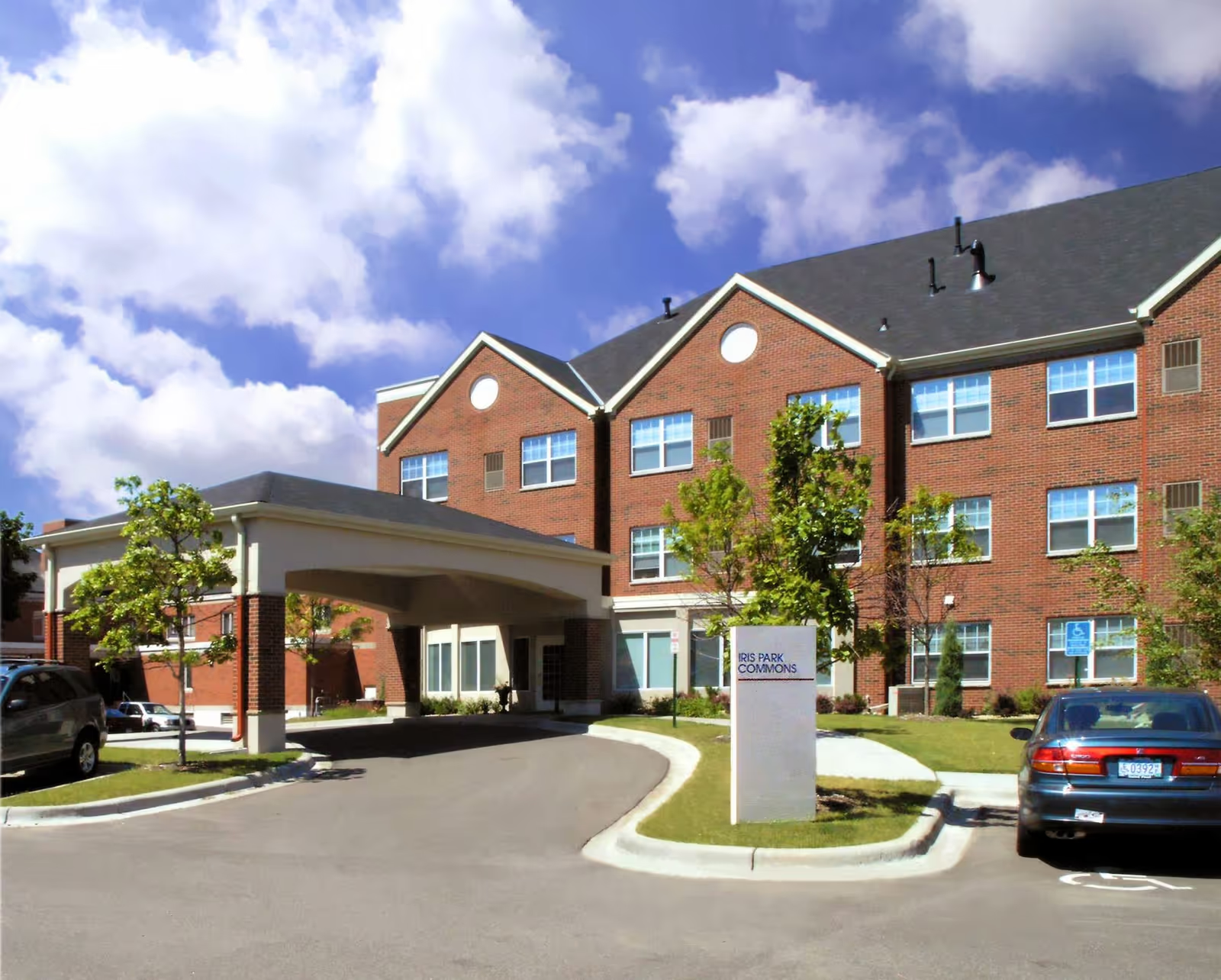
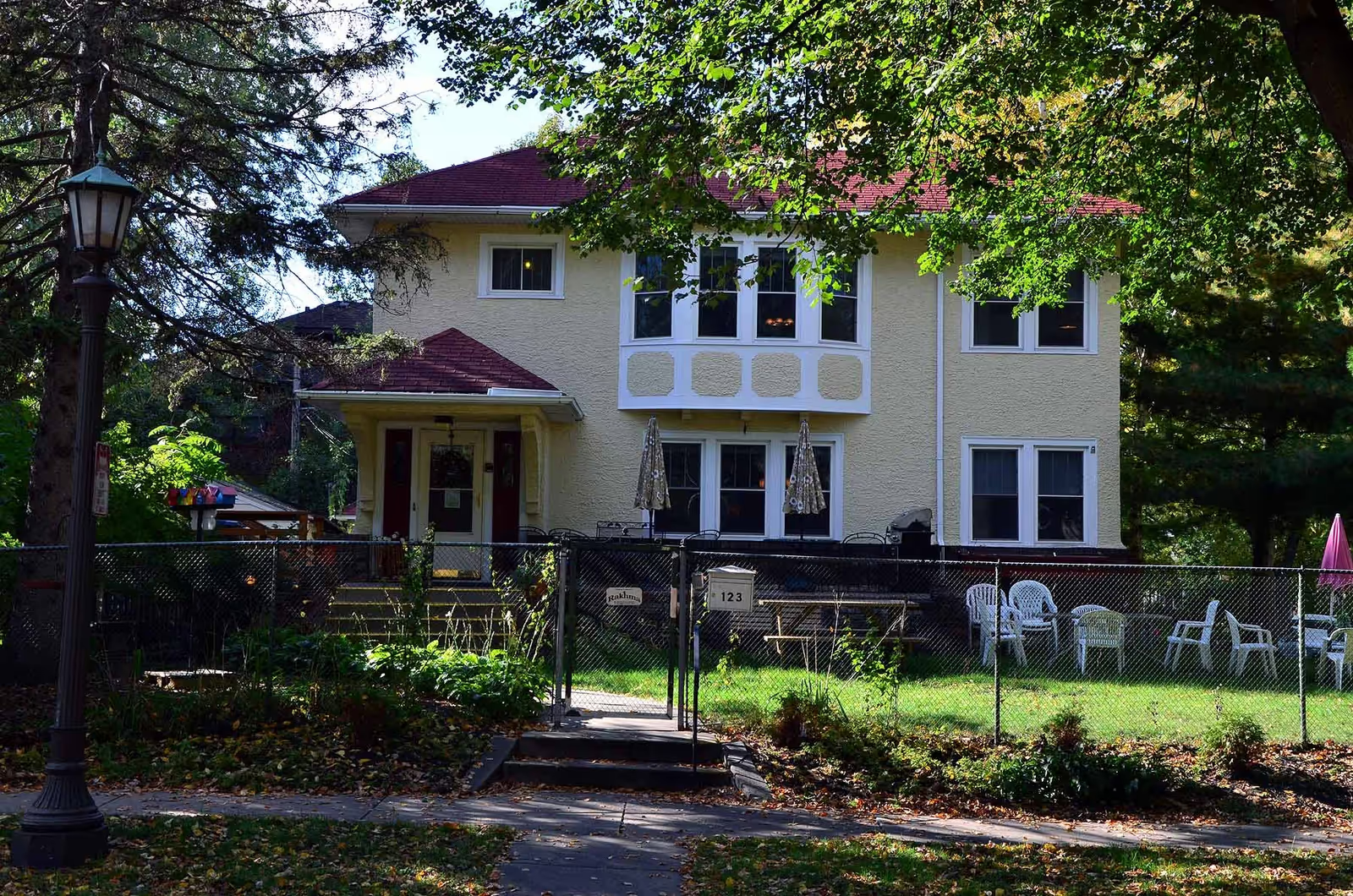
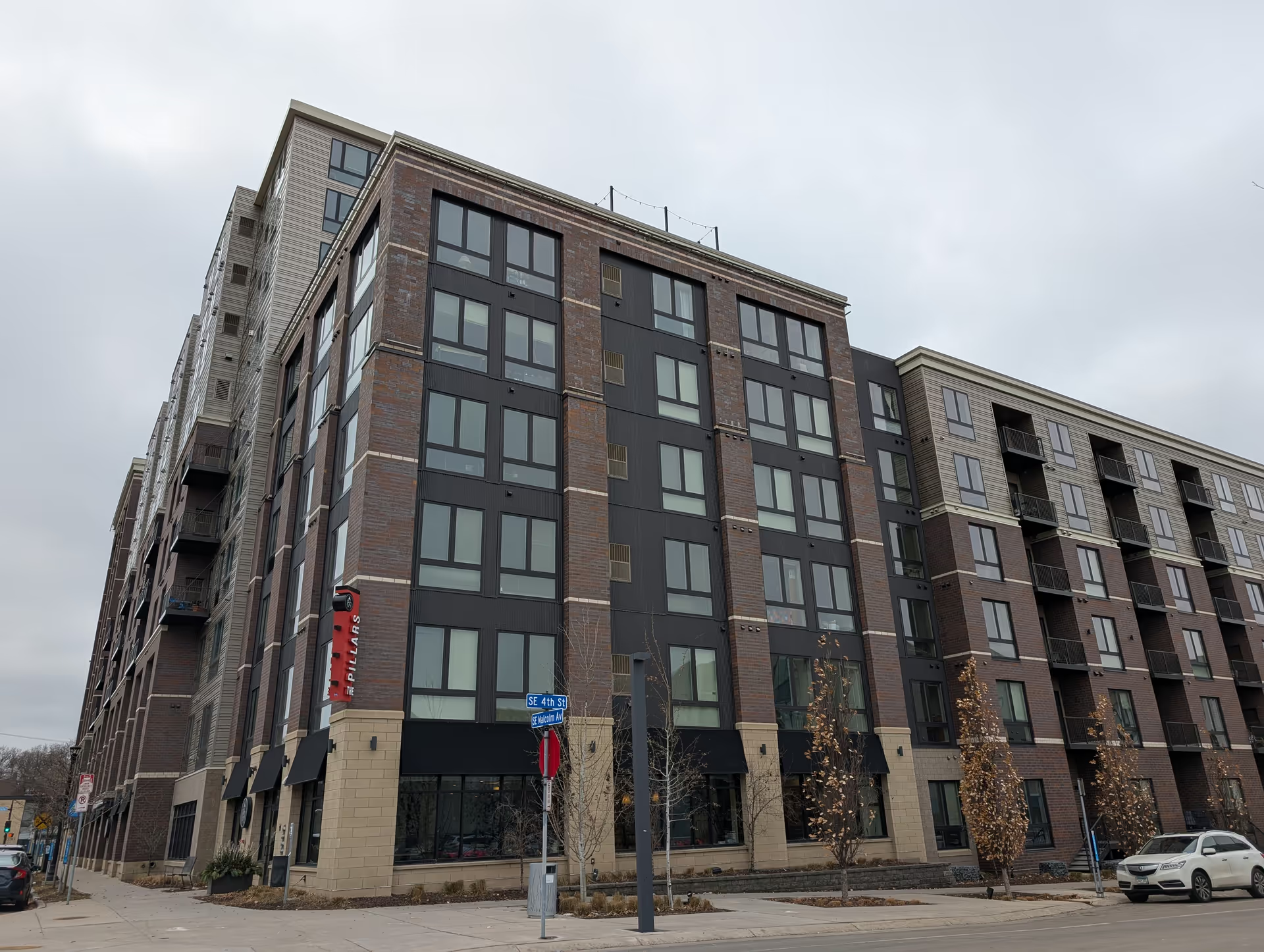
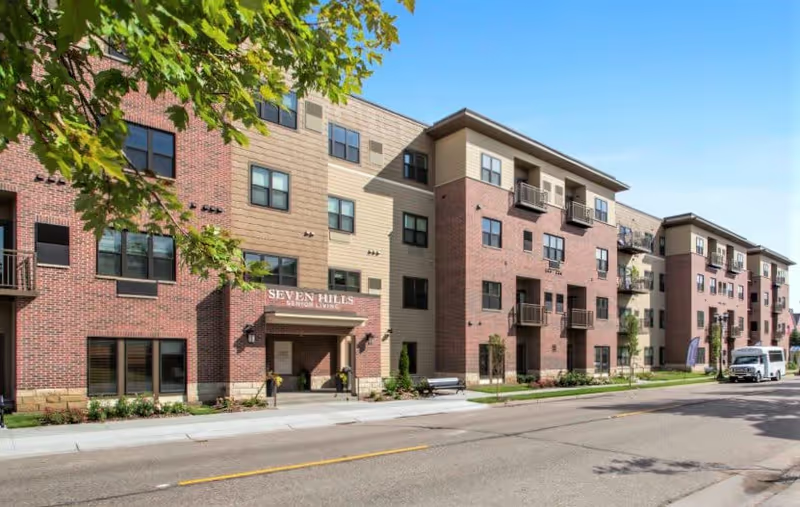
There is no substantive information in the provided summaries about dining, activities, or physical facilities. The absence of commentary in these areas prevents an informed assessment; prospective families should request specifics on meal services, recreational programming, and facility maintenance during a tour or intake conversation.
Overall pattern: positive interpersonal care experiences coexist with administrative and operational instability. The strongest elements are the compassion and helpfulness of many frontline staff; the principal liabilities are inconsistent staffing, communication breakdowns, and incomplete care-planning practices. Prospective residents and families should verify completion of intake documentation and written care plans, ask for staffing continuity guarantees or contingency plans, and clarify communication and escalation pathways before committing to services.