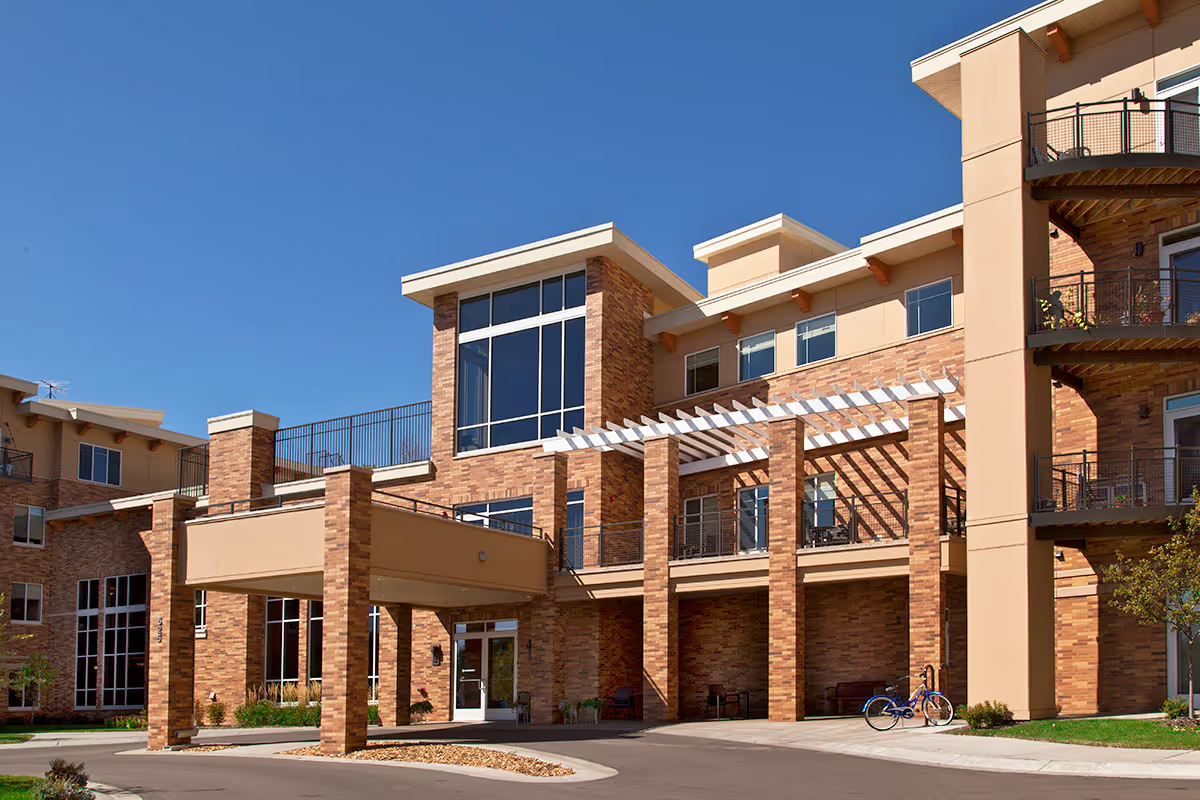
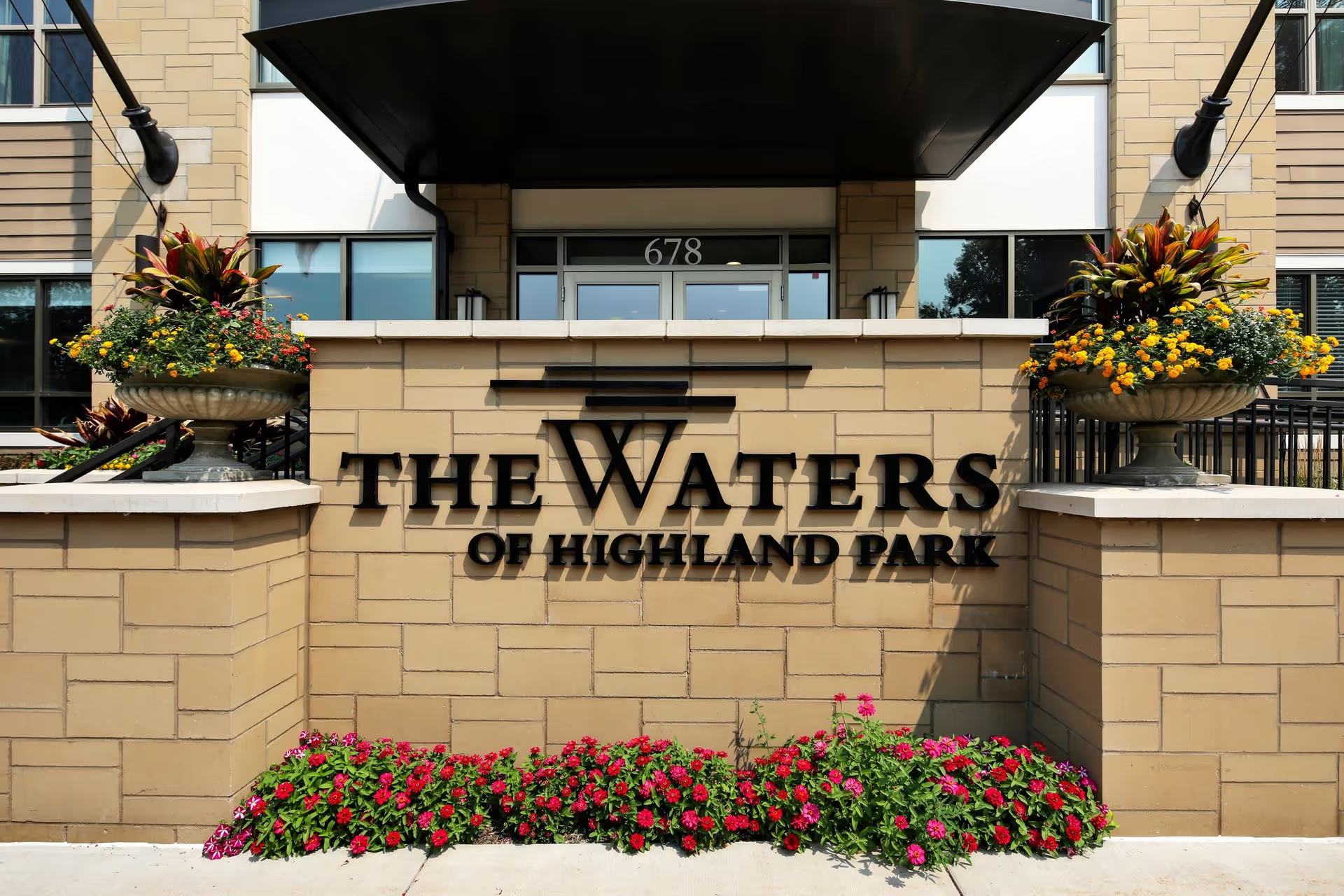
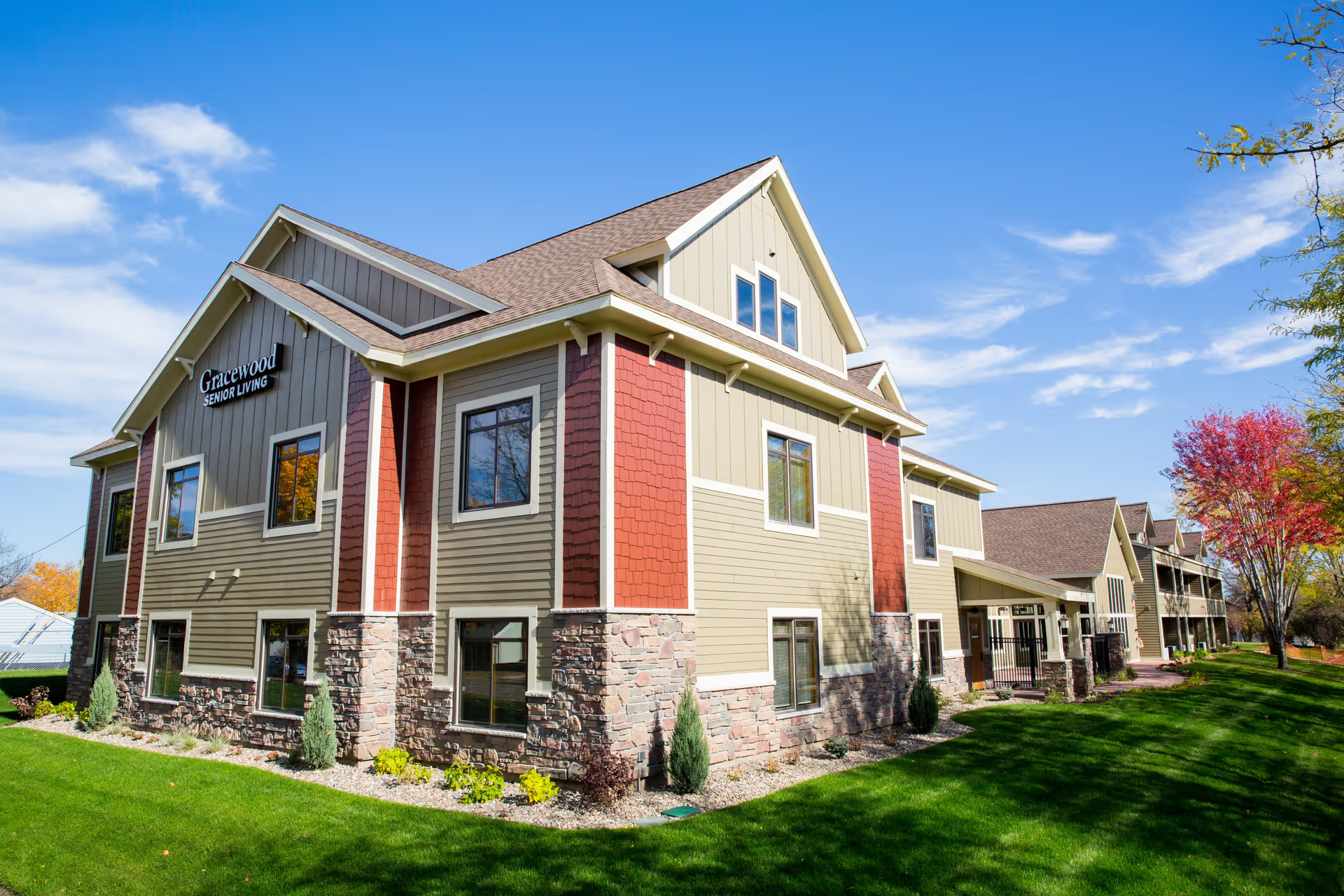
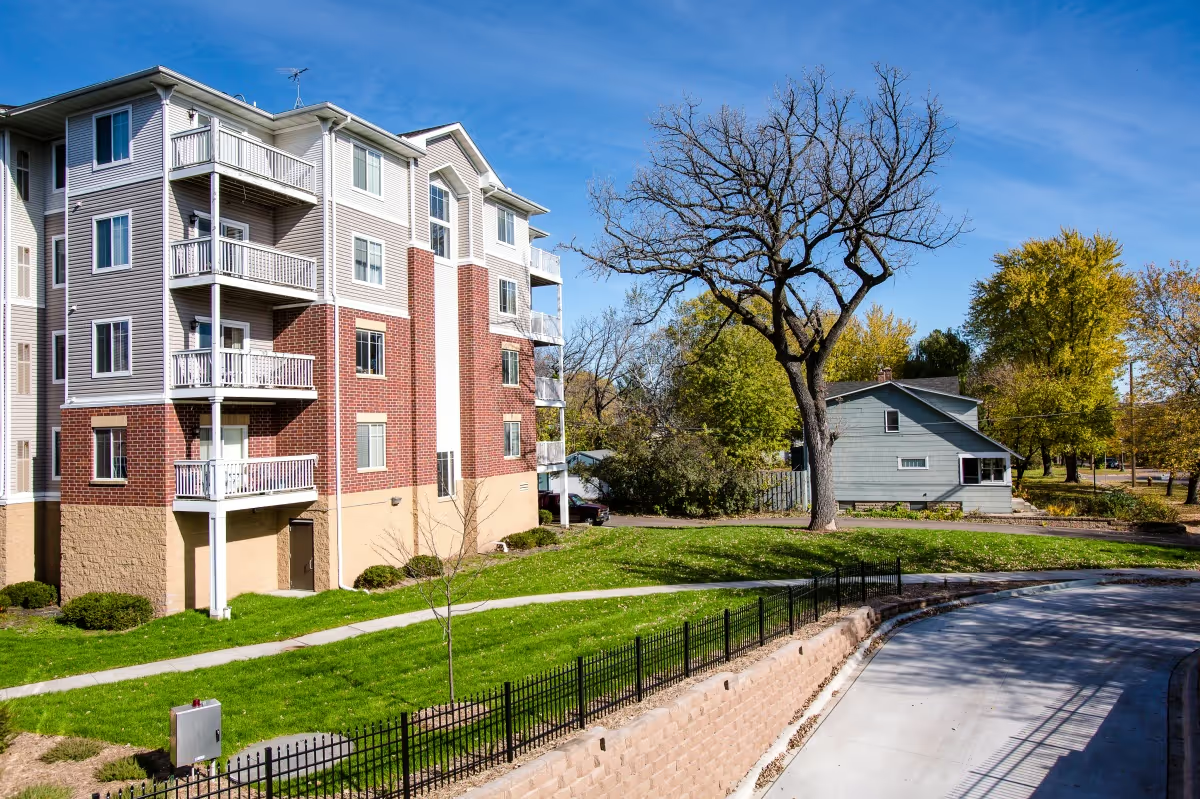
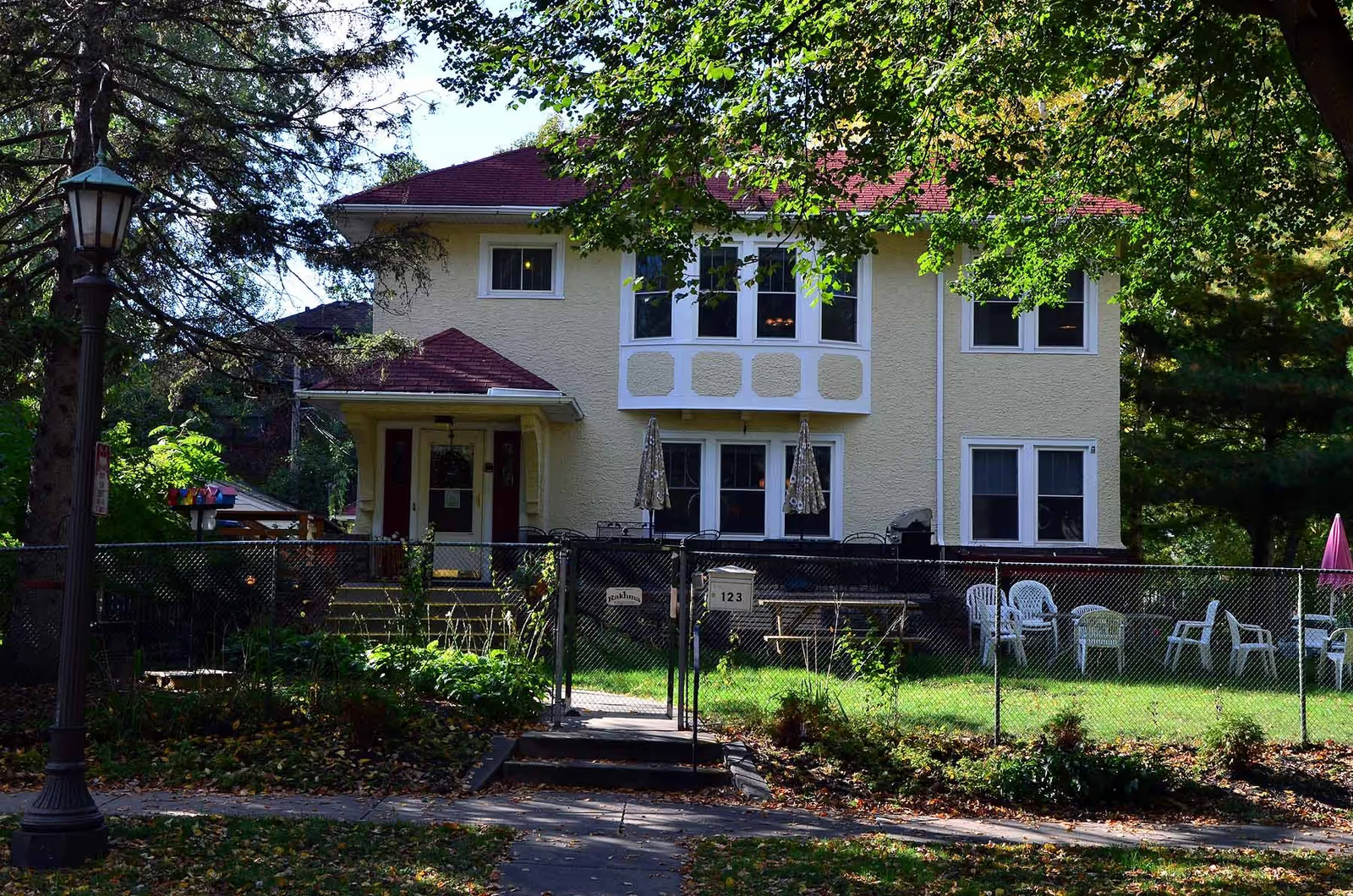
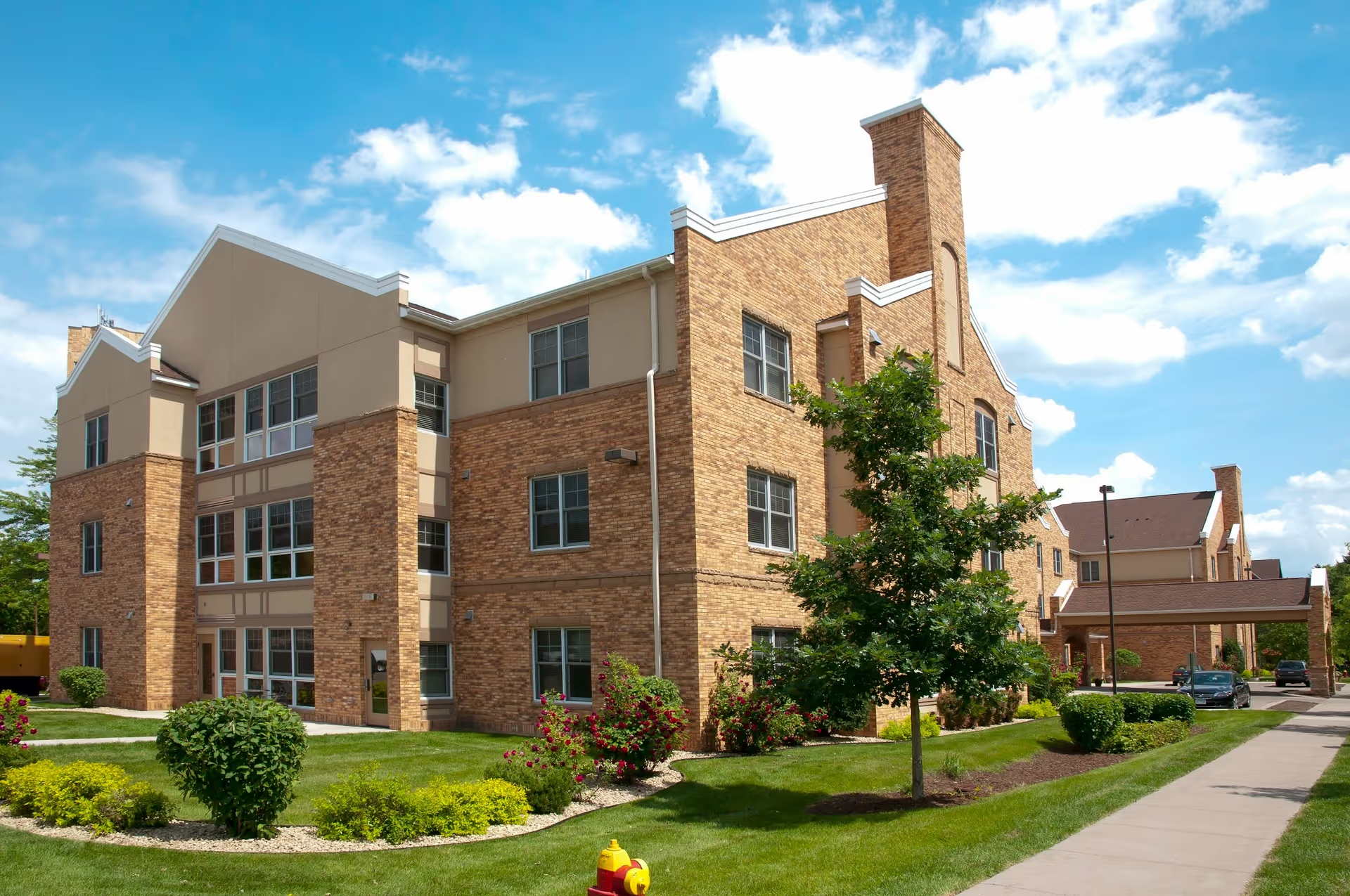
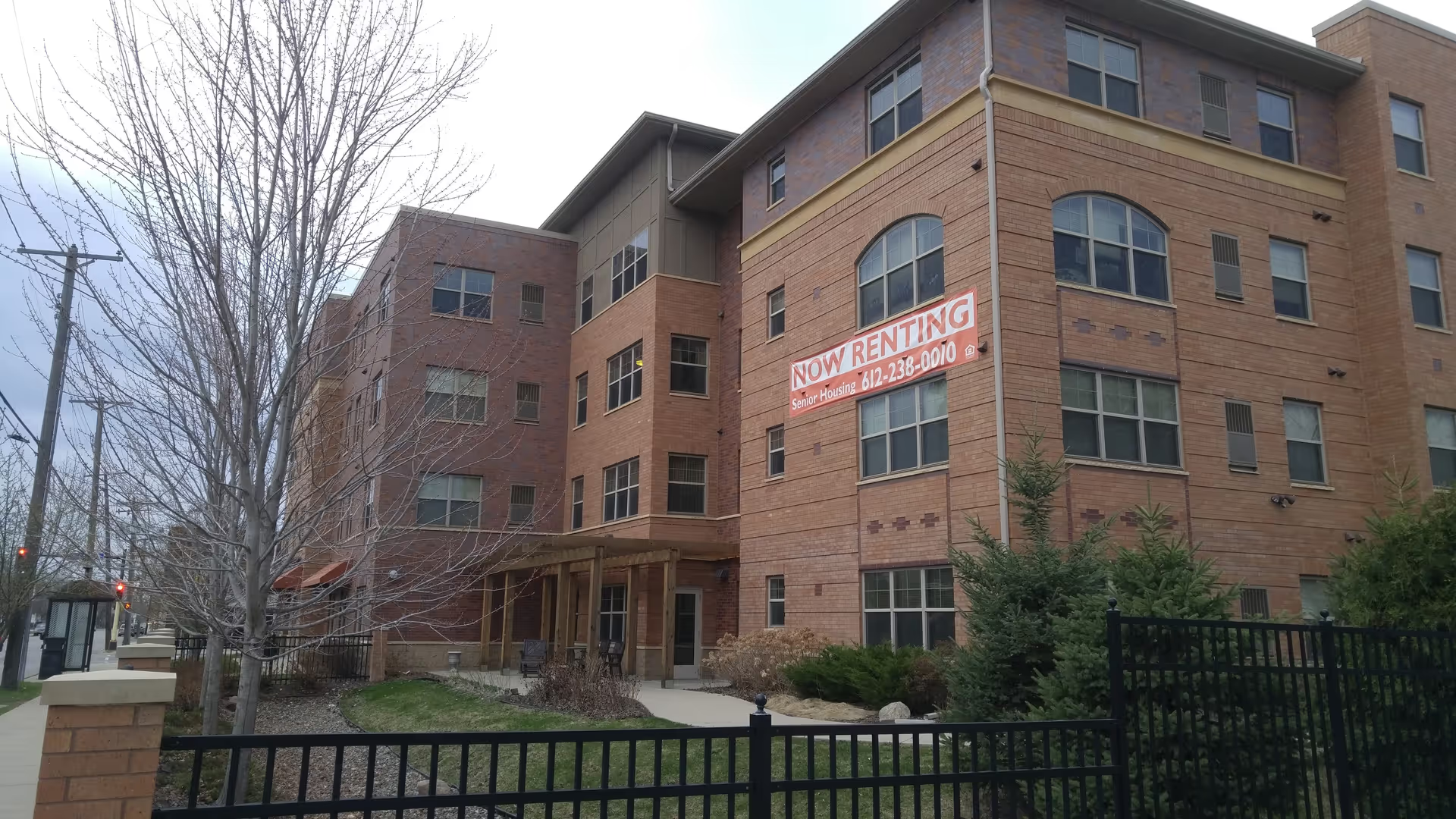
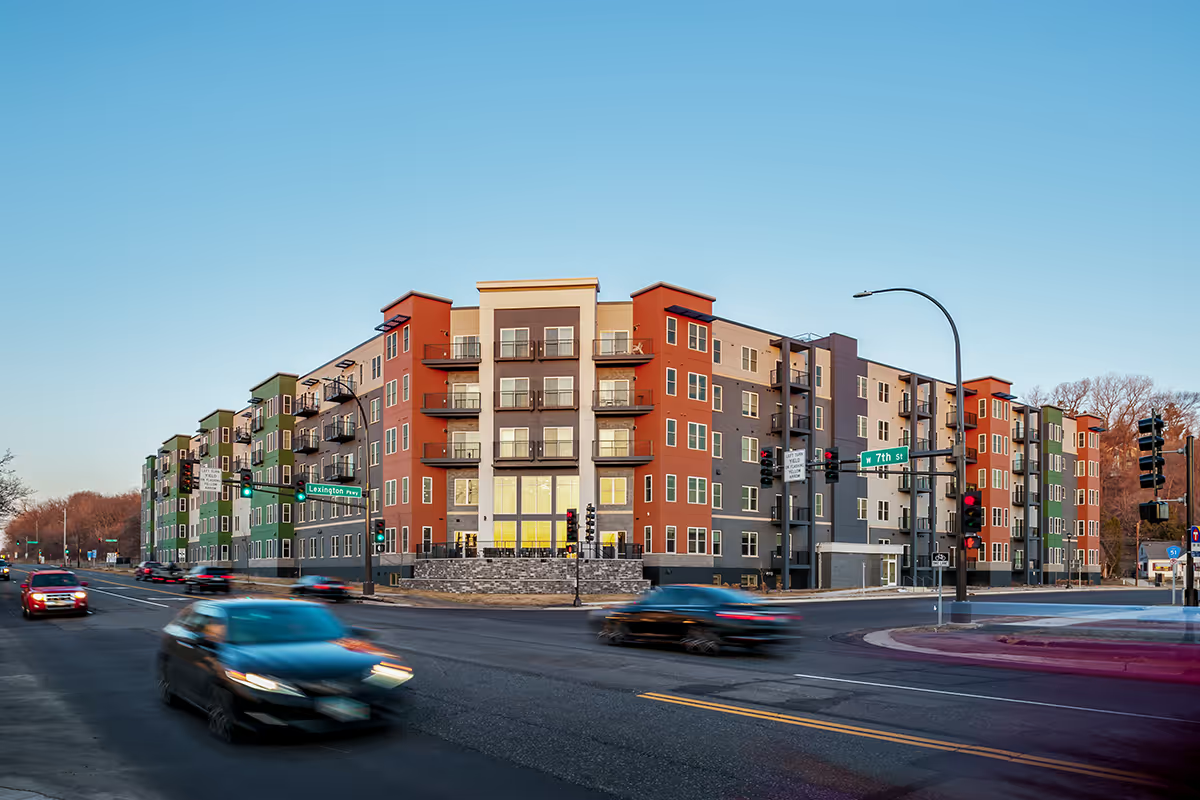
The reviews for New Perspective Senior Living - Highland Park describe a community with a broadly attractive physical environment and a range of on-site amenities, coupled with uneven operational performance. Strengths frequently mentioned include a well-maintained campus with pleasant landscaping and river views, private furnished apartments, spacious and comfortable common areas (fireplaces, enclosed patios), and an emergency call/beeper system. The community offers restaurant-style dining with diabetic and customizable options, a coffee bar, salon and podiatry visits, and a broad activities calendar that includes off-site trips, music programs, lectures, and planned social events. Several accounts highlight engaged leadership and staff members who provide compassionate, hands-on care and smooth move-in coordination.
Care quality and staffing present the clearest pattern of mixed experience. Many families praise specific caregivers, long-tenured nursing staff, and instances of prompt clinical attention; however, a persistent countervailing theme is inconsistent staffing levels and high turnover. Night shifts and the memory-care unit are repeatedly described as thinly staffed, and reviewers identify gaps in caregiver training, language comprehension, and accountability for care plans. These operational weaknesses have been associated, in some accounts, with delays in responding to call buzzers, inconsistent bathing and incontinence-care schedules, and medication-adjustment delays. Prospective families should therefore assess staffing ratios, night coverage, and clinical oversight protocols when evaluating the community.
Dining and daily living feedback is bifurcated: several residents and families commend the dining program, noting well-prepared diabetic meals, healthy snacks, and a restaurant-style experience, while other reports cite inconsistent meal quality, cold or small portions, and occasional simple or cost-cutting menu choices. Activity offerings are robust in assisted-living areas—trips, music, and social events are commonly available—but memory-care programming and socialization receive repeated criticism for being limited or inconsistently delivered. Transportation and calendar accuracy are additional operational areas that appear to vary by date and staffing availability.
Facility operations show strengths (clean communal spaces, prompt move-in preparations in many cases) alongside operational gaps. Maintenance response times and follow-through on repairs are uneven; reviewers cite unresolved hinge or trim work and delays in fixing door hardware. Laundry and housekeeping processes are another recurring concern, including missing laundry and inconsistent cleaning schedules. Some reviews raise pest-control concerns and instances of misplaced or missing personal items, indicating a need to confirm property-management protocols and inventory/security practices.
Management and administration elicit mixed impressions. Several reviewers specifically praise directors and engagement staff for accessibility, clear communication, and proactive problem-solving. Conversely, there are numerous descriptions of opaque billing, inconsistent charges, and delays or difficulties in communication about care changes or incidents. A handful of accounts reference involvement by external advocates or regulators; these are individual instances that prospective families should follow up on directly with the community for current context.
Notable patterns: the community performs well when staffing is stable and leadership is actively engaged; negative experiences cluster where staffing, training, and operational follow-through are inconsistent. For families considering this community, recommended due diligence includes observing mealtimes, asking for staffing ratios (including night coverage), reviewing sample care plans and medication-management procedures, requesting written billing and refund policies, inspecting housekeeping and laundry workflows, and evaluating the memory-care schedule and staff training programs. These checks will help determine whether the community’s physical and programmatic strengths align with the level of clinical oversight and daily support required for a particular loved one.