Reviews present a mixed but consistent pattern: many families praise the day-to-day caregiving, therapy services, and activity programming, while others describe operational and management weaknesses that affect clinical reliability and family confidence. The facility is frequently noted for spacious, well-kept rooms, an active social and spiritual program, robust rehabilitation services, and staff members who are compassionate and skilled. At the same time, there are recurrent accounts of variability in care quality that appear tied to staffing levels and shift-by-shift differences.
Clinical care and staffing are central themes. Therapy departments (PT/OT) and some nursing staff receive strong positive mention for return-to-home outcomes and clinical competence. Hospice and end-of-life support are also described as respectful and comfortable. However, multiple accounts point to understaffing, high turnover, and slow responses to call-buttons and resident requests. These operational pressures are associated with delayed physician engagement, gaps in medication-management and consent processes, reports of prolonged infection or gastrointestinal concerns left unaddressed, and occasional readmissions. Families should expect variability in responsiveness depending on shift and unit.
Dining and daily living are described inconsistently. Some residents enjoy regular meals, desserts, and in-room dining options; others report cold or prepackaged items and situations where modified diets were not followed precisely. Activity programming, church services, and social engagement are frequently identified as strengths that contribute to resident well-being. At the same time, shared shower schedules, inconsistent bathing support, and occasional sanitation or odor concerns in communal areas reduce overall satisfaction for some families.
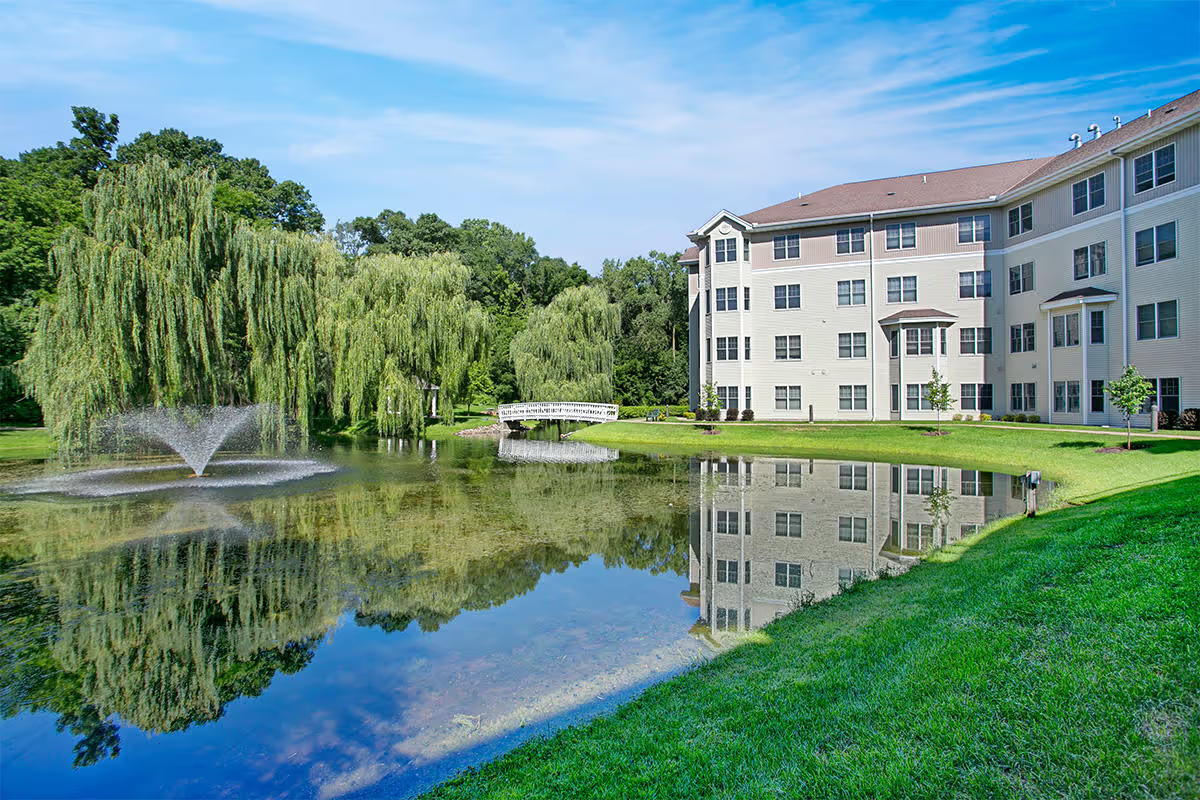
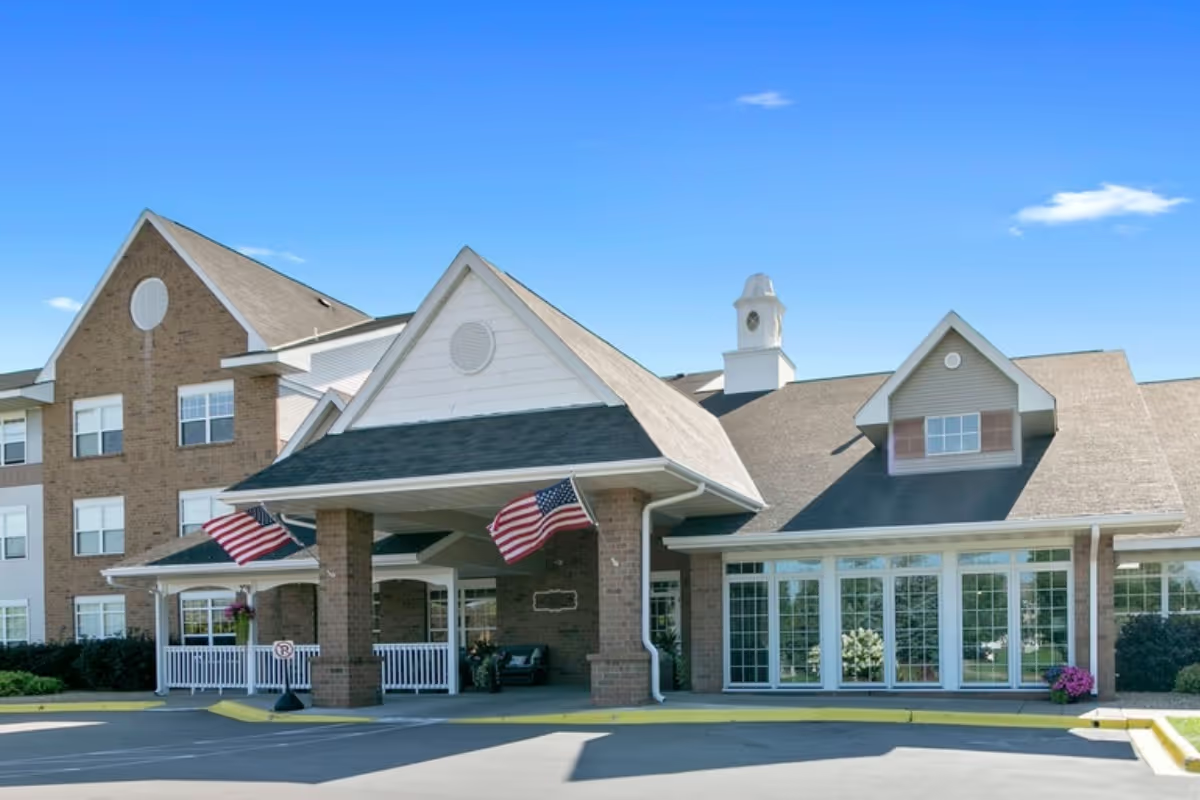
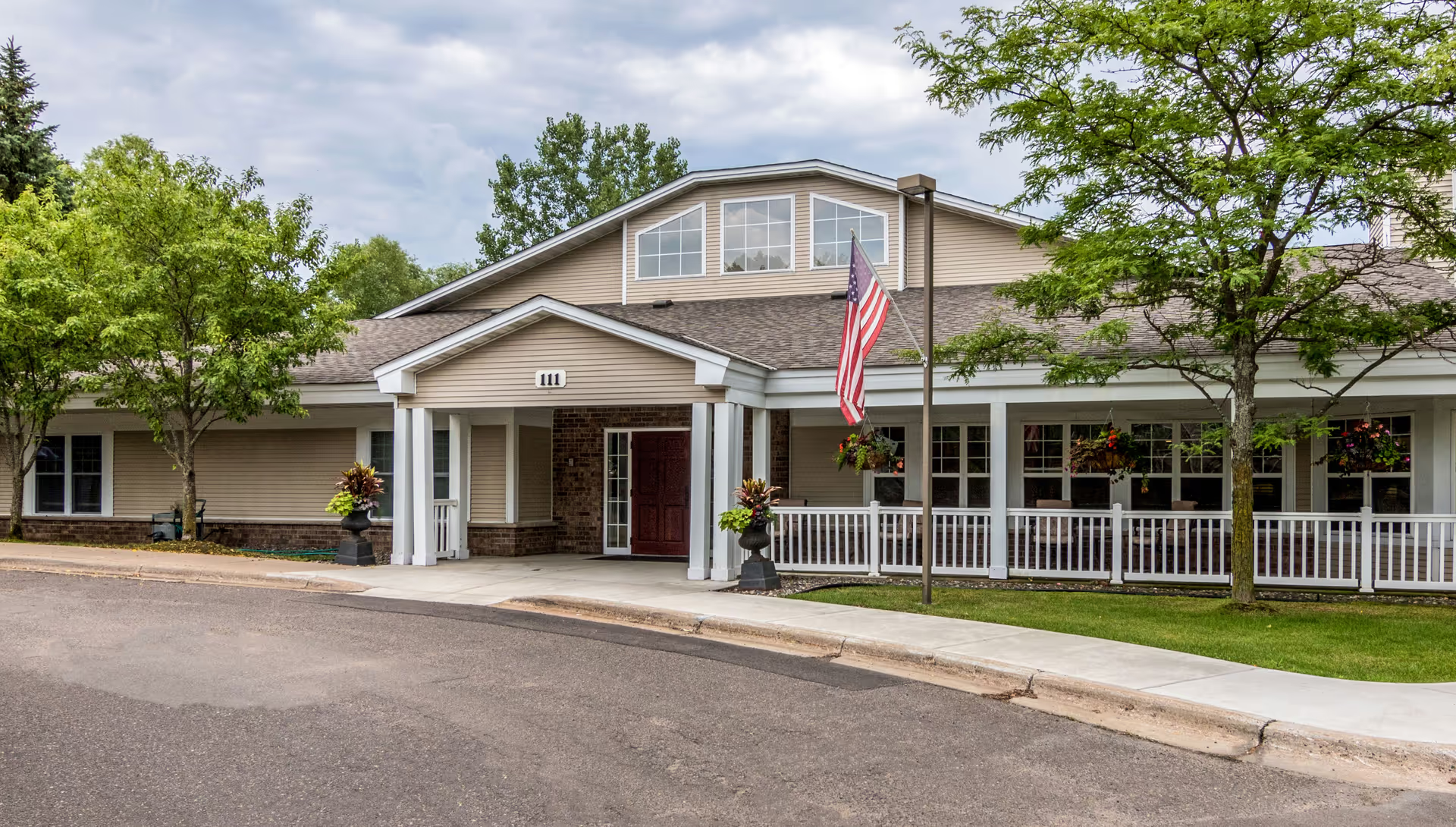
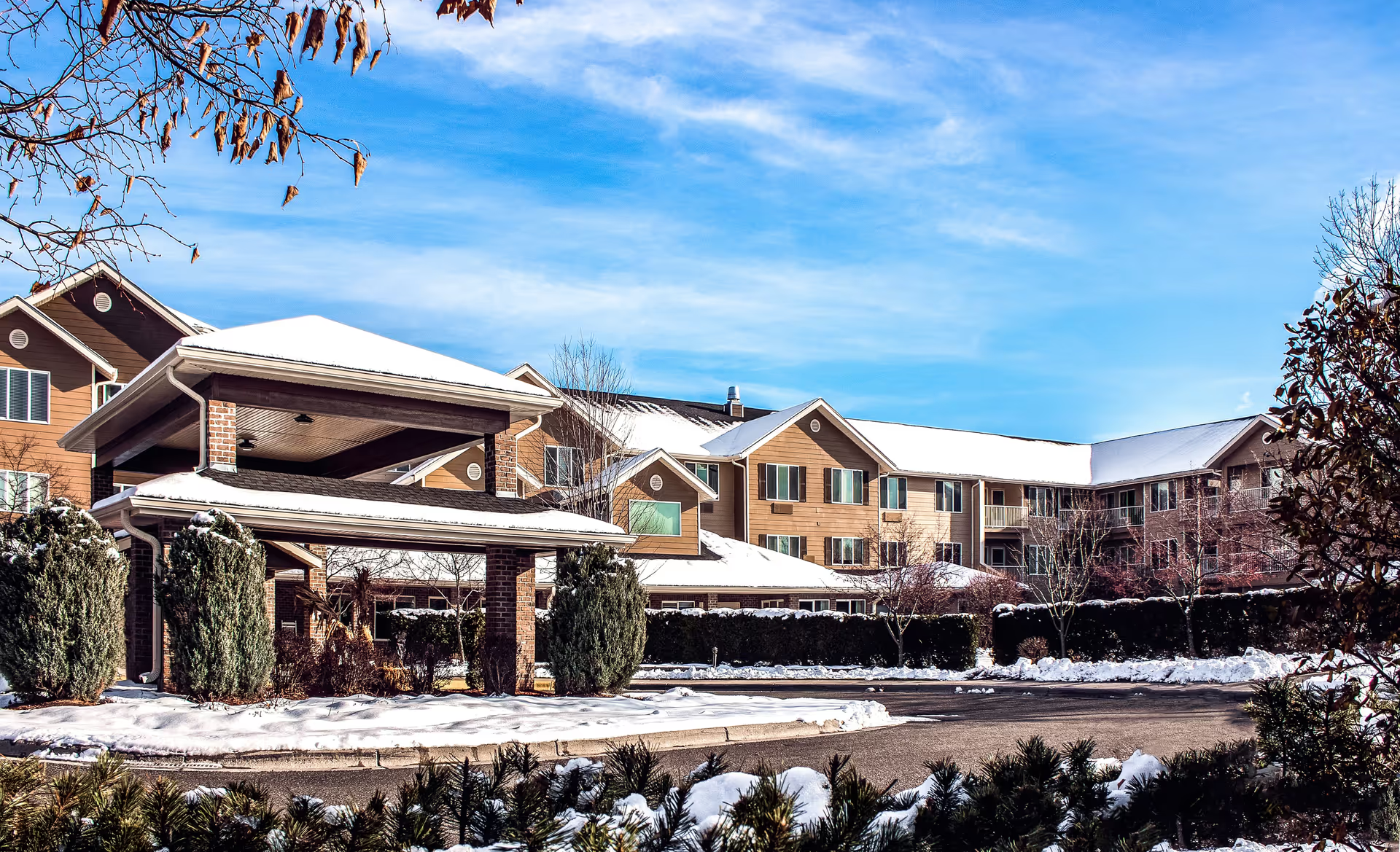
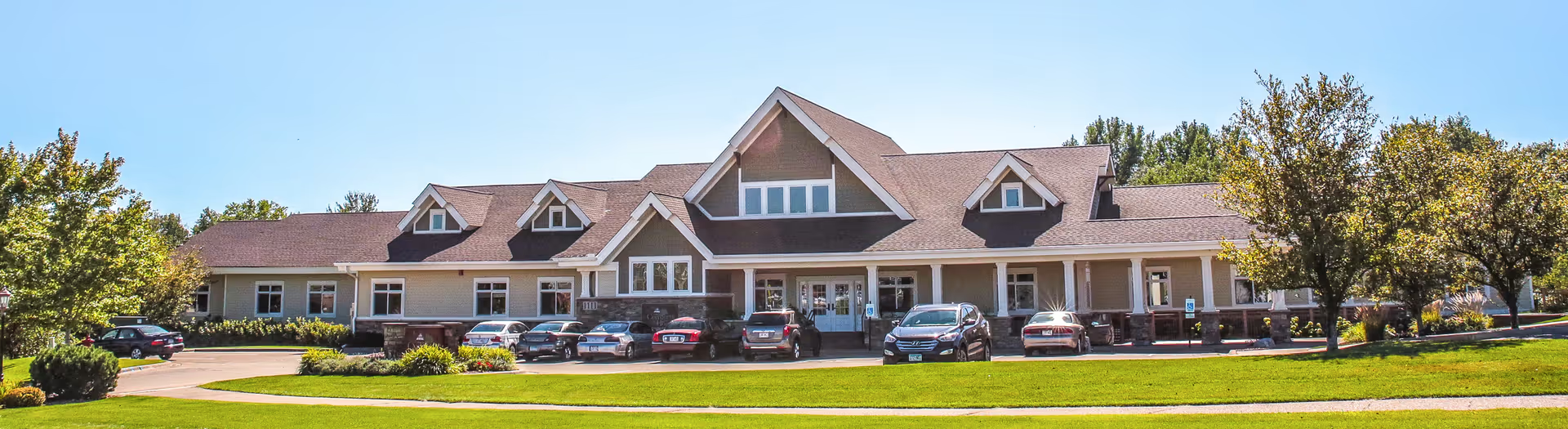
Facility condition and management communication are mixed. Positives include clean, light-filled rooms and large bathrooms in many units. Negatives cited include worn beds and equipment, uneven lighting, hot or poorly ventilated areas, and pest-control concerns in specific locations. Administrative issues also surface: families describe difficulty obtaining timely access to medical records, disputes over billing and insurance coverage (including questions about rates and acceptance of Medicare), and uneven case management support. There are even allegations of inaccurate rate-reporting in a few accounts, which heightens the importance of reviewing financial and contractual terms carefully.
Overall pattern: strengths are concentrated in clinical rehabilitation, compassionate staff members, activity programming, and physical accommodations in many rooms. Weaknesses are operational and managerial — inconsistent staffing, communication breakdowns, dietary and medication-management lapses, and maintenance or sanitation issues in parts of the building. Prospective residents and families should tour multiple units and shifts, ask specific questions about staffing ratios, medication reconciliation procedures, dietary accommodations, record access, and billing practices, and seek written plans for discharge and physician availability to reduce variability in experience.