Overall impression: Guardian Angels is described in many reviews as a facility with warm, attentive caregivers and strong interpersonal relationships between staff, residents, and families. Reviewers praise the facility for clear routine communication, hands-on assistance with daily activities, active hospice involvement in some cases, and prompt handling of everyday concerns. These strengths contribute to a general sense of resident comfort and family reassurance for many households.
Care quality and clinical concerns: Clinical approaches are mixed. Positive accounts emphasize compassionate, attentive caregiving and effective coordination for routine needs. However, several reviewers raised operational concerns around medication management and documentation, including missed doses and errors. Reviews also indicate gaps in hydration monitoring and timely personal-care attention. Where these clinical-control gaps were experienced, families reported escalations that required external medical attention. Prospective families should seek detailed information about medication protocols, monitoring practices, and escalation procedures.
Staff, communication, and culture: Staff are frequently described as loving and attentive, fostering good relationships with residents and families. Ownership and on-the-ground caregivers receive praise for professionalism and for resolving everyday issues promptly. At the same time, some reviewers noted inconsistencies in communication style and professionalism (for example, informal or lengthy text correspondence), and variability in how management responds to concerns. These mixed experiences suggest reliable caregiver-level performance but uneven managerial follow-through.
Management, policy, and transparency: Operationally, reviewers identified areas where facility-level systems appear to be weak. Concerns include limited responsiveness from management when families escalate issues, perceived prioritization of financial considerations, and rigid contractual terms such as a mandatory notice period for departures. In addition, families cited difficulties obtaining incident documentation and access to surveillance footage following events. These are practical transparency and policy issues that prospective families should clarify before moving in.
Hospice and clinical coordination: Hospice involvement received both positive and critical feedback. Some families reported active hospice coordination with weekly updates and close collaboration; others experienced inconsistency in hospice service delivery. This suggests variability in how external clinical partners are integrated and managed at the facility.
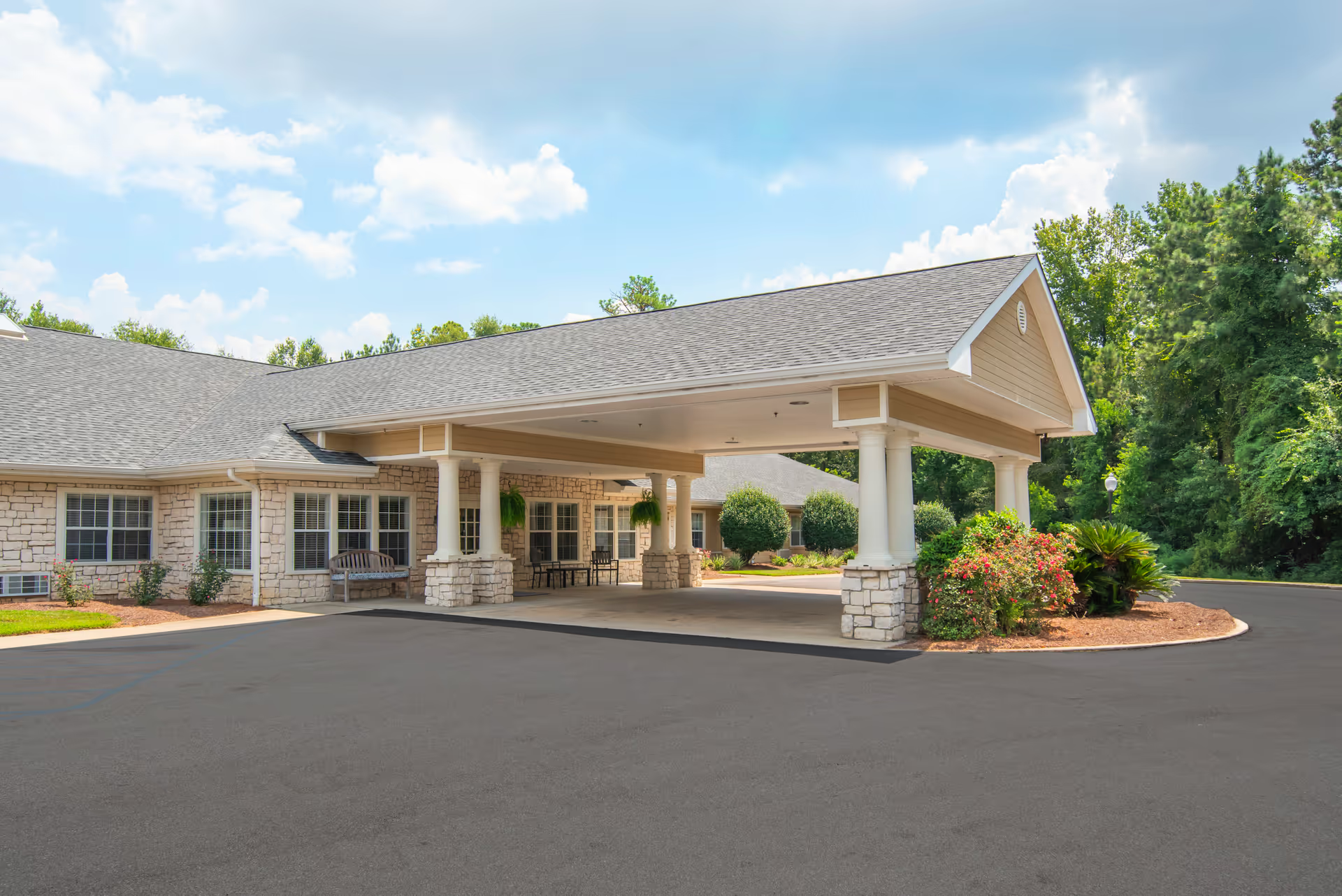
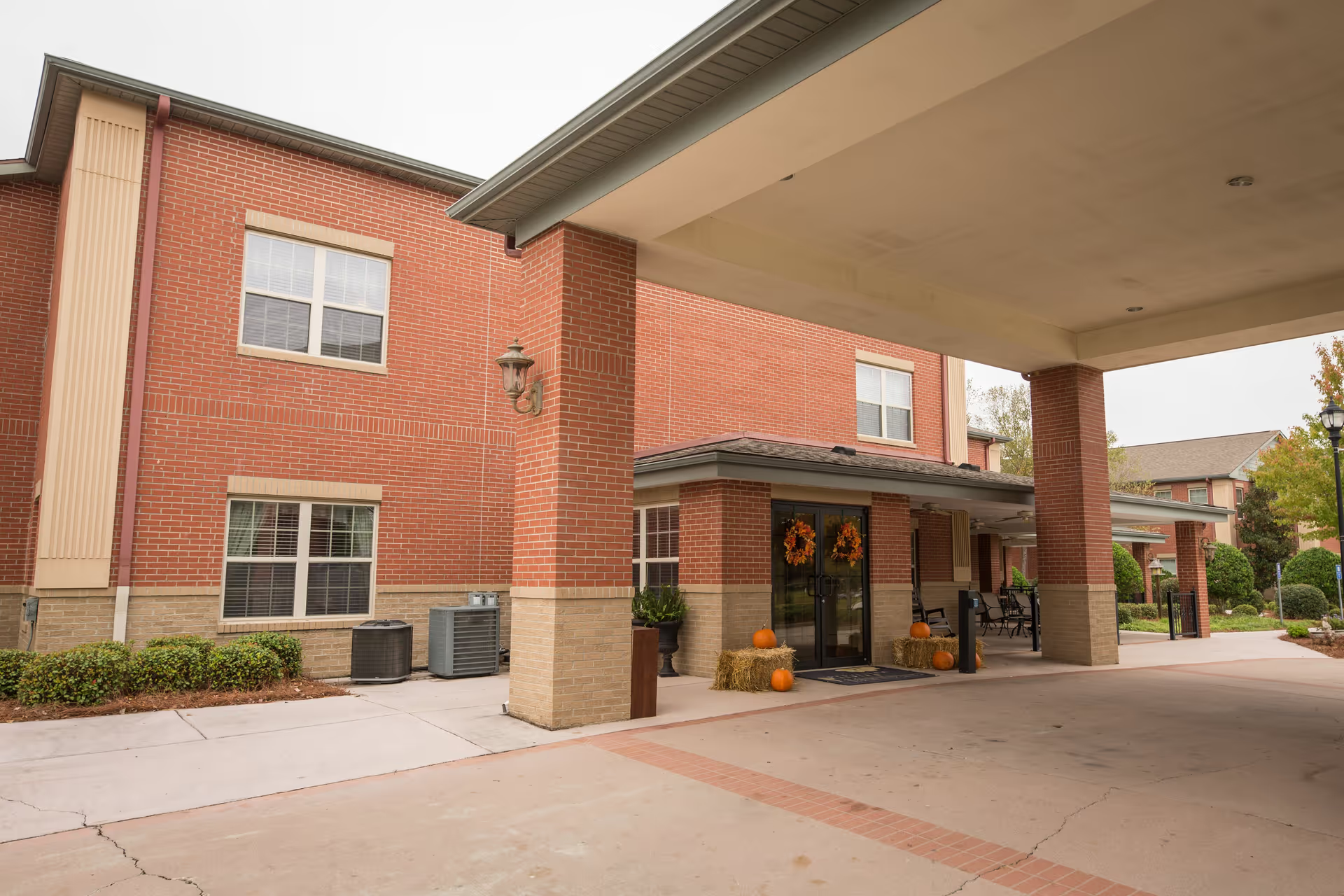
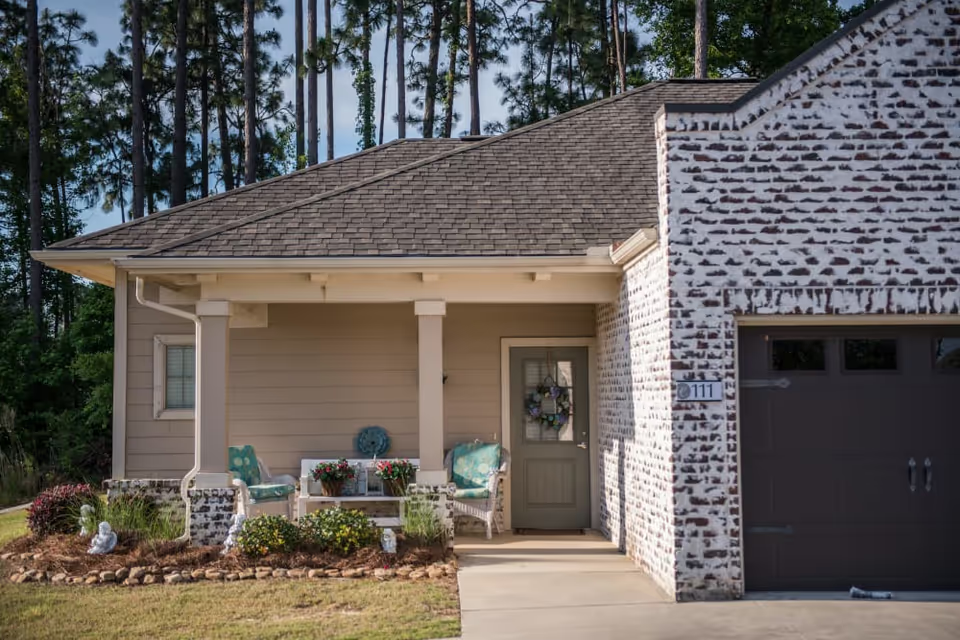
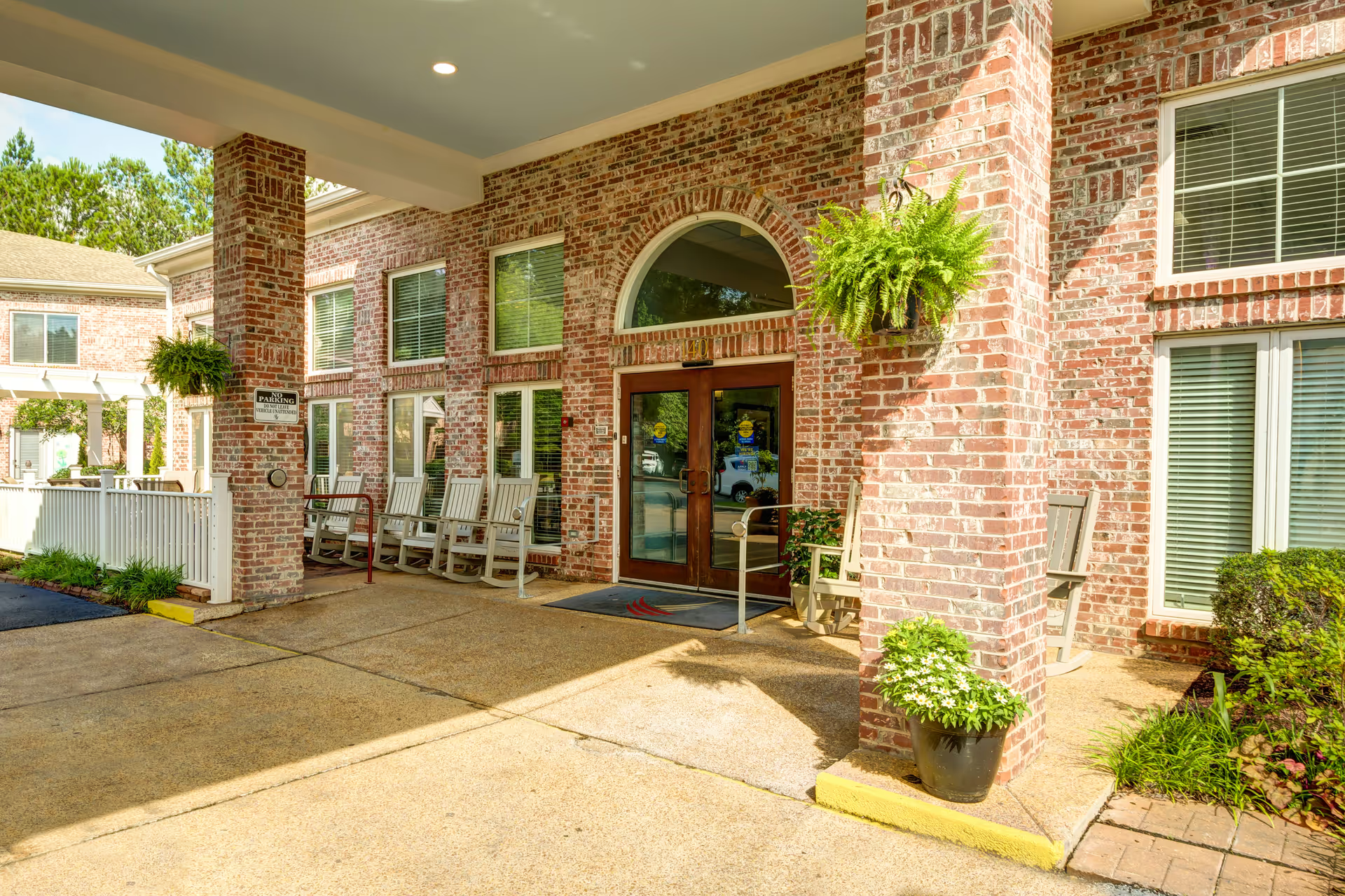
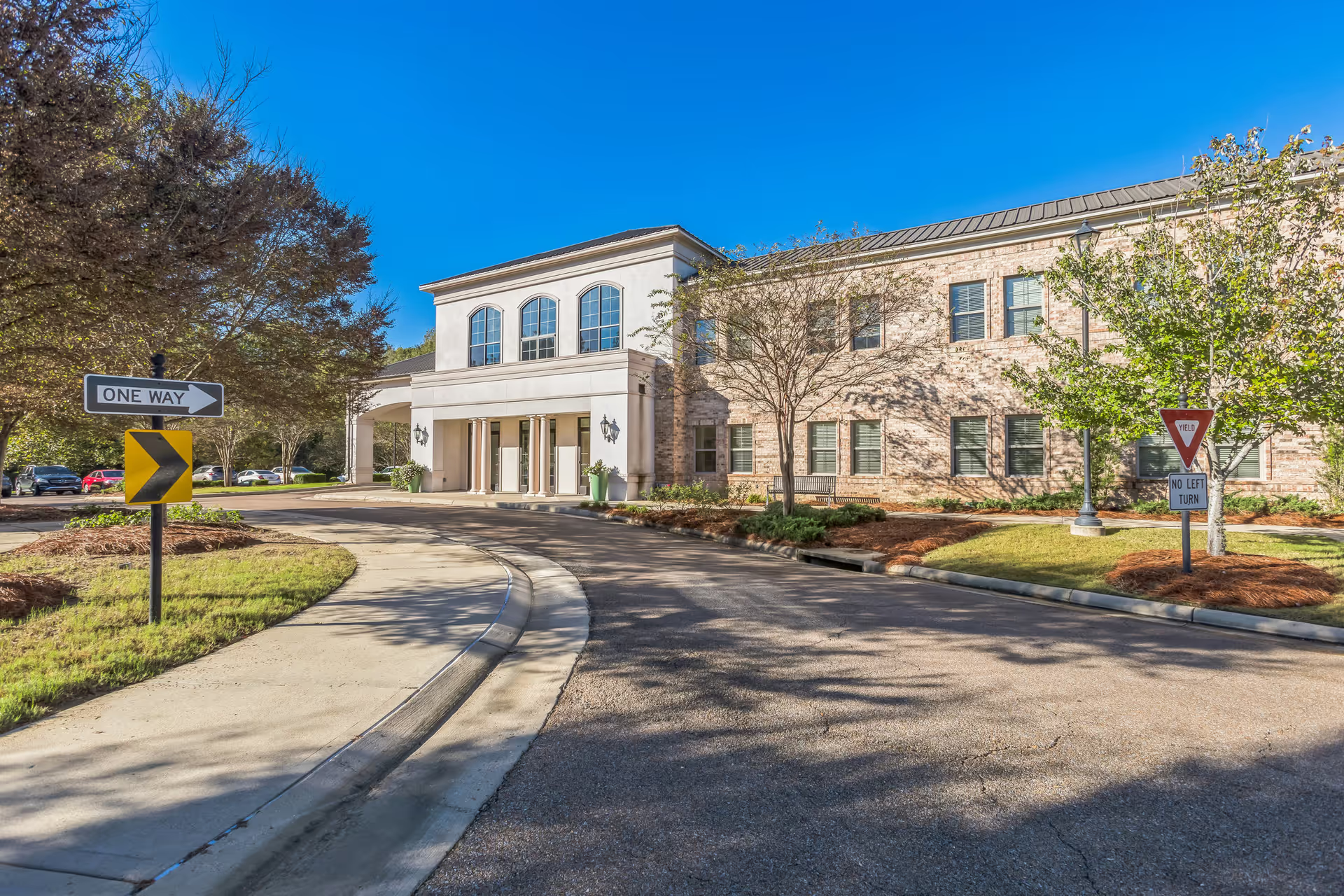
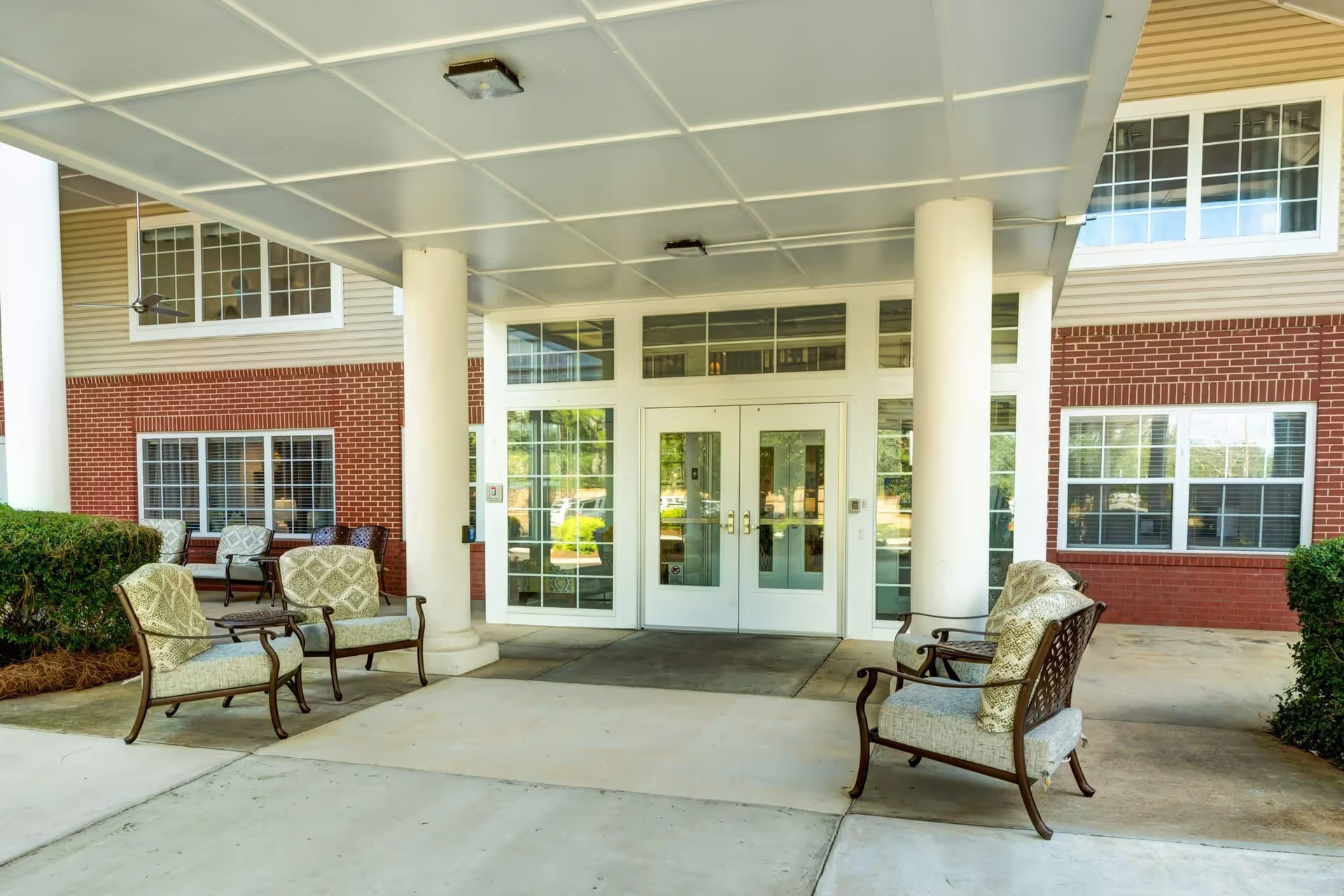
Dining, activities, and facilities: Reviews contain limited detailed commentary about dining, organized activities, or the physical plant. General descriptors in several accounts characterize the environment as comfortable and well-maintained, and residents are often reported to be satisfied. Prospective families seeking specifics about menu variety, activity programming, or accommodations should request on-site information and sample schedules.
Notable patterns and practical advice: The overall pattern is one of strong frontline caregiving and family relationships combined with vulnerabilities in clinical controls, incident transparency, and managerial responsiveness. When evaluating Guardian Angels, prospective residents and families should ask for written medication-administration policies, incident-reporting procedures, access rules for surveillance or documentation, hospice-coordination processes, and a clear summary of contractual and billing terms. These targeted inquiries can help determine whether the facility’s operational practices align with a family’s expectations for clinical oversight and administrative transparency.